
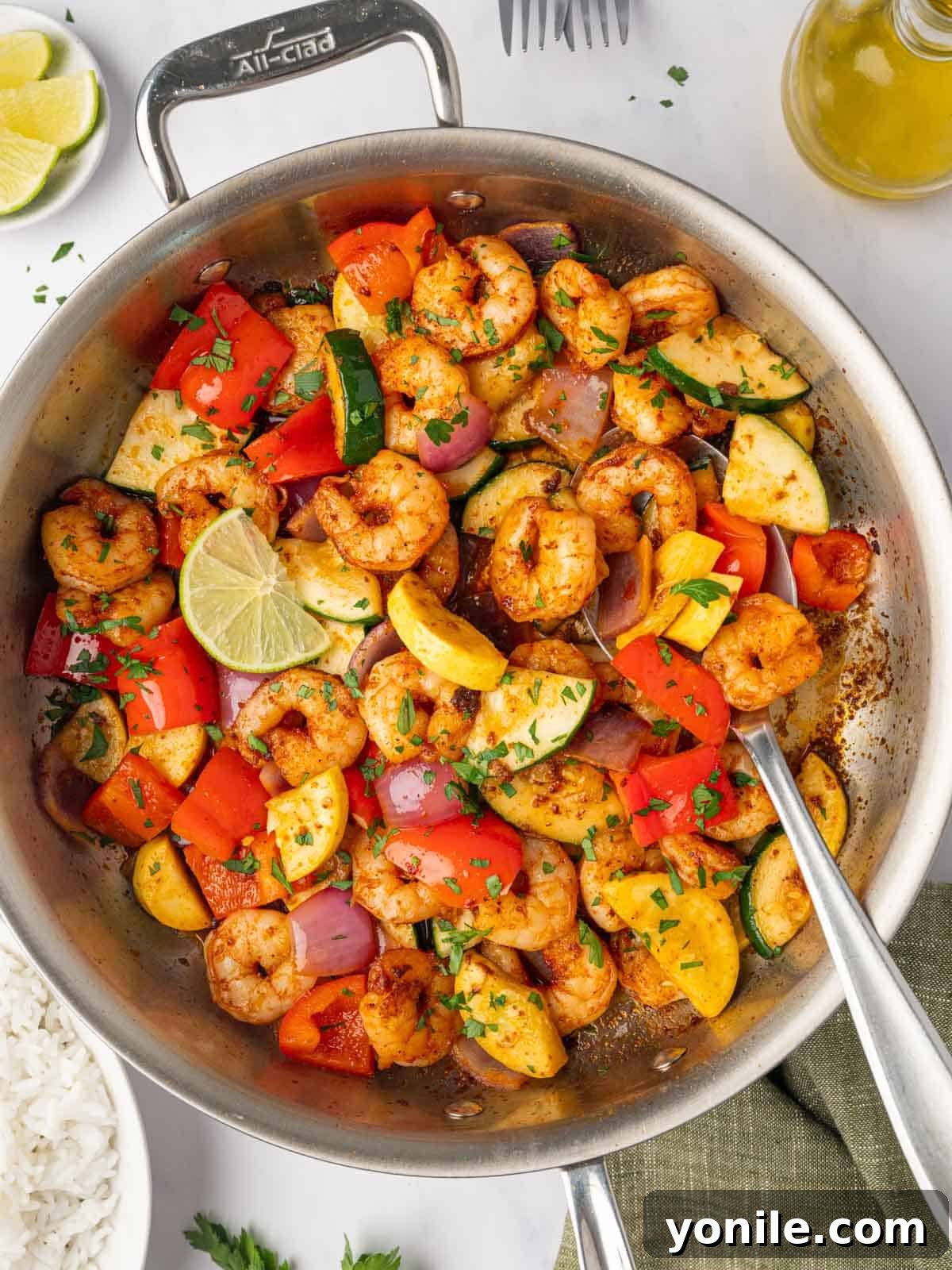
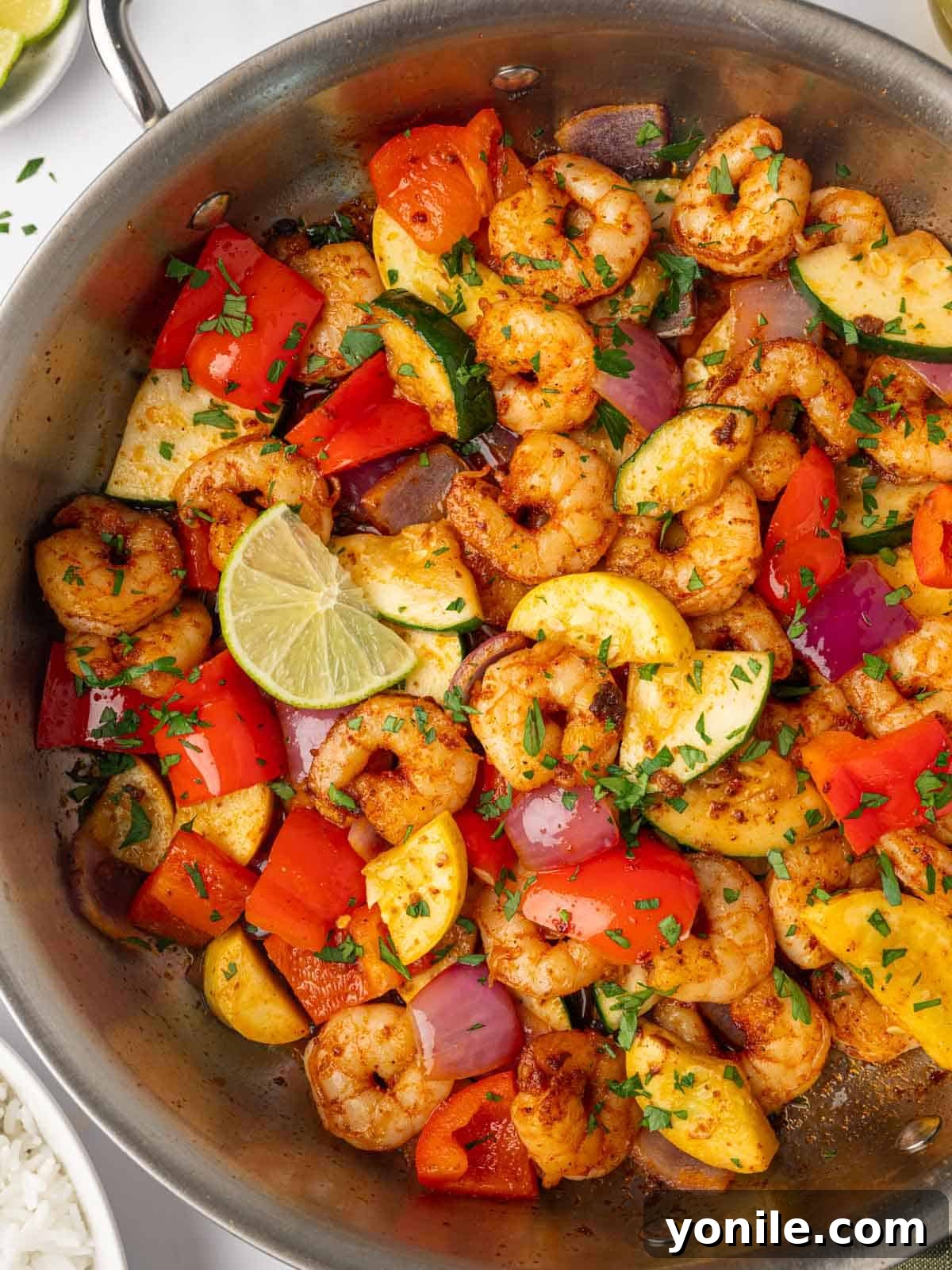
Embark on a culinary journey with this incredibly simple, yet profoundly flavorful Shrimp and Vegetables Skillet. Crafted for convenience without sacrificing taste or nutrition, this dish comes together in under 30 minutes, making it the ultimate solution for healthy weeknight dinners. Bursting with the vibrant freshness of zucchini, squash, and bell peppers, combined with succulent, tender shrimp, it’s a meal that promises satisfaction and ease.
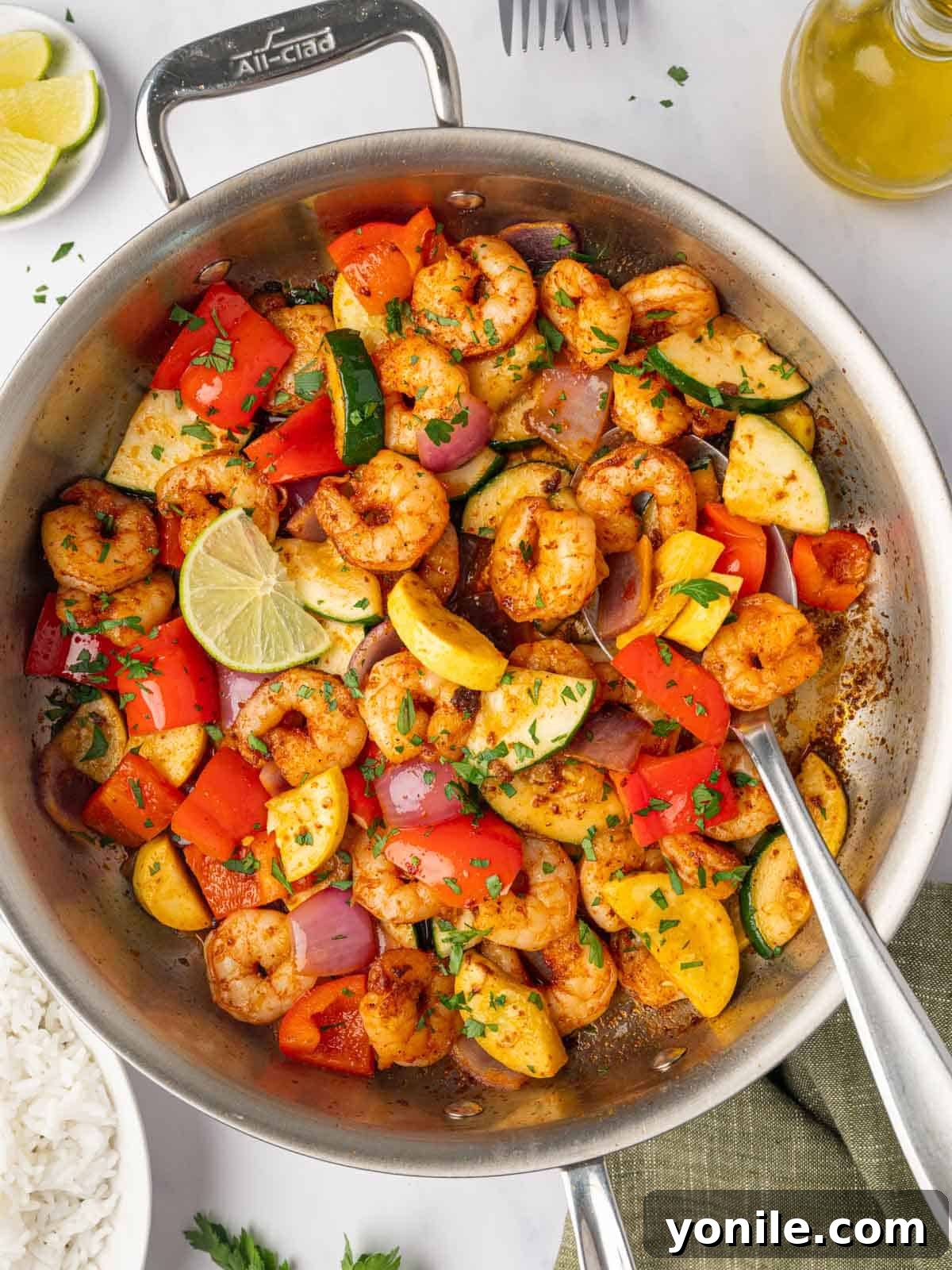
Whether you prefer a gentle warmth or a fiery kick, this shrimp and vegetable recipe can be easily customized to your spice preference. Its versatility extends to meal prepping, as it stores beautifully, ensuring you have nutritious, homemade meals ready for your busiest days. This dish is not just food; it’s a commitment to wholesome eating that fits seamlessly into a modern, fast-paced lifestyle.
For those who love seafood as much as we do, explore more of our simple and delectable recipes. Dive into the rich flavors of our Teriyaki Salmon Stir Fry, discover the Mediterranean charm of an Easy Greek Salmon Recipe, or spice things up with our Spicy Honey Garlic Salmon. Each recipe is designed to bring joy and health to your table, promising a delightful culinary experience.
Why This Shrimp and Vegetable Skillet Will Become Your New Favorite
This isn’t just another dinner recipe; it’s a culinary staple waiting to be discovered. The Shrimp and Vegetable Skillet is designed to simplify your life in the kitchen while delivering maximum flavor and nutrition. Here’s why you’ll find yourself reaching for this recipe again and again:
- Incredibly Versatile: One of the standout features of this recipe is its adaptability. Don’t like zucchini? Swap it for broccoli! Have an abundance of mushrooms? Toss them in! The beauty of a skillet dish is that almost any vegetable can be incorporated, allowing you to tailor it to your personal preferences or whatever fresh produce you have on hand. Beyond vegetables, the protein itself is flexible. While shrimp shines, you can easily substitute it with chicken breast, firm tofu, or even scallops, adjusting cooking times accordingly to create a whole new dish with the same delicious flavor base.
- Bursting with Flavor: Despite its quick preparation, this dish does not compromise on taste. The secret lies in a simple yet potent marinade that infuses the shrimp with layers of zesty, savory notes. Fresh garlic and lime juice are key players, elevating the humble spices to create an unforgettable aroma and a taste that will have you craving seconds. Each bite offers a harmonious blend of tender seafood and perfectly cooked vegetables, all coated in a light, aromatic sauce.
- Nutritious and Effortlessly Simple: In today’s busy world, finding meals that are both healthy and easy to prepare can feel like a challenge. This shrimp skillet rises to the occasion. Packed with lean, protein-rich shrimp and a rainbow of fresh vegetables, it delivers essential nutrients without heavy calories or complex techniques. It’s a complete, well-balanced meal that you can proudly serve, knowing you’re fueling your body with goodness. The entire process, from prep to plate, takes less than 30 minutes, freeing up your evenings and making healthy eating accessible even on your busiest days. It’s the perfect answer for a quick, wholesome, and satisfying meal.
Essential Ingredients for Your Skillet Creation
Crafting the perfect Shrimp and Vegetable Skillet starts with selecting high-quality ingredients. Here’s a breakdown of what you’ll need, along with tips for optimal results:
- Premium Shrimp: The star of our dish! Opt for raw, large or jumbo-sized shrimp (e.g., 16/20 or 21/25 count per pound) for the best texture and flavor. Both fresh and frozen shrimp work wonderfully; just ensure that frozen shrimp are thoroughly thawed before use. Always choose shrimp that are peeled and deveined to save time, though removing tails is a matter of personal preference and can be done easily at home. Large shrimp cook up juicy and tender, preventing them from overcooking and becoming rubbery.
- A Colorful Medley of Vegetables: The beauty of this skillet lies in its vibrant vegetable mix. Our preferred combination includes crisp zucchini, tender yellow squash, sweet bell peppers (any color works, but red adds a lovely sweetness), and pungent red onion. This selection ensures an even cooking time and a delightful variety of textures and flavors. Feel free to explore other quick-cooking vegetables like broccoli florets, asparagus spears, snap peas, or sliced mushrooms. The key is to cut all vegetables into similar sizes for consistent cooking.
- Aromatic Spices: A simple yet impactful blend of spices forms the backbone of this dish’s flavor. You’ll need staple seasonings like black pepper and salt to enhance natural flavors, along with cumin powder for an earthy depth, paprika for a mild sweetness and beautiful color, and chili seasoning. It’s important to note that we mean standard chili dish seasoning (often a blend of chili powder, cumin, oregano, and garlic powder), not overly hot chili powder, unless you specifically desire more heat. This blend creates a warm, inviting profile without overpowering the delicate shrimp.
- Fresh Garlic and Zesty Lime: These two ingredients are non-negotiable for boosting the overall flavor profile. Freshly minced garlic provides a sharp, aromatic base that complements seafood perfectly. Avoid jarred or canned garlic, as its flavor can be muted. Similarly, fresh lime juice adds a bright, zesty tang that cuts through the richness and enhances all the other flavors, giving the dish an irresistible freshness. Always squeeze fresh lime for the best results; bottled lime juice simply won’t compare.
Flexible Ingredient Swaps and Creative Substitutions
This recipe is designed for flexibility, allowing you to adapt it to your pantry, preferences, and dietary needs. Don’t hesitate to get creative with your ingredient choices:
Shrimp Alternatives: If shrimp isn’t available or if you’re looking for a different protein, boneless, skinless chicken breast or thigh cut into bite-sized pieces makes an excellent substitute. For a vegetarian or vegan option, firm tofu or tempeh, pressed and cubed, works wonderfully. Remember to adjust cooking times for these alternatives; chicken will require a bit longer than shrimp, while tofu needs to be cooked until golden and heated through.
Vegetable Combinations: The world of vegetables is your oyster! Embrace seasonal produce or simply use what you have on hand. Aside from our suggested zucchini, squash, bell peppers, and red onion, consider adding vibrant broccoli florets, slender asparagus spears, sweet snap peas, hearty mushrooms (cremini or shiitake), thinly sliced carrots, or even corn kernels for a touch of sweetness. Ensure all vegetables are cut into roughly the same size to promote even cooking.
Spice Adventures: The existing spice blend is fantastic, but feel free to experiment. For a taste of the American South, a generous sprinkle of Cajun or Old Bay seasoning would be delicious. Italian herbs like oregano, basil, and thyme can lend a Mediterranean flair. If you’re a heat-seeker, a pinch of red pepper flakes or a dash of cayenne pepper will add an invigorating kick. Smoked paprika can also introduce a deeper, more complex smoky note.
Marinade Enhancements: Beyond lime and garlic, you could introduce other elements to the marinade. A splash of soy sauce or tamari (for gluten-free) can add umami, while a touch of honey or maple syrup can provide a subtle sweetness to balance the savory notes. Fresh ginger, grated, can also bring a wonderful aromatic quality, particularly if you’re leaning towards an Asian-inspired flavor profile.
Healthy Fats: While olive oil is preferred for its flavor and health benefits, avocado oil or grapeseed oil are also great choices for sautéing, offering high smoke points and neutral flavors.
Mastering the Shrimp and Vegetable Skillet: A Step-by-Step Guide
Creating this delicious and healthy skillet dish is straightforward. Follow these simple steps to achieve perfect results every time:
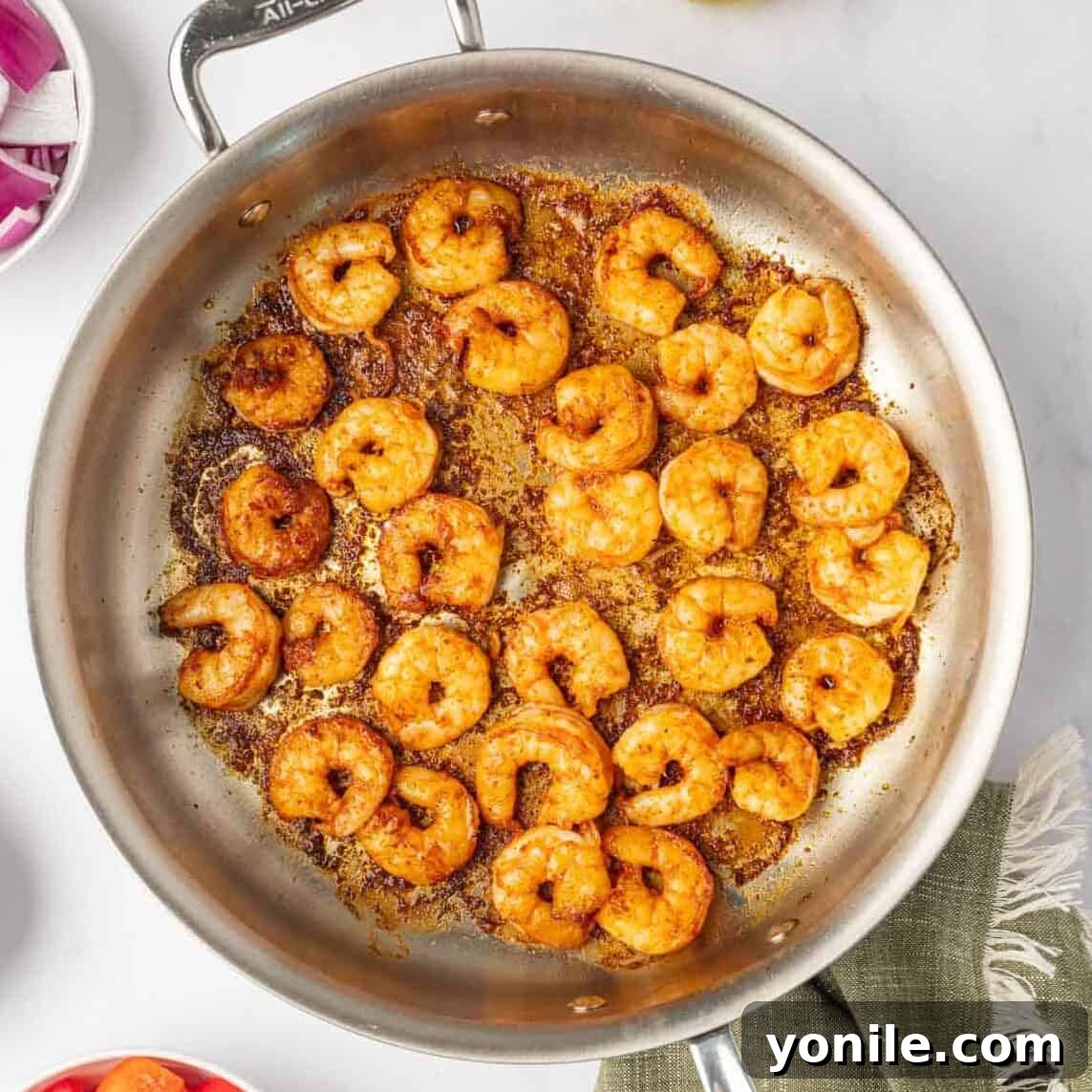
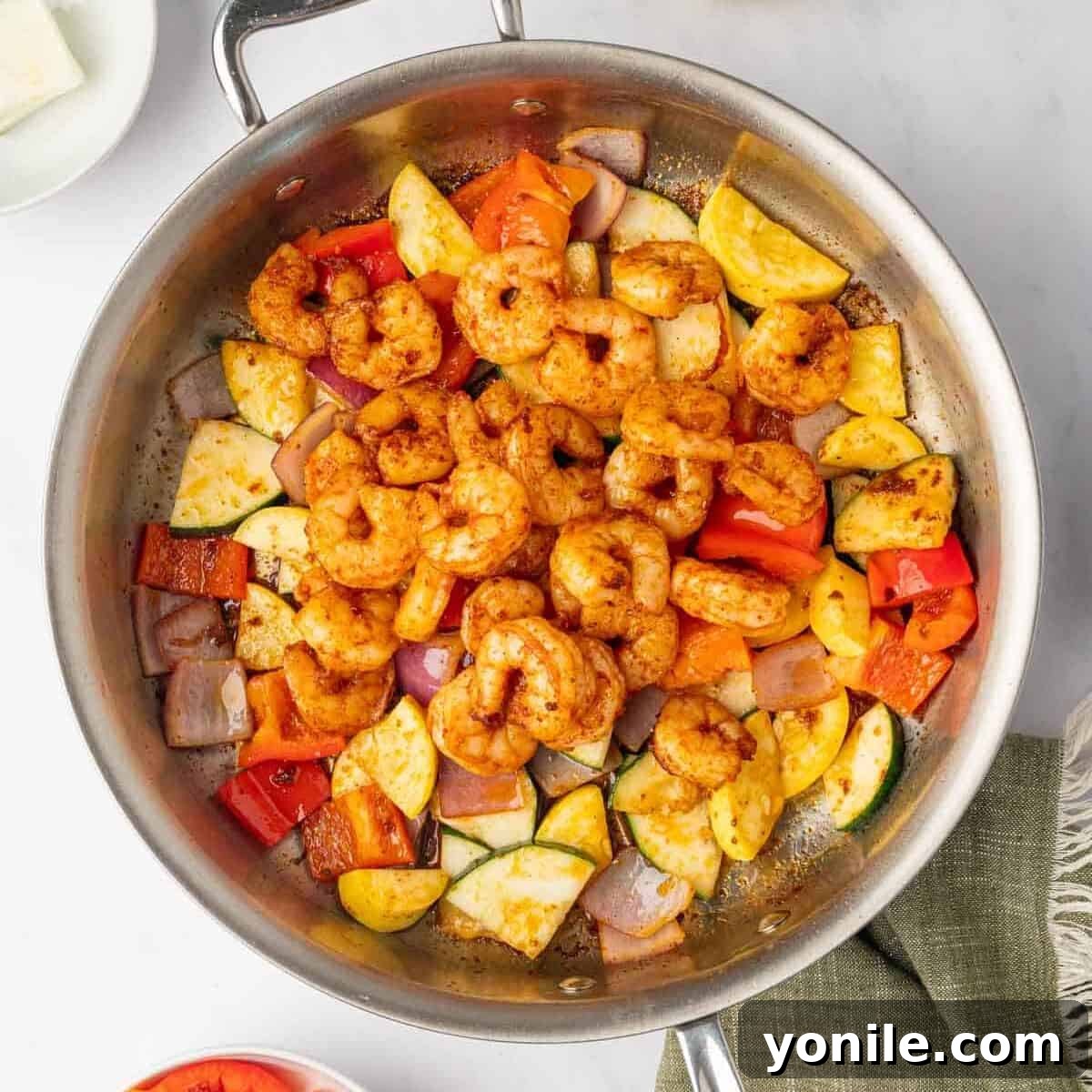
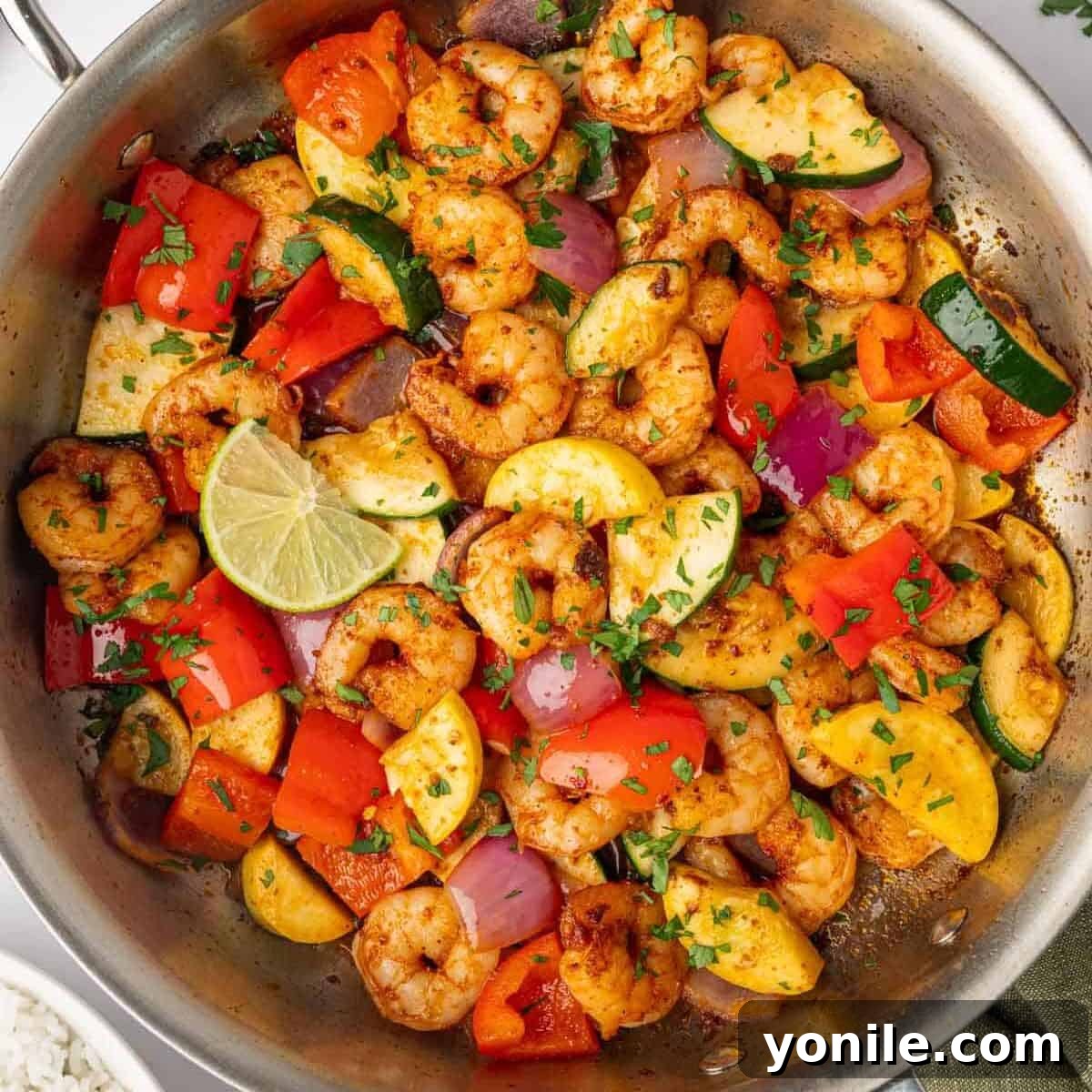
Expert Tips for a Flawless Shrimp and Vegetable Skillet
Achieving a restaurant-quality shrimp and vegetable skillet at home is easier than you think, especially with these insider tips:
- Always Pat Shrimp Dry: This step is critical! Excess moisture on the shrimp surface will cause them to steam rather than sear, resulting in a bland, chewy texture. A thorough pat-down with paper towels ensures a beautiful golden-brown crust and a tender interior.
- Do Not Overcook Shrimp or Veggies: Timing is everything with this dish. Shrimp cook very quickly, typically turning pink and opaque within 2-3 minutes per side. Overcooked shrimp become rubbery and tough. Similarly, vegetables should be cooked until tender-crisp – they should still have a slight bite and vibrant color, not be mushy.
- Prioritize Marination (If Time Allows): While this recipe is designed for speed, allowing the shrimp to marinate for at least 15-30 minutes (or even up to an hour in the refrigerator) will significantly deepen their flavor. The acidity from the lime juice also helps to tenderize the shrimp slightly.
- Choose the Right Shrimp Size: Medium to large shrimp (typically 16/20 to 21/25 count per pound) are ideal for this skillet. They are substantial enough to hold up to sautéing and offer a juicy bite, unlike smaller shrimp which can easily overcook and get lost in the dish.
- Don’t Overcrowd the Skillet: Cook the shrimp and vegetables in batches if necessary. Overcrowding lowers the pan’s temperature, leading to steaming instead of searing, which results in less flavor and an undesirable texture. Give your ingredients room to breathe and brown properly.
- Heat Your Skillet Properly: A well-heated skillet is key to achieving a good sear on both the shrimp and vegetables. Ensure your pan is hot before adding oil, and then allow the oil to shimmer before adding your ingredients.
- Uniform Vegetable Cuts: To ensure all your vegetables cook evenly and at the same pace, cut them into roughly similar-sized pieces. This prevents some vegetables from becoming overcooked and mushy while others remain raw.
- Fresh is Best: Whenever possible, use fresh garlic, fresh lime juice, and fresh vegetables. The difference in flavor compared to their pre-packaged or frozen counterparts is truly remarkable.
- Taste and Adjust Seasoning: Always taste your food as you go! Before serving, give the dish a quick taste and adjust salt, pepper, or lime juice as needed. A final squeeze of fresh lime juice just before serving can brighten the entire dish.
Exploring the World of Shrimp
Shrimp, those delectable crustaceans, are a staple in cuisines around the globe. Beyond their popularity, they are a nutritional powerhouse, offering a lean source of protein and essential micronutrients. Low in carbohydrates and calories, shrimp make an excellent choice for a healthy diet, contributing to muscle growth and satiety. They are invertebrates, characterized by their hard outer shell (exoskeleton) and segmented bodies, distinctly different from fish, which are vertebrates.
Decoding Shrimp Sizes
Understanding shrimp sizes can be a bit perplexing for the uninitiated, as they are typically categorized by a “count per pound.” This number indicates how many individual shrimp you’ll find in one pound. Counterintuitively, a *lower* count per pound signifies *larger* shrimp. For instance, “U15” means fewer than 15 shrimp per pound, indicating very large, jumbo shrimp, while “51/60” means there are 51 to 60 shrimp in a pound, signifying much smaller shrimp.
For dishes like our skillet, where you want a substantial, juicy bite that won’t get lost among the vegetables or overcook too quickly, large or jumbo sizes (such as 16/20, 21/25, or U15) are generally preferred. Smaller shrimp are great for salads, pasta dishes where they are finely incorporated, or as cocktail shrimp, but for searing in a skillet, larger sizes offer a superior texture and presence.
Shrimp vs. Prawns: Unraveling the Confusion
The terms “shrimp” and “prawns” are often used interchangeably, leading to widespread confusion, especially in different culinary regions. While they are both decapods (ten-legged crustaceans) and share similar appearances and flavors, they are indeed distinct creatures with anatomical differences:
- Anatomy: The most significant difference lies in their gill structure and body segments. Shrimp typically have a bend in their body, allowing them to curl into a “C” shape, and their second body segment overlaps the first and third. Prawns, on the other hand, have straighter bodies; their body segments overlap tile-like, from front to back. Prawns also have three pairs of claw-like legs, whereas shrimp have only one or two. Their leg lengths also differ, with prawns generally having longer legs.
- Habitat: Shrimp are primarily saltwater creatures, though some species inhabit fresh or brackish water. Prawns are predominantly found in freshwater.
- Culinary Use and Taste: Despite these biological differences, from a culinary perspective, their taste and nutritional value are remarkably similar. Both offer a sweet, delicate flavor and firm texture when cooked correctly. The primary distinction for home cooks often comes down to size, with prawns generally being larger than shrimp. For most recipes, they can be used interchangeably without significantly altering the outcome of the dish.
Raw vs. Cooked Shrimp: A Culinary Distinction
When purchasing shrimp, you’ll often encounter both raw (grey) and pre-cooked (pink) varieties. Your choice can significantly impact the final texture and flavor of your dish:
- Raw Shrimp: These are uncooked and typically grey. They require a longer cooking time but offer superior results in terms of juiciness and flavor. When cooked from raw, shrimp absorb flavors more effectively from marinades and seasonings, resulting in a more tender and less chewy texture. The color change from grey to pink and opaque is a clear indicator of doneness. For dishes where shrimp are a central component and need to develop rich flavors, raw shrimp are always the preferred choice.
- Pre-cooked Shrimp: These shrimp have already been cooked (usually steamed or boiled) and are pink. They require very little additional cooking – essentially just enough to heat them through. Overcooking pre-cooked shrimp is a common mistake and will inevitably lead to a rubbery, unpleasant texture. While convenient for quick additions to salads, cold dishes, or last-minute garnishes, they are generally less flavorful and tender than shrimp cooked from raw. Many chefs and home cooks avoid reheating pre-cooked shrimp extensively, preferring to use them in dishes where they are merely warmed or served cold. For our skillet recipe, using raw shrimp is highly recommended to achieve the best possible texture and taste.
Perfect Pairings: What to Serve with Your Skillet
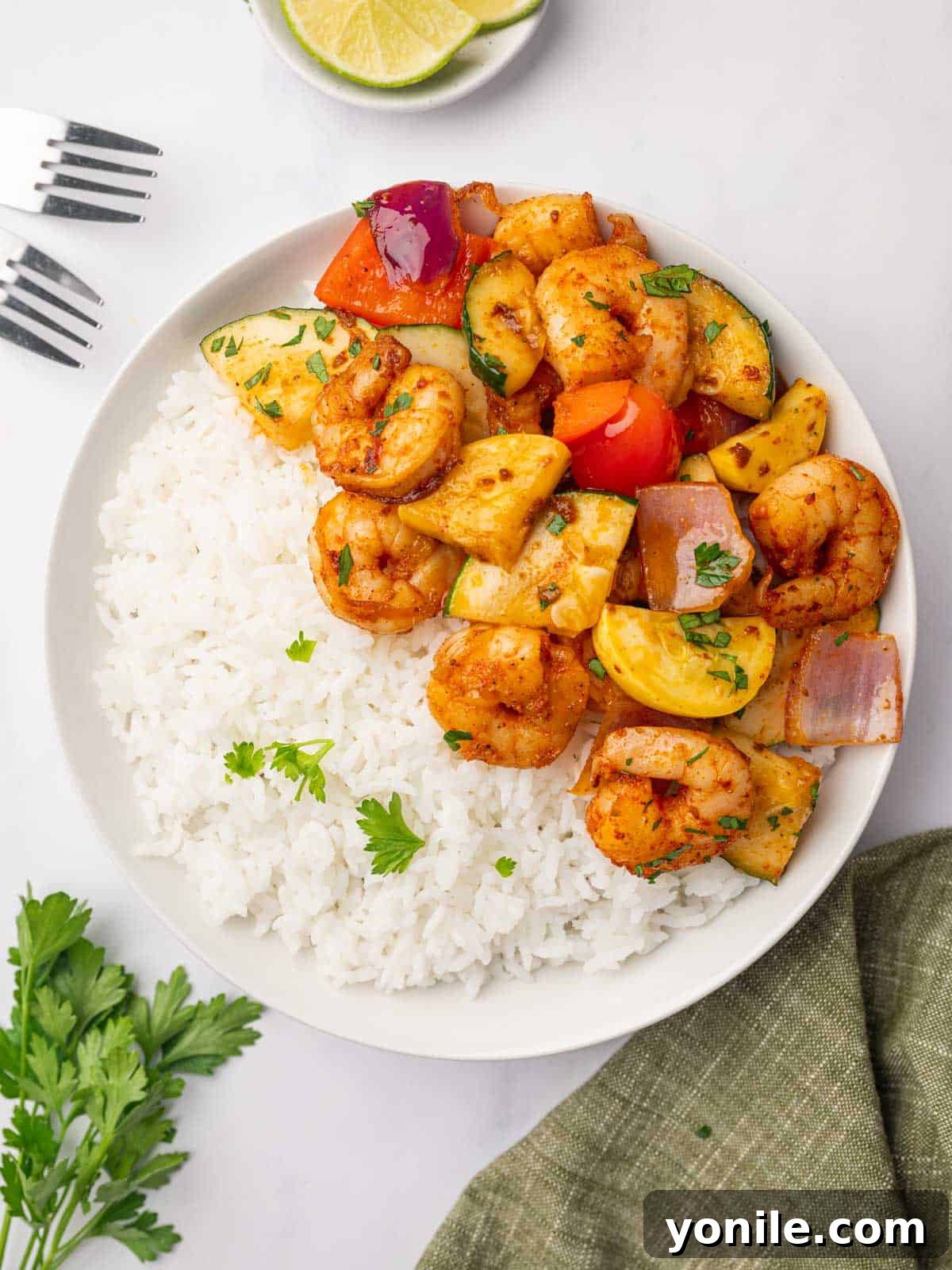
The Shrimp and Vegetables Skillet is incredibly versatile and pairs beautifully with a wide array of side dishes. Here are some of our favorite options to turn your skillet into a complete, satisfying meal:
- Fluffy Grains: Classic choices like fluffy white rice, brown rice, or nutritious quinoa provide an excellent base that soaks up all the delicious juices from the skillet. For an extra layer of flavor, consider serving it over our Easy Mexican Fried Rice recipe, which complements the savory and zesty notes of the shrimp and vegetables perfectly.
- Comforting Pasta: For a heartier meal, toss your shrimp and vegetables with cooked pasta. A drizzle of extra olive oil, a sprinkle of fresh Parmesan, or a light cream sauce can elevate this pairing. Our Creamy Gochujang Pasta offers a unique and flavorful twist that harmonizes wonderfully with the seafood and crisp veggies, creating a rich and comforting dish.
- Crisp Green Salad: If you’re looking for a lighter accompaniment, a simple green salad is an ideal choice. A refreshing mix of leafy greens with a light vinaigrette provides a fresh contrast to the warmth of the skillet, cleansing the palate and adding more vibrant nutrients. Try our Delicious and Simple House Salad recipe for a perfect, easy side.
- Crusty Bread: A warm, crusty baguette or a slice of artisan bread is perfect for mopping up any remaining sauce and ensuring no drop of flavor goes to waste. Garlic bread can also add an extra layer of savory indulgence.
- Roasted Potatoes or Sweet Potatoes: For a filling, earthy side, roast some diced potatoes or sweet potatoes until tender and slightly caramelized. Their robust flavor and satisfying texture make a great complement to the lighter shrimp and vegetables.
- Cauliflower Rice: For a low-carb alternative to traditional rice, serve your skillet over a bed of fluffy cauliflower rice. It’s an excellent way to keep the meal light and compliant with various dietary preferences, while still providing a comforting base.
Frequently Asked Questions About Shrimp and Vegetable Skillet
No, shrimp are not considered fish. While both live in water, fish are vertebrates, meaning they have an internal skeleton. Shrimp, on the other hand, are invertebrates with an exoskeleton (a hard outer shell) or carapace. They belong to the class of crustaceans, which are a type of shellfish, distinct from finfish.
Cooked shrimp will undergo a distinct transformation: they turn from grey and translucent to an opaque, vibrant pink. They will also curl into a gentle “C” shape. It’s crucial not to overcook them; if they curl into a tight “O” shape, they are likely overcooked and will be rubbery. Aim for that perfect tender, juicy “C” shape.
While often confused and used interchangeably in culinary contexts, shrimp and prawns are distinct creatures. They have several anatomical differences, including their body structure (prawns have straighter bodies and overlapping segments from front to back, while shrimp have a bend and different segment overlap), leg structures, and gill types. Prawns are generally larger and primarily freshwater dwellers, while most shrimp are saltwater. However, their taste and nutritional profiles are quite similar, allowing for interchanging them in most recipes.
To store, transfer any cooled leftovers into an airtight container and refrigerate for up to two days. For reheating, the best method is to gently warm the dish in a skillet over medium heat on the stovetop until it’s just warmed through. Add a splash of water or broth if needed to prevent drying. Avoid using the microwave, as it tends to overcook the shrimp quickly, making them tough and rubbery.
This Shrimp and Vegetable Skillet is truly best enjoyed fresh, straight from the pan, to fully appreciate the tender texture of the shrimp and crispness of the vegetables. However, you can certainly prep ingredients in advance. Marinate the shrimp up to an hour before cooking, and chop all your vegetables the day before. Cooked leftovers can be stored in the refrigerator for up to 2 days, but be mindful of the reheating advice to maintain quality.
Discover More Irresistible Shrimp Recipes
If you’ve fallen in love with the ease and flavor of this skillet, you’re in luck! Shrimp is incredibly versatile and forms the basis for countless delicious and healthy meals. Explore these other fantastic shrimp recipes that are sure to become new favorites:
- Air Fryer Shrimp and Veggies: For a hands-off approach to healthy cooking, this air fryer recipe delivers crispy shrimp and tender vegetables with minimal oil.
- Shrimp Orzo Salad: A light, refreshing, and flavorful salad perfect for lunch or a light dinner, combining succulent shrimp with pasta and fresh herbs.
- Simple and Flavorful Grilled Garlic Shrimp: Ideal for grilling enthusiasts, these chili-lime shrimp are packed with zesty flavor and cook up quickly on the grill.
- Creamy Garlic Butter Shrimp with Asparagus: Indulge in a rich, garlicky, and creamy shrimp dish that feels gourmet but is surprisingly easy to make. (Placeholder for expansion)
- Spicy Shrimp Tacos with Mango Salsa: Transform your shrimp into vibrant tacos, perfectly balanced with a sweet and spicy mango salsa for a festive meal. (Placeholder for expansion)
The Shrimp and Vegetable Skillet recipe is truly a gem – a versatile, flavorful, and incredibly healthy dish that effortlessly fits into any weekly meal plan. Its minimal cooking time, wholesome ingredients, and endless customization possibilities make it a steadfast favorite among home cooks seeking both convenience and culinary delight. We highly encourage you to give this exceptional dish a try and experience its magic for yourself!
We absolutely adore hearing from you! If you prepare this recipe or any other delightful creations from our collection, please take a moment to leave a star rating and share your thoughts in the comment section below. Your feedback inspires us! For a continuous stream of our latest culinary adventures and recipes, be sure to follow Cookin’ With Mima on Facebook | Instagram | Pinterest.
Shrimp and Vegetables Skillet
By: Mariam Ezzeddine
This Shrimp and Vegetable Skillet is a quick and healthy dinner or lunch recipe! It’s super low in carbs and loaded with delicious veggies. This dish comes together in less than 30 minutes.
Prep Time: 10 minutes | Cook Time: 10 minutes | Total Time: 20 minutes | Servings: 4 servings
Ingredients
Main Ingredients
- 2 lbs. large shrimp, raw, deveined and tail off
- 1 tbsp. olive oil, light tasting
- Chopped parsley, optional for garnishing
Marinade
- 3 tbsps. lime juice, fresh squeezed
- 1 tsp. salt
- 2 tsps. fresh ground black pepper
- 1 tbsp. chili seasoning (standard beef chili seasoning, not hot chili powder)
- 1 tsp. paprika
- ½ tsps. cumin
- 2 cloves fresh garlic, minced
- 1 tbsp. olive oil, light tasting
Veggies
- 1 small purple onion, diced
- 1 large zucchini, halved and sliced
- 1 large yellow squash, halved and sliced
- 1 large red bell pepper, cubed
- 1 tbsp. olive oil, light tasting (for sautéing veggies)
Instructions
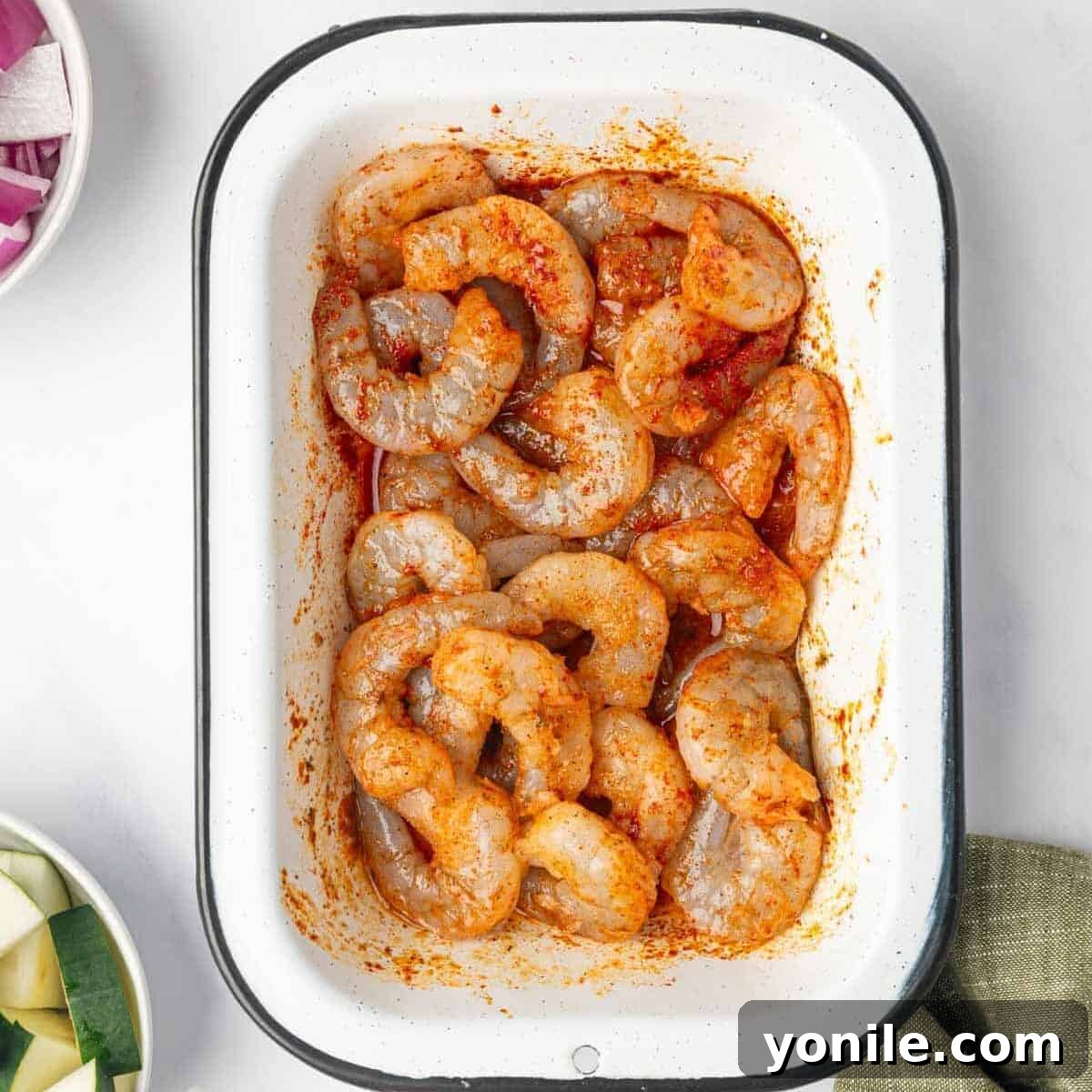
- Pat the shrimp dry with paper towel and place into a bowl. Add in the marinade ingredients and mix well to coat the shrimp. Set aside.
- To prepare the veggies, wash and dry them well. Chop/cube them into uniform pieces and set aside.
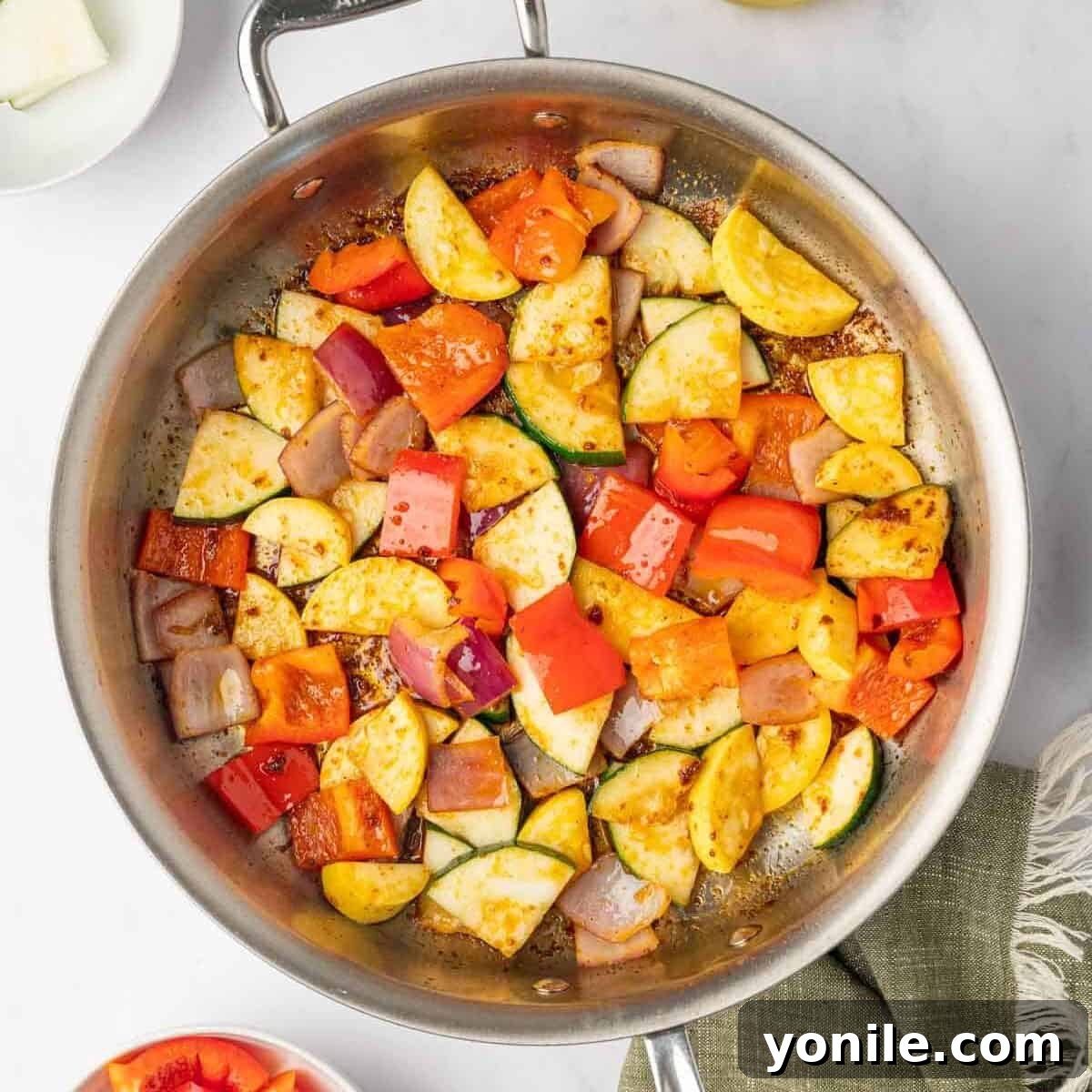
- In a large non-stick skillet, add one tablespoon of olive oil and bring to medium-high heat. Sauté the veggies until they are tender-crisp and obtain a slight golden color. Remove and set aside in a bowl.
- In the same skillet, sauté the shrimp with 1 tbsp. of olive oil over medium-high heat until they are fully cooked through. This takes about 6-8 minutes, flipping the shrimp pieces over half way through. Do not overcrowd the pan; cook in batches if necessary.
- Return the cooked veggies back into the skillet with the shrimp and sauté together for another 1-2 minutes to allow flavors to meld and ensure everything is heated through.
- Remove from heat and serve immediately. Garnish with fresh chopped parsley and lime wedges if desired.
Notes
- For the best texture and flavor, always use raw shrimp instead of frozen pre-cooked shrimp. Raw shrimp cook up juicier and less chewy.
- Opt for large or jumbo size shrimp (e.g., 16/20 or 21/25 count) if available, as they offer the most satisfying bite and are less prone to overcooking.
- Always use fresh vegetables over frozen for superior taste and texture in this skillet recipe.
- While not essential, allowing the shrimp to marinate for at least 15-30 minutes will deepen the flavor profile significantly.
- Ensure your vegetables are cut into similar sizes to guarantee even cooking.
- Excellent vegetable choices to add or substitute include broccoli florets, asparagus spears, sliced mushrooms, and sugar snap peas.
- For those who enjoy a bit of heat, a pinch of red pepper flakes added with the spices will provide a delightful zing to the dish.
Nutrition
Serving: 1 serving | Calories: 333 kcal | Carbohydrates: 11.1g | Protein: 47.3g | Fat: 12.3g | Saturated Fat: 2.8g | Sodium: 913.8mg | Sugar: 4.3g