
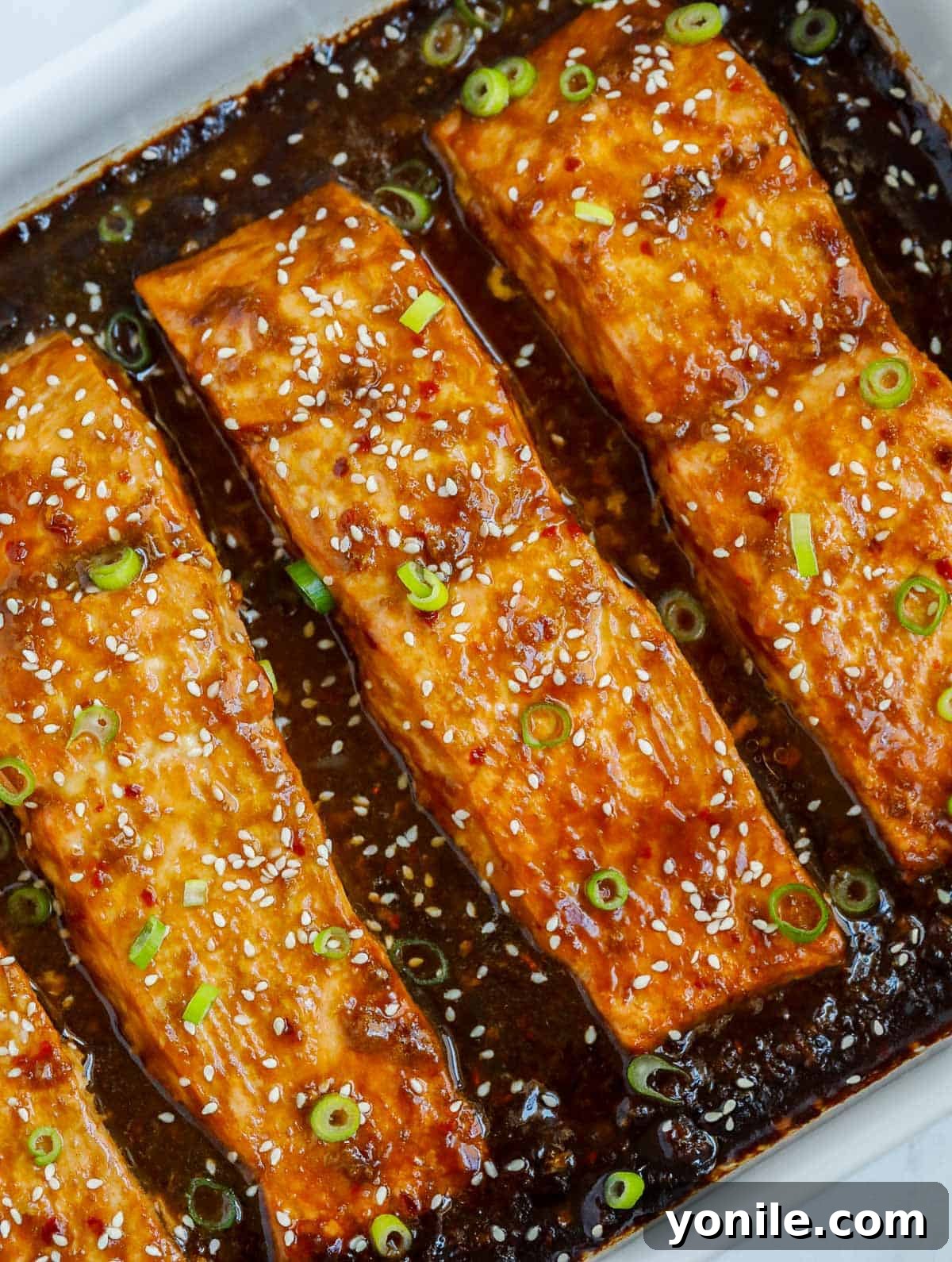
Baked Teriyaki Salmon is a true culinary gem, celebrated for its exquisite balance of sweet, savory, and umami flavors, combined with an incredibly simple preparation. This recipe isn’t just a meal; it’s a reliable, crowd-pleasing option that consistently delivers tender, flaky salmon infused with a rich, homemade teriyaki glaze. Perfect for any day of the week, it offers a quick and healthy dinner solution that requires minimal hands-on effort, thanks to the magic of oven baking. Whether you’re a seasoned chef or a beginner in the kitchen, this foolproof method ensures a delicious result every time, making it a staple in any home.
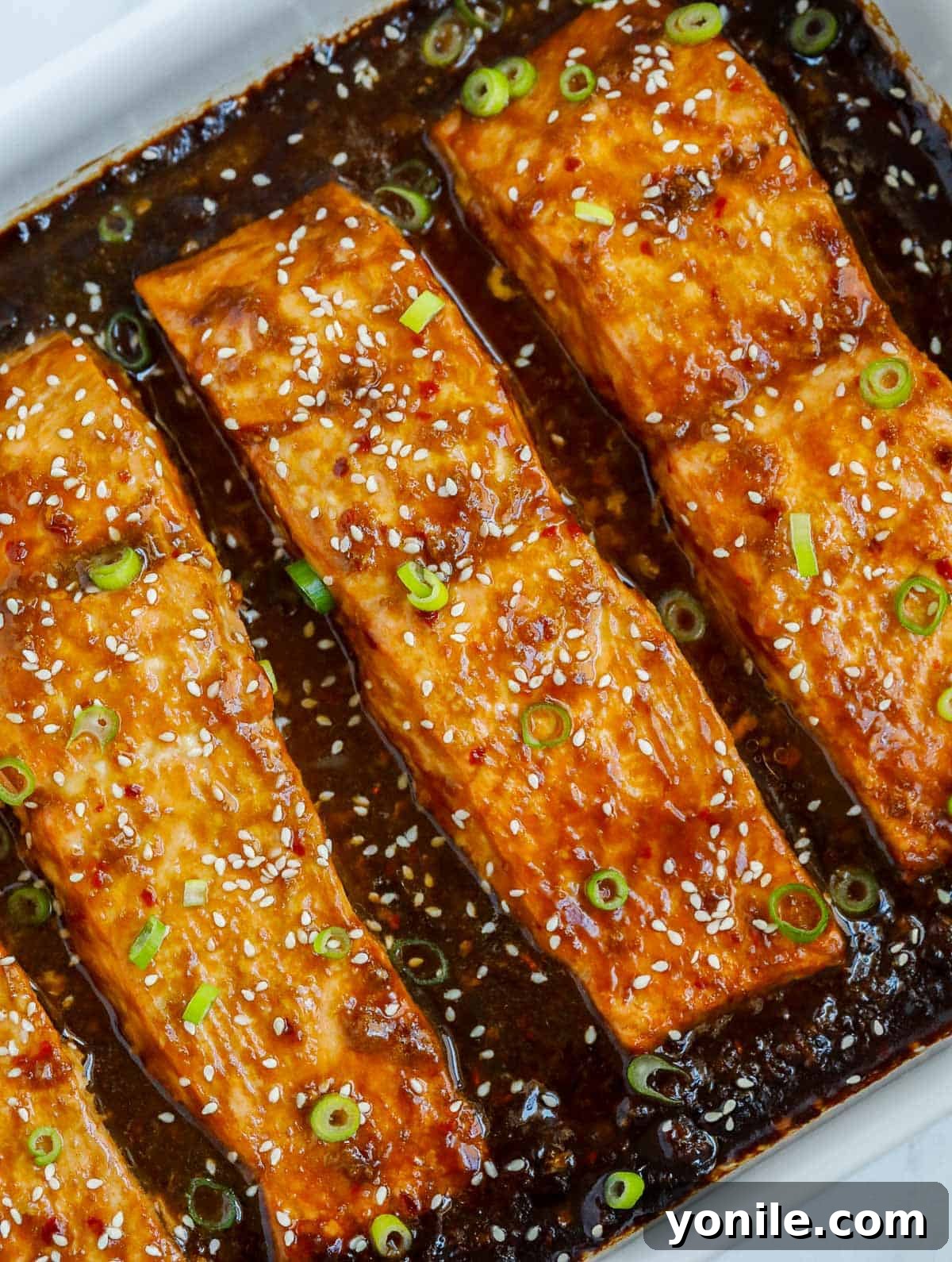
Imagine effortlessly bringing a restaurant-quality meal to your family’s table. This baked teriyaki salmon recipe allows you to do just that. The key lies in a quick marination with our irresistible homemade teriyaki sauce – a blend whipped up in mere seconds – followed by a simple bake in the oven. This means more time enjoying your evening and less time tethered to the stove. The result is perfectly cooked salmon, tender on the inside with a beautifully caramelized exterior, bursting with a flavor profile that everyone will adore. Forget complicated cooking; embrace the ease and deliciousness of this oven-baked marvel.
If you’re looking to expand your repertoire of quick and delightful salmon dishes, don’t miss out on other favorites like my Skillet Salmon with Vegetables for a one-pan wonder or the ever-popular Baked Honey Garlic Salmon, offering a slightly different but equally appealing flavor. These recipes are designed for busy individuals seeking both health and convenience without compromising on taste, making them ideal choices for any busy weeknight.
Why This Baked Teriyaki Salmon Will Become Your New Favorite
There are countless reasons why this baked teriyaki salmon stands out as a top-tier meal choice. Its combination of health benefits, incredible flavor, and straightforward preparation makes it an undeniable winner for any home cook. Here’s a closer look at what makes this recipe truly special:
- A Powerhouse of Nutrition: Salmon is renowned for being an excellent source of lean protein and heart-healthy Omega-3 fatty acids, crucial for brain function and reducing inflammation. Paired with a vibrant array of vegetables, this protein-packed teriyaki salmon transforms into a complete and balanced meal, supporting a healthy lifestyle without sacrificing taste. It’s a fantastic way to ensure your family gets essential nutrients in a delicious format.
- Unforgettable Flavor Profile: The magic truly happens with the homemade teriyaki sauce. Unlike many store-bought varieties that can be overly sweet or artificial, our recipe provides a perfectly balanced blend of sweet, salty, savory, and a hint of tang. The fresh ginger and garlic elevate the flavor, creating a marinade that deeply penetrates the salmon, leaving it incredibly succulent and flavorful. You’ll find yourself wanting to drizzle this glorious sauce over everything – especially a bed of fluffy rice, allowing it to soak up every last drop of the rich, aromatic glaze.
- Effortless Preparation and Cleanup: One of the biggest advantages of this recipe is its sheer simplicity. There are minimal steps involved, and because it’s a baked salmon dish, you eliminate the need for constant supervision or flipping on the stovetop. Simply marinate, pop it in the oven, and let the heat do the work. This hands-off approach frees you up to attend to other tasks, prepare side dishes, or simply relax while dinner cooks. Cleanup is also a breeze, often involving just a single baking dish, making it a perfect solution for busy weeknights when time is of the essence.
Essential Ingredients for Perfect Teriyaki Salmon
Crafting the perfect Baked Teriyaki Salmon begins with selecting quality ingredients. Here’s what you’ll need, along with tips for making the best choices:
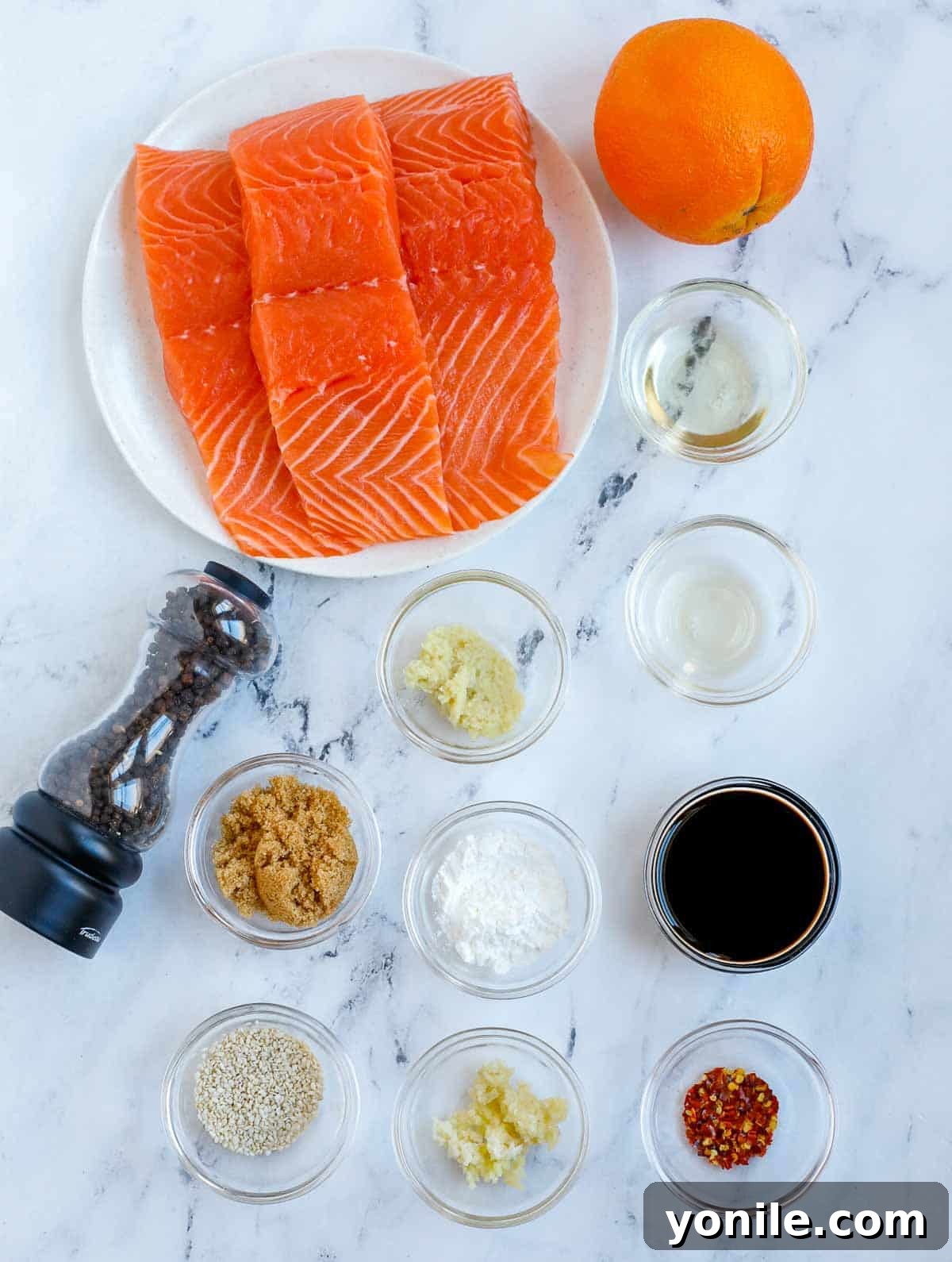
- Salmon Fillets: We recommend using approximately 8 oz. (225g) individual salmon fillets per serving. While skinless fillets are convenient, feel free to use skin-on fillets – the skin can get delightfully crispy in the oven! The most crucial aspect is to ensure they are boneless for easy eating. When choosing salmon, opt for wild-caught varieties when possible for superior flavor and nutritional benefits, though responsibly farmed salmon is also an excellent choice. Look for vibrant color and firm flesh.
- Olive Oil Spray: A light mist of olive oil spray in your baking dish prevents sticking and helps the salmon achieve a beautiful sear, locking in moisture and flavor.
- Homemade Teriyaki Sauce Ingredients: This is where the magic happens!
- Orange Juice: Adds a bright, citrusy sweetness that complements the savory notes beautifully. Freshly squeezed is always best for optimal flavor.
- Vegetable Oil: Provides a smooth base for the sauce and helps in creating a glossy finish.
- Rice Vinegar: Introduces a delicate tang that cuts through the richness, balancing the overall flavor profile.
- Soy Sauce: The cornerstone of teriyaki, providing depth, umami, and saltiness. Opt for low-sodium soy sauce to control the salt content.
- Corn Starch: Essential for thickening the sauce, giving it that characteristic sticky, glaze-like consistency.
- Fresh Ginger: Grated fresh ginger adds a warm, pungent, and aromatic kick that is indispensable for authentic teriyaki flavor.
- Garlic: Minced fresh garlic contributes a robust, savory depth that pairs wonderfully with ginger and salmon.
- Chili Flakes: A touch of chili flakes is optional but highly recommended for a subtle warmth and hint of spice, elevating the complexity of the sauce. Adjust to your preference.
- Brown Sugar: Provides a rich, molasses-like sweetness that helps in caramelization and creates a luscious glaze.
- Water: Used to adjust the consistency of the sauce and ensure it coats the salmon perfectly.
- Garnish: Elevate the presentation and add a fresh pop of flavor and texture.
- Green Onions: Sliced green onions provide a mild oniony bite and a beautiful splash of vibrant green.
- Sesame Seeds: Toasted sesame seeds add a nutty crunch and classic visual appeal to your teriyaki dish.
Simple Steps to Your Best Oven Baked Teriyaki Salmon
Making this incredible Baked Teriyaki Salmon is surprisingly straightforward. Follow these steps for a perfectly cooked, flavorful dish:
- Step 1: Preheat Your Oven: Begin by preheating your oven to a steady 400°F (200°C). This ensures the salmon cooks evenly and quickly, achieving that desired flaky texture.
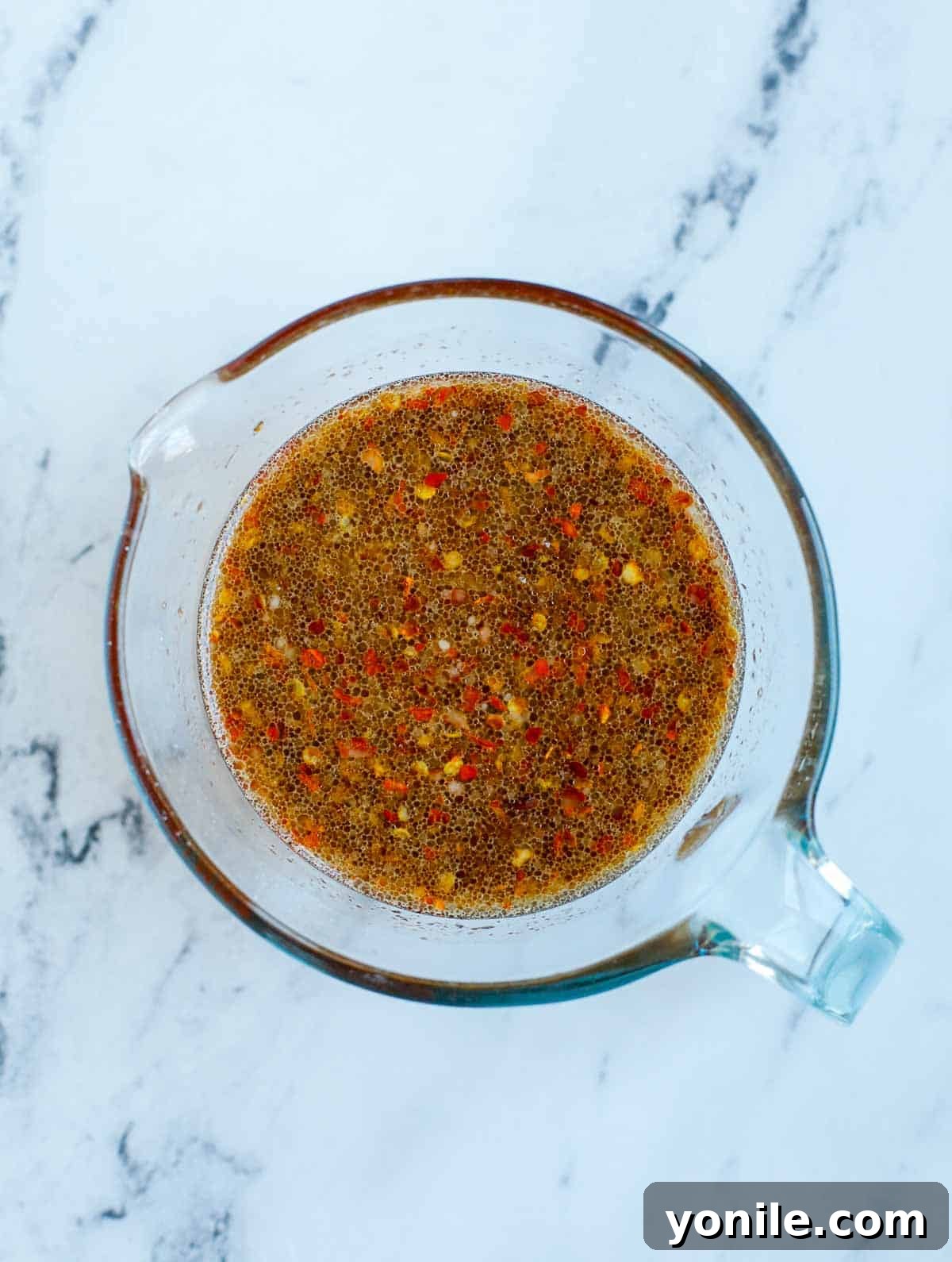
- Step 2: Prepare the Homemade Teriyaki Marinade: In a small bowl or a measuring cup, combine all the ingredients for the teriyaki sauce: orange juice, vegetable oil, rice vinegar, soy sauce (low sodium preferred), corn starch, grated fresh ginger, minced garlic, chili flakes (if using), brown sugar, and water. Whisk thoroughly until the cornstarch is fully dissolved and all ingredients are well combined. Set this flavorful mixture aside.
- Step 3: Prepare and Marinate the Salmon: Gently pat your salmon fillets dry with a paper towel. This step is crucial for helping the marinade adhere better and promoting a slightly crisper exterior. Lightly spray a baking dish with olive oil to prevent sticking. Carefully transfer the salmon fillets into the prepared dish. Now, pour the homemade teriyaki sauce generously over each salmon fillet, ensuring they are well coated. While you can bake it immediately, allowing the salmon to marinate in the refrigerator for at least 15-30 minutes (or even up to an hour) will deepen the flavors significantly.
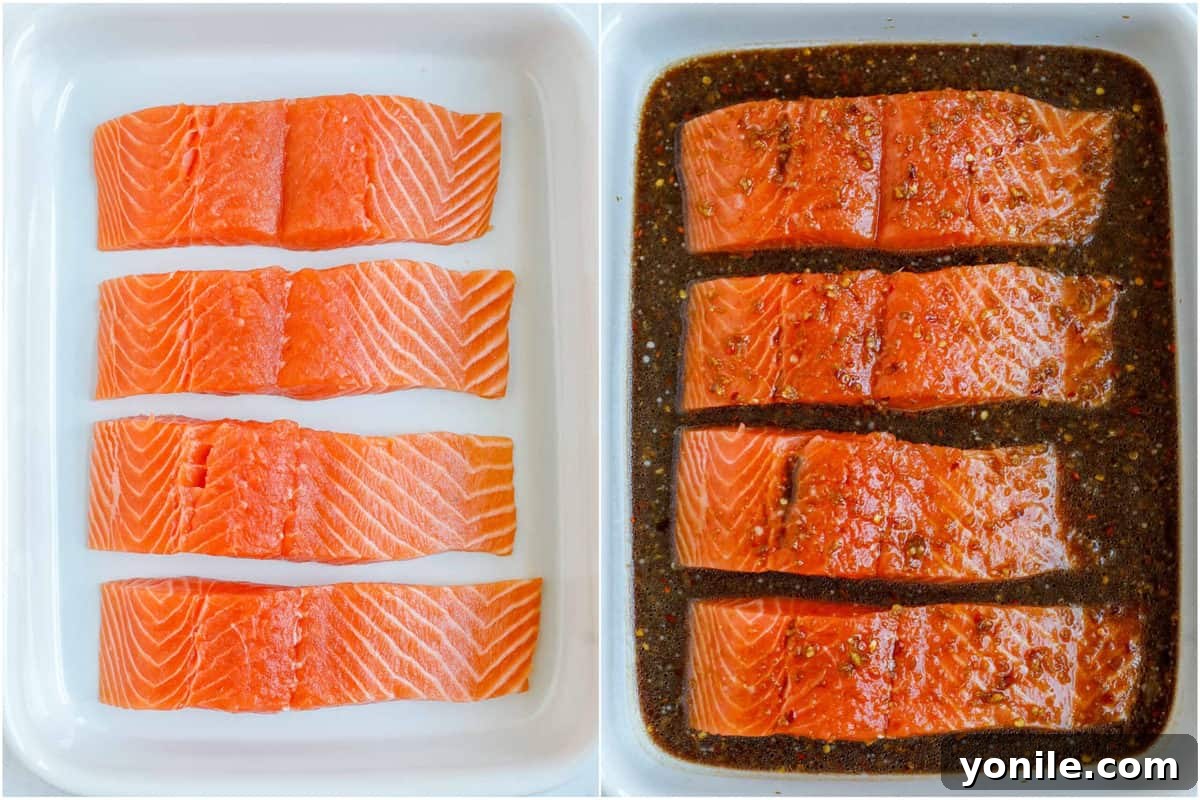
- Step 4: Bake to Perfection: Place the baking dish with the marinated salmon into your preheated oven. Bake for approximately 12-15 minutes. The exact cooking time may vary slightly depending on the thickness of your salmon fillets. The salmon is perfectly cooked when it becomes opaque throughout and flakes easily with a fork. Be careful not to overcook, as salmon can dry out quickly.
- Step 5: Glaze and Garnish: Once the salmon is cooked to perfection, carefully remove the baking dish from the oven. Using a spoon, gently scoop some of the flavorful sauce from the bottom of the dish and drizzle it over the salmon fillets. This step adds an extra layer of glaze, enhancing both flavor and visual appeal. Finally, sprinkle generously with sesame seeds and chopped green onions before serving for a fresh crunch and vibrant presentation.
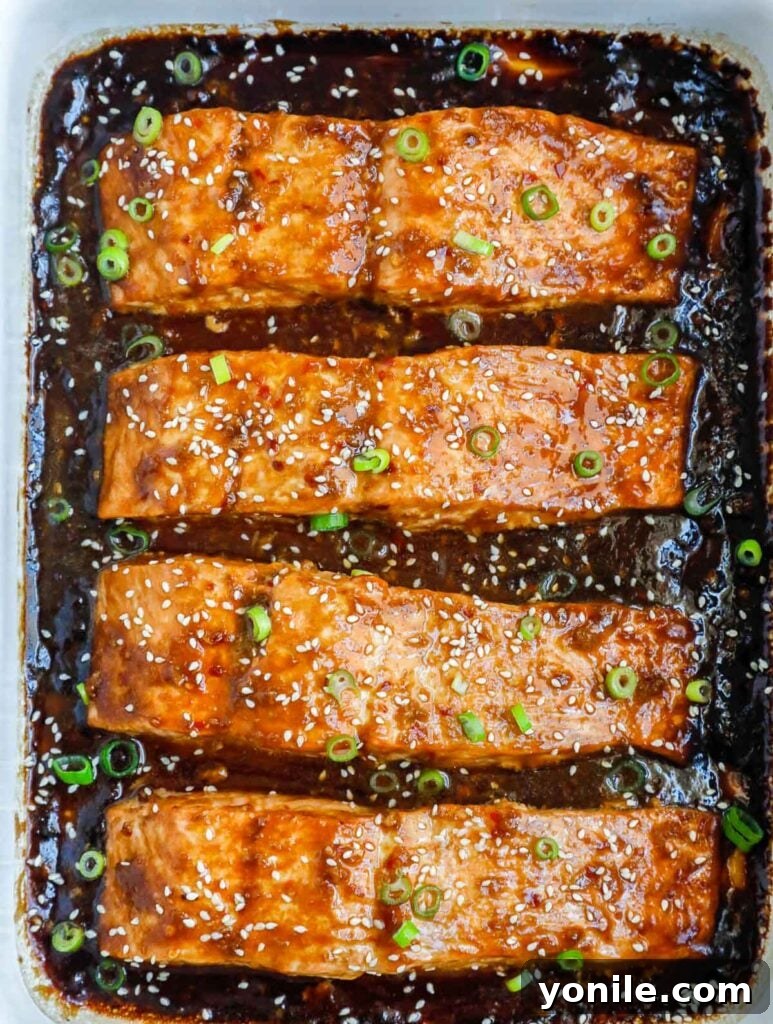
Expert Tips for the Most Delicious Baked Teriyaki Salmon
Achieving restaurant-quality Baked Teriyaki Salmon at home is easier than you think with these expert tips:
- Expedited Dinner Solution: In a pinch for time? While our homemade teriyaki sauce is incredible, a high-quality store-bought teriyaki sauce can be a fantastic shortcut to get dinner on the table even faster. Just be sure to check the ingredient list for natural components.
- Choosing Your Salmon: The foundation of a great salmon dish is, naturally, great salmon. Whenever possible, opt for wild-caught salmon varieties, such as Sockeye or King salmon, known for their richer flavor and higher Omega-3 content. If wild-caught isn’t available, look for responsibly farmed salmon that is raised without antibiotics and offers a good balance of flavor and sustainability.
- Fresh vs. Frozen: This recipe works beautifully with both fresh and frozen salmon. If using frozen fillets, it’s essential to thaw them properly. The best method is to transfer them to the refrigerator overnight. If you forget, a quick thawing method involves placing the sealed fillets in a bowl of cold water, changing the water every 30 minutes, until fully defrosted.
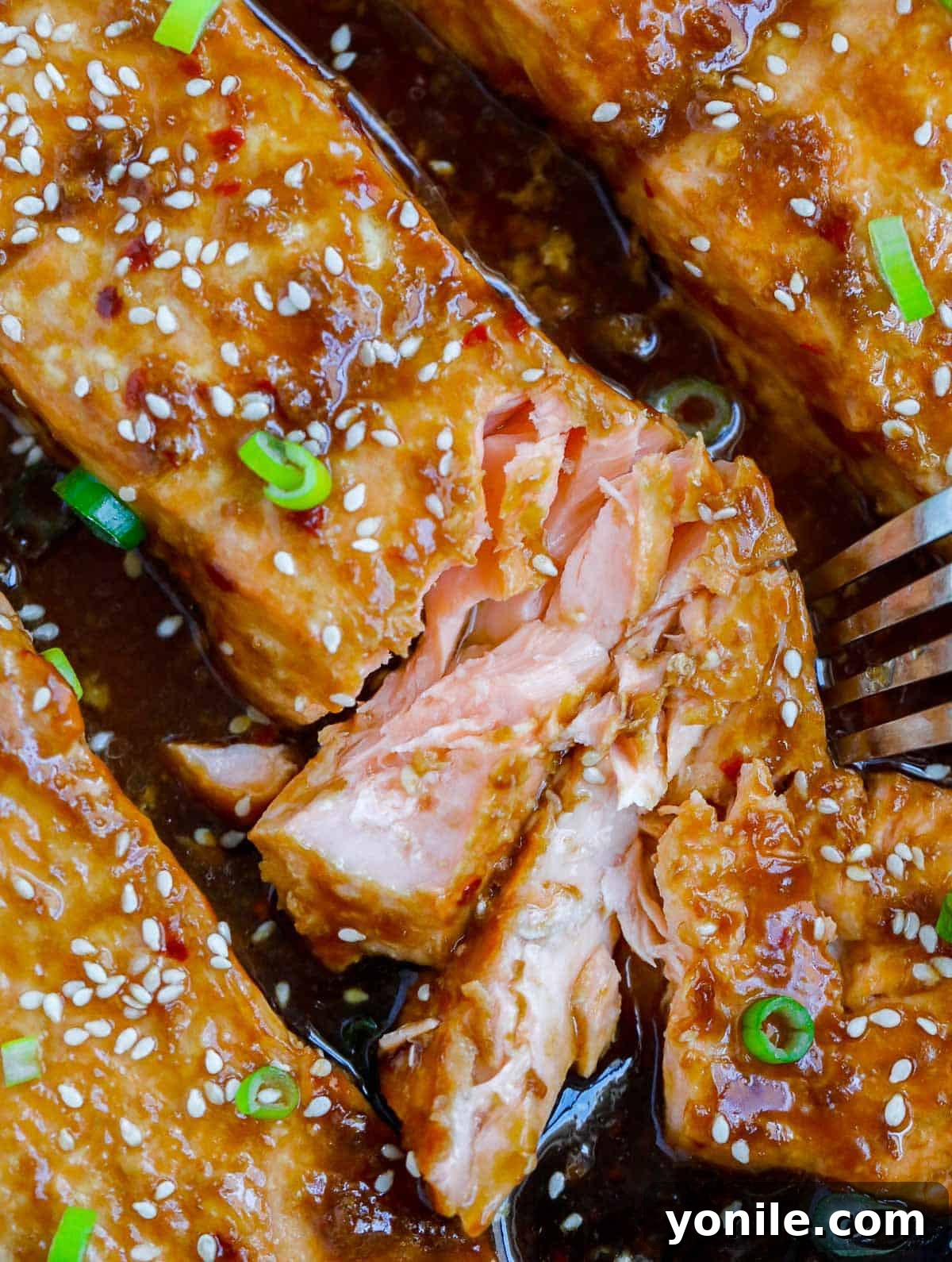
- Mastering Salmon Doneness: Salmon can go from perfectly cooked to dry and tough in a matter of minutes. The USDA recommends cooking salmon to an internal temperature of 145°F (63°C). A meat thermometer is your best friend here, inserted into the thickest part of the fillet. If you don’t have one, the “flake test” is a reliable alternative: insert a fork into the thickest part and gently twist. If the salmon flakes easily and is opaque throughout, it’s done. A slightly translucent center means it needs a little more time.
- Boosting Flavor with Marinade Time: While this recipe allows for immediate baking, a longer marination time (30 minutes to an hour in the fridge) allows the salmon to absorb more of the teriyaki sauce’s complex flavors. For a truly deep flavor, you can even marinate it for up to 4 hours, though typically 30 minutes is sufficient for excellent results.
- Perfect Oven Temperature: Baking salmon at 400°F (200°C) is ideal because it’s hot enough to create a slightly caramelized, crispy exterior while ensuring the interior cooks through without drying out. This higher temperature also means a quicker cooking time, perfect for busy evenings.
- The Power of Glazing: Don’t skip the step of spooning the pan sauce over the salmon after it’s baked! As the salmon cooks, the teriyaki sauce reduces and thickens, concentrating its flavors. Re-coating the salmon with this rich, reduced glaze adds an incredible sheen and intensifies the taste, making each bite even more delicious.
- Versatile Serving Suggestions: Baked Teriyaki Salmon pairs wonderfully with a variety of sides. Some of my favorite accompaniments include fluffy white or brown rice to soak up the extra sauce, quinoa for an added protein boost, a fresh green salad for a light contrast, or roasted vegetables like broccoli, asparagus, or bell peppers. For a heartier meal, consider serving it alongside baked potatoes or even mashed sweet potatoes.
- Flavor Variations: Feel free to customize! Add a squeeze of fresh lime juice after baking for a zesty kick, or sprinkle with a pinch of red pepper flakes during marination for a spicier teriyaki. You can also add some quick-cooking vegetables like snap peas or bell peppers to the baking dish during the last 5-7 minutes of cooking for a complete sheet pan meal.
Frequently Asked Questions About Baked Teriyaki Salmon
Here are answers to some common questions about preparing and enjoying your Baked Teriyaki Salmon:
For optimal texture and flavor, the best method is to thaw salmon slowly in the refrigerator overnight. Simply transfer the frozen fillets from the freezer to the fridge the night before you plan to cook them. If you need a quicker solution, place the sealed salmon fillets in a large bowl of cold water. Change the water every 30 minutes to keep it cold. Depending on the size and thickness of your fillets, this method typically takes about 30 minutes to 1 hour to fully defrost.
Any leftover Baked Teriyaki Salmon should be stored promptly in an airtight container and refrigerated. It will remain fresh and delicious for up to 3 days. For best results, allow the salmon to cool completely before refrigerating.
You have the option to bake salmon either covered or uncovered, and each method yields slightly different results. I personally prefer cooking salmon uncovered. This method allows the exterior of the salmon to crisp up beautifully and the teriyaki glaze to caramelize, creating a more appealing texture and richer flavor. If you prefer a very moist, steamed texture, covering the dish loosely with foil for the first part of baking can help.
The most accurate way to determine if salmon is done is by using an instant-read meat thermometer. Insert it into the thickest part of the fillet; it should read 145°F (63°C). If you don’t have a thermometer, you can perform the “flake test.” Gently insert a fork into the thickest part of the salmon and twist. If the flesh easily separates into flakes and appears opaque throughout, it’s ready. Undercooked salmon will resist flaking and look translucent in the center. If it’s undercooked, simply return it to the oven for a few more minutes until done.
I find that baking salmon at 400°F (200°C) is ideal. This temperature is neither too high nor too low, allowing the salmon to cook relatively quickly while achieving a slightly crisp exterior and remaining moist and tender on the inside. For average 1-inch thick fillets, this typically takes about 12-15 minutes. Remember that cooking time will always vary based on the exact thickness of your salmon cuts.
Yes, absolutely! Leftover salmon can be reheated, and the key is to do it slowly at a lower temperature to prevent it from drying out. An ideal method is to reheat it in an oven preheated to 275°F (135°C) for about 12-15 minutes, or until warmed through. An air fryer is also an excellent option for reheating, offering a crispy finish. If you’re in a hurry, the microwave works, but be mindful to use short bursts of heat to avoid overcooking and drying out the fish.
Baked Teriyaki Salmon is incredibly versatile and pairs well with many side dishes. Here are some highly recommended options that complement its flavors beautifully:
Roasted Garlic Mashed Potatoes: Creamy and flavorful, a comforting choice.
Cheesy Broccoli Bites: A fun way to get your greens, adding a cheesy twist.
Crispy Potato Wedges: A satisfying, crunchy accompaniment.
Easy Mashed Sweet Potatoes: Offers a different kind of sweetness and richness that complements teriyaki well.
Other great choices include steamed white or brown rice, quinoa, a simple garden salad, or sautéed green beans.
Explore More Delicious Salmon Recipes
If you love the versatility and health benefits of salmon, be sure to check out these other fantastic recipes from my collection:
- Teriyaki Salmon Bites: A fun, appetizer-friendly twist on classic teriyaki salmon.
- Spicy Salmon Salad: A refreshing and vibrant salad perfect for lunch or a light dinner.
- Air Fryer Salmon Recipe: For those who love the convenience and crispiness that an air fryer offers.
- Creamy Tuscan Salmon: A rich and indulgent salmon dish with sun-dried tomatoes and spinach.
I genuinely hope you find as much joy in preparing and savoring this Baked Teriyaki Salmon recipe as I do. It’s truly a go-to meal that never disappoints. Please give it a try, experience its delightful flavors, and consider leaving a rating and comment below. Your feedback helps immensely! Don’t forget to share your delicious creations with me on INSTAGRAM using my hashtag so I can see your culinary masterpieces! For all my latest recipes, cooking tips, and social posts, be sure to follow Cookin’ With Mima on FACEBOOK, INSTAGRAM, and PINTEREST.
Pin
Baked Teriyaki Salmon
Ingredients
- 32 oz. salmon fillet, 4 center cut 8 oz. each, skinless, boneless
- olive oil spray
- sesame seeds, optional, for garnishing
- green onions, sliced, for garnishing
Teriyaki Marinade Sauce
- ½ cup orange juice, preferably fresh
- 2 tbsps. vegetable oil
- 2 tsps. rice vinegar
- ¼ cup soy sauce, low sodium or light
- 1½ tbsp. corn starch
- 1½ tbsp. fresh ginger, grated
- 3 cloves garlic, minced, fresh
- ½ tsp. chili flakes
- 3 tbsps. brown sugar
- ¼ cup water
Instructions
-
Preheat your oven to 400°F (200°C).
-
In a small bowl or cup, whisk together all the teriyaki sauce ingredients until well combined and the cornstarch is dissolved. Set aside.
-
Pat the salmon fillets dry with paper towel. Lightly spray a baking dish with olive oil. Transfer the salmon into the dish.
-
Pour the prepared teriyaki sauce evenly over the salmon. You can bake it immediately or let it marinate in the fridge for 15-30 minutes for deeper flavor.
-
Bake the salmon in the preheated oven for 12-15 minutes, or until it’s fully cooked through and flakes easily with a fork (internal temperature should reach 145°F/63°C).
-
Once cooked, remove the dish from the oven. Spoon some of the delicious, reduced sauce from the bottom of the dish over the salmon to give it an extra glaze.
-
Garnish generously with sesame seeds and sliced green onions before serving warm.
Notes
- For a faster dinner, you can use a high-quality store-bought teriyaki sauce.
- Always choose the best salmon you can find. Wild-caught varieties are often preferred for flavor, but responsibly raised farmed salmon is also excellent.
- Both frozen and fresh salmon work well. Remember to thaw frozen salmon in the fridge overnight or using the cold water method.
- Avoid overcooking salmon; it can dry out quickly. Aim for an internal temperature of 145°F (63°C) or check for easy flaking with a fork.
- This baked teriyaki salmon pairs wonderfully with white rice, brown rice, quinoa, a fresh salad, or baked/mashed potatoes.
Nutrition
Like this recipe? Rate and comment below!