
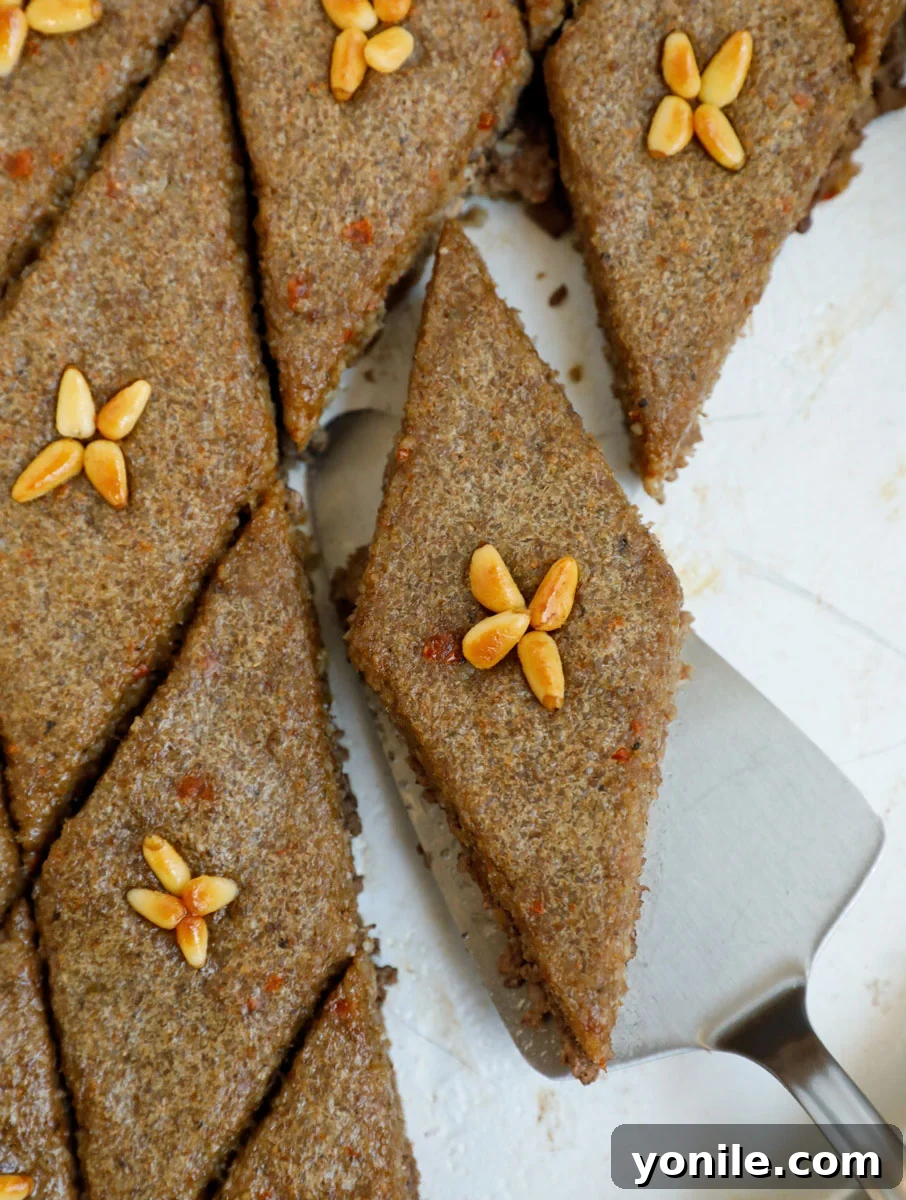
Authentic Lebanese Baked Kibbeh (Kibbeh bil Sanieh): A Timeless Middle Eastern Delicacy
Baked Kibbeh, known in Arabic as Kibbeh bil Sanieh, is more than just a dish; it’s a culinary cornerstone of Lebanon and a universally cherished staple across the entire Middle East. This exquisite recipe presents a harmonious blend of two meticulously prepared layers of finely ground beef and bulgur, artfully encasing a richly spiced and sautéed filling of ground beef, aromatic onions, and delightfully toasted pine nuts. It’s a dish that symbolizes the warmth of family gatherings and the intricate tapestry of Lebanese culinary heritage.
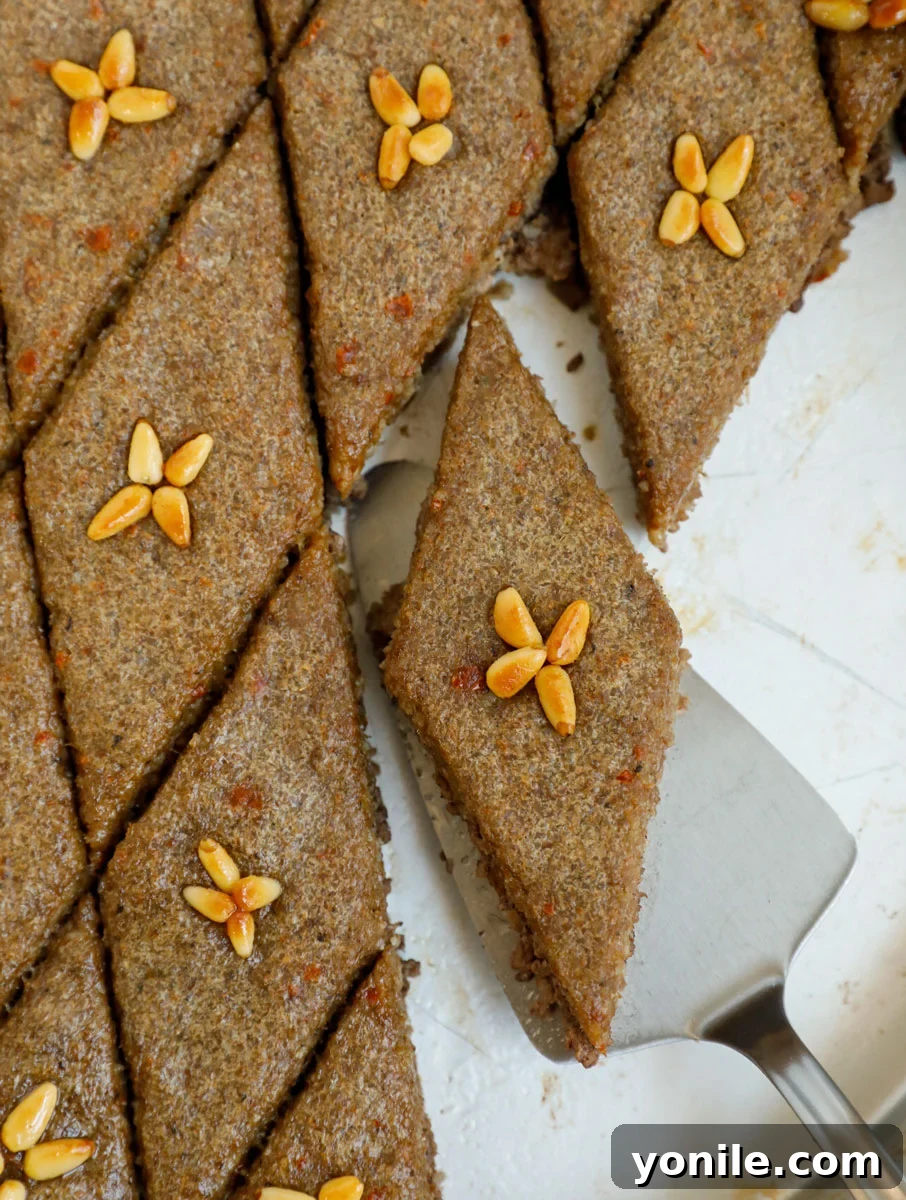
Growing up in a traditional Lebanese home, Baked Kibbeh held a deeply special place at our dinner table. It was, without a doubt, one of my most beloved dishes. I recall savoring it alongside a dollop of cool, refreshing yogurt cucumber salad—a vibrant accompaniment much like the Greek Tzatziki sauce. Interestingly, even ketchup found its way onto my plate with Kibbeh, showcasing its surprisingly versatile appeal. This particular recipe, a treasured heirloom passed down through generations, has remained a timeless favorite in our household, consistently delivering joy and comfort with every tender bite. It stands as a testament to the enduring legacy of authentic Lebanese cooking, rooted in tradition and bursting with flavor.
For those eager to delve deeper into the rich and vibrant world of Lebanese gastronomy, I invite you to explore my extensive collection of Lebanese Recipes. Here, you will discover a treasure trove of dishes, each steeped in tradition and designed to be shared and enjoyed with family and friends.
What is Kibbeh? Exploring the Diverse World of Lebanon’s National Dish
At its essence, Kibbeh is a foundational and revered Lebanese dish, prepared with passion in countless homes throughout the broader Middle East. It is primarily crafted from a meticulously pureed mixture of lean ground beef, combined with nutrient-rich fine bulgur wheat and an exquisite array of fragrant spices. What truly sets Kibbeh apart is its remarkable versatility, giving rise to a multitude of regional and family-specific variations. From crispy fried delights to comforting baked casseroles, and even raw preparations or those simmered in savory sauces, there are at least seven distinct versions that beautifully showcase the culinary ingenuity and profound depth of Lebanese cooking.
- Kibbeh Balls (Kibbeh Maqliyeh) or Kebabs: These are arguably the most widely recognized form of Kibbeh. They are skillfully shaped into distinctive oval or torpedo-like balls, each carefully hollowed out and filled with a savory mixture of sautéed ground beef, finely diced onions, and toasted pine nuts. These delightful morsels are then deep-fried to achieve a perfectly golden, irresistibly crispy exterior. They frequently grace tables as an elegant appetizer or as an integral component of a traditional mezze spread.
- Kibbeh bil Sanieh (Baked Kibbeh): This is the magnificent centerpiece of our recipe today. It represents a wholesome baked interpretation, prepared in a pan with two distinct and flavorful layers of the beef and bulgur mixture. These layers artfully sandwich a generous, aromatic filling of richly spiced ground beef. Many aficionados consider this baking method to be one of the healthier ways to enjoy Kibbeh, as it retains all its robust flavor and satisfying texture without the need for deep-frying.
- Raw Kibbeh (Kibbeh Nayyeh): A true epicurean delight reserved for those with an adventurous palate, Raw Kibbeh is designed to be eaten fresh and uncooked. It features a delicate and intricate blend of finely pureed raw lean meat (traditionally lamb or beef), meticulously combined with fine bulgur, sweet onions, and an assortment of fresh herbs and vibrant spices. It is typically served with fresh mint leaves, a drizzle of high-quality olive oil, and warm pita bread, offering a profound and authentic taste of Lebanese culinary tradition.
- Arass Kibbeh: While sharing a similar base mixture with Raw Kibbeh, Arass Kibbeh diverges in its preparation. It is formed into distinctive patty shapes, reminiscent of small hamburgers, and then pan-fried until thoroughly cooked. This method provides a different textural experience and cooking style, all while preserving the beloved classic Kibbeh flavor profile.
- Kibbeh B’ Labaniyeh: This variant transforms Kibbeh balls into a wonderfully comforting and hearty stew. The golden-fried Kibbeh balls are gently simmered in a warm, tangy yogurt sauce, often fragrantly infused with garlic and fresh mint. It’s a deeply nourishing and flavorful dish, particularly popular during the cooler months, offering a soothing and truly satisfying culinary experience.
- Potato Kibbeh (Kibbet Batata): A delightful and inclusive vegan/vegetarian option, Kibbet Batata ingeniously replaces the meat component with creamy mashed boiled potatoes. These are then skillfully combined with spiced bulgur and a generous glug of olive oil. It offers a flavorful and equally satisfying alternative, brilliantly showcasing the inherent versatility of the Kibbeh concept.
- Tomato Kibbeh (Kibbet Banadoura): Another widely appreciated vegan/vegetarian variant, Kibbet Banadoura blends spiced bulgur with fresh pureed tomatoes, concentrated tomato paste, vibrant sliced green onions, and fragrant chopped fresh mint. This version offers a distinctly lighter and fresher taste profile, making it a perfect choice for a refreshing and wholesome meal.
Each of these fascinating Kibbeh variations offers a distinct culinary journey, yet all are united by their inherent quality of being incredibly flavorful, wonderfully filling, and deeply satisfying. You genuinely cannot make a wrong choice, regardless of which version you opt to prepare. In my own family, the Baked Kibbeh (Kibbeh bil Sanieh) and Kibbeh Balls are the undisputed favorites, proving to be exceptionally kid-friendly options for delightful family meals.

Mastering the Art of Homemade Baked Kibbeh (Kibbeh bil Sanieh)
Crafting the perfect Baked Kibbeh is a true labor of love, yielding an incredibly satisfying and immensely flavorful dish that will impress everyone at your table. To streamline the process and ensure a smooth, enjoyable cooking experience, I will guide you through my personal, step-by-step approach. This method involves meticulously preparing all the individual components first, and then bringing them together in a thoughtful sequence for the final assembly, guaranteeing a flawless result every time.
Step 1: Preparing the Bulgur – The Essential Foundation of Your Kibbeh Dough
The journey to creating truly exquisite Kibbeh begins with the proper preparation of bulgur wheat. Bulgur, an indispensable staple in Middle Eastern cuisine, is available in various grinds. For Kibbeh, especially for the baked variety like Kibbeh bil Sanieh, #1 fine cracked wheat bulgur is the optimal choice. Its delicate texture, once thoroughly hydrated, seamlessly integrates with the ground meat to form the distinctive and tender Kibbeh crust.
- Soaking Instructions: Approximately 1 to 2 hours before you intend to commence the assembly of your Kibbeh, combine 1 cup of fine bulgur with 1.5 cups of lukewarm water in a suitable bowl. It is crucial to ensure that the bulgur is completely submerged in the water. The key to success here is patience; the bulgur requires ample time to fully absorb the water and soften thoroughly. It should become tender, plump, and easily compressible between your fingers before you proceed to the subsequent steps. Proper and complete soaking is paramount for achieving the desired, cohesive texture in your Kibbeh mixture, preventing it from being either too coarse or excessively dry.

Step 2: Crafting the Aromatic Kamouneh Spice and Bulgur Mixture
Kamouneh is far more than just a spice mix; it is, in essence, the vibrant aromatic soul of Kibbeh. This distinct and complex blend infuses the bulgur with a rich tapestry of flavors that are unmistakably Lebanese. While commercially pre-ground Kibbeh spice is readily available, preparing your own Kamouneh from scratch allows for a uniquely fresh, vibrant, and potent flavor that significantly elevates the entire dish.
What is Kamouneh? Unveiling the Signature Kibbeh Spice Blend
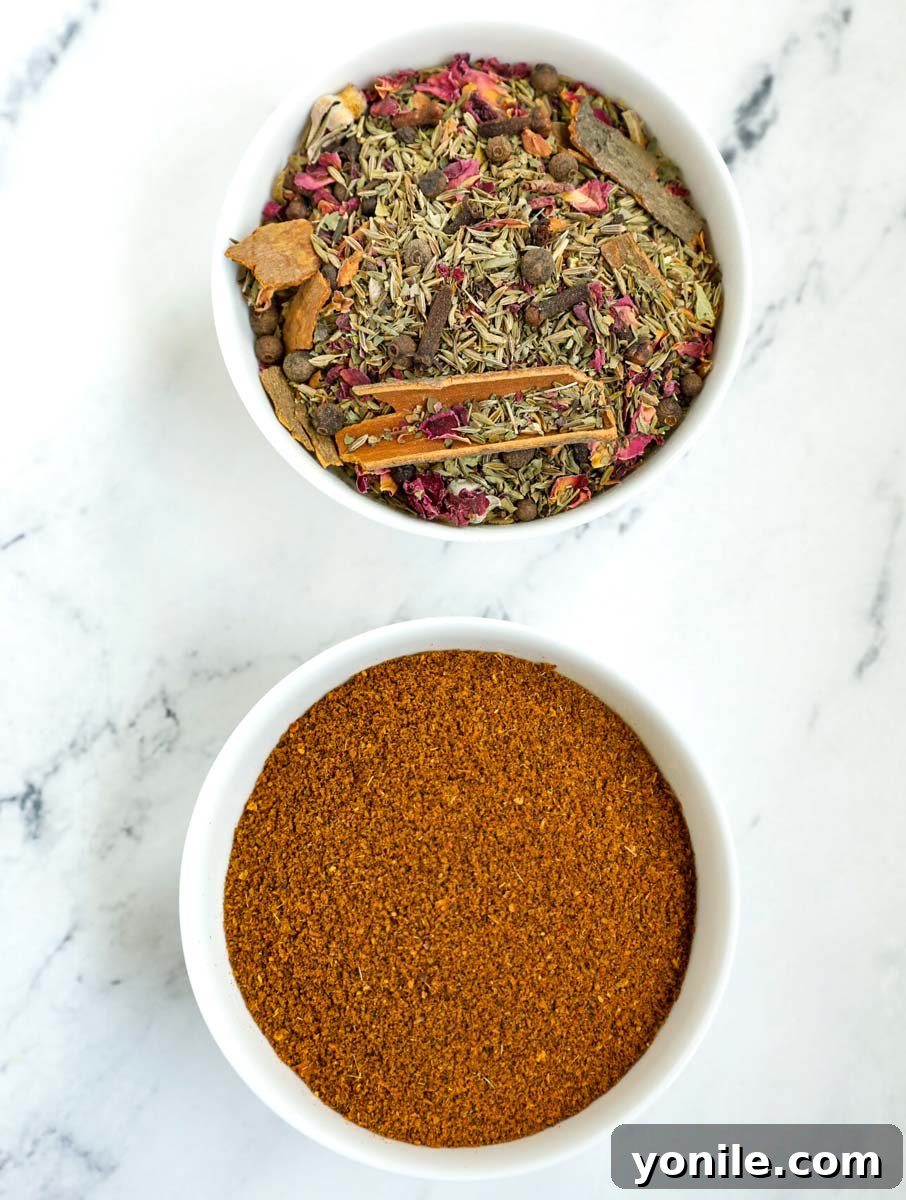
The traditional Kamouneh spice blend is a highly fragrant and meticulously crafted concoction deeply embedded in Middle Eastern culinary heritage. It typically comprises a careful selection of spices such as earthy cumin seeds, refreshing dried mint, the robust “7 Spice” blend (which itself is a complex mix often including allspice, black pepper, cinnamon, nutmeg, cloves, coriander, and cardamom), aromatic dried basil, warm cinnamon, pungent black peppercorns, herbaceous marjoram, and sometimes even delicate rose petals for a subtle, enchanting floral note. Each individual ingredient contributes harmoniously to the unique depth and comforting warmth that unequivocally defines authentic Kibbeh. You can often find excellent pre-made Kibbeh spice blends at any reputable Middle Eastern grocery store, or conveniently source them online through various specialty retailers. Some stores may offer the spices in their whole form, providing you with the opportunity to grind them fresh for maximum potency and aroma, while others provide them already ground, saving you a valuable step in the preparation process. The mere aroma of freshly ground Kamouneh is often enough to instantly transport one to a bustling, vibrant Lebanese kitchen.
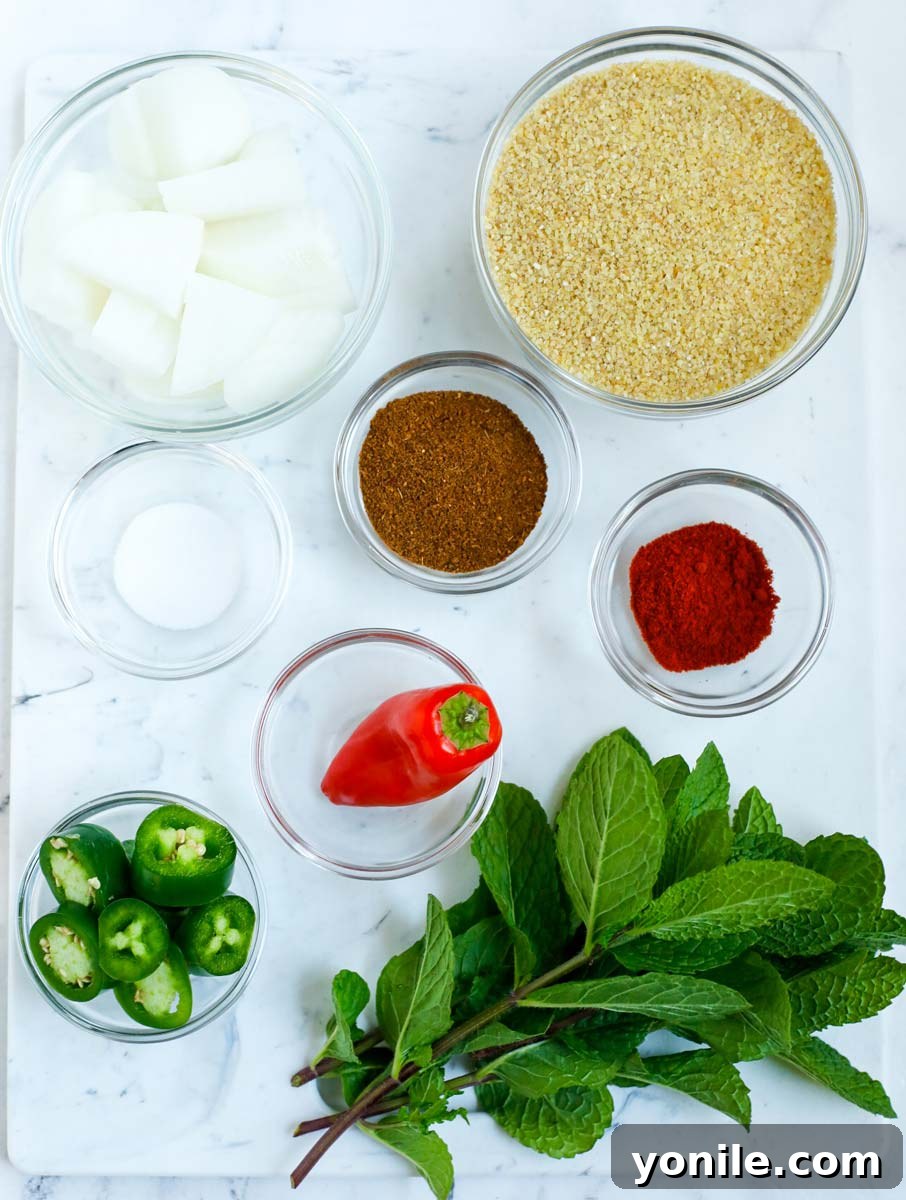
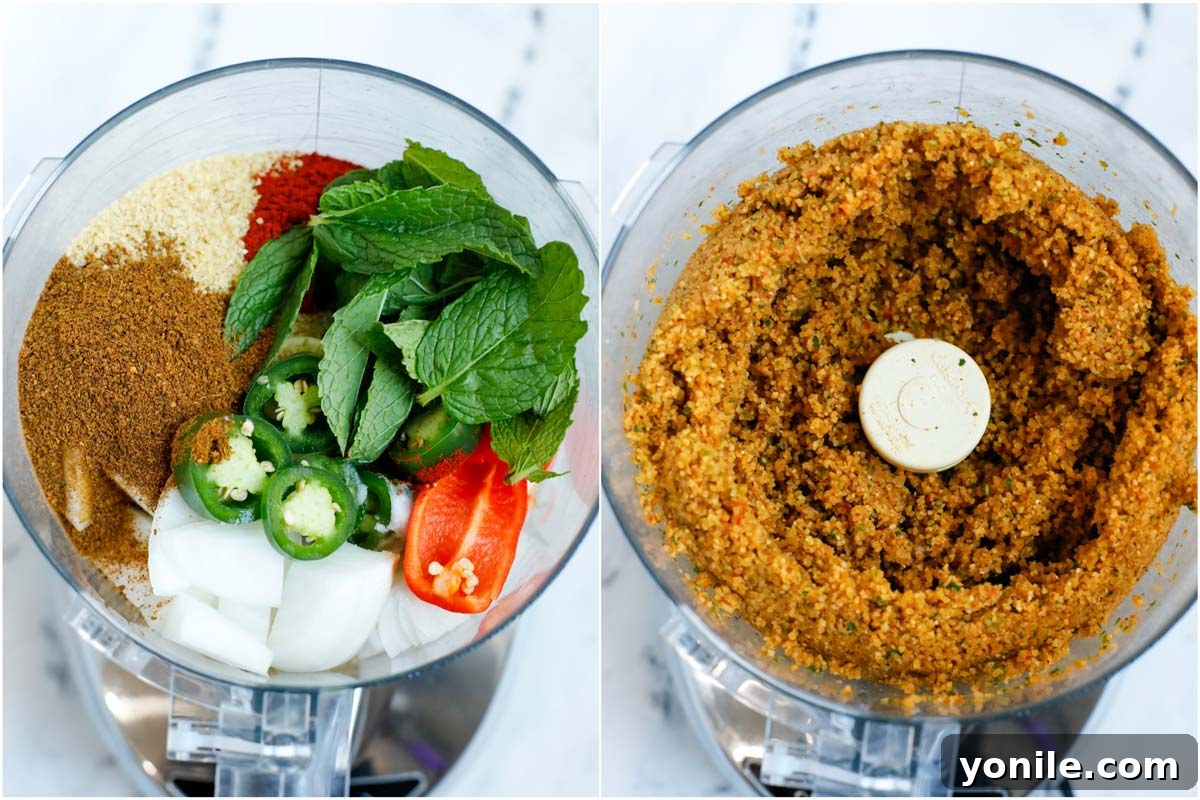
- Kamouneh Mixture Ingredients: To create the vibrant and intensely flavored spiced bulgur mixture for your Kibbeh, you will need several key components: the previously soaked #1 fine cracked wheat bulgur, a medium-sized onion, a small red baby bell pepper (or a quarter of a larger red bell pepper for its appealing sweetness and color contribution), a generous handful of fresh mint leaves for their bright, cooling, and aromatic qualities, salt to meticulously enhance all the other ingredients, a small jalapeño pepper for a subtle and customizable kick of heat (adjusting to your personal spice preference), a substantial amount of your homemade or high-quality store-bought Kibbeh spice, and finally, a touch of red bell pepper powder or paprika, not only for an additional layer of mild flavor but also to impart a beautiful, appetizing, and deep reddish hue to the mixture.
- Preparation Method: Once you have meticulously gathered and prepared all your Kamouneh ingredients, carefully place them into the bowl of a food processor. Process the mixture thoroughly until all the vegetable chunks are completely pulverized and no longer visible. The ultimate goal is to achieve a finely blended, almost paste-like consistency, free from any discernible pieces of vegetable. Transfer this vibrant and aromatic mixture to a clean bowl, give it a gentle fluff with a fork, and cover it. Allowing it to sit for a while is beneficial as it permits the complex flavors to meld and harmonize, and the bulgur continues to soften, thereby creating an even more cohesive and flavorful base for your Kibbeh.
Step 3: Preparing the Savory Spiced Beef Filling (Hashweh)
The “Hashweh,” or spiced beef filling, is undeniably the heart and soul of your Baked Kibbeh. It’s a wonderfully flavorful, rich, and aromatic mixture that provides a delightful textural and taste contrast to the tender outer bulgur-meat crust. Achieving the perfect balance of flavor and texture in the Hashweh is absolutely paramount for creating a truly authentic and unforgettable Kibbeh experience.
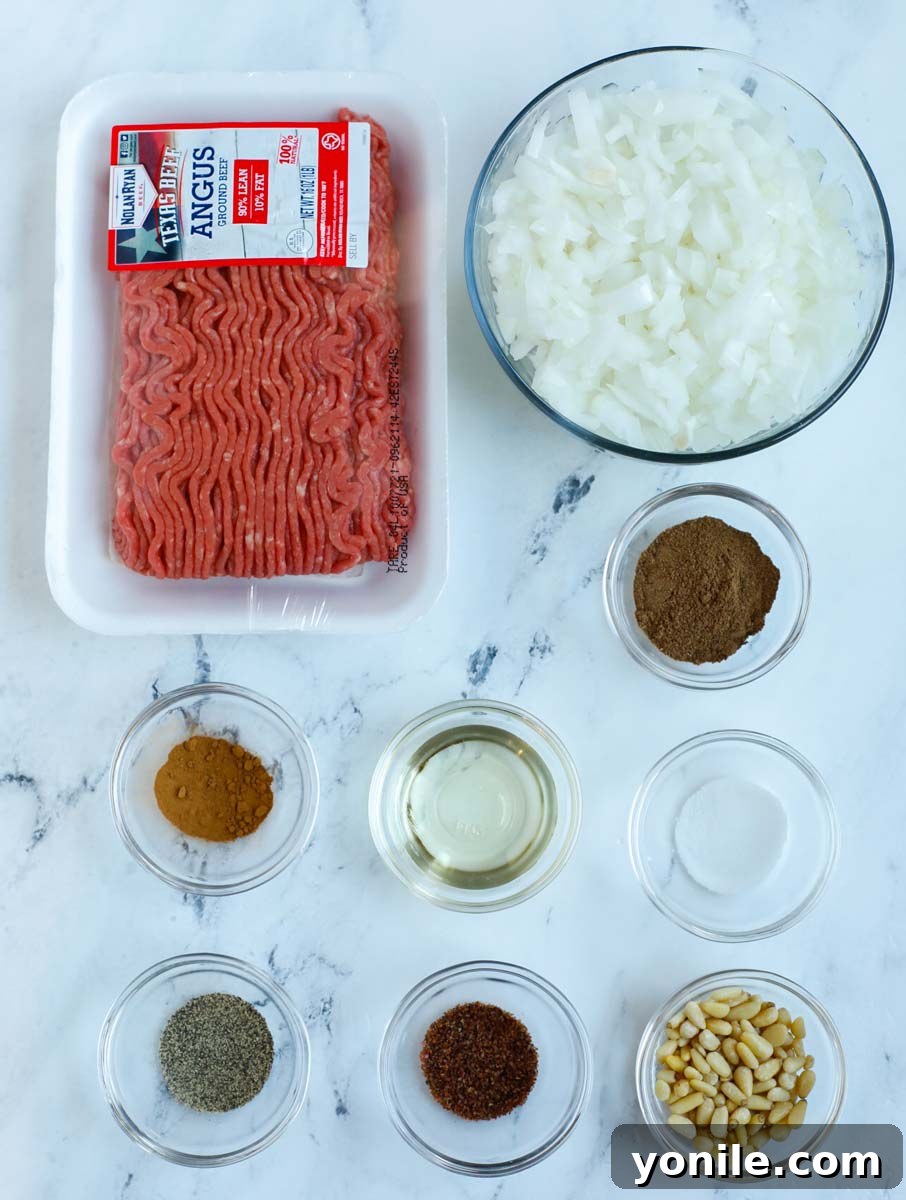
- Hashweh Ingredients: For this exquisitely savory filling, you will require a medium to large onion, finely diced; lean ground beef, preferably with a low fat content; a touch of vegetable oil for perfectly sautéing the components; and a generous amount of delicate pine nuts. The essential spices typically include a fragrant Middle Eastern 7 spice blend, freshly ground black pepper, fine sea salt, sumac for its characteristic tangy note, and warm cinnamon, all contributing collectively to the Hashweh’s incredibly rich and complex aromatic profile.
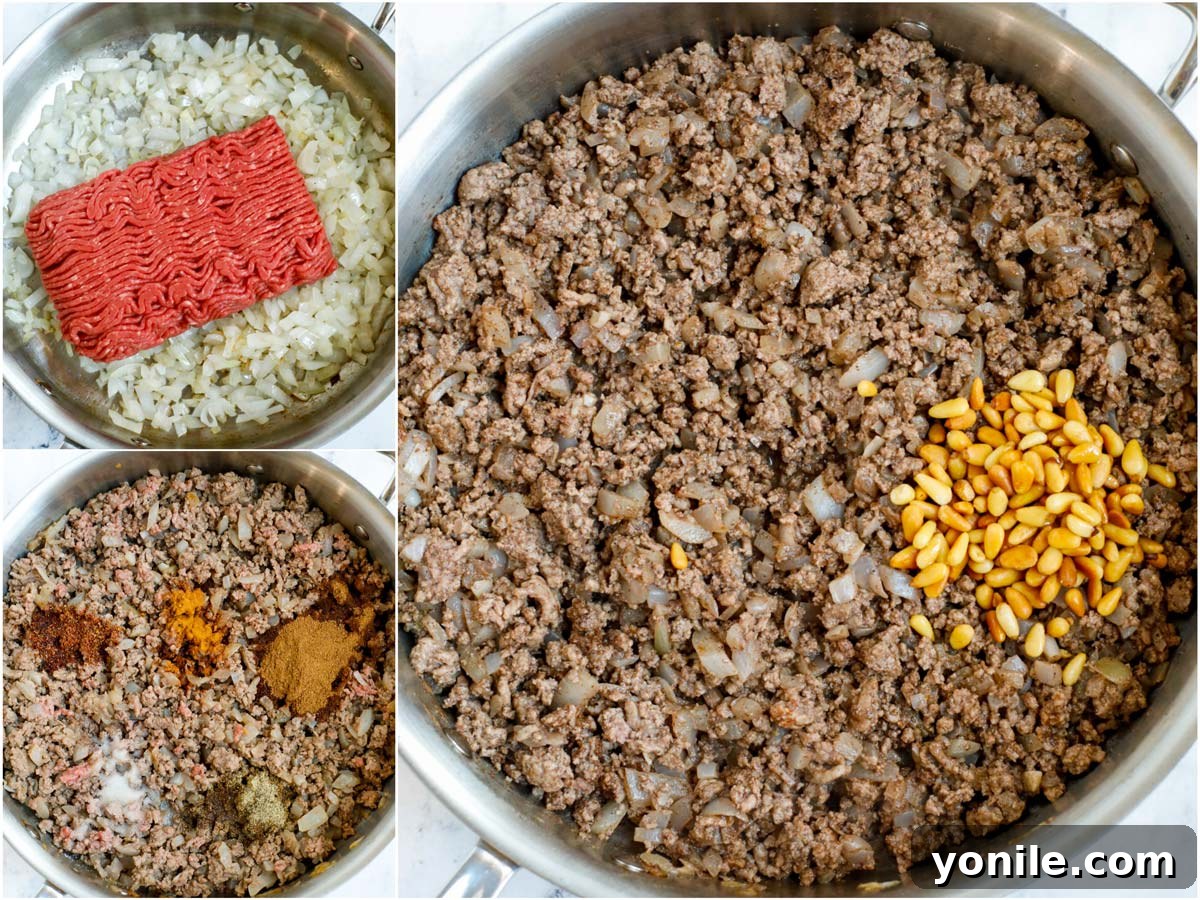
- First, thoroughly heat a large non-stick skillet over medium heat. Begin by lightly frying the raw pine nuts until they develop a beautiful, inviting golden-brown hue. Exercise caution during this step, as pine nuts can notoriously burn very quickly! Once perfectly toasted, promptly remove them from the pan and set them aside. They will impart a delightful crunch and a wonderfully nutty flavor to the filling.
- Next, add a small amount of additional oil to the same skillet if necessary, and then sauté the finely chopped onions until they become exquisitely translucent and tender. Remove these cooked onions and set them aside with the toasted pine nuts.
- Now, add the lean ground beef to the skillet and thoroughly sauté it, diligently breaking it up with a spoon, until all of its liquids have completely evaporated and the beef is thoroughly cooked and beautifully browned.
- Once the beef is perfectly cooked, return the sautéed onions to the pan with the beef. Add in all the specified spices: the 7 spice blend, black pepper, salt, sumac, and cinnamon. Continue to gently sauté the mixture for another 2 minutes, ensuring that the ground beef completely absorbs all the fragrant spices. This crucial step allows the complex flavors to deepen and meld together beautifully.
- Finally, remove the skillet from the heat and gently fold in the fried pine nuts. Mix everything thoroughly to combine all the ingredients. Allow the Hashweh to cool slightly before proceeding to assemble the Kibbeh.
Step 4: Preparing the Silky Pureed Beef for the Kibbeh Shell
While some recipes might suggest combining the raw ground beef directly with the bulgur and spices, my grandmother’s traditional method, which I wholeheartedly endorse for its superior results, involves pureeing the beef separately first. This crucial preliminary step ensures an exceptionally smooth, almost paste-like consistency. This fine texture is absolutely vital for creating the perfect, tender Kibbeh shell that not only holds its beautiful shape throughout baking but also melts delicately in your mouth with every bite.
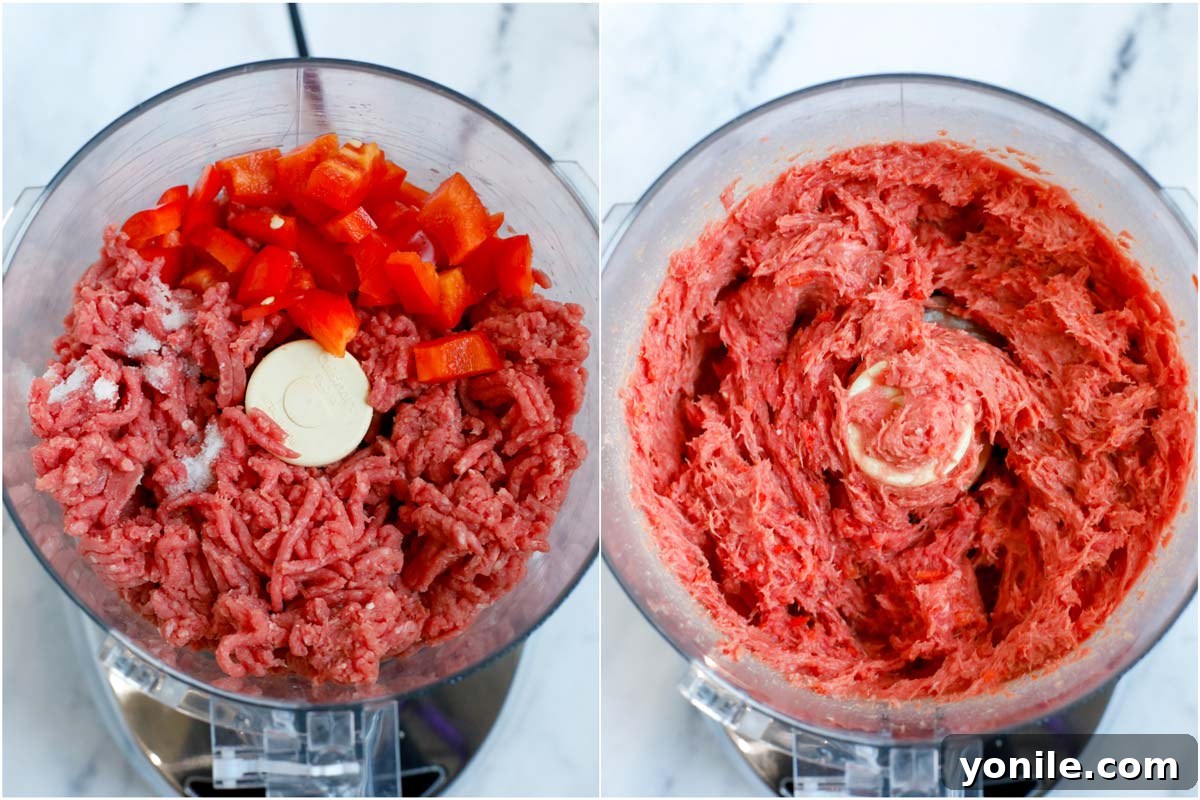
- Pureed Beef Ingredients: For this essential component, you will require very lean ground beef (which is paramount for raw preparation or achieving a finely pureed texture), a small red bell pepper (cubed for much easier and more efficient processing), and a measured amount of salt to perfectly season the beef. The addition of the bell pepper not only contributes a subtle underlying sweetness and a hint of appealing color but also significantly aids in achieving the desired exceptionally smooth texture.
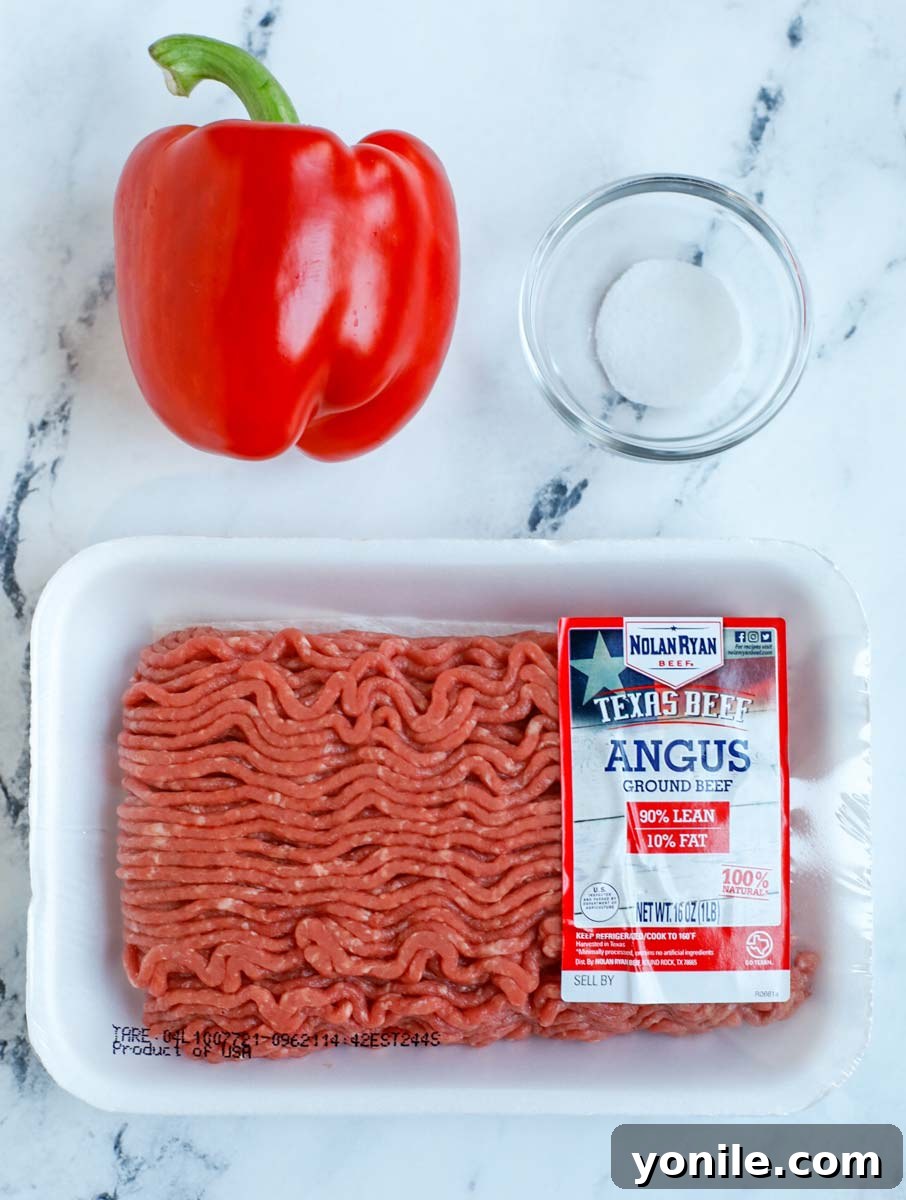
- Pureeing Process: Carefully place the very lean ground beef, the cubed red bell pepper, and the salt into the bowl of a food processor. Process these ingredients together diligently until the ground beef transforms into a wonderfully smooth, almost velvety paste. There should be absolutely no visible chunks of meat or pepper remaining. If your food processor is on the smaller side, it is highly advisable to work in two separate batches to ensure thorough and completely even pureeing, thereby guaranteeing that perfect, fine texture for your Kibbeh shell.
Step 5: Creating the Perfect Kibbeh Dough – Blending Beef and Bulgur
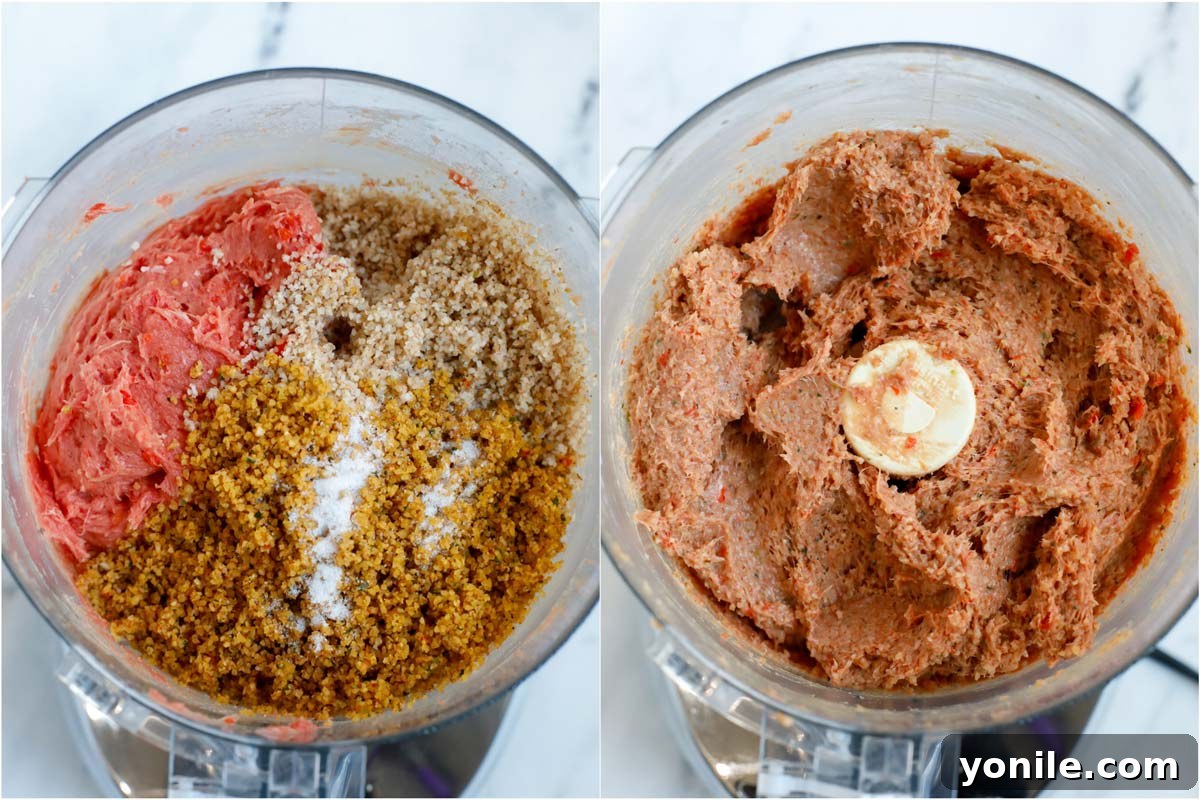
Now we arrive at the pivotal stage of combining the meticulously pureed beef with the aromatic spiced bulgur to form the cohesive Kibbeh dough. The ultimate objective is to achieve a pliable, consistently soft mixture that can be effortlessly spread and shaped without any cracking or crumbling. This critical step demands a robust food processor and a little patience to attain the ideal, smooth consistency.
- For the most optimal results, particularly if your food processor possesses a smaller capacity, it is highly recommended to work in two separate batches. For each half-batch, carefully combine half of the freshly pureed beef with 1 cup of the prepared spiced bulgur (Kamouneh) mixture, 1 cup of the previously soaked and perfectly fluffed bulgur, and a judicious dash of salt to taste.
- Process these combined ingredients thoroughly in the food processor until they are completely integrated and form a uniform, remarkably paste-like dough. During this processing, you will very likely need to gradually add a few tablespoons of water, approximately 3-4 tablespoons for each half-batch. This strategic addition of water is absolutely crucial for rendering the mixture soft and pliable enough to spread with ease, effectively preventing it from drying out or becoming overly stiff. The final dough should be wonderfully smooth, cohesive, and perfectly ready for shaping.
Step 6: Assembling and Baking Your Kibbeh bil Sanieh to Perfection
With all your individual components expertly prepared, the moment has arrived for the artful assembly, transforming your separate ingredients into a singular, beautiful, and utterly delicious Baked Kibbeh. This process, while it might initially appear intricate, becomes surprisingly straightforward once you grasp the technique, culminating in a stunning, layered culinary masterpiece that is as delightful to behold as it is to taste.
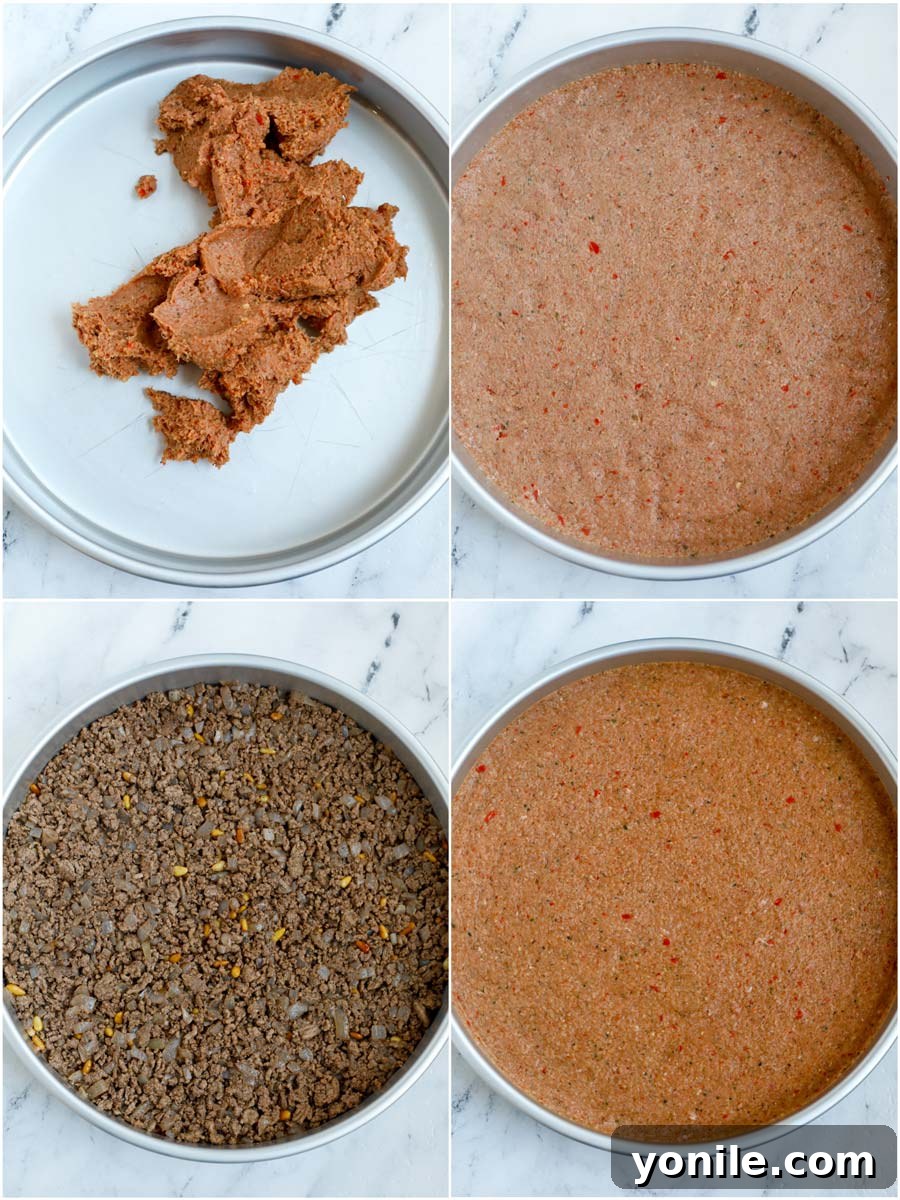
- First Layer – The Foundation: Divide your meticulously prepared Kibbeh dough mixture into two perfectly equal portions. Take one half and generously grease a non-stick baking tray or oven-safe dish with your preferred cooking oil. To facilitate easier and smoother spreading, lightly moisten your palm with a little water. Using your wet hand, evenly spread the first half of the Kibbeh mixture across the entire base of the pan, pressing it down firmly and uniformly to create a compact, sturdy, and seamless foundational layer.
- Second Layer – The Flavorful Core: Carefully and evenly spread the cooled Hashweh, your savory and aromatic spiced ground beef filling, over the entire surface of the first layer of Kibbeh dough. Ensure the filling covers the entire surface, extending close to the edges for maximum flavor in every single bite.
- Third Layer – The Elegant Top Crust: Now, take the second half of the Kibbeh mixture. Since you cannot press down as vigorously on this layer without inadvertently disturbing the Hashweh beneath, add the Kibbeh dough in small, strategic portions, carefully placing them to cover the filling completely. Use your wet palm to gently press and smoothen out these portions, meticulously filling any gaps, until you achieve a perfectly even, seamless, and beautifully finished top layer. The moist hand technique is absolutely key here to prevent the dough from sticking and to ensure a flawless, polished appearance.
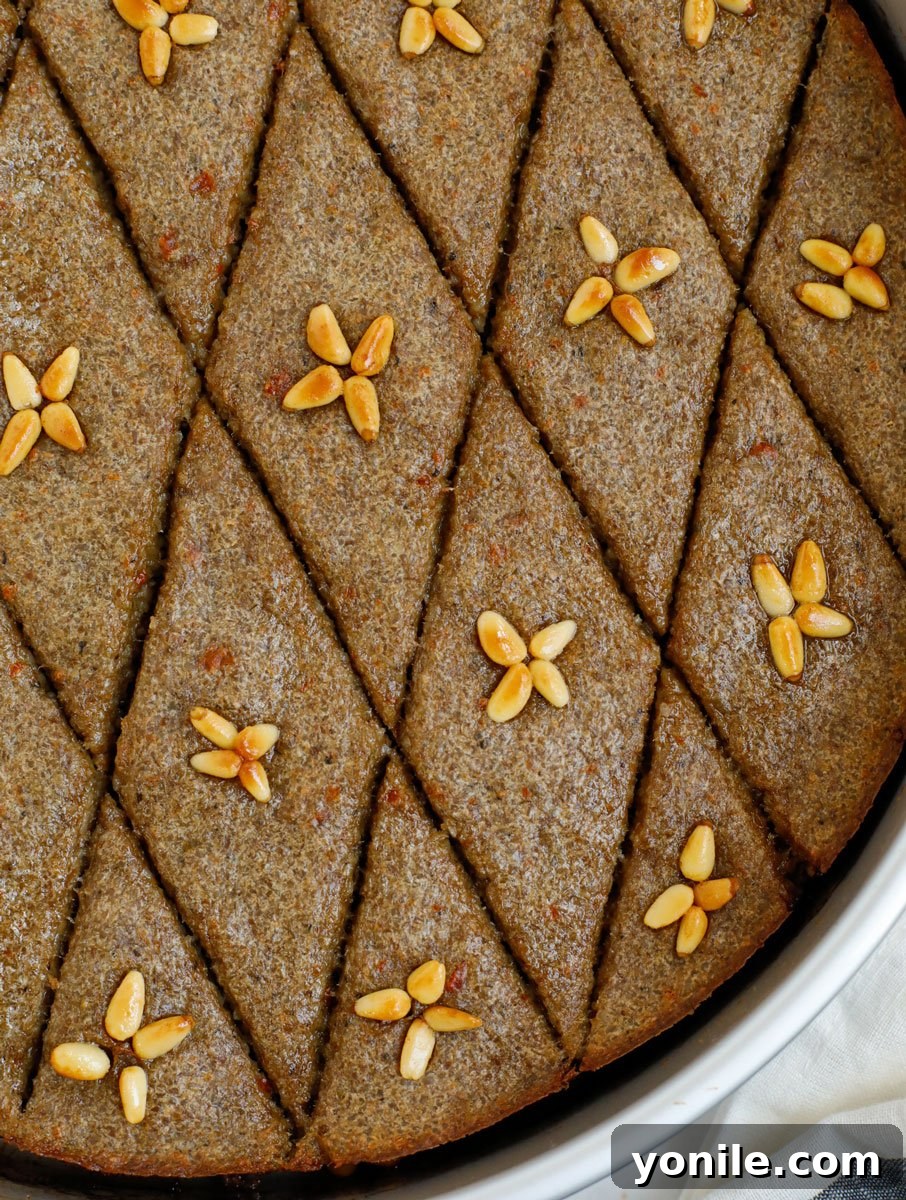
- Cutting and Garnishing: Once the top layer is beautifully smooth and perfectly uniform, it’s time for the signature Kibbeh cut. Using a sharp, thin knife, carefully score the Kibbeh diagonally across the pan, then repeat the cuts in the opposite diagonal direction to form elegant and distinctive diamond shapes. For an exquisite touch of visual appeal and an added nutty crunch, gently press a single piece of toasted pine nut into the center of each diamond portion. Ensure they are pressed firmly into the dough so they adhere well throughout the baking process. Finally, generously drizzle approximately 1/4 cup of your preferred oil (such as high-quality olive oil or vegetable oil) evenly over the entire surface of the Kibbeh. This crucial step helps in achieving a beautifully golden, irresistibly crispy crust.
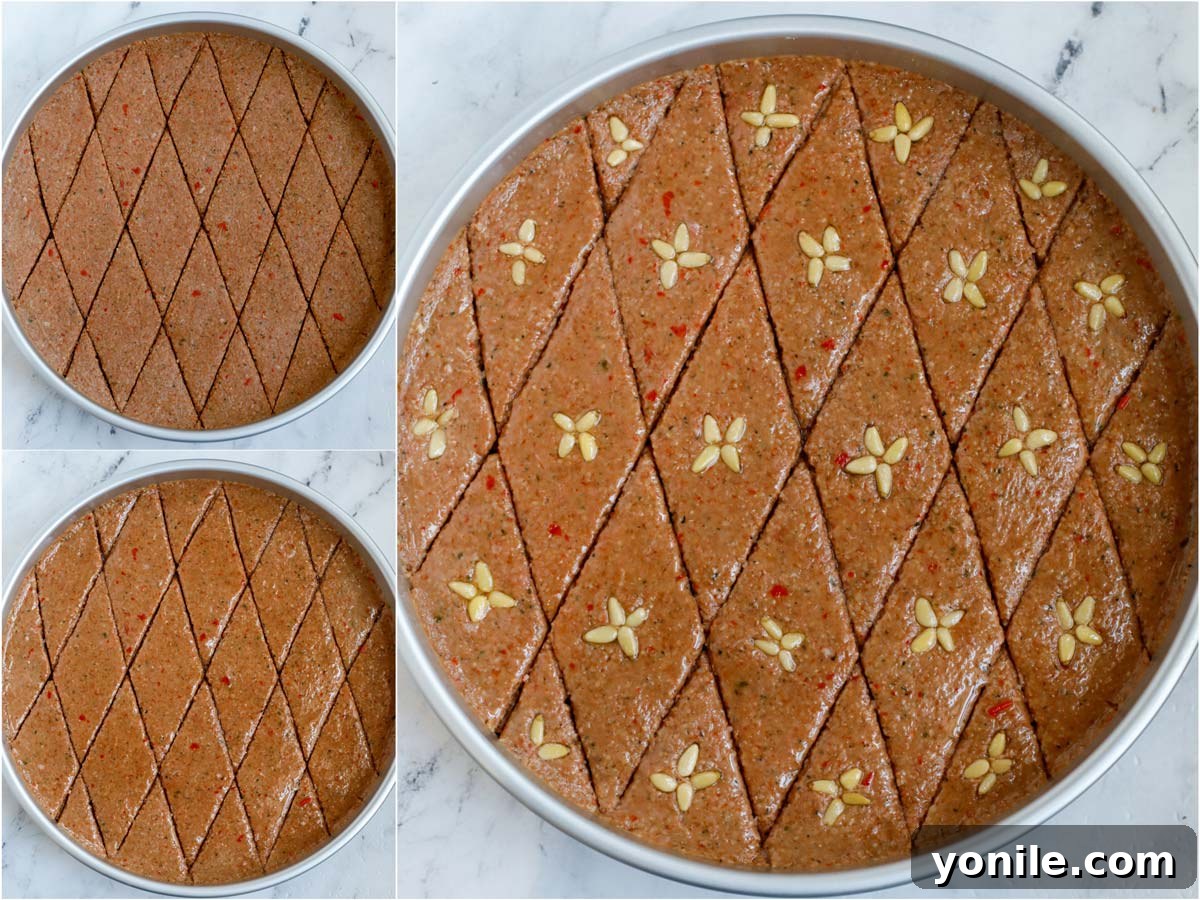
- Baking to Perfection: Preheat your oven to the recommended temperature of 375°F (190°C). Bake the Kibbeh for approximately 45-50 minutes, or until the edges are beautifully browned and the top has developed a rich, appealing golden hue. Once it’s thoroughly baked, turn off the regular bake function and switch on the broiler for a brief period of 1-2 minutes. This short broiling interval will significantly enhance the top crust, bestowing upon it a deeper, more alluring brown color and a delightful crispness. However, it is imperative to remain extremely vigilant during this step; pine nuts and the Kibbeh surface can burn very quickly under the broiler, so watch closely and continuously to prevent any scorching.
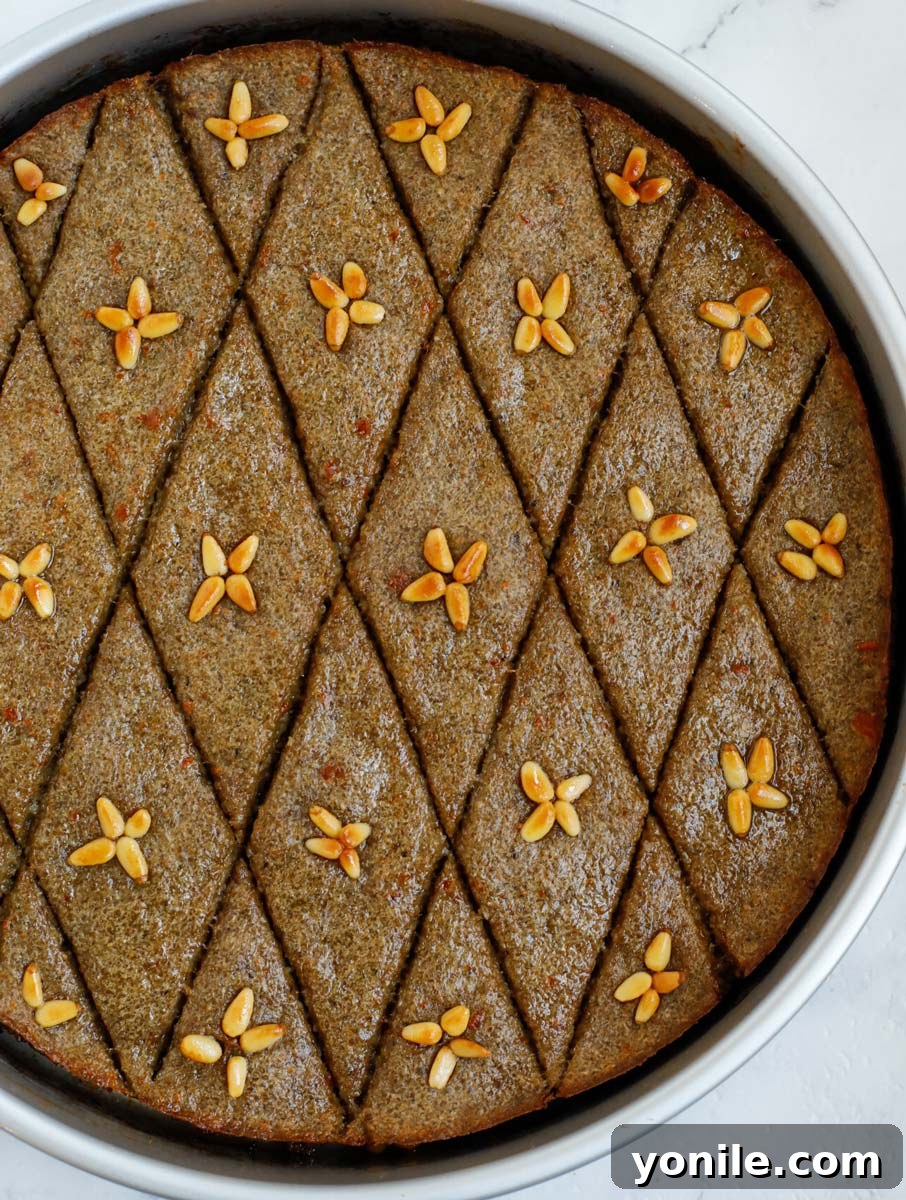
- Serving: Once your magnificent Baked Kibbeh emerges, golden and fragrant, from the oven, allow it to cool and rest for a few precious minutes before attempting to slice and serve. This brief resting period is crucial as it helps the layers to fully set and firm up, ensuring cleaner, more elegant cuts. Serve it warm, and prepare to be enveloped by a chorus of well-deserved compliments!
Expert Tips for Crafting the Best Homemade Baked Kibbeh
- Amplify the Heat: For those who truly adore a fiery kick in their cuisine, I highly recommend incorporating one finely minced habanero pepper into your Kamouneh/bulgur mix. This addition will introduce a delightful, piquant heat that beautifully complements the existing aromatic spices.
- Strategic Batching and Freezing: If you find yourself with an excess of the prepared Kamouneh mixture, do not let it go to waste! Store it securely in a freezer-safe zip-lock bag and keep it in the freezer for future culinary endeavors. It’s an exceptionally useful time-saver for your next Kibbeh preparation or any other dish requiring this flavorful base.
- Maintain Moist Hands: Always keep a small bowl of water conveniently nearby when you are spreading the Kibbeh mixture. Frequently moistening your palms will effectively prevent the dough from sticking to your hands, and crucially, it will help you achieve a perfectly smooth, even, and professional-looking layer every time.
- Embrace the Oil: Kibbeh thrives on a generous amount of oil, particularly on its top layer, to achieve that highly desirable crispy, golden-brown crust. If your Kibbeh appears to be drying out during the baking process, do not hesitate to drizzle a little more oil evenly over the top.
- Prioritize Preparation: Efficiency is truly key when making Kibbeh. Ensure that all your ingredients are thoroughly prepped, measured, and ready before you commence the assembly phase. The Kibbeh mixture, especially, has a tendency to dry out very quickly. Should it become too dry and challenging to work with, you might need to return it to the food processor with a tablespoon or two of water to re-loosen its consistency. Always adhere to the detailed, step-by-step preparation guidelines outlined in this comprehensive guide for the most successful and delicious results.
- Flexible Serving Sizes: This particular recipe yields a wonderfully generous serving, making it ideal for larger families or for entertaining guests. If you have a smaller household and prefer to minimize leftovers, you can easily halve the recipe or prepare two smaller trays, thoughtfully freezing one for a convenient and delightful meal at a later date. Baked Kibbeh reheats exceptionally well, solidifying its status as an excellent candidate for advance meal preparation.
- Perfect Pairing Suggestions: Traditionally, Kibbeh bil Sanieh is most often served alongside a refreshing side of cool yogurt cucumber salad, which bears a striking resemblance to the beloved Greek Tzatziki. This tangy and cooling accompaniment provides a magnificent contrast to the rich, savory flavors of the Kibbeh. For those with simpler palates, or especially for children, a simple side of ketchup is also a surprisingly popular and undeniably delicious accompaniment!
Frequently Asked Questions About Baked Kibbeh
Absolutely! Baked Kibbeh freezes exceptionally well, making it a fantastic dish for meal prepping. For optimal freshness and flavor preservation, ensure it is stored in an airtight container or a heavy-duty freezer bag. When properly stored, baked Kibbeh can maintain its best quality in the freezer for up to two months, providing a convenient and delicious meal whenever you crave it.
To reheat frozen cooked Kibbeh, first allow it to gently thaw or defrost at room temperature for a few hours. Once it has thoroughly thawed, you can reheat it effectively in a preheated oven at 350°F (175°C) for approximately 10-12 minutes, or until it is piping hot throughout and the crust has regained some of its crispness. For a significantly quicker option, especially if you are pressed for time, you can microwave individual portions after thawing for 30-60 seconds.
Yes, indeed! You can certainly prepare this dish several days or even weeks in advance by freezing it in its raw, unbaked state. Complete all the preparation and assembly steps right up to the point of baking. Then, cover the assembled raw Kibbeh very tightly with aluminum foil wrap and freeze it for up to one month. When you’re ready to cook, simply thaw the raw Kibbeh at room temperature and then bake it according to the specific directions provided in the recipe card.
Traditionally, Kibbeh can be made with either lean lamb or lean cow beef. However, for a flavor profile that is broadly appealing and consistently rich without any undesirable gamey notes, I personally prefer to use very lean cow beef. The key, regardless of your choice, is to use extremely lean ground meat for achieving the finest texture and best taste in the Kibbeh mixture.
Homemade Baked Kibbeh is an incredibly versatile dish that pairs wonderfully with a variety of sides. I particularly love to serve my beef Kibbeh with a crisp and refreshing Fattoush Salad, or with a cool and creamy cucumber yogurt salad, which is quite similar to the classic Greek Tzatziki. These fresh, tangy sides provide a magnificent contrast to the rich and savory flavors of the Kibbeh. As previously mentioned, my children (and many adults too!) also find great enjoyment in pairing their Kibbeh with a simple side of ketchup.
Explore More Authentic Lebanese Recipes
If you’ve thoroughly enjoyed the rich and vibrant flavors of this Baked Kibbeh, you are in for a treat as you discover other culinary gems from the exquisite Lebanese cuisine. These additional recipes share the same cherished heritage of fresh, high-quality ingredients, wonderfully aromatic spices, and heartwarming traditions that define Lebanese cooking.
- Lebanese Spinach Pies (Fatayer Sabanekh) – Delicious savory pastries filled with a tangy spinach mixture.
- Hearty Lebanese Chicken Lentil Soup – A comforting and nourishing soup, perfect for any season.
- Easy Kafta and Potato Stew – A simple yet flavorful stew featuring spiced ground meat patties and tender potatoes.
- Creamy Baba Ghanouj (Roasted Eggplant Dip) – A smoky, rich dip made from roasted eggplant, tahini, and lemon.
- Manakeesh Zaatar (Thyme Flatbread) – A popular Lebanese breakfast or snack, topped with a fragrant za’atar spice blend.
I genuinely hope you cherish every single recipe I share with you, and this delightful Kibbeh bil Sanieh is certainly no exception. I wholeheartedly encourage you to try preparing it in your own kitchen, savor its truly authentic flavors, and perhaps even rate it and share your wonderful culinary experience with your closest loved ones, friends, and family!
If this recipe brings joy and deliciousness to your kitchen, please consider showing your appreciation by leaving a star rating and a comment below. Your valuable feedback means the world to me and helps others discover these cherished recipes! For more exciting culinary inspiration, my very latest social posts, and delicious new recipes, be sure to follow Cookin’ With Mima on FACEBOOK, INSTAGRAM, and PINTEREST.
Lebanese Kibbeh (Kibbeh Bil Sanieh)
Equipment
-
Food Processor
Ingredients
- 1 cup #1 fine cracked wheat bulgur
- 1½ cup water, lukewarm
- ¼ cup vegetable oil
- 3 tbsps. pine nuts, raw
Beef Filling (Hashweh)
- 1½ lb. lean ground beef
- 1 large onion, or 2 cups, petite diced
- 1½ tbsps. 7 spice
- ¾ tbsp. black pepper
- 1 tsp. salt
- 3 tbsps. pine nuts, fried or toasted
- 2 tbsps. vegetable oil
- 1 tsp. sumac
- ½ tsp. cinnamon
Pureed Beef
- 1 lb. lean ground beef
- 1 small red bell pepper, cubed
- 1 tsp. salt
Kamouneh/Spiced Bulgur
- 2 cups #1 fine cracked wheat bulgur
- 1 tsp. red bell pepper powder, or paprika
- 1 small onion, diced
- 1 small jalapeño pepper, sliced
- 1 tsp. salt
- 1 small red baby bell pepper, ¼ red bell pepper
- 2 tbsps. kibbeh spice
- ⅓ cup packed mint, fresh
Instructions
Bulgur Preparation
-
In a medium bowl, soak 1 cup of #1 fine bulgur with 1½ cup of lukewarm water for at least 1 hour, or until fully softened. Once ready, fluff the bulgur gently with a fork.
Kamouneh (Spiced Bulgur Mixture)
-
Place all listed Kamouneh ingredients into a food processor. Process for approximately 1 minute until all vegetables are completely pureed and no chunks remain. You don’t want chunks of veggies left. Transfer to a bowl, fluff the mixture up, and cover. Let it rest while you prepare the other components to allow flavors to meld and the bulgur to soften further.
Hashweh (Beef Filling)
-
Heat a large non-stick skillet over medium heat. Fry the raw pine nuts until they are lightly golden brown, then remove and set aside.
-
Add vegetable oil if needed, then sauté the diced onions until translucent and tender. Remove the onions and set aside. Sauté the lean ground beef, breaking it apart, until all liquids have evaporated and the beef is fully cooked and browned.
-
Return the cooked onions to the pan with the beef. Add the 7 spice, black pepper, salt, sumac, and cinnamon. Sauté for another 2 minutes, ensuring the beef thoroughly absorbs the spices. Remove from heat, stir in the fried pine nuts, and let the Hashweh cool completely.
Pureed Beef (for Kibbeh Shell)
-
In a food processor, combine the 1 lb. lean ground beef, cubed small red bell pepper, and 1 tsp. salt. Process until the mixture is completely smooth and pureed. If your food processor is small, process in two batches to achieve the desired consistency.
Kibbeh Dough Mixture
-
Divide the pureed beef into two equal portions. For each portion, combine half of the pureed beef with 1 cup of the prepared Kamouneh (spiced bulgur) mixture, 1 cup of the soaked bulgur, and a dash of salt.
-
Process each batch in a food processor until thoroughly combined and smooth. Add about 5 tablespoons of water to each batch as needed to achieve a soft, pliable, and easily spreadable dough consistency.
Assembly & Baking
-
Preheat oven to 375°F (190°C). Divide the final Kibbeh dough mixture into two equal halves. Grease a non-stick baking tray with oil. Using a wet palm, spread the first half of the Kibbeh mixture evenly across the base of the pan, pressing firmly.
-
Evenly spread the cooled Hashweh (spiced beef filling) over the first Kibbeh layer.
-
Place the second half of the Kibbeh mixture in small portions over the Hashweh. Gently press and smooth it out with a wet palm to cover all gaps and create an even top layer without disturbing the filling.
-
Score the smooth top layer diagonally to form diamond shapes. Press a single toasted pine nut into the center of each diamond. Drizzle ¼ cup of oil evenly over the entire surface of the Kibbeh.
-
Bake for 45-50 minutes, or until the edges and top are golden brown. Then, turn off the bake function and turn on the broiler for 1-2 minutes to achieve a deeper brown color and crispier crust. Watch closely to prevent burning.
-
Remove from the oven and let cool for a few minutes before slicing and serving warm.
Notes
- If you like spicy food, I recommend adding 1 habanero pepper to the kamouneh/bulgur mix.
- Save the extra kamouneh mixture in a zip lock freezer bag and store in the freezer for future use. So useful.
- Use wet palms to smoothen the kibbeh mixture.
- Add more oil if you feel like it’s needed when baking.
- Always have all the other ingredients ready before assembling the kibbeh. The kibbeh mixture dries out super fast and you will have to process the kibbeh mixture again with water to loosen it up. Follow the steps I gave you in the blog post.
- This is a big serving. If you have a small family and don’t want leftovers, you can make half or two small trays and save one for later. You can also reheat leftovers and eat it the next day.
- Serve Kibbeh Bil Sanieh with a side of yogurt cucumber salad or tzatziki. You can also eat it with ketchup.
Nutrition
Like this recipe? Rate and comment below!