

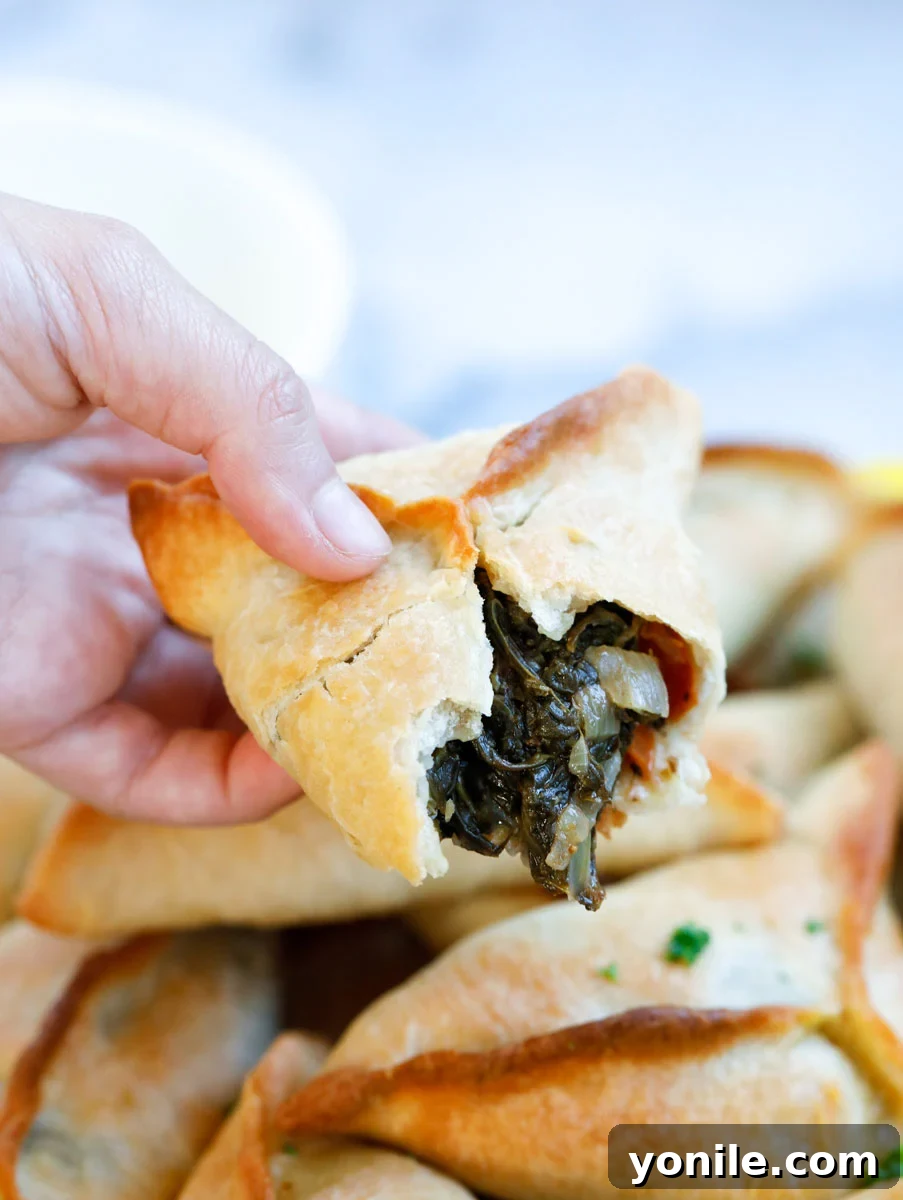
Welcome to the delightful world of **Lebanese Spinach Pies**, affectionately known as Fatayer Bi Sabanekh in Arabic. These savory pastries are a true cornerstone of Lebanese cuisine, cherished for their tender, homemade dough embracing a vibrant, tangy spinach filling. Each bite offers a harmonious blend of earthy spinach, sweet caramelized onions, and the distinctive sour notes of sumac and fresh lemon. More than just a dish, Fatayer Bi Sabanekh represents generations of culinary tradition, offering a taste of the Levant that is both comforting and exhilarating. Whether served as an elegant appetizer, a satisfying snack, or a unique breakfast item, these pies are incredibly versatile and perfectly suited for any occasion. Their deliciousness is matched only by their convenience, as they can be easily prepared in advance, frozen, and reheated to perfection, making them an ideal staple for busy households and entertaining alike.

Spinach pies, or Fatayer, are not just popular in Lebanon but are beloved across the entire Levant region. Their widespread appeal stems from their unique blend of Mediterranean flavors, where the bright citrusy tang, primarily from sumac and lemon, sets them apart. These charming triangular pastries are more than just food; they are an invitation to experience the rich culinary heritage of the Middle East. They are equally at home gracing a festive Mezze spread, complementing a light lunch, or even providing a nutritious and flavorful start to your day. Beyond their delicious taste, Lebanese spinach pies also offer a healthy boost, packed with iron-rich spinach and wholesome ingredients, making them a nourishing choice you can feel good about.
If you have a passion for spinach-filled delights, you might also enjoy exploring other Mediterranean pastries, like the flaky Easy Spanakopita Triangles, but for now, let’s dive deep into the magic of Fatayer Bi Sabanekh.
What are Lebanese Spinach Pies?
Lebanese Spinach Pies, or Fatayer Bi Sabanekh, are a type of savory pastry that holds a special place in Middle Eastern gastronomy. These nutritious hand pies are renowned throughout the Levant for their distinctive flavor profile and delightful texture. At their core, they consist of a soft, yeasted dough carefully wrapped around a vibrant, seasoned spinach filling. The stuffing typically features a rich combination of finely chopped spinach, often blanched and thoroughly squeezed to remove excess moisture, paired with sweet, caramelized onions. What truly distinguishes the flavor, however, are the key spices and acidic elements: pungent sumac, fresh lemon juice, and a touch of salt and black pepper. Some traditional variations might also incorporate a hint of citric acid or a drizzle of pomegranate molasses to amplify the characteristic sourness that makes these pies so captivating.
Fatayer is a general term in Middle Eastern cuisine for small, often triangular, baked pastries with various fillings. While spinach is one of the most iconic and beloved fillings, the versatility of fatayer allows for endless possibilities. Other popular versions include spiced ground meat (lahm bi ajeen) and an assortment of cheese fillings (jibneh). Each variety offers a unique culinary experience, but the spinach fatayer stands out as a vegetarian favorite, celebrated for its refreshing and tangy taste. These pastries are not merely food; they are a cultural expression, frequently prepared for family gatherings, holidays, and everyday enjoyment, embodying the warmth and hospitality of Lebanese homes.
Why You’ll Love Lebanese Spinach Fatayer
There are countless reasons why Lebanese Spinach Fatayer should become a cherished addition to your recipe repertoire. From their ease of preparation to their incredible versatility and undeniable flavor, these pies are designed to impress and satisfy:
- Effortlessly Delicious: You’ll be surprised at how simple it is to bring these authentic flavors to life. This fatayer recipe utilizes common pantry staples, meaning you likely already have most of the necessary ingredients on hand. The process, while involving a few steps, is straightforward and incredibly rewarding, even for novice bakers.
- Bursting with Flavor: Prepare your taste buds for an unforgettable experience. These spinach pies boast an extraordinary depth of flavor, achieved by a perfect balance of their main components. The tangy sumac, zesty lemon, sweet caramelized onions, and earthy spinach come together in a symphony of tastes that is both robust and refreshing. Each bite is a testament to the rich culinary traditions of Lebanon, delivering a truly authentic taste of the Middle East.
- Conveniently Freezer-Friendly: One of the greatest advantages of Lebanese spinach pies is their exceptional freezer-friendliness. Preparing a large batch means you’ll always have a supply of these delightful pastries ready to go. They’re perfect for spontaneous guests, quick weeknight meals, lunchbox additions, or as a convenient appetizer for gatherings. Simply thaw and reheat, and they taste just as fresh and flavorful as the day they were baked. This make-ahead capability makes them an invaluable asset for meal planning and effortless entertaining.
- Wholesome and Nutritious: Packed with fresh spinach, onions, and often whole wheat flour in the dough, these pies offer a healthy alternative to many other snacks and appetizers. Spinach is a powerhouse of vitamins and minerals, while the fresh ingredients contribute to a balanced and nourishing meal.
- Perfect for Any Occasion: Whether you need a sophisticated appetizer for a dinner party, a satisfying snack to curb hunger, a unique addition to a brunch spread, or a light main course, Lebanese Spinach Fatayer fits the bill. Their individual portion size and appealing triangular shape make them easy to serve and enjoy in any setting.
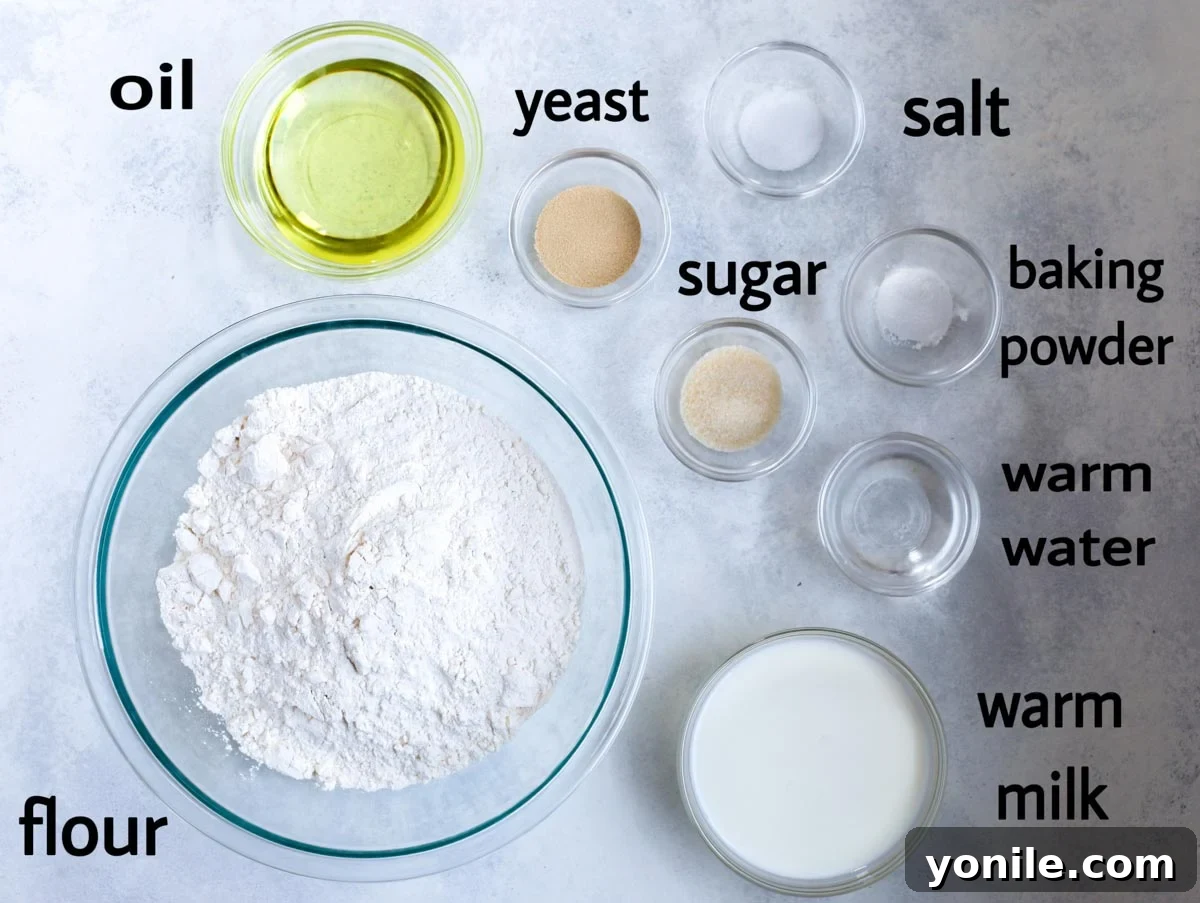
The Heart of the Home: Lebanese Spinach Pie Ingredients
Crafting authentic Lebanese Spinach Pies requires two main components: a supple, airy dough and a rich, zesty spinach filling. We’ll begin by preparing the dough, allowing it ample time to rise while we perfectly prepare the flavorful stuffing.
Fatayer Dough Ingredients
The foundation of any great Fatayer is a perfectly balanced dough. Here’s what you’ll need to create a tender, pliable base that will beautifully encase your spinach filling:
- All-Purpose Flour: The ideal choice for this recipe, providing the right structure and texture for the dough. You can also use bread flour for a slightly chewier result.
- Warm Water: Crucial for activating the yeast, ensuring your dough rises properly and becomes light and fluffy.
- Lukewarm Full-Fat Milk: Adds richness and softness to the dough, contributing to its luxurious texture. Ensure it’s lukewarm, not hot, to avoid killing the yeast.
- Baking Powder: Works in conjunction with the yeast to give the dough an extra lift, resulting in a lighter and more tender pastry.
- Granulated Sugar: Essential for activating the yeast and providing it with initial nourishment, which helps the dough rise effectively.
- Neutral-Flavored Oil: Such as vegetable or canola oil, adds moisture and elasticity to the dough, making it easier to handle and contributing to a soft final product.
- Salt: A fundamental ingredient that enhances the flavor of the dough and balances the other ingredients.
- Active Dry Yeast: The leavening agent that gives the dough its characteristic rise and soft texture. Always ensure your yeast is fresh and active for best results.
Crafting the Perfect Dough
Follow these steps to create a wonderfully soft and airy dough that forms the ideal foundation for your Lebanese Spinach Pies:
- Activate the Yeast: In a small cup or bowl, combine the active dry yeast, warm water, and granulated sugar. Give it a gentle stir and let this mixture sit undisturbed for about 10 minutes. This crucial step allows the yeast to activate, producing a foamy, bubbly mixture that should double in size. This visual confirmation ensures your yeast is viable and ready to work its magic.
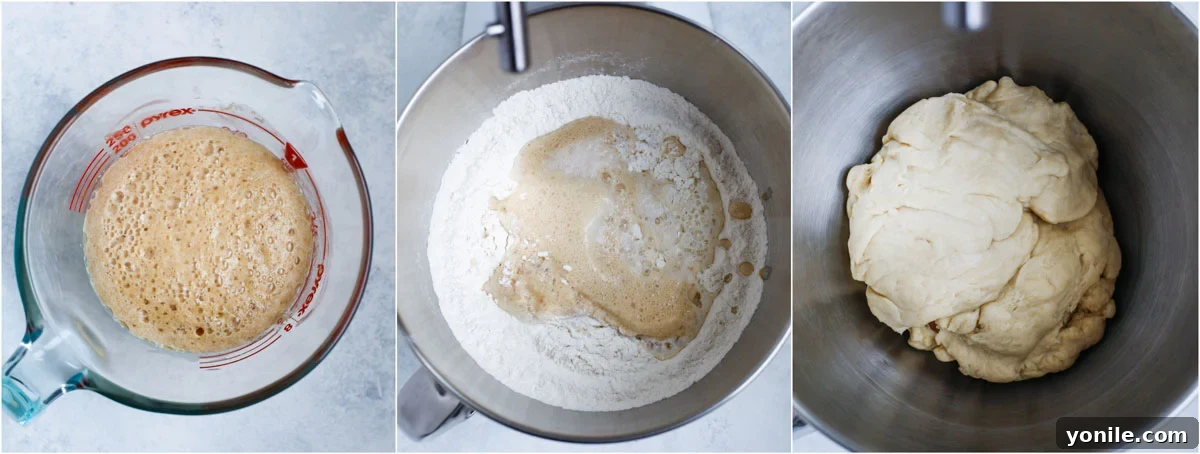
- Combine Dry Ingredients: In the bowl of an electric mixer fitted with a dough hook, add all the dry dough ingredients (flour, baking powder, and salt). Give them a quick whisk to combine evenly.
- Mix Wet into Dry: Pour the activated yeast mixture into the dry ingredients in the mixer bowl. Begin mixing on low speed. Gradually add the lukewarm milk and neutral-flavored oil while the mixer continues to run.
- Knead the Dough: Increase the mixer speed to medium-low and continue kneading the dough for several minutes. The dough will start as a sticky mass and eventually come together into a smooth, elastic ball that pulls away cleanly from the sides of the bowl. Proper kneading develops the gluten, which is essential for a soft and pliable dough.
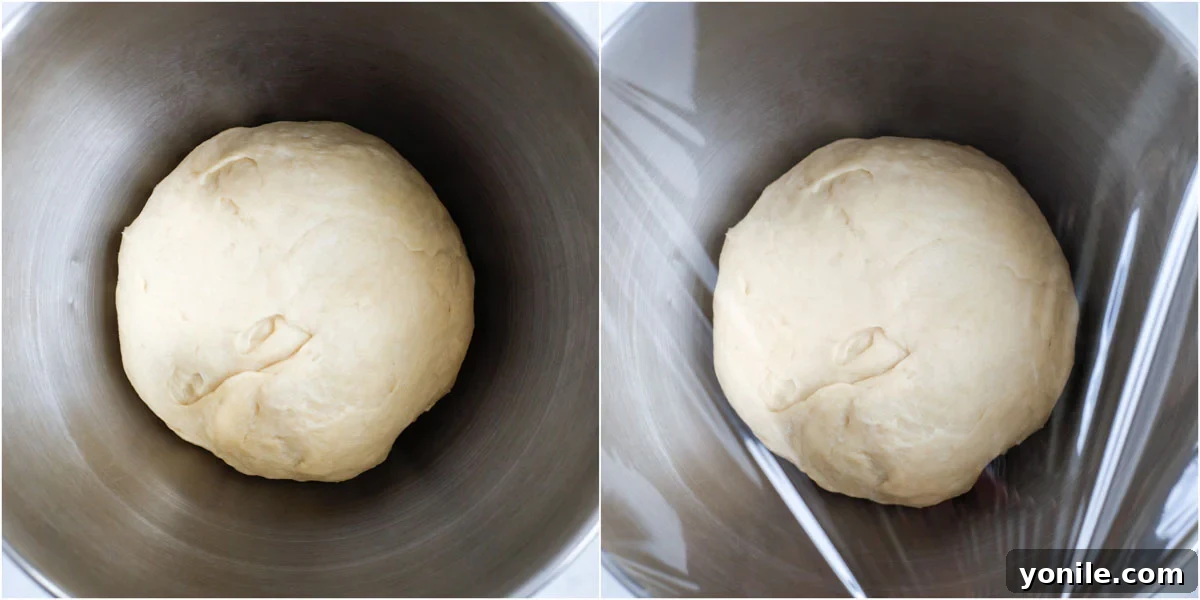
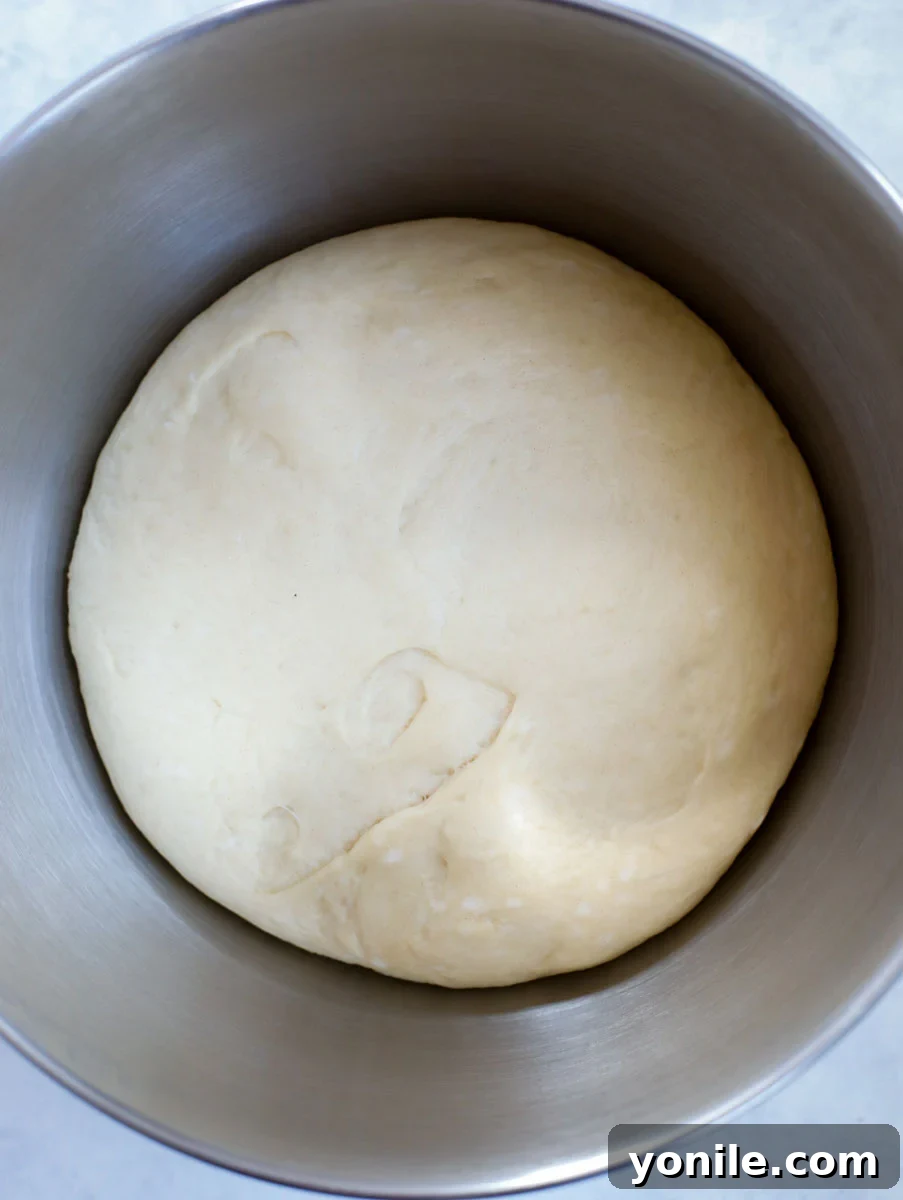
- First Rise: Once kneaded, remove the dough from the mixer bowl. Briefly shape it into a neat round ball with your hands. Lightly spray the mixing bowl with a little oil to prevent sticking, then return the dough to the bowl. Cover the bowl tightly with a clean kitchen towel or plastic wrap. Place it in a warm, draft-free spot and let it rise for approximately 45 minutes to 1 hour, or until the dough has proudly doubled in size. As seen in the photo below, a well-risen dough is light and airy.
- While your dough is happily rising, it’s the perfect time to prepare the incredibly flavorful spinach filling!
Spinach Fatayer Filling Ingredients
The soul of Lebanese Spinach Pies lies in their vibrant, tangy, and aromatic filling. Each ingredient plays a crucial role in creating the characteristic flavor profile:
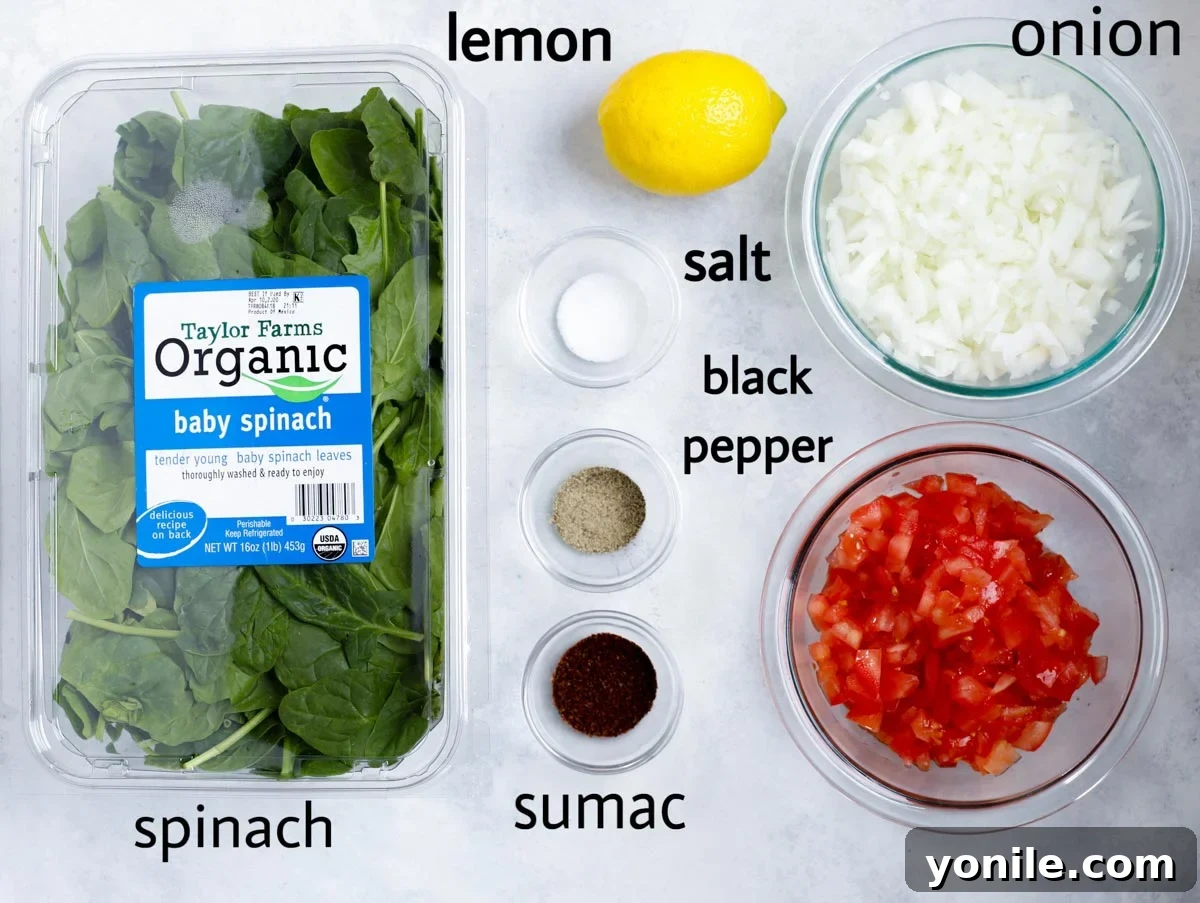
- Spinach: You can use either fresh or frozen spinach. If using fresh, ensure it’s thoroughly washed and chopped. Regardless of fresh or frozen, the most critical step is to squeeze out all excess water to prevent soggy pies.
- Lemon Juice: Freshly squeezed lemon juice is essential for providing that signature bright, citrusy tang. A little citric acid can be used as an alternative or in addition for an extra sour punch.
- Black Pepper and Salt: Basic seasonings that elevate and balance all the flavors in the filling. Adjust to your personal taste.
- Sumac: A non-negotiable ingredient for authentic Fatayer. This deep red, tangy spice provides a unique lemony, slightly fruity flavor that defines the pies’ sour zing.
- Fresh Diced Tomatoes: Adds a hint of sweetness, a touch of moisture, and a subtle texture contrast to the filling. Avoid canned tomatoes for the best flavor and texture.
- Onion: Finely diced and sautéed until translucent and lightly caramelized. This step is vital as it softens the onion, enhancing its natural sweetness and preventing any raw, harsh flavors or crunchy textures in the finished pie.
- Pomegranate Molasses and Chili Flakes (Optional): For an added layer of complexity and depth. Pomegranate molasses introduces a deep, sweet-tart note, while chili flakes (or a pinch of cayenne pepper) provide a gentle warmth and spice if desired.
Preparing the Flavorful Spinach Filling
Creating the perfect filling for your Lebanese Spinach Pies involves a few key steps to ensure maximum flavor and ideal texture:
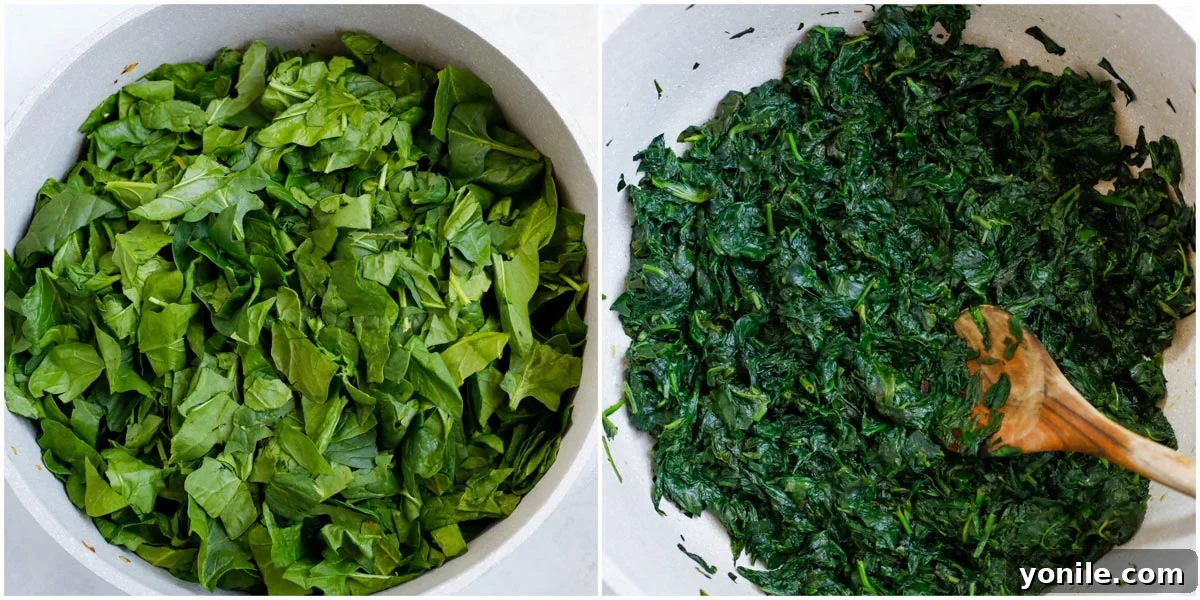
- Blanch and Drain the Spinach: If using fresh spinach, heat a tablespoon of olive oil in a large pot or skillet. Add the roughly chopped spinach and sauté just until it wilts and shrinks significantly. This process, known as blanching, helps to reduce its volume and start the softening process. Immediately transfer the blanched spinach to a strainer and allow it to drain and cool completely. The goal here is to remove as much liquid as possible. Once cool enough to handle, firmly squeeze any remaining liquids out with your hands or a clean kitchen towel. If you are using frozen spinach, simply thaw it completely and then meticulously squeeze out all excess water. This step is paramount to prevent the pies from becoming soggy.
- Caramelize the Onions: In a separate pan, heat 1 tablespoon of olive oil over medium heat. Add the finely diced onions and sauté them gently until they become translucent and develop a light caramelization. This step is crucial for softening the onions, deepening their flavor, and ensuring they don’t remain crunchy in the filling. While the onions are cooking, you can proceed to dice your fresh tomatoes.
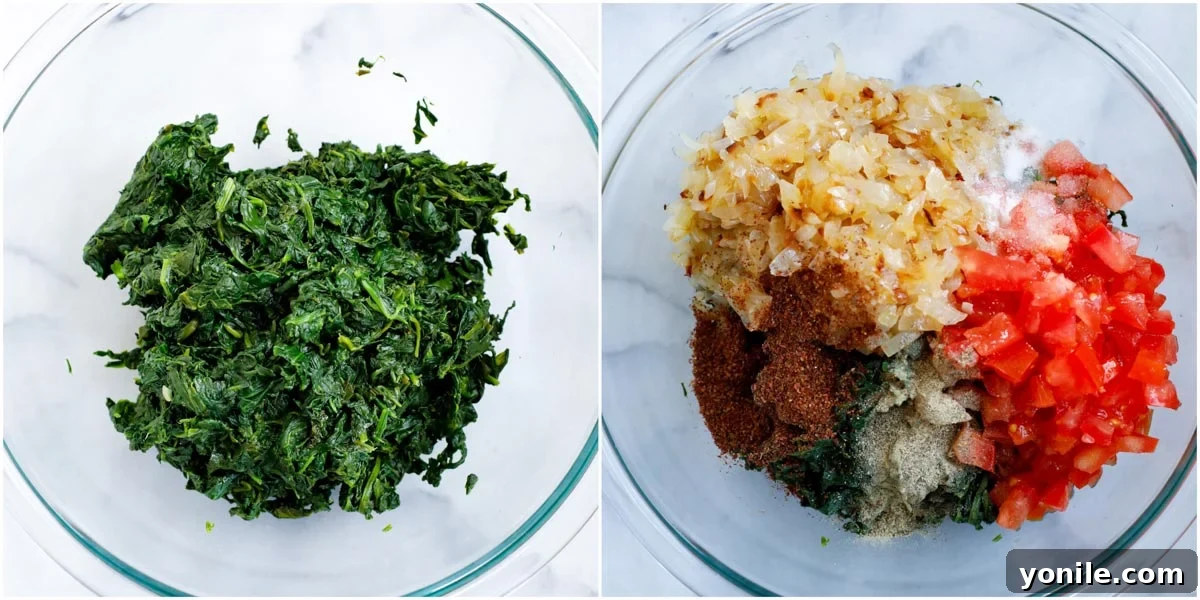
- Combine All Filling Ingredients: Once the spinach is thoroughly drained and the onions are caramelized, it’s time to bring everything together. In a large mixing bowl, combine the squeezed spinach, sautéed onions, diced fresh tomatoes, salt, sumac, and black pepper. If you desire a touch of heat, now is the time to add cayenne pepper or chili flakes. If you opt for citric acid instead of lemon juice, add it now. Mix all the ingredients thoroughly until well combined. If using fresh lemon juice, it’s best to add it just before you are ready to fill the pies to maintain its fresh zest and prevent the filling from becoming too watery. Set the prepared filling aside.
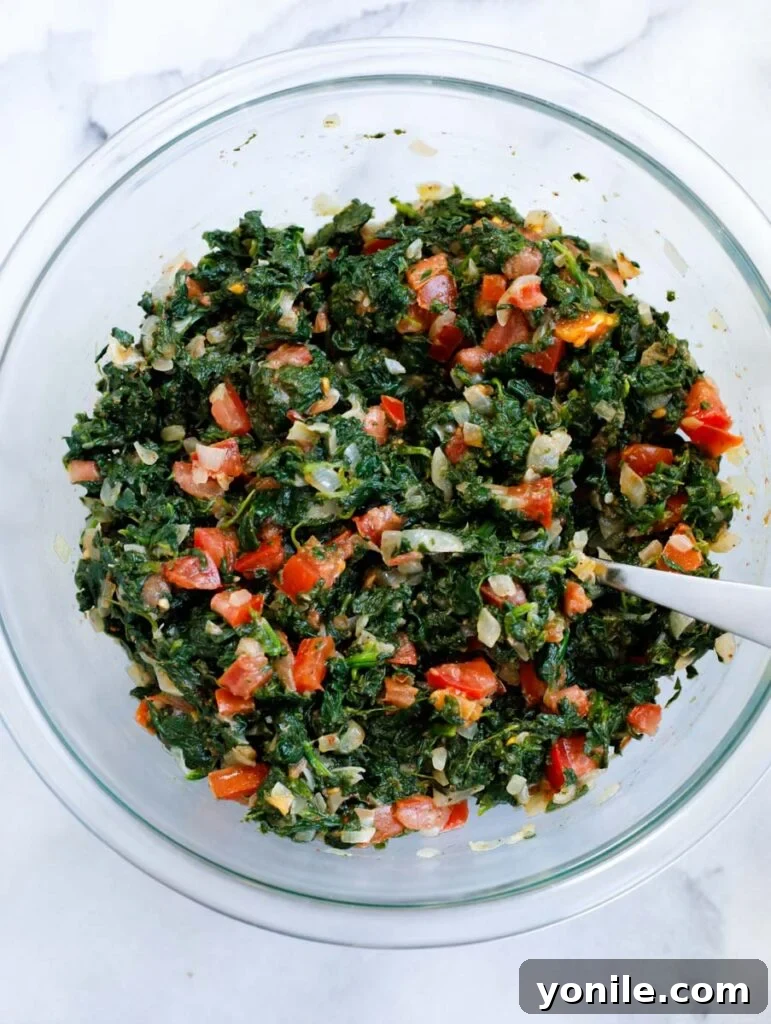
How to Assemble and Bake Your Lebanese Spinach Pies
With your dough perfectly risen and your filling bursting with flavor, it’s time for the exciting part: assembling and baking your delicious Lebanese Spinach Pies!
- Prepare the Oven: Begin by preheating your oven to 400°F (200°C). This ensures the oven is at the correct temperature for even baking as soon as your pies are ready.
- Prepare the Dough for Shaping: Gently remove the risen dough from its bowl. Lightly sprinkle a clean work surface, such as a marble slab or cutting board, with a little flour. Briefly knead the dough with your hands for a minute or two to deflate it and release any trapped air. This helps to create a smoother, more uniform texture. Now, cut the dough into small, even-sized pieces and roll each piece into a smooth, round ball.
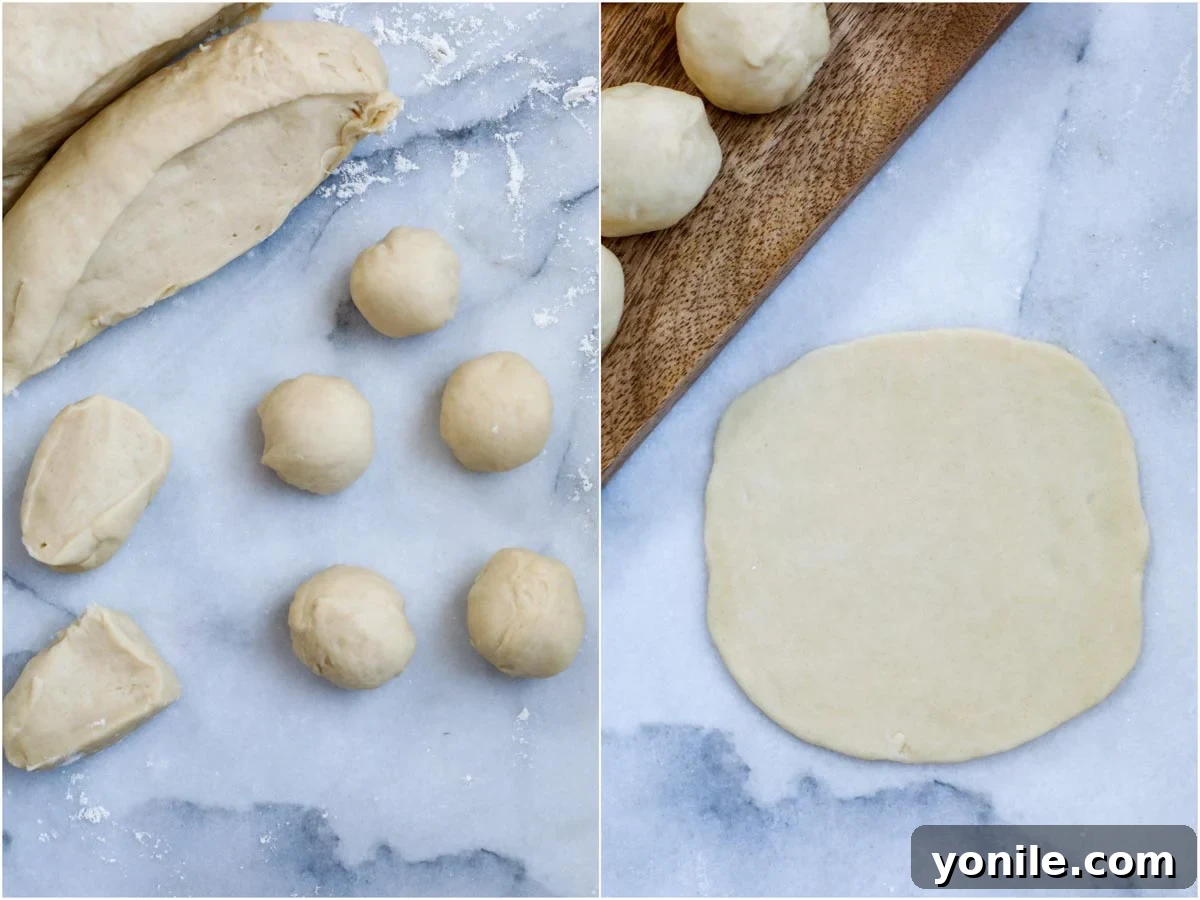
- Dough Shaping Tip: For efficiency, instead of rolling each small ball individually, you can roll out the entire dough into a large, thin sheet. Then, use a 3-inch round cookie cutter or a clean, round lid (like a mason jar lid) to cut out even circles. This method saves time and ensures uniformity in your pies. Gather and re-roll any scraps.
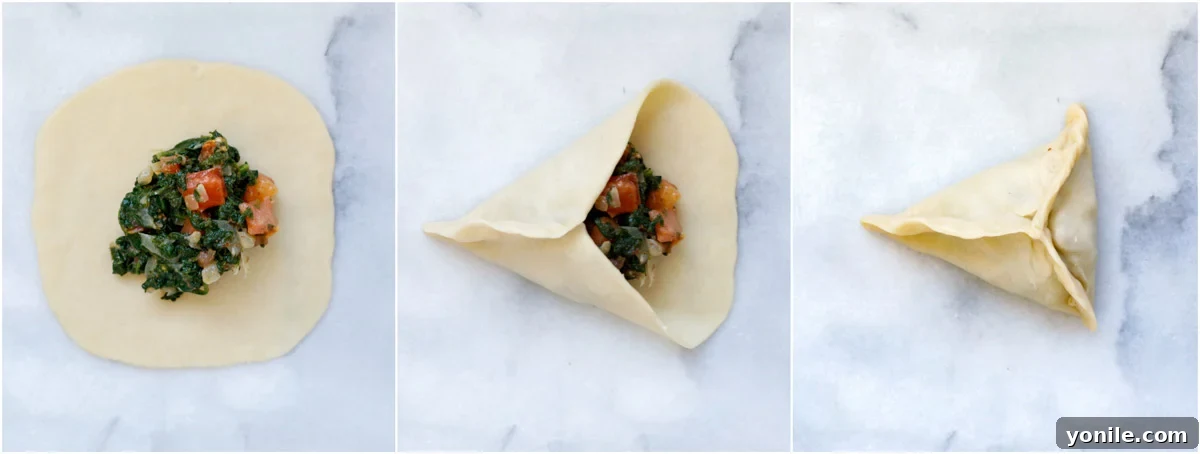
- Roll and Fill: Take one dough ball (or cut-out circle) and roll it out into a thin, approximately 3-4 inch diameter circle. Place a generous, heaping teaspoon of the prepared spinach filling into the center of the dough circle. Avoid overfilling, as this can make sealing difficult.
- Assemble the Fatayer (Triangle Shape): This is the signature step for Lebanese spinach pies. Carefully pick up two opposite sides of the round dough and bring them together over the filling, pinching the edges firmly to seal them. Then, bring the third side up to meet the other two, pinching it securely to form a perfect triangular shape. It’s crucial to pinch the edges very well to create a tight seal, which prevents the filling from spilling out during baking. Repeat this process for all the remaining dough balls and filling. The photo below provides a clear visual guide for this folding technique.
- Prepare for Baking: Arrange the assembled raw spinach pies on a large baking sheet (or two, if necessary) lined with parchment paper. Leave about an inch of space between each pie to allow for even baking and browning.
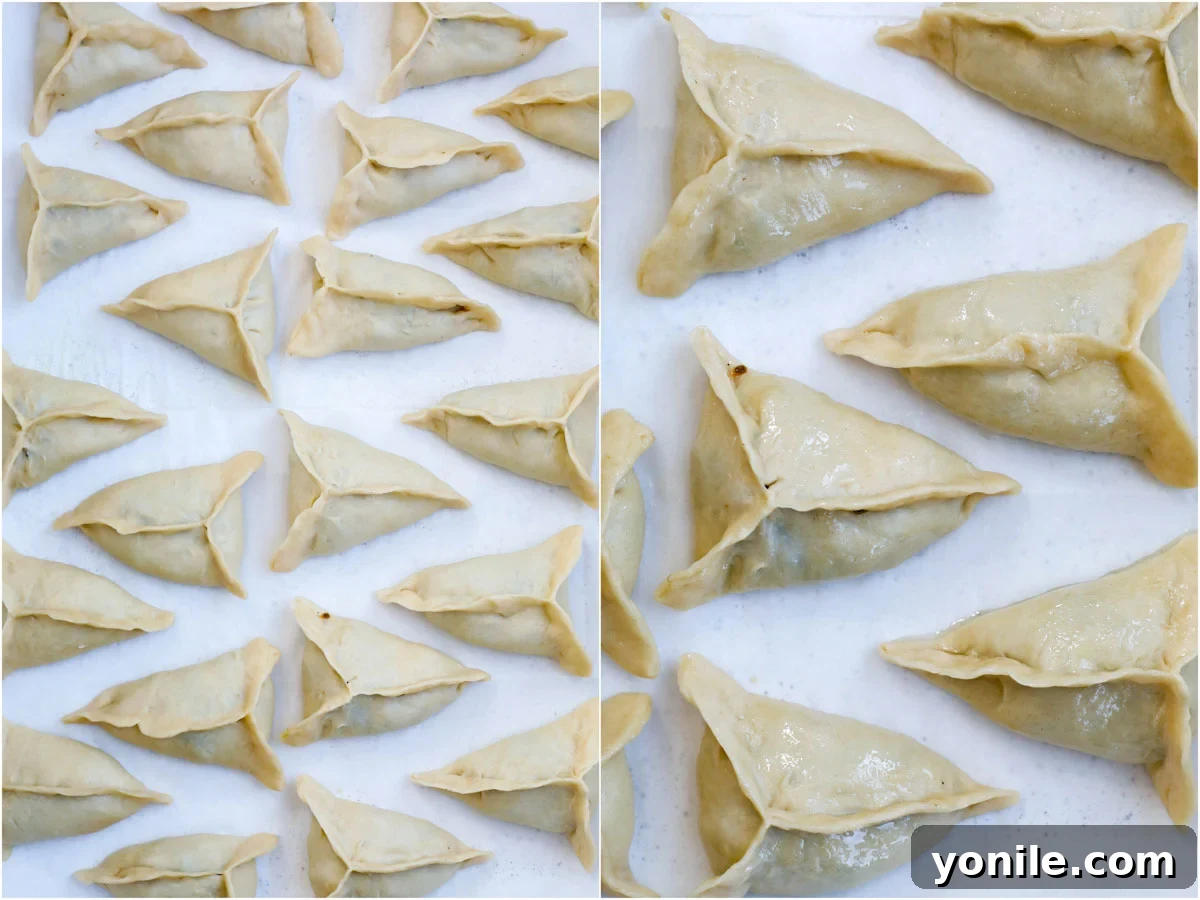
- Bake to Golden Perfection: Generously brush the tops of the pies with a lightly flavored olive oil. This contributes to a beautiful golden crust and enhanced flavor. Place the baking sheet in the preheated oven and bake for approximately 10 minutes. After this initial baking period, remove the pies from the oven, brush them with a bit more olive oil, and return them to bake for another 5-10 minutes, or until they achieve a lovely light golden-brown color. Baking times can vary slightly depending on your oven, so keep a close eye on them.

- Serve and Enjoy: Once baked, remove the pies from the oven and allow them to cool for a minute or two on the baking sheet before transferring them to a serving platter. These pies are best enjoyed warm, often accompanied by fresh lemon wedges, which can be squeezed over the top for an extra burst of zest.
Expert Tips for the Best Spinach Fatayer
Achieving perfectly delicious Lebanese Spinach Fatayer is an art, and these expert tips will help you master it, ensuring your pies are always a resounding success:
- Drain Spinach Meticulously: This is arguably the most crucial tip. Whether using fresh or frozen spinach, you must squeeze out every last drop of excess water. A watery filling will lead to soggy pie bottoms, resulting in a disappointing texture and potentially ruining the pastries. Use a strong hand squeeze or even a clean kitchen towel to wring out as much liquid as possible.
- Roll the Dough Thinly: Aim for a relatively thin dough when rolling out each circle. A thinner dough makes the pies lighter, contributes to a crispier crust, and creates that desirable flaky texture characteristic of well-made Fatayer. Don’t be afraid to roll it out to about 1/8 inch thickness.
- Mind the Dough’s Temperature: Always use lukewarm milk and warm water when preparing the dough. Temperatures that are too hot will kill the yeast, preventing the dough from rising. Temperatures that are too cold will inhibit yeast activity, leading to a much longer or even failed rise.
- Do Not Skip the Sumac: Sumac is not just an optional spice; it’s fundamental to the authentic flavor of these pies. Its distinct tangy, lemony taste is what gives the spinach filling its signature zing. Without sumac, the pies will lack their quintessential Mediterranean character.
- Enhance Sourness Thoughtfully: If you prefer a more pronounced sour flavor, consider adding 1 to 1.5 teaspoons of citric acid to the filling. While lemon juice provides tang, citric acid delivers a more concentrated sour punch without adding significant moisture that could make the dough soggy. If adding citric acid, you might reduce the lemon juice slightly.
- Experiment with Extra Flavors: For an additional layer of flavor, a drizzle of pomegranate molasses can add a wonderful sweet-tart depth, while a pinch of cayenne pepper or chili flakes will introduce a pleasant subtle heat. A teaspoon of paprika can also be added for a bit of color and mild sweetness.
- Use Fresh Onions and Tomatoes: Avoid substituting fresh onions with frozen ones, as they often release too much water and lack the same crisp texture. Similarly, always opt for fresh, ripe tomatoes over canned varieties. Fresh ingredients contribute significantly to the overall taste and texture of the filling.
- Master the Sealing Technique: When forming the triangular pies, ensure you pinch the edges very tightly and securely. A good seal prevents the filling from oozing out during baking, which can create a mess and compromise the pie’s shape and internal moisture.
- Don’t Overbake: Bake until the pies are light golden brown. Overbaking can dry out the dough and the filling, making them less tender and enjoyable.
Frequently Asked Questions
Can you freeze Lebanese spinach pies?
Absolutely! Lebanese spinach pies are excellent for freezing. If you intend to freeze them for later, it’s a good idea to undercook them by a couple of minutes during the initial baking. This allows them to finish cooking completely when reheated without becoming dry. To reheat, thaw the pies, brush lightly with olive oil, and bake at the same temperature (400°F / 200°C) for a few minutes until warmed through and golden. This method ensures they retain their delicious texture and flavor.
How to store fatayer?
Once your Fatayer have cooled completely, store them in an airtight container or a zip-lock freezer bag. If stacking the pies, place a piece of parchment paper between layers to prevent them from sticking together. They can be stored in the refrigerator for up to 3-4 days or frozen for up to 2-3 months. Always ensure they are completely cool before storing to avoid condensation and sogginess.
Can I use frozen spinach?
Yes, you can certainly use frozen spinach if fresh spinach is not available. The most critical step when using frozen spinach is to thaw it completely and then rigorously squeeze out all the excess liquid. You might be surprised by how much water comes out! While fresh spinach is often recommended for its vibrant texture, properly drained frozen spinach will still yield a delicious filling.
Can I use premade dough?
For convenience, you can use store-bought premade dough, such as Rhodes dinner roll dough (the orange package, often 36 rolls). If using premade frozen dough, be sure to thaw it completely and let it rise according to package instructions before rolling it out thinly. While homemade dough offers the best texture and flavor, premade options can be a great time-saver when you’re in a pinch.
Are these spinach pies vegetarian or vegan?
This recipe for Lebanese spinach pies is naturally vegetarian. To make them vegan, simply ensure that the milk used in the dough is a plant-based alternative, such as almond milk or soy milk, and that any oil used is vegetable-based.
What can I serve with Lebanese Spinach Pies?
Lebanese Spinach Pies are incredibly versatile! They are fantastic on their own as a snack or light meal. For a more elaborate spread, serve them as part of a Mezze platter alongside hummus, baba ghanoush, tabbouleh, olives, and fresh vegetables. They also pair wonderfully with a simple yogurt dip or a fresh green salad.
More Authentic Lebanese Recipes to Explore
If you’ve enjoyed the rich flavors of these Lebanese Spinach Pies, you’ll love exploring other staples of Lebanese cuisine. Each dish offers a unique taste of this vibrant culinary tradition:
- Cabbage Fattoush Salad
- Lebanese Tabbouleh Salad
- Lebanese Shaabiyat Recipe
- Lebanese Lentil Soup
- Lebanese Meat Pies

Indulge in these magnificent Lebanese Spinach Pies (Fatayer Bi Sabanekh) as a delightful appetizer, a satisfying snack, or a flavorful side dish any time of day. I sincerely hope you find as much joy in preparing and savoring this authentic recipe as I do in sharing it with you. These pies are a testament to the simple yet profound flavors of Lebanese home cooking, perfect for sharing with friends and family.
If you try this recipe and love it, please consider leaving a star rating and a comment below to let us know your thoughts. Your feedback is greatly appreciated! For more delicious recipes and culinary inspiration, be sure to follow Cookin’ With Mima on FACEBOOK | INSTAGRAM | PINTEREST for all the latest updates and culinary adventures.

Print Recipe
Lebanese Spinach Pies
Ingredients
Spinach Filling
- 2 lbs fresh spinach, roughly chopped
- 2 tbsp olive oil, (to saute the spinach)
- 3 medium vine tomatoes, petite diced
- large onion, diced and caramelized
- 2 tbsp sumac
- 1 tsp black pepper
- 1/4 cup lemon juice, or replace with 1.5 tsp citric acid
- 1 tsp salt
- 3/4 tsp cayenne pepper, (optional to add heat)
- 2 tbsp pomegranate molasses, (optional)
Dough
- 4 cups all purpose or bread flour
- 1 cup warm milk
- 1/3 cup warm water
- 1/2 cup vegetable or canola oil
- 2 tbsps sugar
- 1 1/2 tbsp active yeast
- 1 tsp baking powder
- 1/4 cup lightly flavored olive oil, for brushing only
Instructions
Making the Dough
-
Mix the yeast, warm water and sugar in a cup and let it sit for 10 minutes until the yeast mixture rises and doubles in size. This step is important to make sure the yeast is active.
-
In an electrical mixing bowl, add all the dry ingredients (flour, baking powder, salt). Start by adding in the yeast mixture and mix, then gradually add in the warm milk and oil. Continue kneading the dough on low speed for 1-2 minutes until the dough comes together well.
-
Remove the bowl from the mixer and shape the dough into a round ball with your hand. Return to the bowl, cover with a towel or plastic wrap for 45-1 hour until the dough doubles in size.
Making the Filling
-
Heat 1 tbsp. of olive oil in a large pot and sauté the chopped spinach to wilt and blanch it. Next, set on a strainer and allow the liquids to drain and the spinach to cool.
-
Once the spinach is cooling, dice the tomatoes.
-
Return to the cooled spinach. At this point, you will drain them one more time by squeezing them firmly with your hands or a towel cloth to remove all the excess water.
-
All the main ingredients are ready to combine now. In a bowl, place the spinach, caramelized onions, tomatoes, salt, sumac, and black pepper. Add cayenne pepper (optional) and citric acid if using. Mix to combine well. Set aside. If you are using lemon juice, mix it in right before you are ready to fill the pies.
Assembling the Spinach Pies
-
Pre-heat the oven to 400°F (200°C).
-
Return to the dough. Remove it from the bowl, sprinkle some flour on your work surface, and knead a little bit with your hands to deflate it. Cut up the dough and form into small, even balls.
-
Alternatively, roll the dough into a large piece and cut out 3-inch circles with a cookie cutter or a round lid. This prevents individual rolling of each dough piece.
-
Using a normal kitchen teaspoon, place a heaping teaspoon of filling on the center of each dough circle. Fold the dough to form the triangular shape shown in the photo: pick up two sides of the round dough and pinch them together, then close the back part to form a triangle. Make sure to pinch the edges very well to seal it and prevent it from opening. Repeat for the remaining dough and filling mixture.
-
Place the pies on a large sheet pan or two lined with parchment paper, leaving 1 inch apart. Brush generously with lightly flavored olive oil and bake in the oven for 10 minutes. Then, brush with more olive oil and continue baking for another 5-10 minutes until they achieve a light golden-brown color, depending on your oven.
-
Remove the pies from the oven and allow them to cool for a minute or two before serving. Serve with some lemon wedges.
Notes
- Drain the spinach really well to prevent the pies from getting soggy bottoms. This is crucial for a crisp, delicious result.
- Roll the dough as thin as you can. This will make the pies much lighter, crispier, and give them a flaky texture.
- Use only warm milk and water for the dough to ensure proper yeast activation and a good rise.
- Do not skip the sumac; it’s essential for the distinctive tangy, citrus flavor of the filling.
- To enhance the sourness, you can add 1 tsp of citric acid. Citric acid provides concentrated tang without adding extra moisture, which can make the dough soggy, unlike additional lemon juice.
- For extra flavor and warmth, add a drizzle of pomegranate molasses and/or a pinch of cayenne pepper (or chili flakes) to the filling.
- Adding 1 tsp of paprika can impart a little extra color to the filling.
- Do not substitute fresh onions with frozen onions, and avoid omitting them entirely. Fresh, caramelized onions are key to the filling’s flavor and texture.
- Do not replace fresh tomatoes with canned tomatoes. Fresh tomatoes offer a superior flavor and texture for this recipe.
- If you are making these pies to freeze, undercook them by about 5 minutes during the initial bake. This allows them to fully cook when reheated without drying out. When ready to reheat, brush them with lightly flavored olive oil and bake at the same temperature (400°F / 200°C) for about 10 minutes until warm and golden.
- Store cooled pies in an airtight container or zip-lock freezer bag. If stacking, place parchment paper between layers to prevent sticking. They keep well in the refrigerator for a few days or in the freezer for up to 3 months.
Nutrition
Carbohydrates: 20g |
Protein: 4g |
Fat: 9g |
Saturated Fat: 1g |
Cholesterol: 1mg |
Sodium: 133mg |
Potassium: 308mg |
Fiber: 2g |
Sugar: 3g |
Vitamin A: 3712IU |
Vitamin C: 14mg |
Calcium: 63mg |
Iron: 1mg