
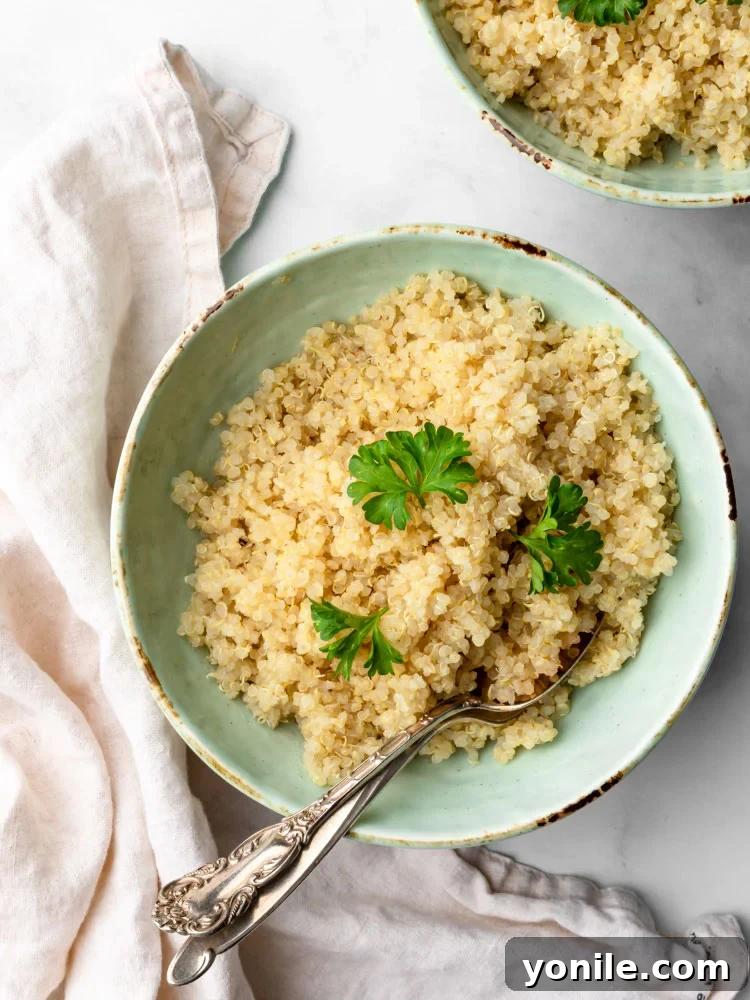
How to Cook Quinoa Perfectly Every Time: 4 Easy Methods for a Superfood Staple
Unlock the secrets to perfectly cooked quinoa with our comprehensive guide. Whether you’re a seasoned chef or a kitchen novice, mastering this versatile superfood is easier than you think. Quinoa, celebrated for its incredible nutritional profile and fluffy texture, can be prepared using various common kitchen appliances: on the stove, in a rice cooker, with an Instant Pot, or even quickly in the microwave. This article will walk you through each method, ensuring you achieve delicious, light, and perfectly cooked quinoa every single time, making meal prep a breeze and adding a powerhouse ingredient to your diet.
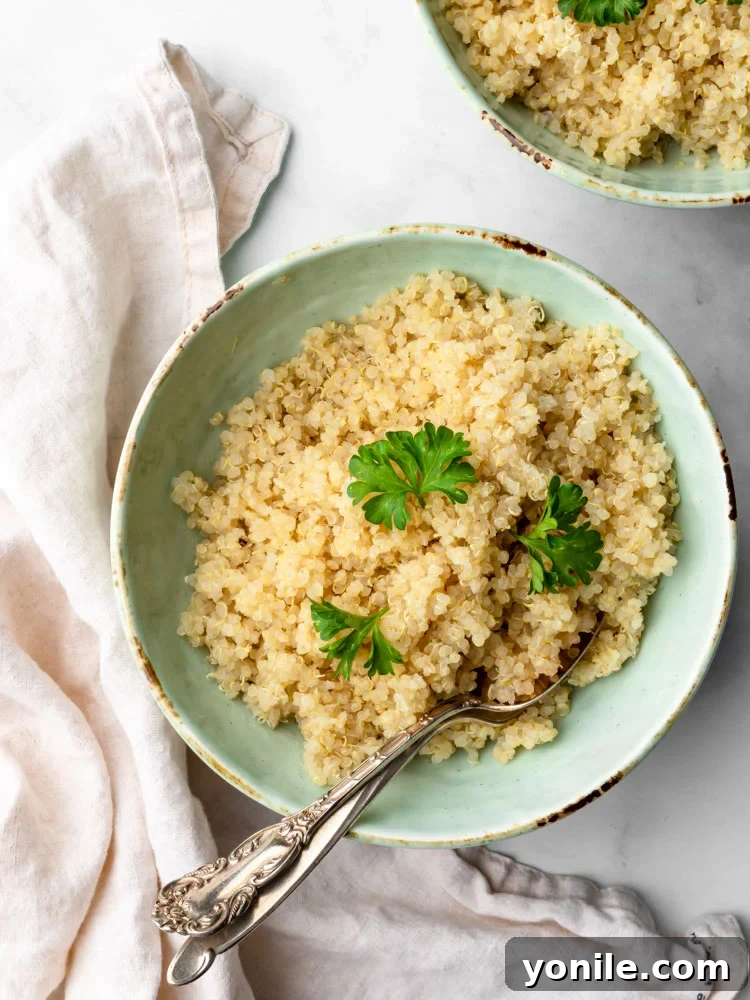
What is Quinoa? The Ancient Superfood Explained
If quinoa is new to your culinary repertoire, prepare to be introduced to a true nutritional marvel. Quinoa (pronounced KEEN-wah) is an ancient grain-like seed, originating from the Andean region of South America. Revered by the Inca civilization as “the mother of all grains,” it held sacred status due to its sustenance and health benefits. While often treated and consumed like a grain, quinoa is technically a pseudocereal, meaning it’s a seed that’s prepared and eaten similarly to cereal grains. Its popularity has skyrocketed globally in recent decades, moving from a niche health food to a mainstream pantry staple, thanks to its exceptional nutritional value and adaptability in countless dishes.
Exploring the Diverse World of Quinoa Varieties
While over 3,000 types of quinoa exist, your local grocery store typically offers the most common and versatile varieties. You’ll usually find white, red, and black quinoa, along with a tricolored blend that combines all three. Each variety boasts unique characteristics that can influence your cooking and dining experience:
- White Quinoa: This is the most common variety, known for its mild flavor and light, fluffy texture once cooked. It expands significantly and has a delicate, almost creamy consistency, making it an excellent substitute for rice in many dishes. Its subtle taste allows it to absorb other flavors beautifully.
- Red Quinoa: With a slightly nuttier flavor and a chewier texture than white quinoa, red quinoa holds its shape better after cooking. This makes it an ideal choice for salads, where you want the grains to remain distinct and firm, adding a pop of color and a hearty bite.
- Black Quinoa: The boldest in flavor, black quinoa has an earthy, slightly sweet taste and the firmest texture. Like red quinoa, it maintains its integrity well, making it perfect for cold salads, pilafs, or as a vibrant contrast in any meal.
- Tricolored Quinoa: A popular blend of white, red, and black quinoa, offering a balanced combination of textures and flavors. This mix provides visual appeal and a comprehensive nutritional profile from all three types, making it a versatile option for various recipes.
Experimenting with different types of quinoa can open up new possibilities in your kitchen, allowing you to tailor the grain to suit your specific dish and preference.
Unlocking the Incredible Health Benefits of Quinoa
Quinoa isn’t just delicious; it’s a nutritional powerhouse packed with essential vitamins, minerals, and plant compounds. Often lauded as a “superfood,” its benefits extend far beyond basic sustenance:
- Complete Protein Source: One of quinoa’s most remarkable attributes is that it’s one of the few plant-based foods considered a complete protein. This means it contains all nine essential amino acids that our bodies cannot produce on their own. With approximately 8 grams of protein per cooked cup, it’s an excellent protein source for vegetarians, vegans, and anyone looking to increase their plant-based protein intake.
- Rich in Fiber: A single cup of cooked quinoa delivers about 5 grams of dietary fiber. Fiber is crucial for digestive health, helping to regulate bowel movements, prevent constipation, and support a healthy gut microbiome. It also contributes to satiety, helping you feel fuller for longer, which can aid in weight management.
- Abundant in Micronutrients: Quinoa is brimming with vital minerals. It’s an excellent source of manganese, which plays a role in bone development and metabolism; magnesium, essential for muscle and nerve function, blood sugar control, and blood pressure regulation; and phosphorus, important for bone health, energy production, and cell repair. It also contains good amounts of iron, folate, copper, and zinc.
- Gluten-Free: Naturally gluten-free, quinoa is a fantastic and safe alternative for individuals with celiac disease or gluten sensitivity, allowing them to enjoy a nutrient-dense “grain” without adverse reactions.
- Antioxidant Properties: Quinoa contains a variety of antioxidants, including quercetin and kaempferol, which help protect the body from damage by free radicals, potentially reducing the risk of chronic diseases.
- Supports Blood Sugar Control: Its high fiber and protein content contribute to a lower glycemic index, meaning it causes a slower and more sustained rise in blood sugar levels compared to refined grains.
- Often Organic and Non-GMO: Quinoa is inherently hardy and resistant to pests, which often means it’s grown organically and is non-GMO, offering a cleaner and more natural food choice.
Incorporating quinoa into your diet is a simple yet effective way to boost your nutrient intake and support overall health and well-being.
How to Cook Quinoa: Four Versatile Methods
Regardless of the method you choose, proper preparation is key to achieving perfectly cooked, flavorful quinoa. The most crucial first step for any cooking method is rinsing.
The Essential First Step: Rinsing Quinoa
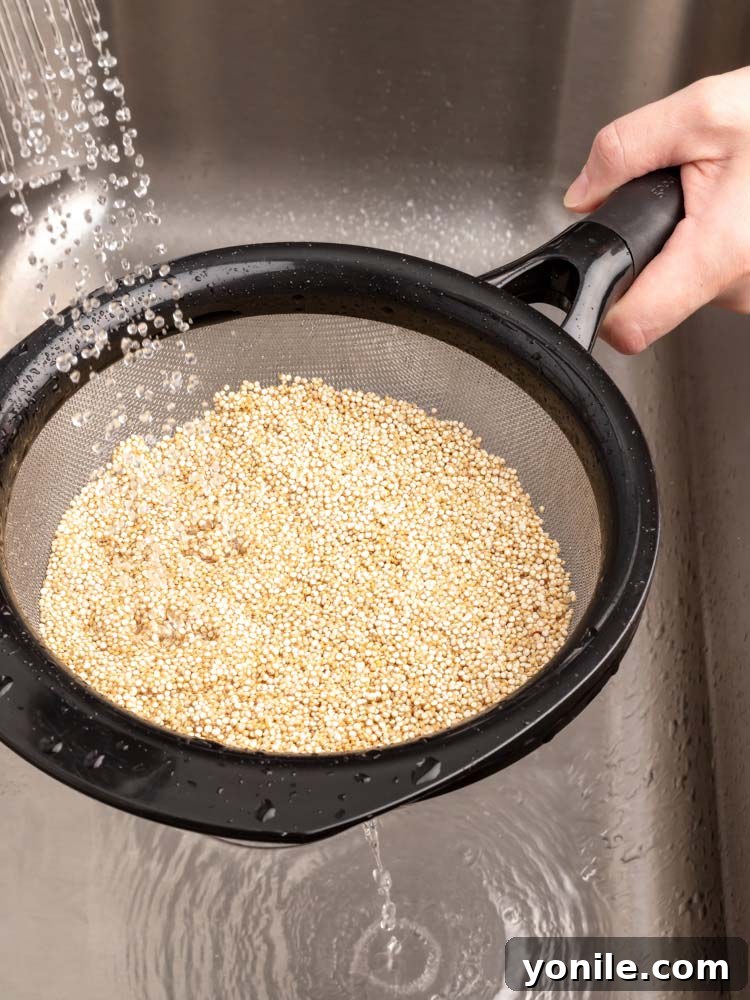
Before you begin cooking, it’s highly recommended to rinse quinoa thoroughly, even if the package states it’s pre-rinsed. Quinoa has a natural coating called saponin, which serves as a protective bitter layer against birds and insects during growth. While most commercially sold quinoa has had much of this coating removed, residual saponin can leave an unpleasant, bitter, or soapy taste if not washed away. Rinsing also helps to achieve a fluffier texture.
- Pour your desired amount of quinoa into a fine mesh colander or sieve.
- Rinse under cold running water for at least 30 seconds to 1 minute, using your fingers to gently agitate the grains. Continue rinsing until the water runs clear and no suds are visible.
- Allow the quinoa to drain thoroughly before proceeding to your chosen cooking method.
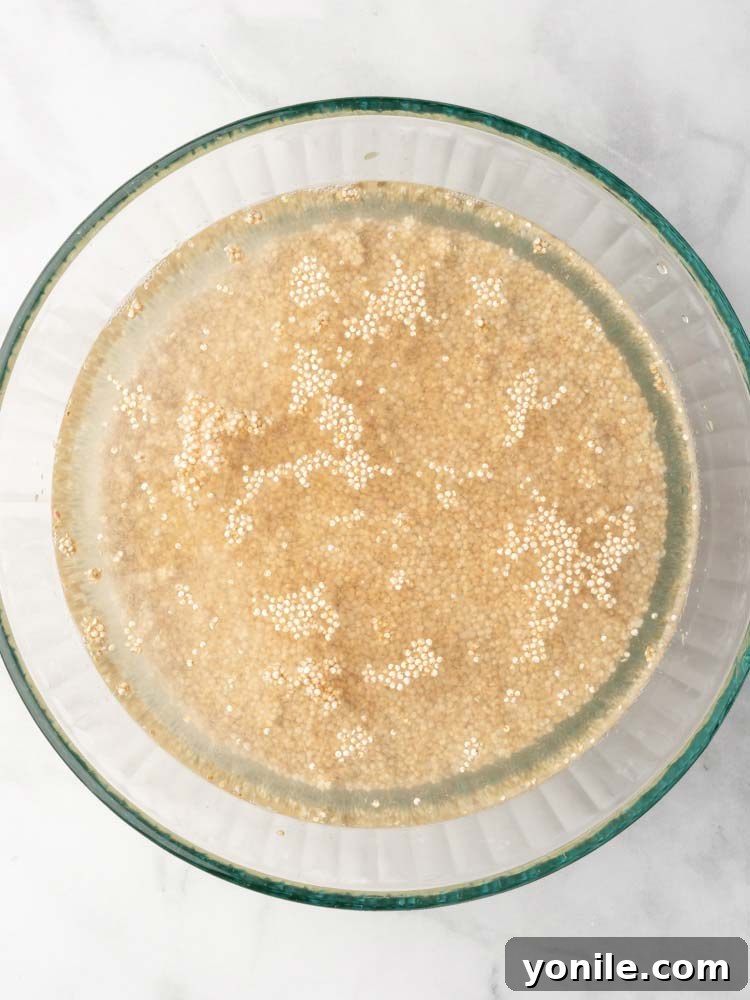
1. Cooking Quinoa on the Stove Top (The Classic Method)
The stovetop method is perhaps the most common and straightforward way to cook quinoa, yielding consistently excellent results. It’s perfect for any quantity and allows you to easily observe the cooking process.
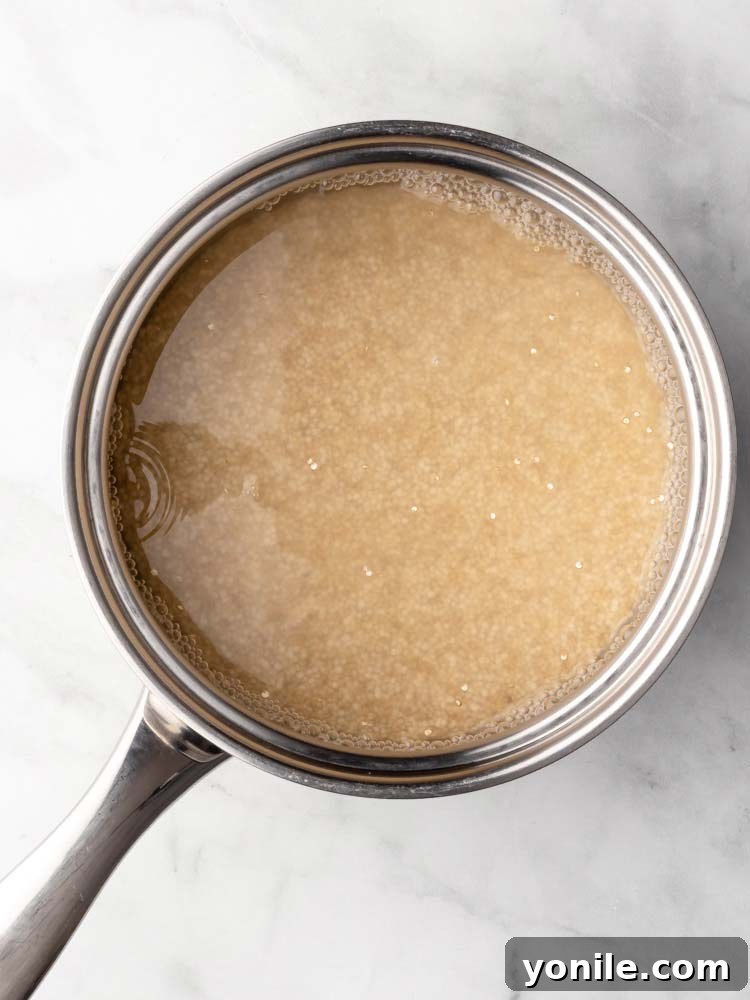
- Combine Ingredients: In a medium saucepan with a tight-fitting lid, combine 1 cup of thoroughly rinsed quinoa with 1 ¾ cups of water or your choice of broth (vegetable or chicken broth adds richer flavor). Add 1 teaspoon of olive oil (to prevent sticking and add a subtle richness) and ½ teaspoon of salt.
- Bring to a Boil: Place the saucepan over medium-high heat and bring the mixture to a rolling boil.
- Simmer and Cover: Once boiling, reduce the heat to low, cover the pot tightly with the lid, and simmer for 15 minutes. Resist the urge to lift the lid during this time, as steam is crucial for proper cooking. The quinoa will absorb most of the liquid.
- Rest: After 15 minutes, remove the pot from the heat (still covered) and let it rest for another 5-10 minutes. This crucial resting period allows the quinoa to fully absorb any remaining liquid and steam, resulting in a lighter, fluffier texture and preventing it from becoming mushy.
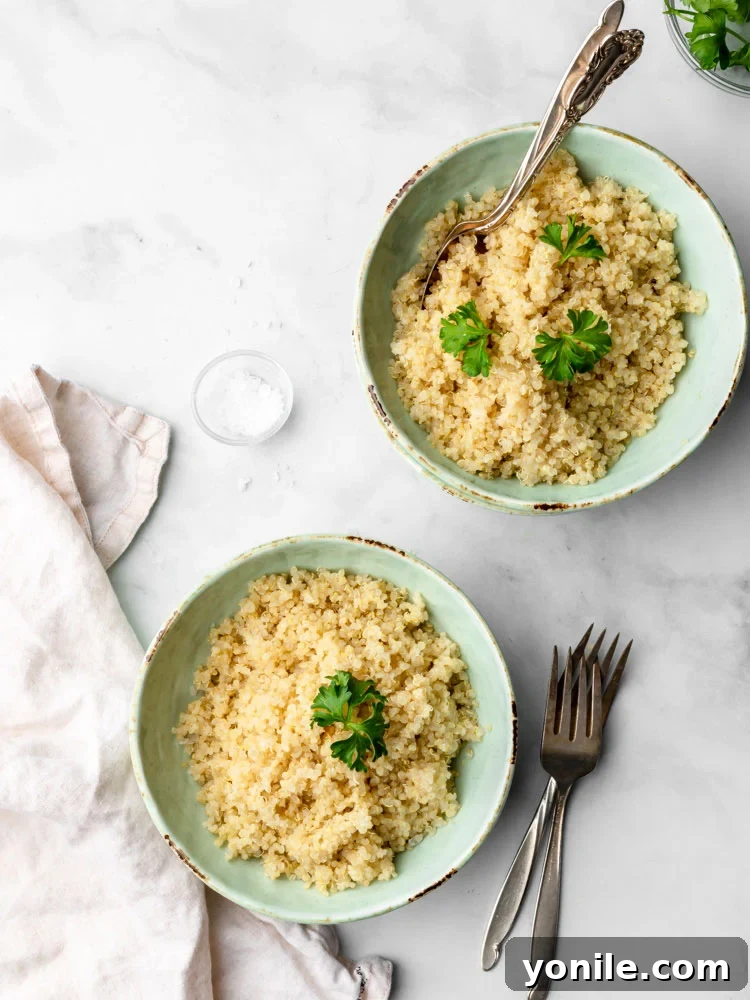
- Fluff and Serve: Remove the lid, and using a fork, gently fluff the quinoa. You’ll notice the little white “tails” (the germ) that spiral around each grain, indicating it’s perfectly cooked. Serve immediately or store for later.

2. Cooking Quinoa in a Rice Cooker (Effortless Perfection)
For a truly hands-off approach, your rice cooker is an excellent tool for preparing quinoa. It offers consistent results and frees you from monitoring a simmering pot.
- Prepare Quinoa: Begin by thoroughly rinsing 1 cup of quinoa in a fine mesh colander under cold running water until the water runs clear.
- Combine in Rice Cooker: Transfer the rinsed quinoa to the inner pot of your rice cooker. Add 1 ¾ cups of water or broth, 1 teaspoon of olive oil, and ½ teaspoon of salt. Stir gently to combine.
- Cook: Close the lid of the rice cooker and select the “white rice” or “quinoa” setting, if available. If not, the standard white rice setting usually works perfectly. The cooking time will vary by model, typically ranging from 15 to 30 minutes, and the machine will automatically switch to “warm” when done.
- Rest: Once the cooking cycle is complete and the rice cooker switches to warm, allow the quinoa to rest, still covered, for 5-10 minutes. This ensures all liquid is absorbed and the grains are fully steamed.
- Fluff and Serve: Open the lid, fluff the quinoa with a fork, and serve.
3. Cooking Quinoa in an Instant Pot (Speed and Efficiency)
The Instant Pot is a game-changer for speed and convenience, drastically cutting down the cooking time for quinoa while still delivering a perfectly fluffy texture.
- Rinse Quinoa: Start by thoroughly rinsing 1 cup of quinoa under cold running water in a fine mesh colander.
- Prepare Pot: To prevent sticking, lightly spray the inside of your Instant Pot liner with a non-stick cooking spray or a thin layer of olive oil.
- Add Ingredients: Place the rinsed quinoa into the Instant Pot. Add 1 ½ cups of water or broth (note the slightly lower liquid ratio for pressure cooking), 1 teaspoon of olive oil, and ½ teaspoon of salt. Stir gently.
- Pressure Cook: Secure the lid and ensure the steam release valve is set to the “Sealing” position. Select the “Manual” or “Pressure Cook” button and set the cooking time to 1 minute on high pressure. It will take about 5-10 minutes for the Instant Pot to build pressure before the actual cooking time begins.
- Natural Pressure Release (NPR): Once the cooking cycle is complete, allow the pressure to release naturally for 10 minutes (NPR). This means do not touch the steam release valve for 10 minutes. After 10 minutes, carefully switch the steam release valve to “Venting” to quick release any remaining pressure.
- Fluff and Serve: Open the lid, fluff the quinoa with a fork, and enjoy your perfectly cooked, fluffy quinoa.
4. Cooking Quinoa in the Microwave (Quickest for Small Batches)
For those times when you need a small batch of quinoa quickly, the microwave is surprisingly effective. This method is best for 1-2 servings.
- Rinse Quinoa: Thoroughly rinse 1 cup of quinoa in a fine mesh colander under cold running water.
- Combine in Microwave-Safe Bowl: In a large, microwave-safe bowl (ensure it’s large enough to prevent boil-overs, at least 2-quart capacity for 1 cup of quinoa), combine the rinsed quinoa with 1 ¾ cups of water or broth, 1 teaspoon of olive oil, and ½ teaspoon of salt. Stir well.
- First Cook Cycle: Place a microwave-safe plate or lid loosely on top of the bowl (to allow steam to escape but prevent splattering). Microwave on high power for 6 minutes.
- Stir and Second Cook Cycle: Carefully remove the bowl (it will be hot!). Stir the quinoa, re-cover it loosely, and return it to the microwave. Cook for another 2 minutes on high power.
- Rest: After the second cooking cycle, remove the bowl and let it rest, covered, for 5 minutes. This allows the remaining liquid to be absorbed and the quinoa to steam, resulting in a more tender texture.
- Fluff and Serve: Remove the lid, fluff with a fork, and serve your quick microwave quinoa.
Frequent Questions About Cooking Quinoa
What is the ideal ratio of quinoa to water (or liquid)?
For most stovetop, rice cooker, and microwave methods, the best ratio is 1 cup of dry quinoa to 1 ¾ cups of liquid. This ratio consistently produces fluffy, tender quinoa. For the Instant Pot, due to less evaporation, a slightly lower ratio of 1 cup of dry quinoa to 1 ½ cups of liquid is recommended. You can use plain water for a neutral flavor, or opt for low-sodium vegetable or chicken broth to infuse your quinoa with richer, savory notes.
Do you really have to rinse quinoa before cooking?
Yes, absolutely! While some quinoa packages claim to be pre-rinsed, it’s always best practice to give it a quick rinse yourself. This removes the natural bitter coating called saponin, which can leave an unpleasant, soapy aftertaste if not washed away. Rinsing ensures a clean, mild flavor and a fluffier texture. It only takes a minute and makes a big difference in the final taste.
How do you know when quinoa is done cooking?
The easiest way to tell if your quinoa is perfectly cooked is to look for the “germ” or “tail.” As the quinoa cooks, the tiny germ separates from the seed and spirals outward, creating a small, white, translucent ring or “halo” around the grain. The quinoa itself will be translucent and tender, with a slight chewiness, but not mushy. If you still see a lot of liquid, it needs more time; if it’s dry but no halos, it might need a splash of water and a few more minutes, or simply more rest time.
Is quinoa better than rice, nutritionally speaking?
Both quinoa and rice are healthy grains (or pseudograins), but quinoa generally boasts a superior nutritional profile. Quinoa contains significantly more protein and fiber than most types of cooked rice, making it a more satiating and nutrient-dense option. It’s also a complete protein, which is rare for plant foods. While the choice between them often comes down to personal preference for flavor and texture, if you’re looking for a healthier, more nutrient-packed alternative, quinoa often takes the lead, especially in terms of protein, fiber, and micronutrient content.
How long does cooked quinoa last, and how should I store it?
Cooked quinoa, when stored properly in an airtight container in the refrigerator, will last for up to 5-7 days. It’s excellent for meal prepping as it reheats well. For longer storage, you can freeze cooked quinoa. Spread it in a single layer on a baking sheet to freeze, then transfer the frozen grains to an airtight freezer-safe bag or container. It can be stored in the freezer for 8-12 months. To reheat, simply microwave or warm on the stovetop with a splash of water or broth to rehydrate.
Can I cook quinoa without oil or salt?
Yes, you can certainly cook quinoa without oil or salt if you prefer or are following dietary restrictions. The olive oil is primarily added to help prevent sticking and add a subtle flavor, while salt enhances the taste. The quinoa will still cook perfectly fine without them, though it might be a bit blander and slightly more prone to sticking. You can always season it generously after cooking.
What can I use cooked quinoa for?
Cooked quinoa is incredibly versatile! It can be used as a healthy side dish in place of rice or pasta, as the base for grain bowls, added to salads for extra protein and texture, incorporated into soups and stews, used in breakfast porridges, or even as a binding agent in vegetarian burgers and meatballs. Its neutral flavor makes it adaptable to both sweet and savory applications.
How can I make my quinoa more flavorful?
Beyond using broth instead of water, there are many ways to add flavor to your quinoa. Sauté aromatics like minced garlic, onion, or shallots in olive oil before adding the quinoa and liquid. You can also add dried herbs (like thyme or oregano) or a bay leaf during cooking. A squeeze of lemon juice, a pat of butter, or a sprinkle of fresh herbs after cooking can also brighten the flavor.
Delicious Recipes Featuring Cooked Quinoa
Once you’ve mastered cooking quinoa, a world of culinary possibilities opens up! Here are some fantastic recipes where perfectly cooked quinoa shines:
- Mediterranean Quinoa Salad: A vibrant, fresh, and protein-packed salad perfect for a light lunch or side dish.
- Caribbean Jerk Fish Bowl: A flavorful and hearty bowl featuring seasoned fish served over fluffy quinoa.
More Helpful Cooking Tutorials You May Enjoy
Looking to expand your cooking skills even further? Check out these other useful tutorials:
- How to Cook Cauliflower Rice
- How to Bake Potatoes
- How to Poach an Egg
- How to Make Perfect Hard Boiled Eggs
We hope this detailed guide empowers you to cook perfect quinoa every time, regardless of your preferred kitchen appliance. This nutritious and versatile superfood is a fantastic addition to any diet, offering a wealth of health benefits and endless culinary possibilities. Experiment with different varieties, explore new recipes, and enjoy the satisfaction of creating delicious, healthy meals!
If you try this recipe and love it, please share your creations with us! Use my hashtag #cookinwithmima on INSTAGRAM for a chance to be featured in my story! Don’t forget to follow Cookin’ With Mima on FACEBOOK, INSTAGRAM, and PINTEREST for all the latest social posts, recipes, and cooking inspiration. Happy cooking!