
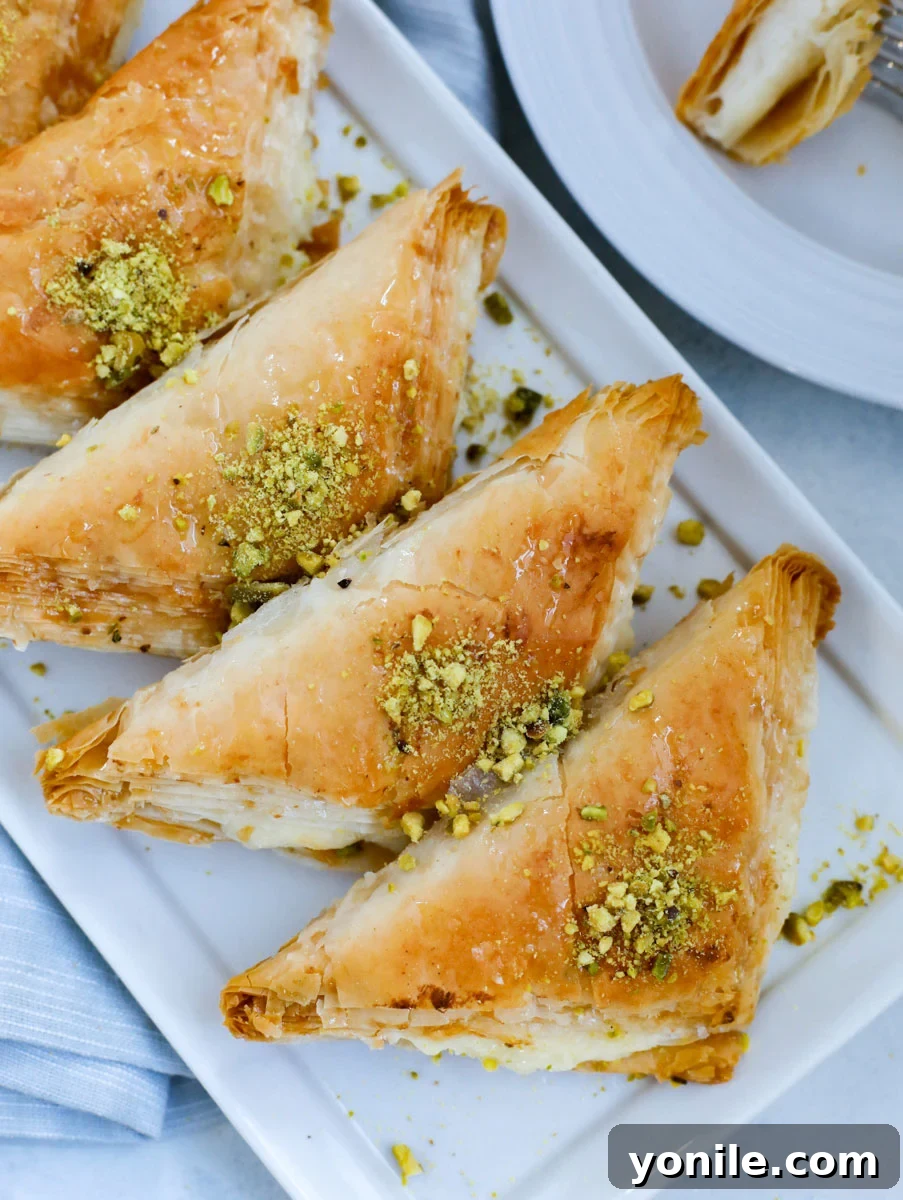
Discover the Irresistible Charm of Lebanese Shaabiyat: A Crispy, Creamy Delight
Our journey into the heart of Middle Eastern sweets brings us to the delightful Lebanese Shaabiyat, a pastry that embodies tradition, taste, and texture in every bite. These exquisite treats are a symphony of delicate, flaky phyllo dough layers, generously brushed with a rich butter and shortening mixture, then lovingly filled with the most heavenly, traditional homemade Ashta cream. Baked to golden perfection and drizzled with a fragrant sugar syrup infused with rose and orange blossom water, Shaabiyat offers an unparalleled experience for your palate. Whether you know them as Shaabiyat or Warbat Bil-Ashta, these crunchy, dreamy, and sweet pastries are an absolute masterpiece, perfect for special occasions, holidays like Ramadan, or simply to elevate any ordinary day into an extraordinary one. Prepare to be captivated by this authentic Lebanese dessert that is sure to become a cherished favorite in your home.
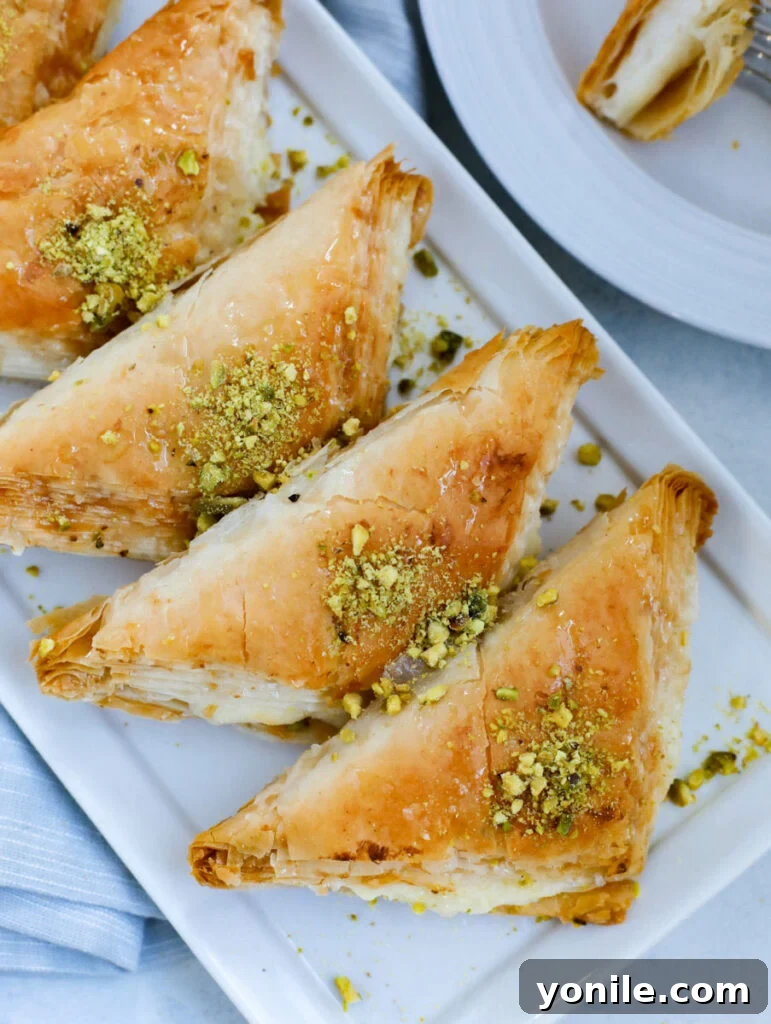
What Exactly are Shaabiyat? An Authentic Middle Eastern Delicacy
Shaabiyat, often referred to as Warbat Bil-Ashta in many other Middle Eastern countries, is far more than just a dessert; it’s a culinary tradition deeply woven into the fabric of Lebanese and regional cuisine. These triangular pastries are celebrated not only in Lebanon but also across Syria, Jordan, Palestine, and other parts of the Levant, especially during festive seasons like Ramadan. During the holy month, families gather after Iftar to enjoy these sweet, comforting treats, symbolizing joy and togetherness. At its core, Shaabiyat is crafted from myriad thin sheets of phyllo dough – so fine they are almost transparent – stacked and brushed with a luscious blend of melted butter and shortening (or traditional ghee). This meticulous layering is what gives Shaabiyat its signature shatteringly crisp exterior, a delightful contrast to the rich, smooth, and aromatic Ashta cream nestled within. Each bite delivers a burst of texture and flavor, from the golden, buttery crunch of the pastry to the subtly sweet, milky coolness of the filling, all harmonized by a fragrant orange blossom and rose water-infused syrup. It’s a dessert that perfectly balances richness with delicate freshness, making it incredibly addictive and memorable.
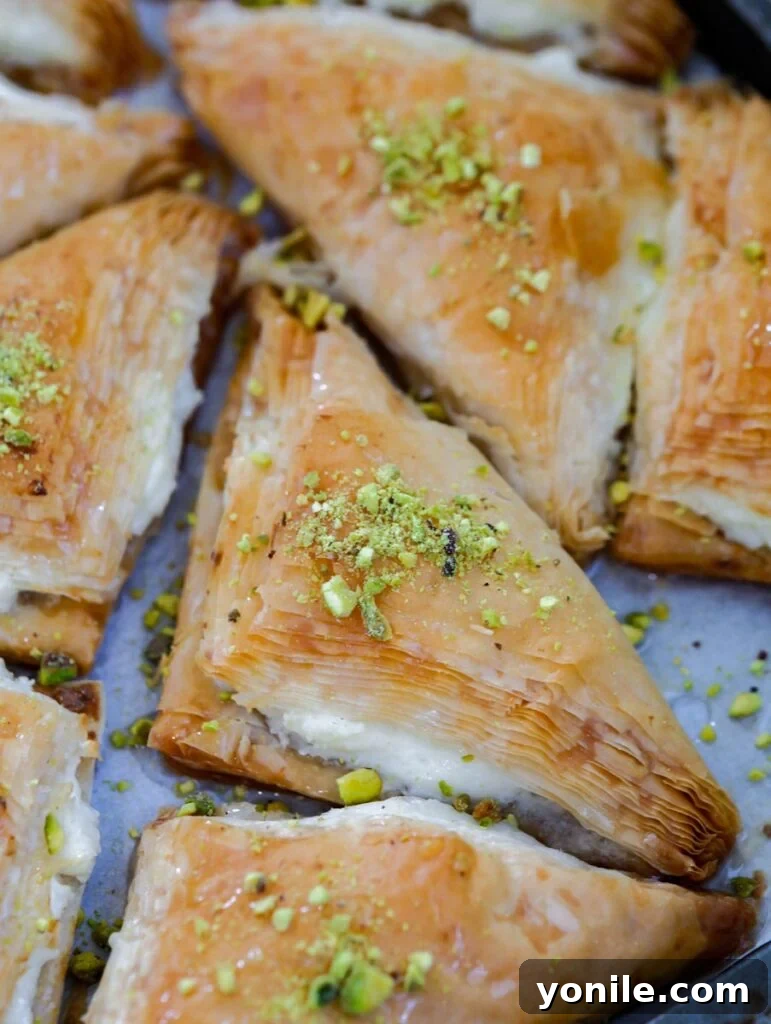
For those eager to explore more traditional Lebanese sweets, be sure to delve into other popular recipes such as Namoura (semolina cake) and Sfouf (turmeric cake), both readily available on my blog. Don’t forget to check out our extensive collection of Lebanese Recipes for more culinary inspirations!
Why This Shaabiyat Recipe is a Must-Try: Guaranteed Success for Every Home Cook
After years of meticulous testing and refining, this Shaabiyat recipe has evolved into a truly foolproof guide, making it accessible and rewarding for cooks of all skill levels – even those new to Middle Eastern pastries. We understand that working with phyllo dough might seem intimidating, but this recipe breaks down each step into manageable, clear instructions, ensuring a delightful outcome every time. The ingredients required are not only simple to source from most local grocery stores but are also key to achieving that authentic, coveted Shaabiyat flavor and texture. Beyond its simplicity, the true magic of this recipe lies in its ability to produce pastries that are consistently crunchy, perfectly sweet, and bursting with creamy Ashta. Imagine the sheer delight and “WOW” factor when you present these golden, glistening beauties to your guests. This isn’t just a recipe; it’s an invitation to create a show-stopping dessert that tastes incredibly complex yet is surprisingly easy to master. Get ready to impress everyone with your newfound Lebanese dessert-making prowess!
Crafting Lebanese Shaabiyat: A Step-by-Step Culinary Journey
Creating magnificent Shaabiyat pastries is a rewarding culinary endeavor that, when approached systematically, is surprisingly straightforward. The key to success lies in proper preparation and timing. We’ll begin by focusing on the heart of this dessert: the luscious homemade Ashta cream filling. It’s crucial for the Ashta to be completely cooled and set before it’s used to fill the delicate phyllo dough. This allows the cream to maintain its shape and rich consistency during the baking process, preventing any undesirable oozing. For those with busy schedules, a fantastic tip is to prepare the Ashta cream a day or two in advance. Not only does this save time on the main baking day, but it also allows the flavors to deepen and the cream to chill thoroughly, resulting in an even more sublime filling. Let’s dive into the details of each component, ensuring every aspect of your Shaabiyat is perfect.
The Heart of the Dessert: Preparing Authentic Homemade Ashta Cream
The exquisite Ashta cream is the soul of Lebanese Shaabiyat, offering a creamy, delicate contrast to the crispy phyllo. Making it from scratch is simpler than you might imagine and yields a flavor profile far superior to any store-bought alternative. This traditional filling is a testament to the simplicity and richness of Middle Eastern dairy desserts.
Essential Ingredients for Homemade Ashta:
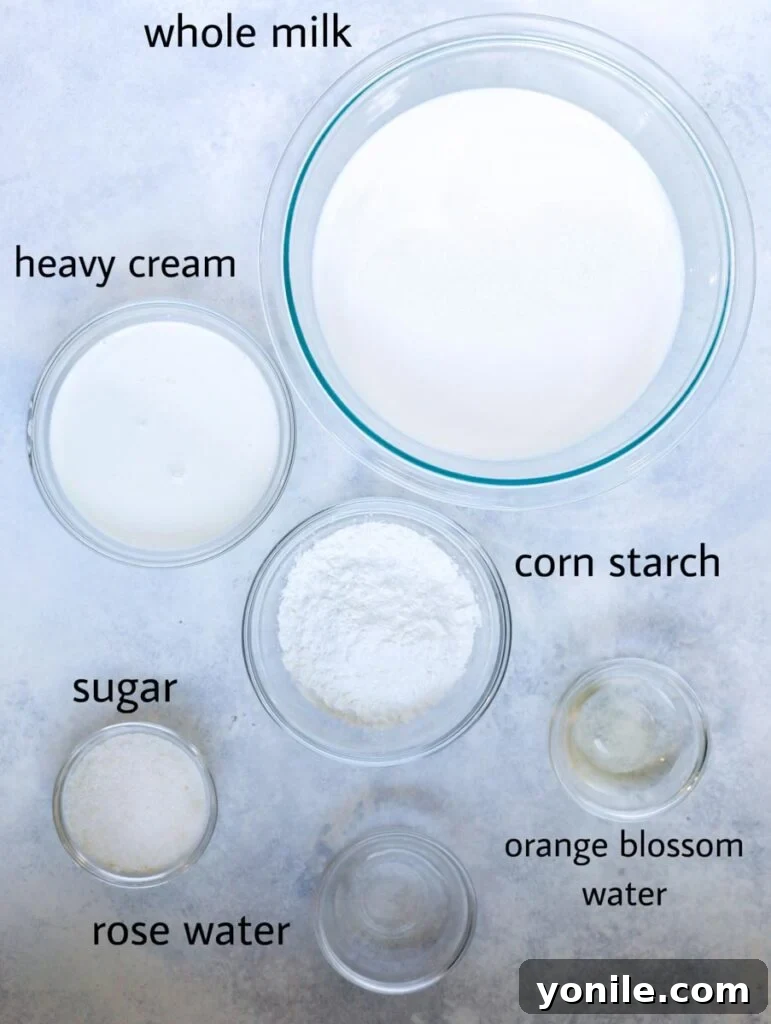
- Whole Milk: The base for a rich and creamy texture.
- Heavy Cream: Adds extra richness and velvety smoothness.
- Cornstarch: The crucial thickening agent that gives Ashta its characteristic firm yet tender consistency.
- Sugar: Provides a subtle sweetness that balances the dairy flavors without overpowering the dessert.
- Rose Water: Infuses the cream with its distinctive, delicate floral aroma, a hallmark of Middle Eastern sweets.
- Orange Blossom Water: Complements the rose water, adding another layer of fragrant, citrusy notes.
Step-by-Step Guide to Crafting Your Ashta Filling:
- In a medium-sized, heavy-bottomed pot, combine the whole milk, heavy cream, cornstarch, and sugar. Whisk these ingredients together thoroughly until the cornstarch is completely dissolved and no lumps remain. This initial mixing is vital for achieving a silky-smooth final product.
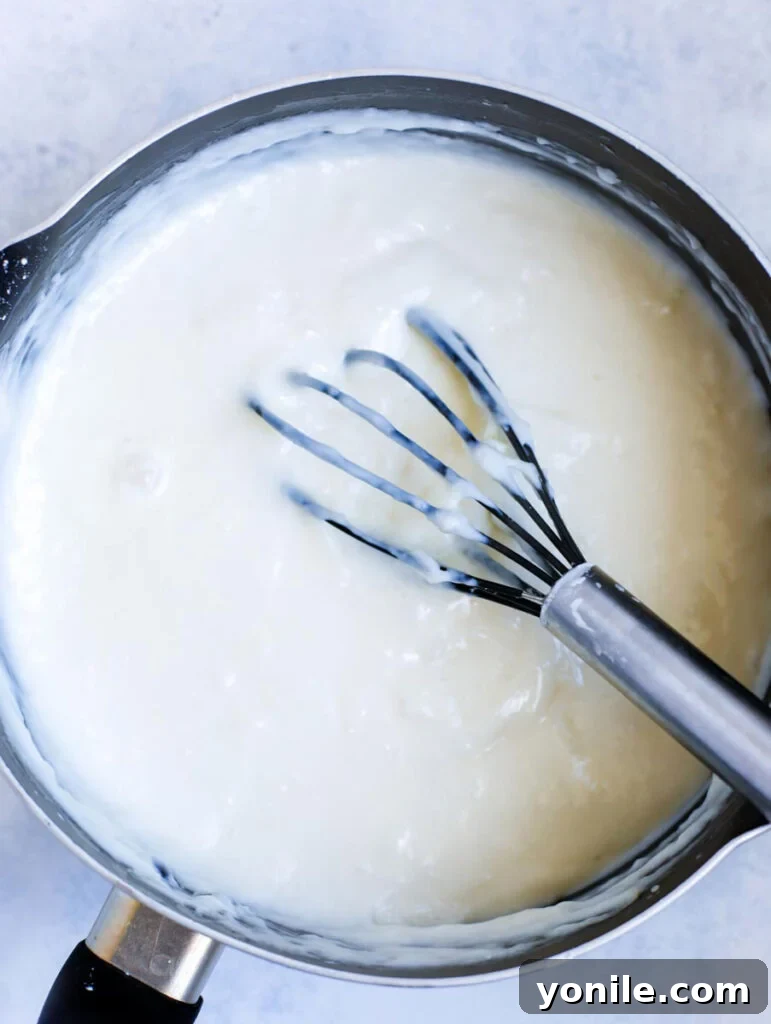
- Place the pot over medium heat, continuously whisking the mixture. The constant stirring prevents sticking to the bottom of the pot and ensures even cooking, which is crucial for a smooth cream. Continue to whisk as the mixture gradually heats and begins to thicken. Patience here is key; do not rush the process by increasing the heat.
- Once the cream starts to boil and has visibly thickened to a rich, pudding-like consistency, reduce the heat to low. Continue to whisk gently for another minute or so, allowing the cornstarch to fully cook out and the cream to achieve its desired smoothness. The goal is a velvety, lump-free texture.
- Immediately remove the pot from the heat. Pour the hot Ashta mixture into a clean Pyrex dish or a shallow serving dish. This helps it cool more quickly and evenly.
- Cover the surface of the Ashta directly with plastic wrap, ensuring the wrap touches the cream. This prevents a skin from forming as it cools. Allow the Ashta to cool completely at room temperature for at least 30 minutes. For an even firmer consistency, or if you’re preparing it ahead of time, you can then transfer it to the refrigerator for an additional 15 minutes to an hour, or even overnight. A well-chilled Ashta is much easier to work with when filling the phyllo pastries.
Crafting the Aromatic Sugar Syrup (Ater): The Perfect Sweet Glaze
While your homemade Ashta cream is cooling, this is the ideal time to prepare the fragrant sugar syrup, known as “Ater” in Arabic. This syrup is not just a sweetener; it’s an essential component that infuses the Shaabiyat with its characteristic glistening sheen and delicate floral essence. Its balance of sweetness and aromatics is critical to the overall flavor profile of the dessert. Be sure to allow the syrup to cool completely before using it on the baked pastries, as hot syrup can make the phyllo soggy.
- In a medium saucepan, combine the sugar and water. Bring the mixture to a boil over medium-high heat, stirring occasionally until the sugar completely dissolves.
- Once the syrup begins to boil vigorously, reduce the heat to medium-low and let it simmer for precisely 5 minutes. Do not stir the syrup once it has come to a boil, as this can cause crystallization.
- After 5 minutes, carefully add the fresh lemon juice, orange blossom water, and rose water to the simmering syrup. The lemon juice is vital as it prevents the sugar from crystallizing, ensuring a smooth, clear syrup. The floral waters are what give the syrup its signature Middle Eastern aroma.
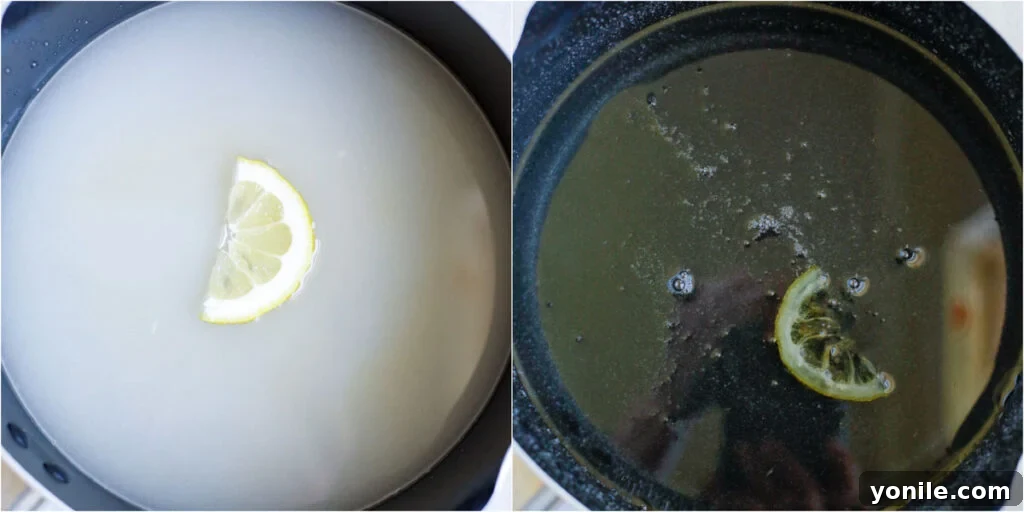
- Continue to simmer for another 2 minutes on low heat. Then, remove the pot from the heat and allow the syrup to cool completely to room temperature. It’s imperative that the syrup is cool when drizzled over the hot Shaabiyat to achieve the perfect crunchy texture. Store any leftover syrup in an airtight container at room temperature for future use in other Middle Eastern desserts.
Mastering the Phyllo Dough: Creating the Crispy Layers
Working with phyllo dough might seem intimidating, but with a little care, it’s a surprisingly forgiving and rewarding process. The key to super crispy Shaabiyat lies in generous brushing with the butter and shortening mixture and precise handling of the delicate sheets. Remember, only begin preparing your phyllo sheets once your Ashta cream has fully cooled and is ready to be used as a filling.
Ingredients for the Phyllo Pastry:
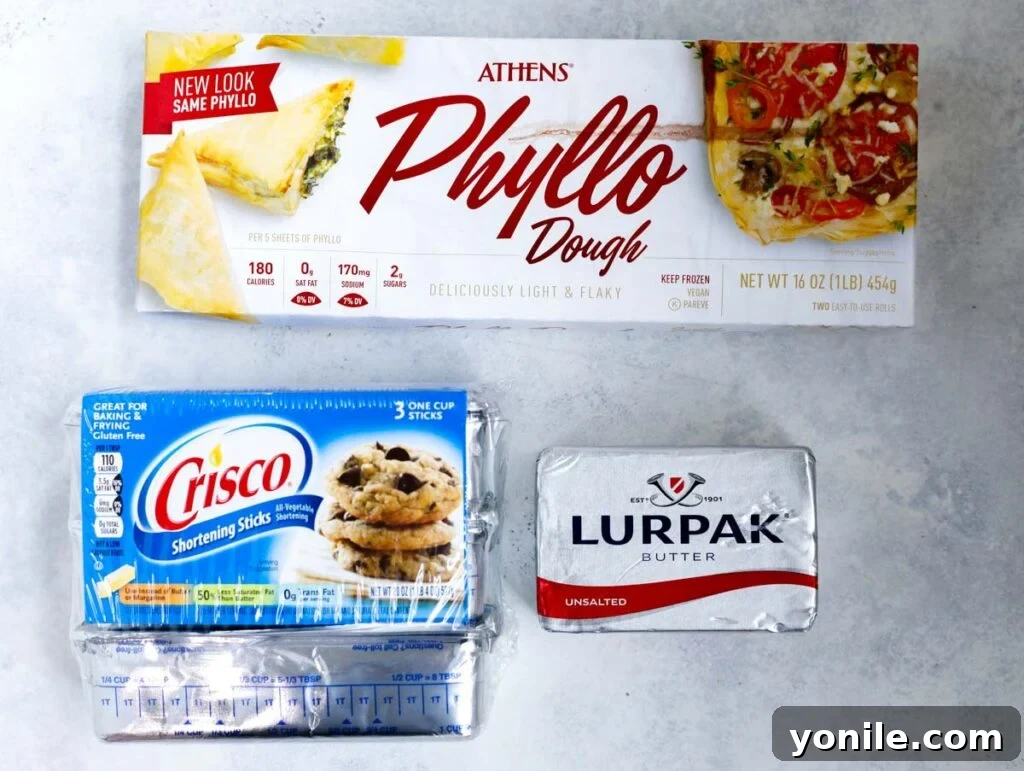
- Phyllo Dough: Choose a good quality, fresh phyllo dough (typically found in the frozen section). Ensure it’s thawed properly in the refrigerator overnight before use.
- Unsalted Butter: Adds rich flavor and helps in browning.
- Vegetable Shortening (Crisco): Crucial for achieving that ultimate crunch and flaky texture that butter alone cannot provide.
Step-by-Step Phyllo Preparation and Assembly:
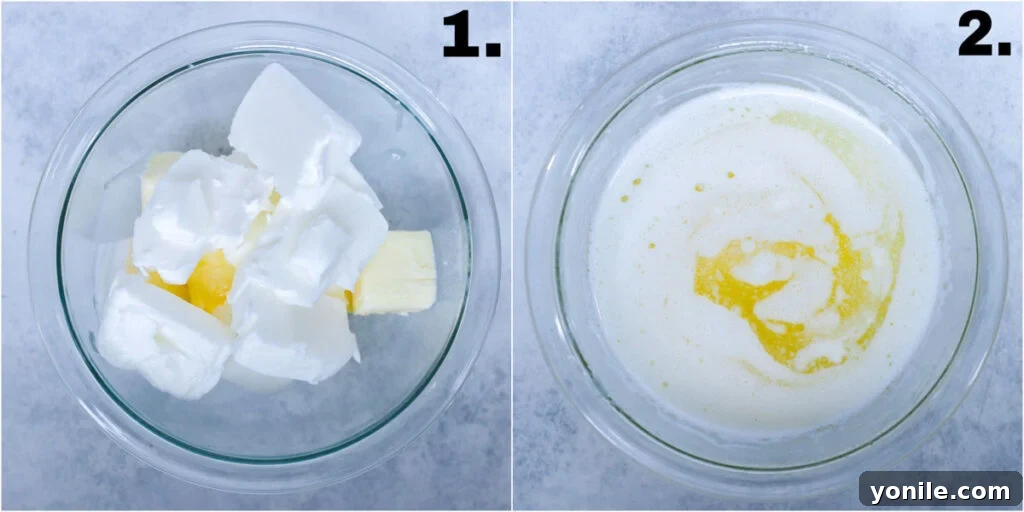
- In a microwave-safe bowl, combine the unsalted butter and vegetable shortening. Microwave for about 1 minute, or just long enough for the mixture to fully melt without becoming excessively hot. You want a warm, liquid consistency that’s easy to brush. Avoid overheating, as this can cook the butter and affect the flavor.
- Carefully remove the phyllo sheets from their packaging. It’s important to keep the unused sheets covered with a slightly damp cloth to prevent them from drying out and becoming brittle. Lay one sheet of phyllo dough flat on a clean cutting board or a spacious kitchen counter. Using a pastry brush, generously brush the entire surface of the phyllo sheet with the melted butter and shortening mixture.
- Gently place another phyllo sheet directly on top of the first brushed sheet. Repeat the brushing process. Continue this layering and brushing technique until you have stacked 15 sheets of phyllo dough. This specific number of layers is carefully chosen to achieve the ideal thickness and crunch for your Shaabiyat, ensuring they are substantial enough to hold the filling yet wonderfully crisp.
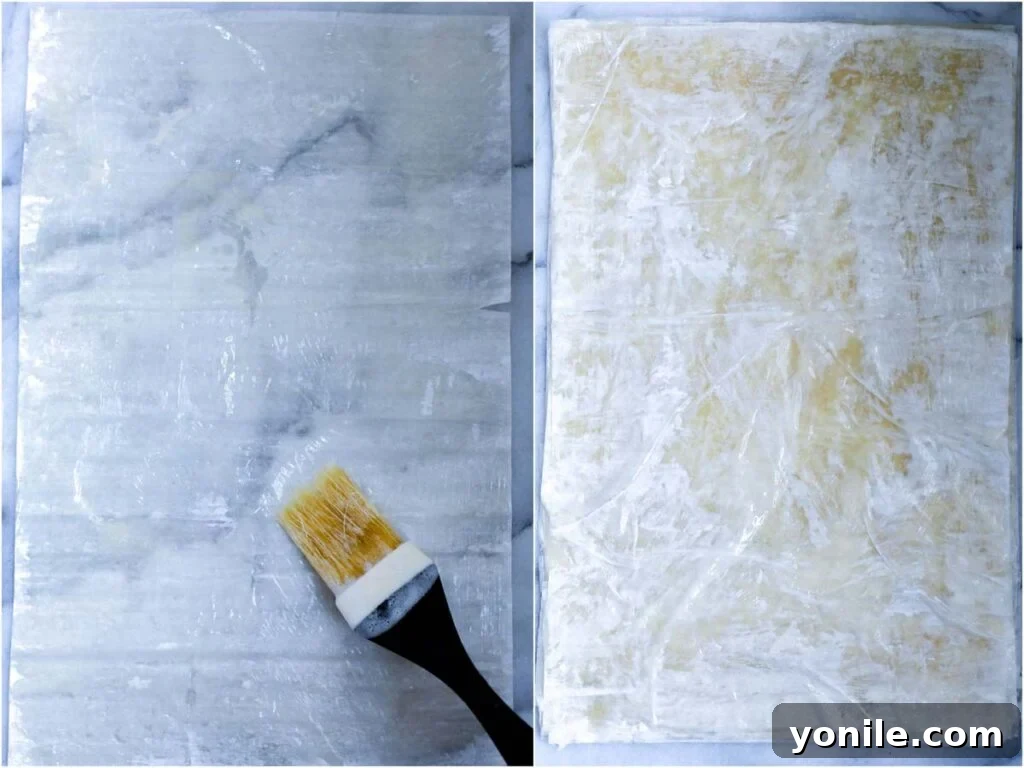
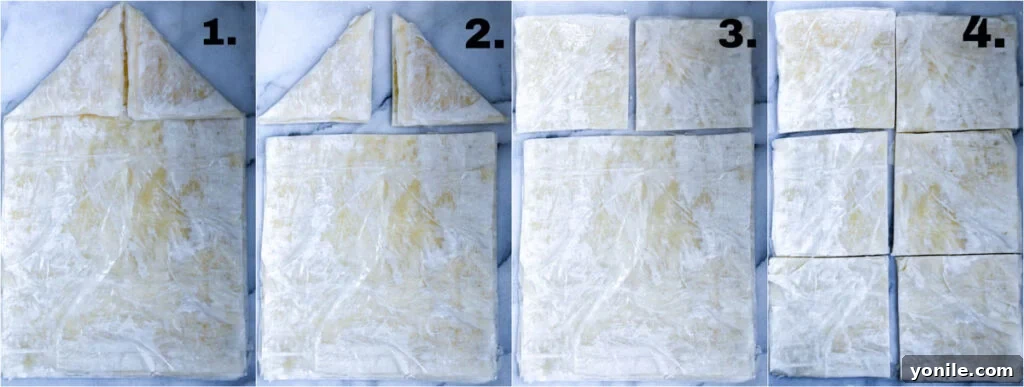
- Once your stack of 15 brushed phyllo sheets is complete, it’s time to cut them into even squares. The exact size of your squares will depend on the dimensions of your phyllo sheets. For example, if you’re using 9×14 inch phyllo dough (a common size from brands like Athens or found at Target), you can typically cut them into approximate 3-inch squares or eye-ball the divisions as shown in the image. The key is consistency in size for even baking. You can carefully fold the large sheet to guide your cuts, or use a ruler for precision if preferred.
- Now for the filling! Place a generous, heaped teaspoonful (using a standard kitchen teaspoon) of the cooled Ashta cream directly in the center of each phyllo square. The amount is important: you want enough cream so that it’s visible and satisfying, but not so much that it overflows during baking. Overfilling can lead to messy leakage and an uneven bake.
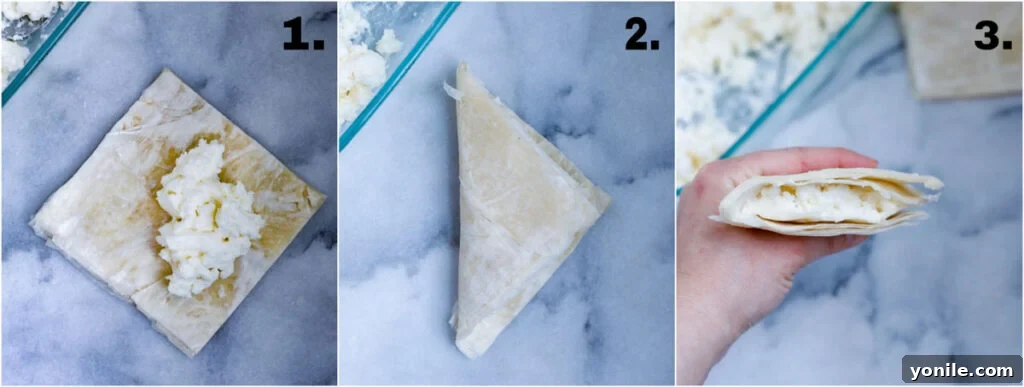
- To form the classic triangular shape, gently fold one corner of the square over the Ashta filling to meet the opposite corner, creating a triangle. Seal the edges lightly by pressing them together. The butter mixture will help them adhere.
- Carefully arrange the formed Shaabiyat pastries on a baking sheet lined with parchment paper. There’s no need to butter the parchment paper, as the phyllo itself is already rich with butter and shortening. Ensure a little space between each pastry for even air circulation.
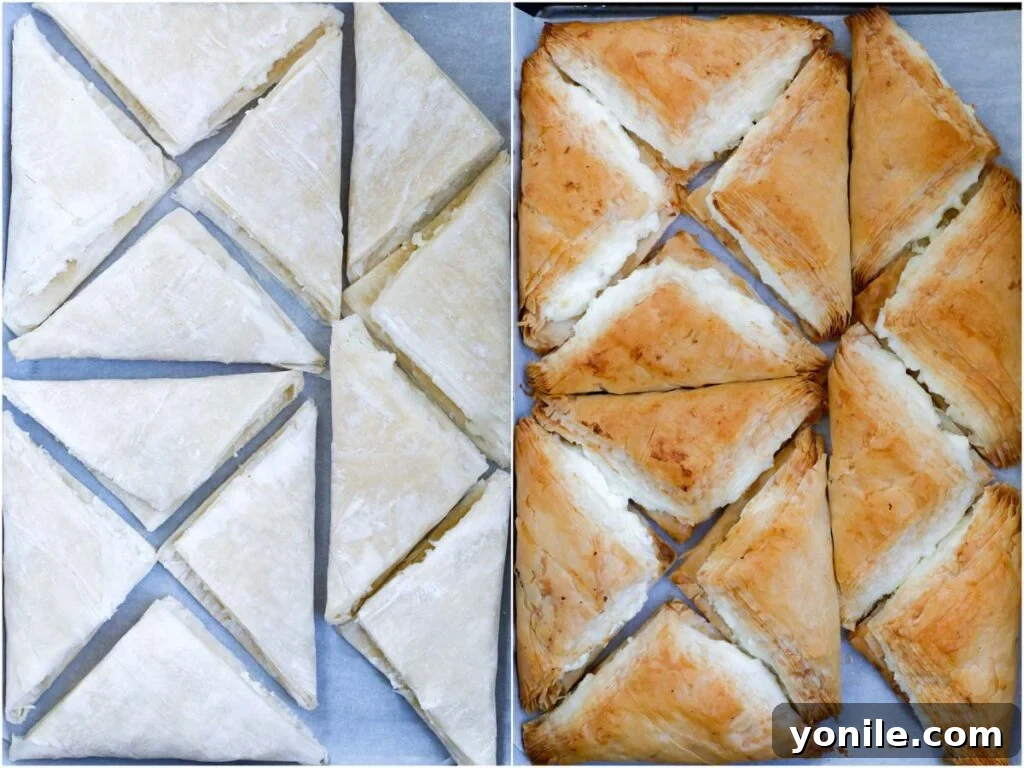
- Preheat your oven to 375°F (190°C). Bake the Shaabiyat for approximately 30 minutes, or until they achieve a beautiful, rich golden-brown color. Keep a close eye on them, especially towards the end of the baking time, as ovens vary. Resist the temptation to use the broiler, as phyllo can burn very quickly and unevenly under direct high heat.
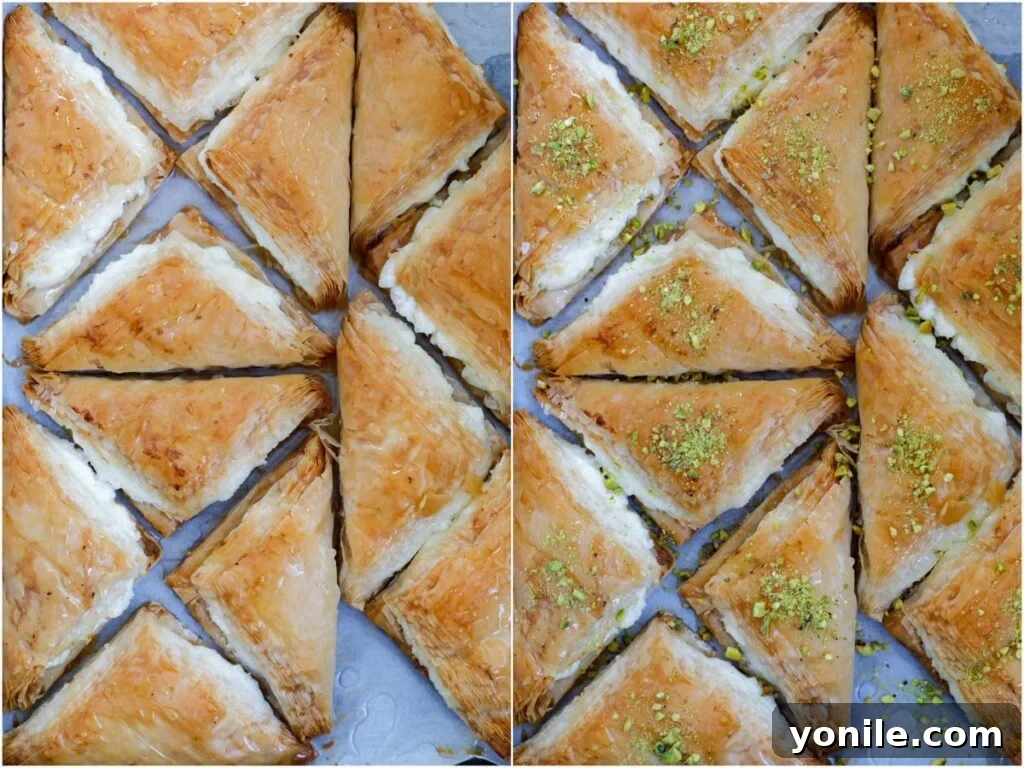
- Immediately upon removing the hot Shaabiyat from the oven, generously drizzle them with 1 to 1 1/4 cups of the completely cooled sugar syrup. The hot pastry will readily absorb the cool syrup, ensuring maximum flavor and a delightful crunch. You can adjust the amount of syrup according to your preferred level of sweetness.
- For an authentic finish, sprinkle the pastries with finely ground pistachios. These not only add a pop of color but also a subtle nutty flavor and extra texture.
- Allow the Shaabiyat to cool at room temperature for at least 2 hours. This cooling period is crucial for them to firm up and for the flavors to meld beautifully. For the best crispness and flavor, transfer them to the refrigerator, uncovered, for another 2 hours or longer before serving. Keeping them uncovered helps maintain their desirable crunch. When ready to serve, arrange them elegantly on a platter and prepare for rave reviews!
Unlock Perfection: Expert Tips & Frequently Asked Questions for Shaabiyat
Achieving perfectly crisp, creamy, and flavorful Shaabiyat is easy with these insider tips and answers to common queries. Following these guidelines will ensure your dessert is nothing short of spectacular.
- Plan Ahead with Ashta: To significantly reduce your prep time on baking day, make the Ashta cream filling 1-2 days in advance. Store it covered tightly in the refrigerator. A well-chilled and set Ashta is much easier to portion and handle, ensuring cleaner pastries.
- Precision with Sugar Syrup (Ater): When making the sugar syrup, resist the urge to overcook it. Boiling the syrup for too long can cause it to crystallize, resulting in a grainy texture instead of a smooth, pourable glaze. Follow the timing precisely, and the lemon juice is your best friend in preventing crystallization.
- The Power of the Butter-Shortening Blend: Do not be tempted to use only butter for brushing the phyllo dough. While butter offers flavor, the combination of butter and vegetable shortening (like Crisco) is paramount for achieving that signature, unparalleled crispness and flakiness that defines Shaabiyat. I’ve tested this extensively, and the texture difference is remarkable. If you prefer, you can substitute the shortening with a good quality, flavorless ghee, preferably vegetarian, to avoid any strong animal flavors that might interfere with the delicate taste of the pastry.
- Maintain the Crunch: Store Uncovered: After baking and drizzling with syrup, it is absolutely essential not to cover the Shaabiyat while they cool or when stored in the refrigerator. Covering them will trap moisture, causing the delicate phyllo layers to soften and lose their coveted crunch. The crispier they are, the more authentic and enjoyable they will be, and the longer their desirable texture will last.
- Chill for Optimal Flavor and Texture: While some people enjoy Shaabiyat warm, refrigerating them for at least 2 hours (or even longer) before serving vastly enhances their taste and texture. The chill allows the Ashta filling to firm up beautifully and the flavors to fully meld, creating a more refreshing and satisfying dessert experience.
- Handling Phyllo Dough: Work quickly but gently with phyllo dough, as it dries out very fast. Always keep unused sheets covered with a lightly damp, clean kitchen towel while you’re working.
- Even Filling: Strive for consistency when adding the Ashta to each phyllo square. Too little, and the pastry feels empty; too much, and it risks oozing out during baking. A heaped teaspoon is generally the perfect amount.
Common Shaabiyat Questions Answered:
How long do Shaabiyat remain fresh and crunchy?
- Shaabiyat are best enjoyed fresh, ideally within 2-3 days when stored properly in the refrigerator, uncovered. While they will last up to 3-4 days, their characteristic crunch will begin to diminish after the second or third day. For the ultimate experience, aim to consume them within the first two days after preparation. We often find that once they lose their crispness, they are less appealing.
Can I add the sugar syrup just before serving, rather than after baking?
- While technically possible, it’s not recommended for the best results. Drizzling the cool syrup over the hot pastries immediately after baking allows the phyllo to absorb the syrup effectively, creating that wonderful moisture and shine from within, while still maintaining crispness as it cools. Applying it later can result in a slightly drier dessert, as the pastry won’t absorb the syrup as efficiently.
Are orange blossom and rose water essential for the syrup? Can I omit them?
- Absolutely not! These floral waters are fundamental to the authentic flavor profile of Shaabiyat and other Middle Eastern desserts. They impart a distinct, aromatic essence that is truly irreplaceable and defines the character of the dessert. We strongly advise against omitting them, as doing so would significantly alter the traditional taste experience.
I have a nut allergy. Can I skip the ground pistachios for garnishing?
- Yes, most certainly! The ground pistachios are primarily for aesthetic appeal and a touch of extra texture and flavor. If you or your guests have a nut allergy, feel free to omit them entirely without compromising the core deliciousness of the Shaabiyat.
Explore More Lebanese Dessert Masterpieces:
- Lebanese Nights Dessert
- Chocolate Lazy Cake
- Lebanese Rice Pudding
- Maamoul Date Cookies
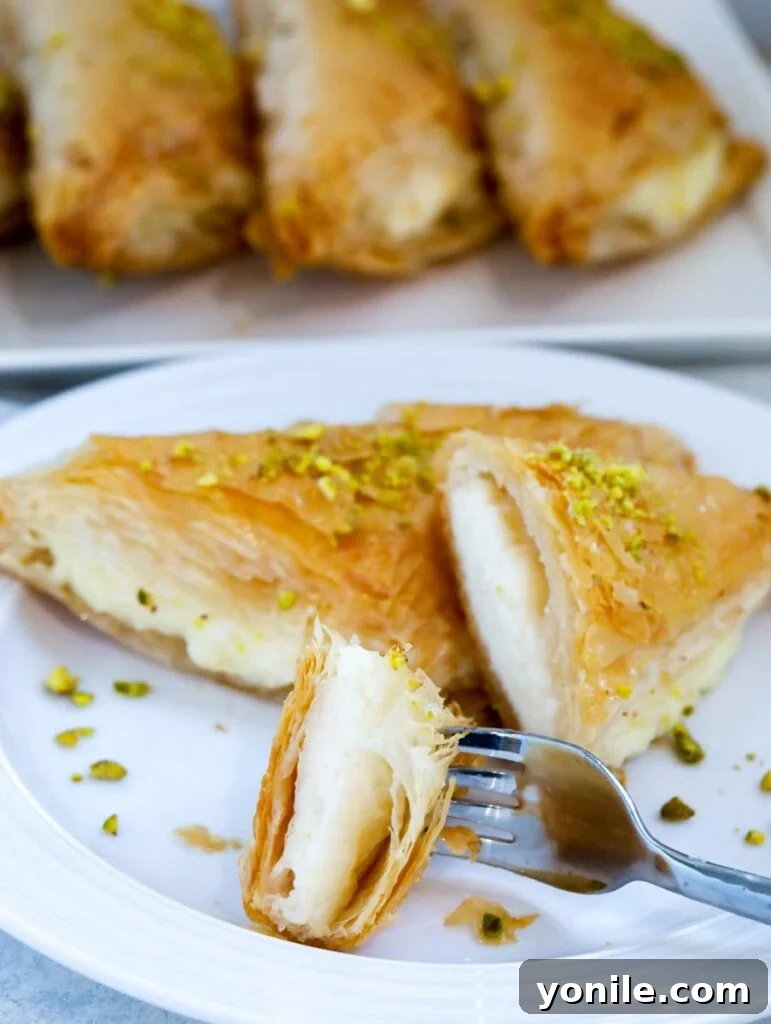
We sincerely hope you cherish every moment of preparing and savoring this incredible Lebanese Shaabiyat Dessert recipe. It’s a culinary gem that brings the rich flavors and traditions of Lebanon right into your kitchen. We encourage you to try it, share it with your loved ones, and spread the joy of homemade Middle Eastern sweets. If this recipe brings a smile to your face, please consider leaving a star rating and comment below – your feedback is invaluable!
To stay updated with all our latest recipes and culinary adventures, remember to sign up for our blog newsletter, delivering fresh content directly to your inbox. And don’t forget to tag us on INSTAGRAM with your delicious Shaabiyat creations; we absolutely love seeing what you make! Until our next delightful recipe, XoXo…

Lebanese Shaabiyat Dessert
By: Mariam Ezzeddine
These Shaabiyat dessert are Middle Eastern pastries made with layers and layers of phyllo dough, then filled with a traditional homemade Lebanese Ashta cream filling.
- Prep Time: 20 minutes
- Cook Time: 40 minutes
- Ashta Cooling Time: 30 minutes
- Total Time: 1 hour 30 minutes
- Servings: 16 servings
Ingredients
For the Phyllo Pastry:
- 1 pack phyllo dough, 16 oz (approx. 9×14 inch)
- ¾ cup crisco vegetable shortening, melted
- ¾ cup unsalted butter, melted
- ¼ cup ground pistachios, for garnishing
For the Ashta Filling:
- 3 cups whole milk
- 1 cup heavy cream
- ⅔ cup cornstarch (+1 tbsp extra if needed)
- ⅓ cup sugar
- 1 tbsp rose water
- 1 ½ tbsp orange blossom water
For the Sugar Syrup (Ater):
- 2 cups sugar
- 1 cup water
- 1 tbsp orange blossom water
- ½ tbsp rose water
- 1 tsp lemon juice
Instructions
Preparing the Ashta Filling:
- In a medium-sized pot, combine whole milk, heavy cream, cornstarch, and sugar. Mix well until no lumps remain.
- Bring the mixture to a boil over medium heat, whisking almost continuously to prevent clumping and ensure a smooth, creamy texture.
- Once the cream thickens significantly, reduce the heat and continue whisking for about another minute.
- Remove from heat and transfer the mixture into a Pyrex dish. Cover the surface directly with plastic wrap to prevent a skin from forming.
- Allow the Ashta to cool at room temperature for at least 30 minutes. For firmer Ashta, refrigerate for an additional 15 minutes or until ready to use (can be prepared 1-2 days ahead).
Preparing the Sugar Syrup:
- In a small pot, combine sugar and water. Bring to a boil over medium-high heat, stirring until sugar dissolves.
- Once boiling, simmer for 5 minutes without stirring.
- Add lemon juice, orange blossom water, and rose water. Reduce heat and simmer for another 2 minutes.
- Turn off the heat and allow the syrup to cool completely to room temperature.
Preparing the Phyllo Dough and Assembly:
- Melt the butter and shortening together in a bowl (about 1 minute in the microwave or gently on the stovetop). Do not overheat.
- Carefully unroll the phyllo dough. On a clean surface, lay out one sheet of phyllo and brush it generously with the melted butter mixture.
- Stack 14 more phyllo sheets on top, brushing each layer with the butter mixture, for a total of 15 layers.
- Cut the stacked phyllo into even squares (e.g., 3×3 inches).
- Place a heaped teaspoon of the cooled Ashta filling in the center of each phyllo square.
- Fold one corner of the square over the Ashta to meet the opposite corner, forming a triangle. Gently press the edges to seal.
- Arrange the formed pastries on a baking sheet lined with parchment paper, leaving some space between them.
- Bake in a preheated 375°F (190°C) oven for 30 minutes, or until they turn golden brown. Avoid using the broiler.
- Immediately after baking, drizzle the hot Shaabiyat with 1 to 1¼ cups of the cooled sugar syrup. You can add more syrup while serving if desired.
- Garnish with ground pistachios.
- Let the pastries cool at room temperature for 2 hours. Then, refrigerate them uncovered for another 2 hours (or more) before serving to maintain crispness and enhance flavor.
Notes
- Prepare the Ashta filling ahead of time to save time on baking day.
- Do not overcook the sugar syrup, or it may crystallize.
- The mixture of butter and shortening is crucial for crispness; do not use only butter. Ghee can replace shortening.
- To keep Shaabiyat crunchy, do not cover them after baking or during refrigeration.
- Refrigerating for at least 2 hours significantly improves flavor and texture, although some prefer them warm.
Nutrition (per serving, estimated)
- Calories: 373 kcal
- Carbohydrates: 27g
- Protein: 4g
- Fat: 28g
- Saturated Fat: 13g
- Cholesterol: 48mg
- Sodium: 164mg
- Potassium: 114mg
- Fiber: 1g
- Sugar: 17g
- Vitamin A: 564IU
- Vitamin C: 1mg
- Calcium: 69mg
- Iron: 1mg