
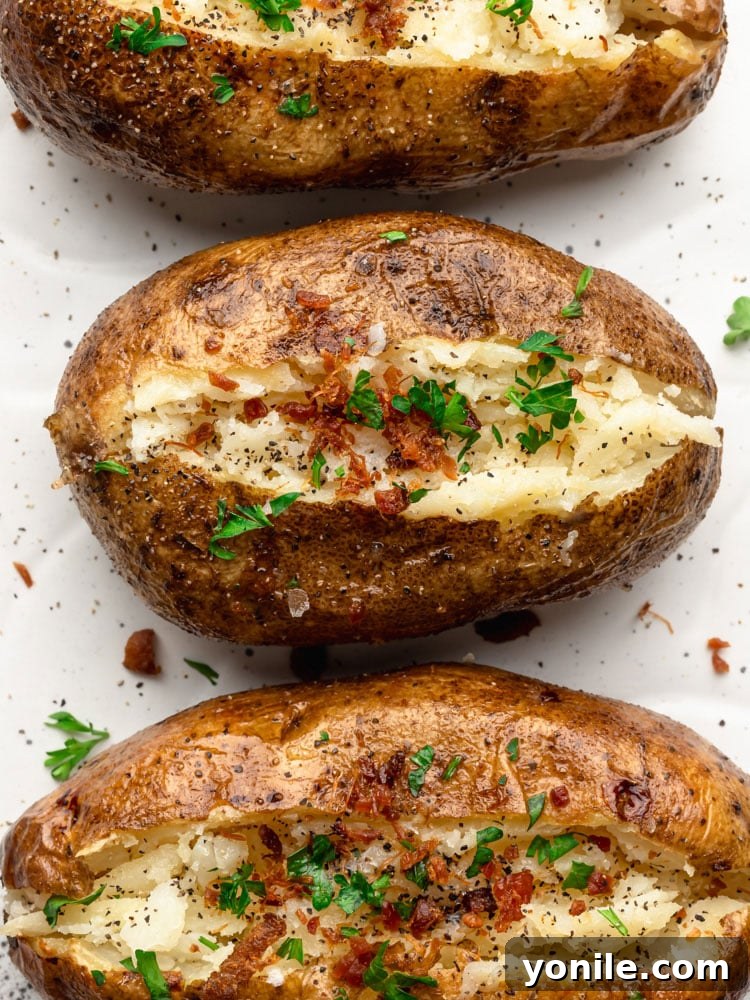
The Ultimate Guide to Baking Perfect Potatoes: Achieve Crispy Skin and Fluffy Interiors Every Time
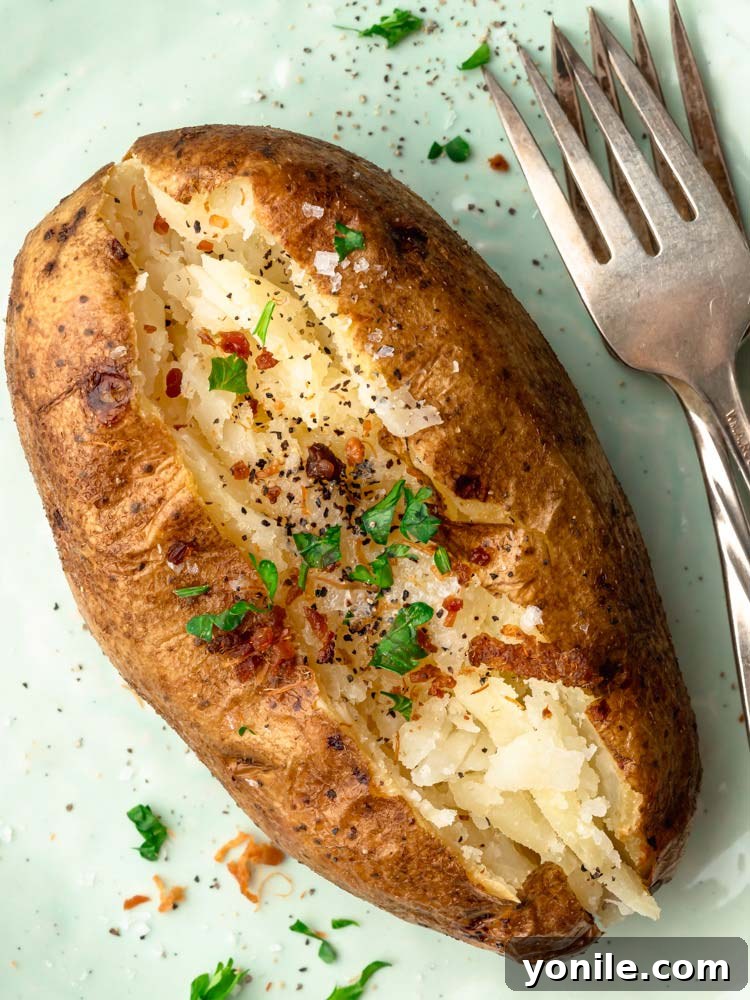
Imagine biting into a baked potato: a gloriously crispy, salty skin giving way to a cloud-like, steaming interior. It’s more than just a side dish; it’s a comforting culinary experience. While a potato might seem like the simplest of vegetables, mastering the art of baking one to perfection can elevate any meal. Forget sad, soggy spuds – this comprehensive guide will equip you with all the knowledge and techniques needed to consistently bake the most perfect potatoes right in your own oven.
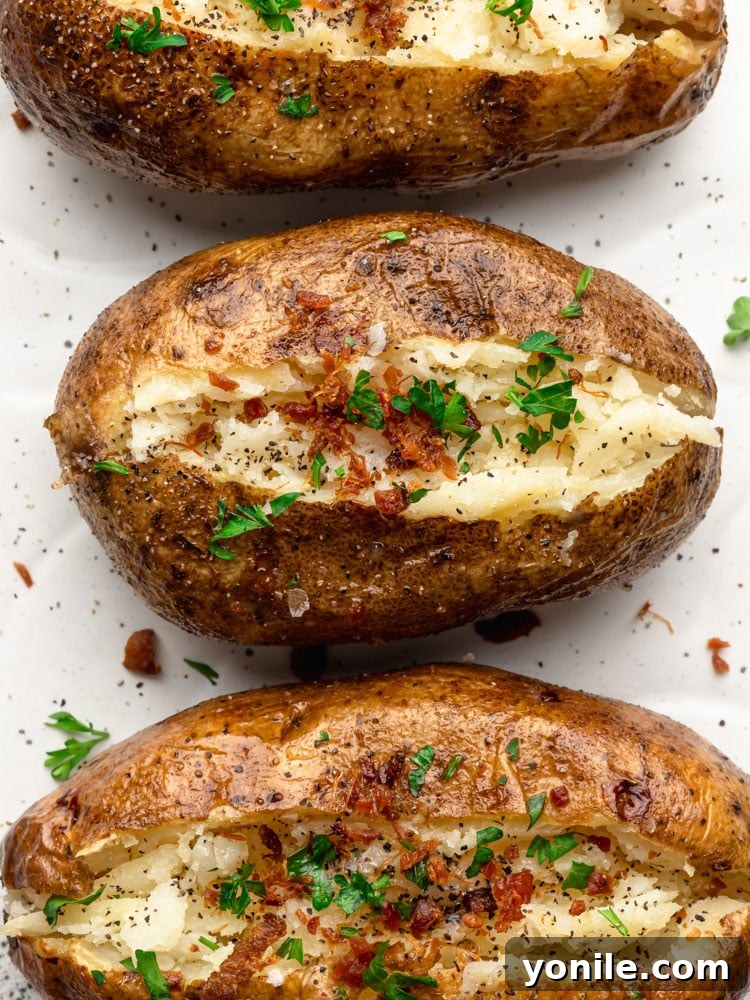
The difference between a basic baked potato and a truly perfect one lies in a few key steps and a little attention to detail. We’re talking about that golden-brown, wonderfully textured skin that provides a satisfying crunch, paired with an airy, creamy inside that steams gently when cut open. This isn’t just a recipe; it’s a deep dive into the science and art of the ideal oven-baked potato.
For more essential cooking insights, don’t miss our guide on How To Cut a Watermelon.
Choosing the Best Potato for Baking
The foundation of any great baked potato begins with selecting the right variety. While many types of potatoes exist, not all are created equal when it comes to baking in the oven. For that quintessential crispy-on-the-outside, fluffy-on-the-inside texture, the **Russet potato** (also known as Idaho potato) stands out as the undisputed champion.
Russets are high-starch, low-moisture potatoes. This unique composition is precisely what makes them ideal for baking. When subjected to high heat, the starch granules within the russet potato swell and then dry out, creating that desirable light and airy texture we all crave. Simultaneously, their thick skins become incredibly crisp, especially when prepared correctly.
Other potato varieties, such as Yukon Golds or red potatoes, have a higher moisture content and a waxier texture. While delicious for mashing, roasting, or boiling, they tend to steam rather than crisp in the oven, resulting in a denser, less fluffy baked potato with a softer skin. So, for your perfect baked potato endeavor, always reach for firm, blemish-free russets of uniform size to ensure consistent cooking.
Essential Ingredients and Equipment for Perfect Baked Potatoes
Achieving potato perfection doesn’t require an arsenal of fancy gadgets or exotic ingredients. In fact, simplicity is key. What truly matters is understanding the role each element plays in creating that mouthwatering result.
The Simple Ingredients
- Russet Potatoes: As discussed, these are your primary players. Aim for potatoes that are roughly the same size to ensure they cook evenly and are ready at the same time. This prevents some potatoes from being overcooked while others are still underdone.
- Olive Oil or Melted Butter: This isn’t just for flavor; it’s crucial for achieving that irresistible crispy skin. Coating the potato in fat before baking helps conduct heat, promotes browning, and creates a delicious, savory crust. Olive oil offers a slightly milder flavor, while melted butter adds a rich, dairy note. You can also experiment with other high-heat oils like avocado oil.
- Coarse Salt: Don’t skimp on the salt, and specifically, use coarse salt (like kosher salt or sea salt). The larger granules not only adhere better to the potato skin but also draw out moisture, further enhancing the crispness. It also provides a delightful burst of flavor with every bite of the skin.
- Optional Flavor Enhancers: Consider a sprinkle of freshly ground black pepper, garlic powder, or even a dash of paprika mixed with your oil for an extra layer of flavor.
The Right Tools for the Job
Having the right equipment can make the baking process smoother and contribute to a superior outcome.
- Stiff Scrub Brush: Essential for thoroughly cleaning your potatoes. A dedicated vegetable brush ensures all dirt and debris are removed, preparing the skin for its crispy transformation.
- Fork or Small Knife: Used for pricking holes in the potato. This simple step is vital for safety and texture.
- Heavy-Bottomed Rimmed Baking Sheet: A sturdy baking sheet provides even heat distribution, which is key for consistent cooking. The rim prevents any oil from dripping into your oven.
- Parchment Paper or Aluminum Foil: Lining your baking sheet serves multiple purposes: it makes cleanup incredibly easy and helps prevent sticking. Parchment paper is generally preferred as it allows for better air circulation directly beneath the potato compared to foil, which can trap some moisture.
- Wire Rack (Optional but Recommended): If you have one, place a wire rack on top of your lined baking sheet. This elevates the potatoes, allowing hot air to circulate completely around them. This 360-degree air exposure is a game-changer for achieving uniform crispness on all sides of the potato. If you don’t have one, don’t worry; you can still achieve great results directly on the baking sheet, though you might need to flip the potatoes halfway through baking.
Step-by-Step Guide: How to Bake a Potato Perfectly
Follow these simple, yet crucial, steps to transform humble russets into culinary masterpieces:
- Preheat Your Oven: Start by preheating your oven to a high temperature, ideally 450°F (230°C). High heat is essential for kick-starting the crisping process of the skin and ensuring the interior cooks thoroughly without drying out.
- Prepare the Potatoes: Thoroughly scrub each potato under cold running water using a stiff brush to remove any dirt or debris. Pat them completely dry with a clean towel. Excess moisture on the skin will hinder crisping.
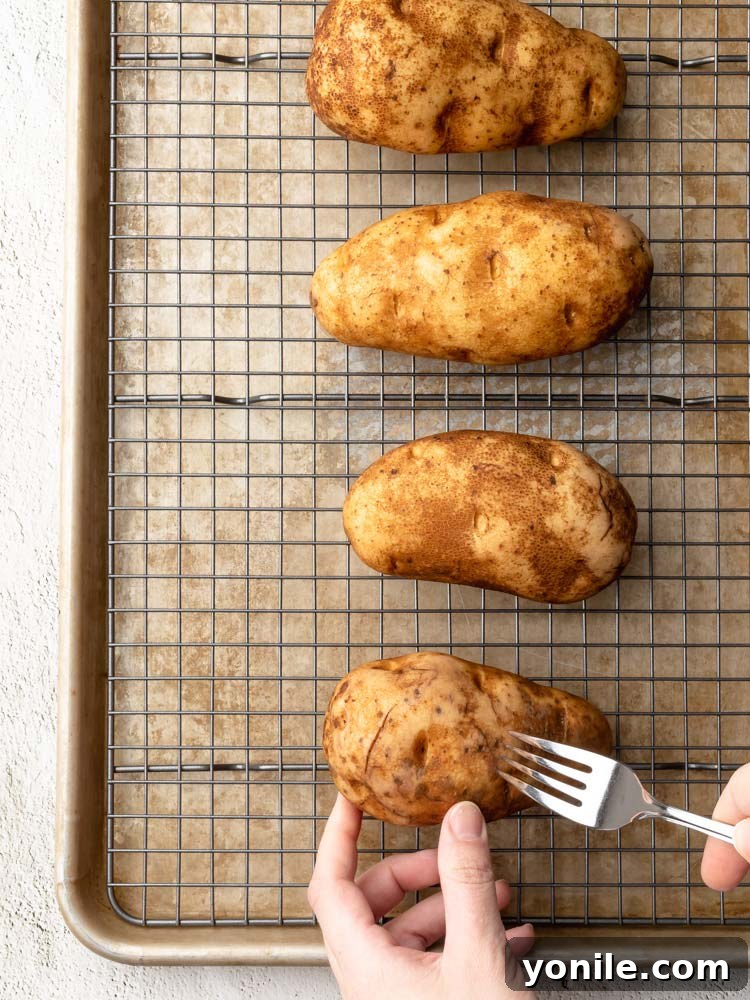
- Prick the Potatoes: Using a fork or a small knife, prick the potatoes several times all over their surface. Make about 6-8 shallow punctures on each potato. This allows steam to escape during baking, preventing the potato from bursting in the oven and contributing to a lighter, fluffier interior.
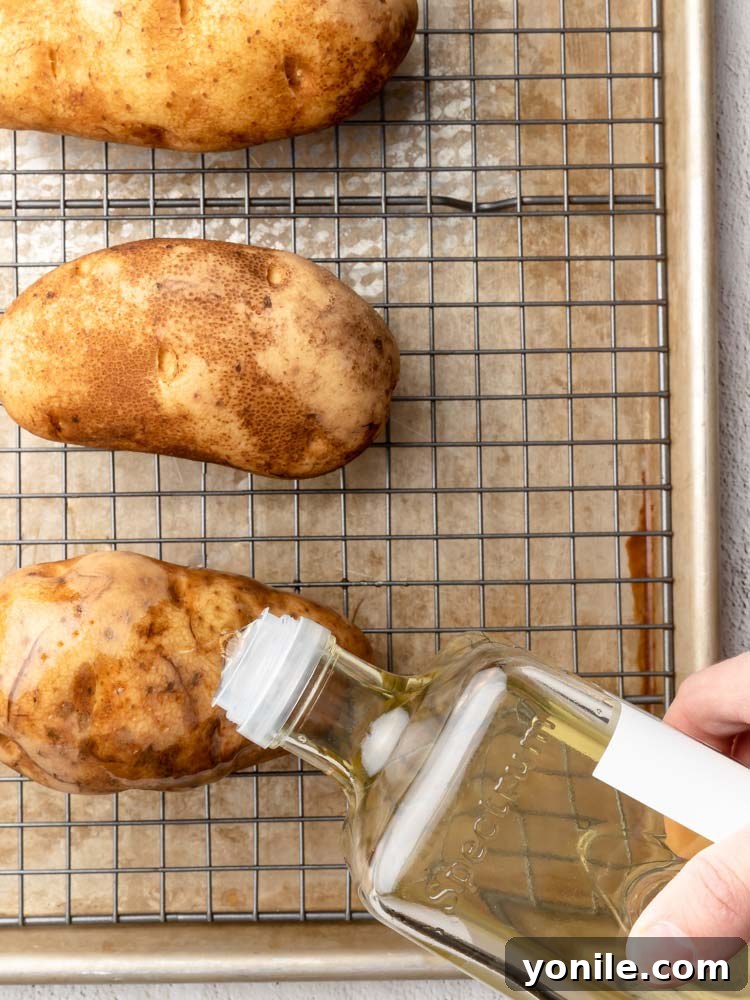
- Coat and Season: Drizzle the dried, pricked potatoes generously with olive oil or melted butter. Use your hands to rub the oil/butter all over each potato, ensuring every inch of the skin is coated. This layer of fat is critical for developing that beautiful crispy crust.
- Salt Generously: Sprinkle a generous amount of coarse salt over each potato. Press the salt gently into the oiled skin to help it adhere. The salt not only seasons the skin but also aids in drawing out moisture, contributing to superior crispness.
- Arrange for Baking: Place the seasoned potatoes evenly spaced apart on your lined baking sheet. If using a wire rack, place them directly on the rack. Ensure there’s enough space between each potato for proper air circulation.
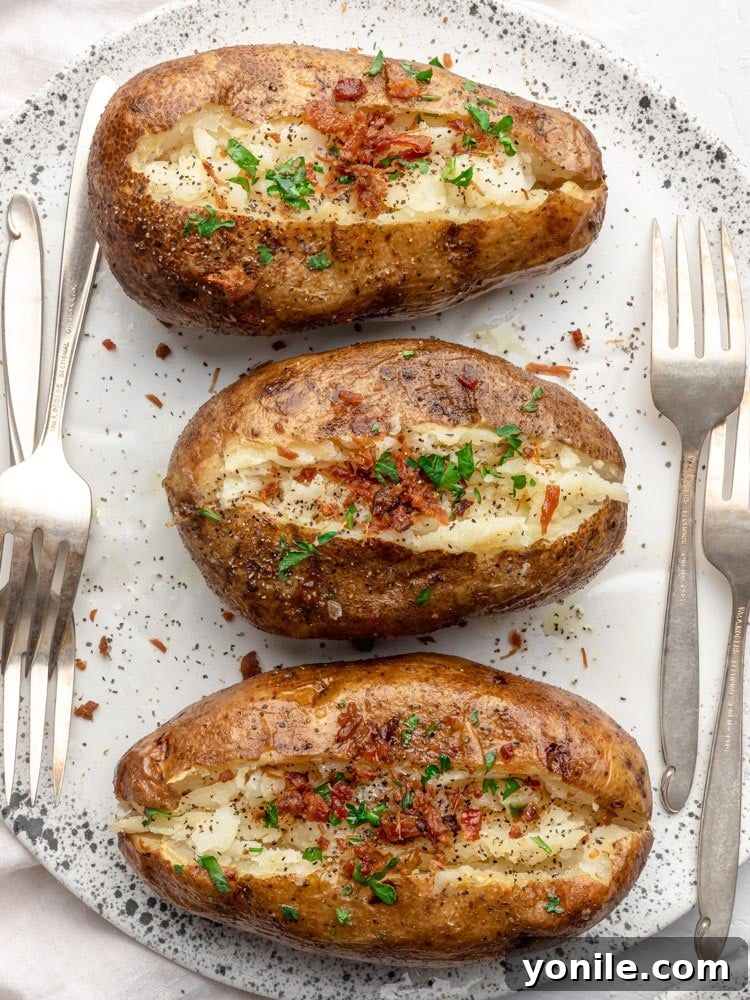
- Bake to Perfection: Transfer the baking sheet to the preheated oven. Bake for approximately 40 minutes to 1 hour, depending on the size of your potatoes. Smaller potatoes might be ready in 40-50 minutes, while very large ones could take up to 75 minutes. The key is to bake until the skin is deeply golden and very crispy, and the interior is incredibly soft.
- Test for Doneness: The easiest way to check if a baked potato is done is to insert a skewer or a thin knife into its center. It should slide in with very little resistance. You can also gently squeeze the potato with tongs or an oven mitt; a perfectly cooked potato will yield easily to pressure, feeling soft all the way through. The skin should also appear slightly wrinkly and deeply colored.
- Rest and Fluff: Once done, remove the potatoes from the oven and let them cool for a few minutes until they are cool enough to handle. This brief resting period allows the internal steam to redistribute. Then, using a knife, slice the potato lengthwise down the middle, being careful not to cut all the way through the bottom skin. Gently push the ends of the potato towards the center to “fluff” up the insides. This aerates the flesh, making it even lighter and more absorbent for toppings.
- Serve Immediately: Serve your perfect baked potatoes as is, with a pat of butter, or with your favorite toppings.
Common Questions & Troubleshooting for Baked Potatoes
Even with a clear guide, a few common questions and concerns often arise when baking potatoes. Here’s how to address them:
Do You Have To Scrub a Potato?
Absolutely, yes! Scrubbing your potatoes thoroughly is a non-negotiable step. Potatoes are grown in the soil and are often handled by many people before they reach your kitchen. They can carry dirt, pesticide residues, and bacteria. A good scrub with a stiff brush under running water ensures a clean, hygienic eating experience, especially if you plan to enjoy the crispy skin (which you definitely should!). After scrubbing, always pat them completely dry to encourage crisping.
Do You Need To Prick Holes in the Potato Before Baking?
Yes, pricking holes is a crucial step that should not be skipped! As potatoes bake, moisture inside turns into steam. If this steam has no escape route, pressure builds up, and the potato can actually explode in your oven – creating a messy, unpleasant situation. Beyond safety, these small holes also allow some of that moisture to escape steadily, resulting in a lighter, fluffier interior texture rather than a dense, wet one. It’s a simple step with significant benefits.
How to Tell if a Baked Potato is Done
Knowing when your potato has reached peak doneness is key to a perfect result. Here are the best indicators:
- The Skewer Test: Insert a thin metal skewer, a cake tester, or a sharp paring knife into the thickest part of the potato. It should glide in with virtually no resistance, indicating that the starch has fully cooked and softened.
- The Squeeze Test: Gently squeeze the potato with oven mitts or tongs. A perfectly baked potato will feel soft and yielding all the way through, giving in to light pressure. If it feels firm or hard in any spots, it needs more time.
- Visual Cues: The skin should look deeply golden brown, slightly wrinkled, and wonderfully crisp.
Do I Have To Wrap My Baked Potatoes in Foil?
For truly crispy skin, you should avoid wrapping your baked potatoes in aluminum foil. While wrapping in foil is a common practice for some, it essentially steams the potato, trapping all the moisture within the skin. This results in a soft, pliable skin rather than the desired crisp exterior. If you prefer a very soft skin, then foil can work, but for that contrasting texture, bake them unwrapped.
High vs. Low Temperature for Baking Potatoes
A higher temperature (like 400-450°F / 200-230°C) is generally preferred for baked potatoes. The intense heat quickly crisps the exterior while ensuring the interior cooks efficiently. Lower temperatures will cook the potato, but often result in a less crispy skin and can take a much longer time, potentially drying out the interior. Consistency and high heat are your friends for ideal texture.
Can I Microwave Potatoes Before Baking?
While microwaving potatoes before baking can significantly cut down on overall cooking time, it comes with a trade-off. Microwaving pre-cooks the interior quickly, but it also adds moisture to the skin and can prevent it from getting as crispy as a potato baked solely in the oven. If you’re pressed for time, you can microwave a pricked potato for 5-7 minutes, then finish it in the hot oven (at 400-425°F) for 15-20 minutes to crisp up the skin. For the absolute best texture, however, straight oven baking is recommended.
Mastering Your Leftover Baked Potatoes
Sometimes you might bake a few too many, or simply want to enjoy the deliciousness of a baked potato another day. Proper storage and reheating are key to making the most of your leftovers.
Proper Storage
Allow baked potatoes to cool completely to room temperature (this is crucial!) before storing them. If you seal them while warm, the trapped steam will make them soggy. Once cooled, place them in an airtight container or a resealable bag. Store in the refrigerator for 3-5 days. Do not store them at room temperature for more than two hours due to the risk of bacterial growth.
Reheating for Best Results
To bring your leftover baked potatoes back to life with a semblance of their original crispness:
- Oven Reheating (Recommended): Preheat your oven to 350°F (175°C). Place the potatoes directly on a baking sheet (no foil). Bake for 15-20 minutes, or until heated through and the skin has re-crisped. This method yields the best results for texture.
- Microwave Reheating: For a quicker option, you can microwave a potato in 30-second intervals until heated through. Be aware that the skin will remain soft, and the texture might be a bit denser than oven-reheated potatoes.
Irresistible Baked Potato Topping Ideas
A perfectly baked potato is a canvas for an endless array of delicious toppings. Whether you prefer classic comfort or adventurous flavors, there’s a combination for everyone.
- Classic Comfort:
- Butter (melted or softened)
- Sour cream or Greek yogurt
- Fresh chives or thinly sliced green onions
- Shredded sharp cheddar cheese
- Crispy bacon bits
- Hearty & Savory:
- Chili con carne (meat or vegetarian)
- Baked beans
- Sautéed mushrooms and onions
- Pulled pork or shredded chicken
- Steamed broccoli and cheddar sauce
- Fresh & Zesty:
- Guacamole or fresh avocado slices
- Salsa and a dollop of sour cream
- Pico de gallo
- A squeeze of fresh lime juice and cilantro
- Gourmet Touches:
- Caramelized onions
- Crumbled blue cheese
- Truffle oil drizzle
- Smoked salmon and dill cream cheese
Don’t be afraid to mix and match your favorites to create your ultimate baked potato experience!
What to Eat With Baked Potatoes
Baked potatoes are incredibly versatile, making them an excellent side dish for a wide variety of main courses. Their neutral flavor and satisfying texture complement rich meats, lighter poultry, and even vegetarian options.
- With Poultry:
- Baked Parmesan Crusted Chicken Tenders
- Chicken Parmesan
- Roasted chicken or turkey
- Grilled chicken breasts
- With Red Meat:
- Steak (ribeye, sirloin, filet mignon)
- Roast beef
- Hearty chili or stew
- Lamb chops
- Other Ideas:
- Grilled fish or shrimp
- Big green salads
- Vegetarian main dishes like lentil loaf or stuffed bell peppers
Bake Your Best Potato Yet!
With these simple yet effective techniques, you are now equipped to bake the perfect potato every single time. From selecting the right variety to the crucial steps of pricking and salting, each detail contributes to that ideal crispy skin and impossibly fluffy interior. It’s a versatile, comforting, and utterly delicious dish that deserves a spot in your regular cooking repertoire.
We hope you enjoy this comprehensive guide and are inspired to create your best baked potatoes yet. We encourage you to try this recipe, savor the results, and share your experiences! Your feedback means a lot to us.
If you try this recipe and love it, please consider sharing it with your friends and family! You can also follow Cookin’ With Mima on FACEBOOK, INSTAGRAM, and PINTEREST for all the latest recipes and culinary inspiration.
Recipe: How to Bake the Perfect Potato
Crispy on the outside and pillowy soft on the inside, here’s how you can perfect baking potatoes in the oven.
- Prep Time: 10 minutes
- Cook Time: 40 minutes
- Total Time: 50 minutes
- Servings: 6 servings
- By: Mariam Ezzeddine
Ingredients
- 6 large russet potatoes
- 6 tbsp olive oil
- Coarse salt
Instructions
- Preheat the oven to 450F.
- Scrub the potatoes before drying them and pricking holes in them.
- Coat the potatoes in olive oil or melted butter and place evenly spaced apart on the baking sheet.
- Sprinkle the potato with a generous pinch of salt.
- Bake the potatoes for 40 minutes or until you can easily stick a skewer into the middle of the potato. Large potatoes may take up to an hour.
- When done, let it cool enough that you can touch it, slice the potato open lengthwise, and fluff up the insides before serving as is or with toppings of your choice.
Notes
Nutritional facts differ based on the size of your potatoes.
Nutrition
Calories: 292kcal | Carbohydrates: 38g | Protein: 5g | Fat: 14g | Saturated Fat: 2g | Sodium: 11mg | Potassium: 888mg | Fiber: 3g | Sugar: 1g | Vitamin A: 2IU | Vitamin C: 12mg | Calcium: 28mg | Iron: 2mg