
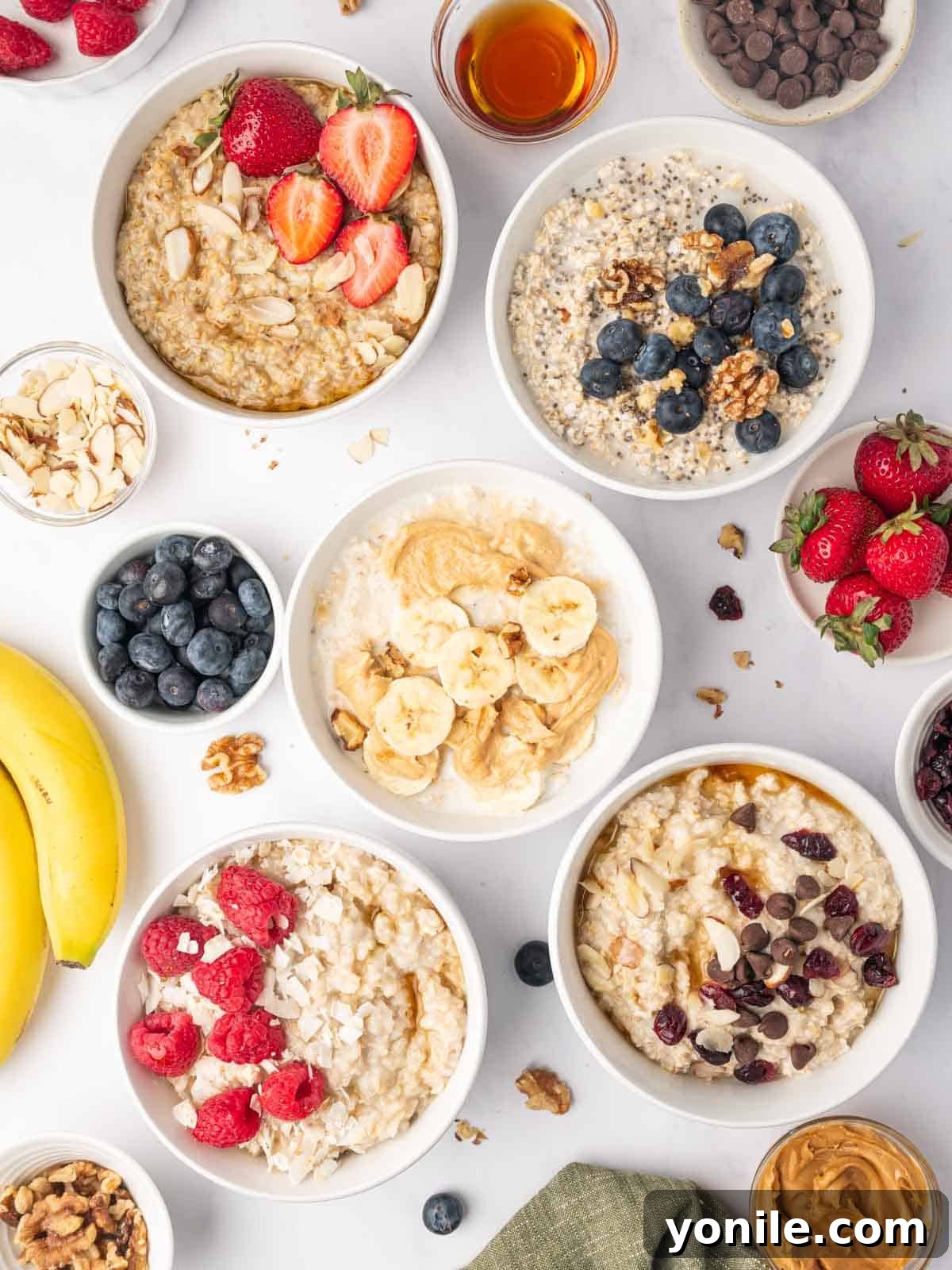
Oatmeal, a timeless breakfast classic, holds a special place in kitchens worldwide. Revered for its comforting warmth, incredible versatility, and remarkable nutritional profile, learning how to cook oatmeal to perfection is a skill that elevates your morning routine. Whether you’re seeking a hearty start to your day, a nourishing post-workout meal, or a cozy evening snack, a perfectly prepared bowl of oats can truly make all the difference.
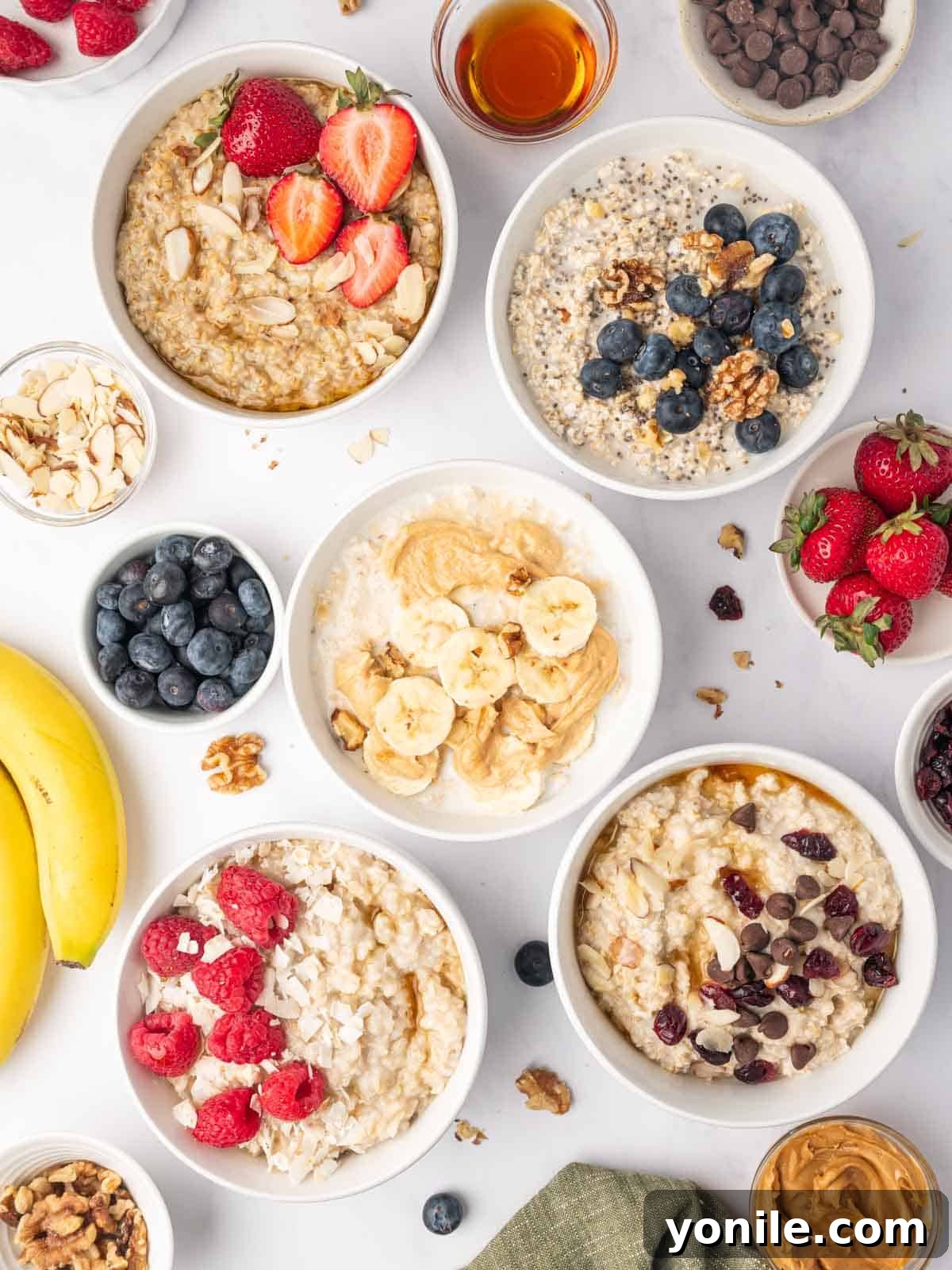
This comprehensive guide delves into the world of oatmeal, offering insights into selecting the right type of oats, mastering various cooking methods, exploring endless flavor combinations, and answering common questions. Get ready to transform your breakfast with this humble yet powerful grain.
Once you’ve mastered the basics, consider exploring more delicious oat-based creations like my Easy Chocolate Overnight Oats Recipe for a convenient grab-and-go option, or indulge in the delightful Delicious Oatmeal Jam Cookies as a wholesome treat.
Why Oatmeal is a Must-Have in Your Pantry
Oatmeal is more than just a breakfast; it’s a foundation for a healthy lifestyle. Here’s why this superfood earns its reputation:
- Nutrient Powerhouse: Oats are packed with essential vitamins, minerals, and antioxidants. They are an excellent source of complex carbohydrates, providing sustained energy throughout your day, and contain a notable amount of protein and healthy fats.
- Rich in Fiber: One of oatmeal’s most celebrated benefits is its high soluble fiber content, particularly beta-glucan. This type of fiber is known to help lower cholesterol levels, stabilize blood sugar, and promote a feeling of fullness, aiding in weight management.
- Customizable to Perfection: Perhaps the most appealing aspect of oatmeal is its adaptability. It serves as a blank canvas, allowing you to easily tailor it to your exact taste preferences. From sweet and fruity to savory and spicy, the possibilities are limitless.
- Incredibly Filling: Thanks to its fiber and protein content, oatmeal is a wholesome breakfast choice that keeps you feeling satisfied and energized for hours, reducing the urge for mid-morning snacking.
- Remarkably Versatile: Whether you prefer it piping hot or refreshingly cold, sweet or savory, oatmeal fits every mood and meal. It can be prepared on the stovetop, in the microwave, baked in the oven, or simply soaked overnight.
- Quick and Easy Preparation: Despite its numerous benefits, oatmeal is surprisingly simple to make. With just a few basic ingredients and minimal cooking time, you can have a delicious and nutritious meal ready in minutes.
Understanding Oat Varieties: Choosing Your Perfect Bowl
Before you begin cooking, it’s helpful to understand the different types of oats available. Each variety offers a unique texture, flavor, and cooking time, influencing the final result of your oatmeal. Knowing your options will help you select the ideal oats for your desired meal.
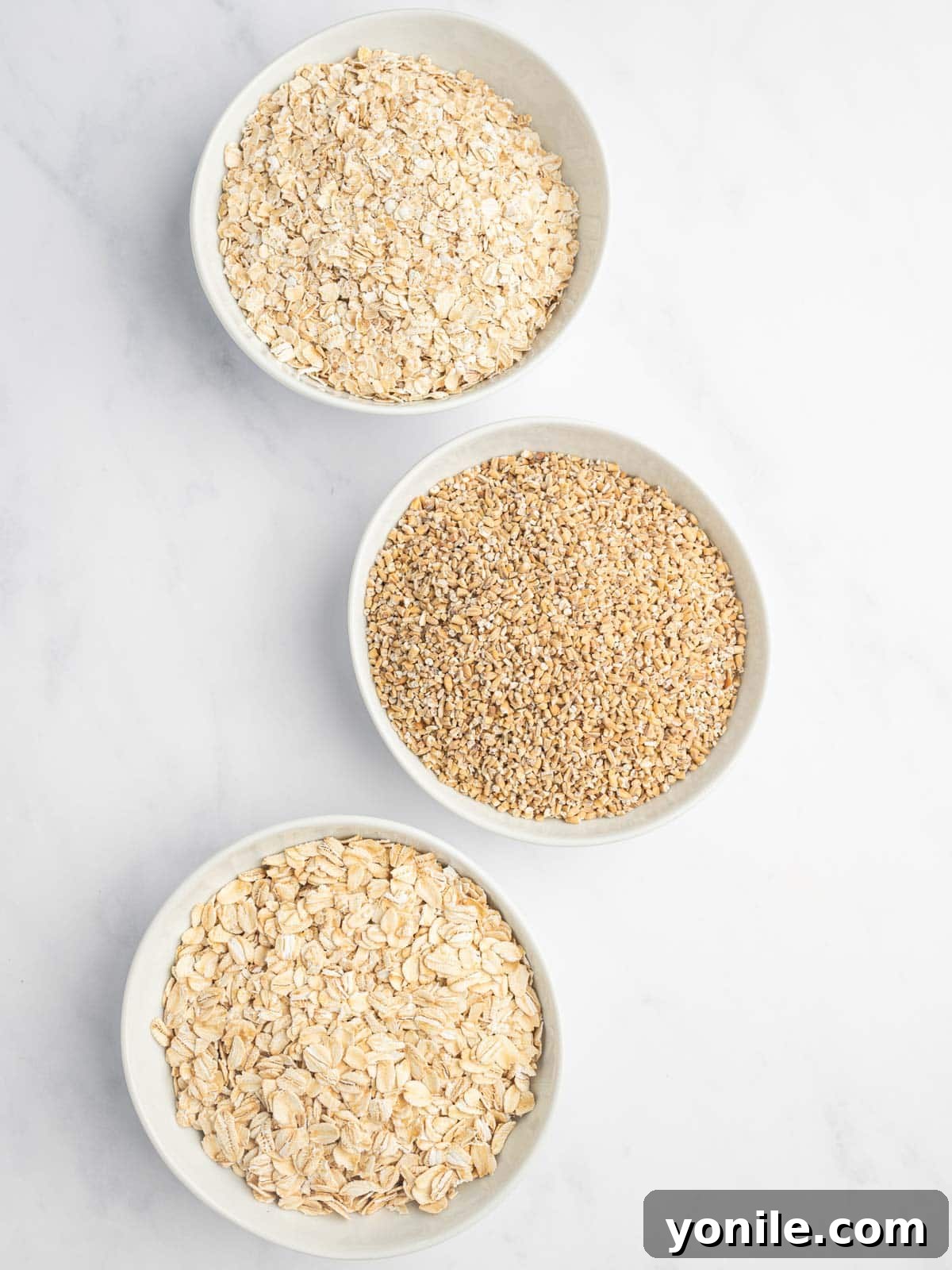
- Steel-Cut Oats (Irish Oats): These are whole oat groats (the hulled kernels of the oat plant) that have been chopped into two or three smaller pieces, rather than rolled. This minimal processing gives them a chewier texture and a nuttier flavor. Steel-cut oats take the longest to cook but offer the most robust texture and are excellent for those who enjoy a heartier bowl. They are often favored for slow-cooker or Instant Pot recipes due to their longer cooking time.
- Old-Fashioned or Rolled Oats: The most common and versatile type, rolled oats are made by steaming whole oat groats and then pressing them flat into flakes. This process partially cooks the oats, allowing them to cook faster than steel-cut oats while still retaining a good amount of texture and fiber. They absorb liquid well, creating a creamy yet slightly chewy consistency that’s perfect for stovetop cooking, baking, and overnight oats.
- Quick Oats: These oats are essentially rolled oats that have been cut into smaller pieces and steamed for a longer period. This extra processing reduces their cooking time significantly, making them a popular choice for quick breakfasts. While they cook faster and have a softer, somewhat mushier texture compared to old-fashioned oats, they still retain much of their nutritional value. They are ideal for microwave cooking or when you’re in a hurry.
- Instant Oats: The most processed of all oat types, instant oats are pre-cooked, dried, and then rolled very thinly. As their name suggests, they cook almost instantly, usually by simply adding hot water or milk. While incredibly convenient, their highly processed nature often results in a very soft, almost paste-like texture and they may have a higher glycemic index. They are best for times when speed is the absolute priority.
Essential Ingredients for Your Bowl of Oats
Crafting the perfect bowl of oatmeal requires just a few fundamental ingredients, forming a base that can be endlessly customized:
- Oats: The star of the show. Your choice of steel-cut, old-fashioned, quick, or instant oats will dictate the texture and cooking time. Old-fashioned rolled oats are often recommended for a balanced chewiness and creaminess.
- Liquid: This forms the consistency of your oatmeal. Water provides a lighter, more traditional texture, allowing the oat’s natural flavor to shine. Milk (dairy or plant-based) adds richness and creaminess, making your oatmeal more decadent and often more filling.
- Sweetener (Optional): To enhance the flavor, you can add a touch of sweetness. Popular choices include honey, maple syrup, brown sugar, white sugar, agave nectar, or calorie-free sweeteners like stevia. Adjust the amount to suit your preference.
- A Pinch of Salt (Optional but Recommended): A small amount of salt can significantly elevate the flavor of your oatmeal, balancing the sweetness and bringing out the natural nuttiness of the oats. Don’t skip this, even in sweet preparations!
Unleashing Flavor: Customization and Ingredient Swaps
The beauty of oatmeal lies in its adaptability. Don’t hesitate to experiment with these ingredient substitutions and variations to create a bowl that perfectly suits your palate:
Creative Topping Ideas
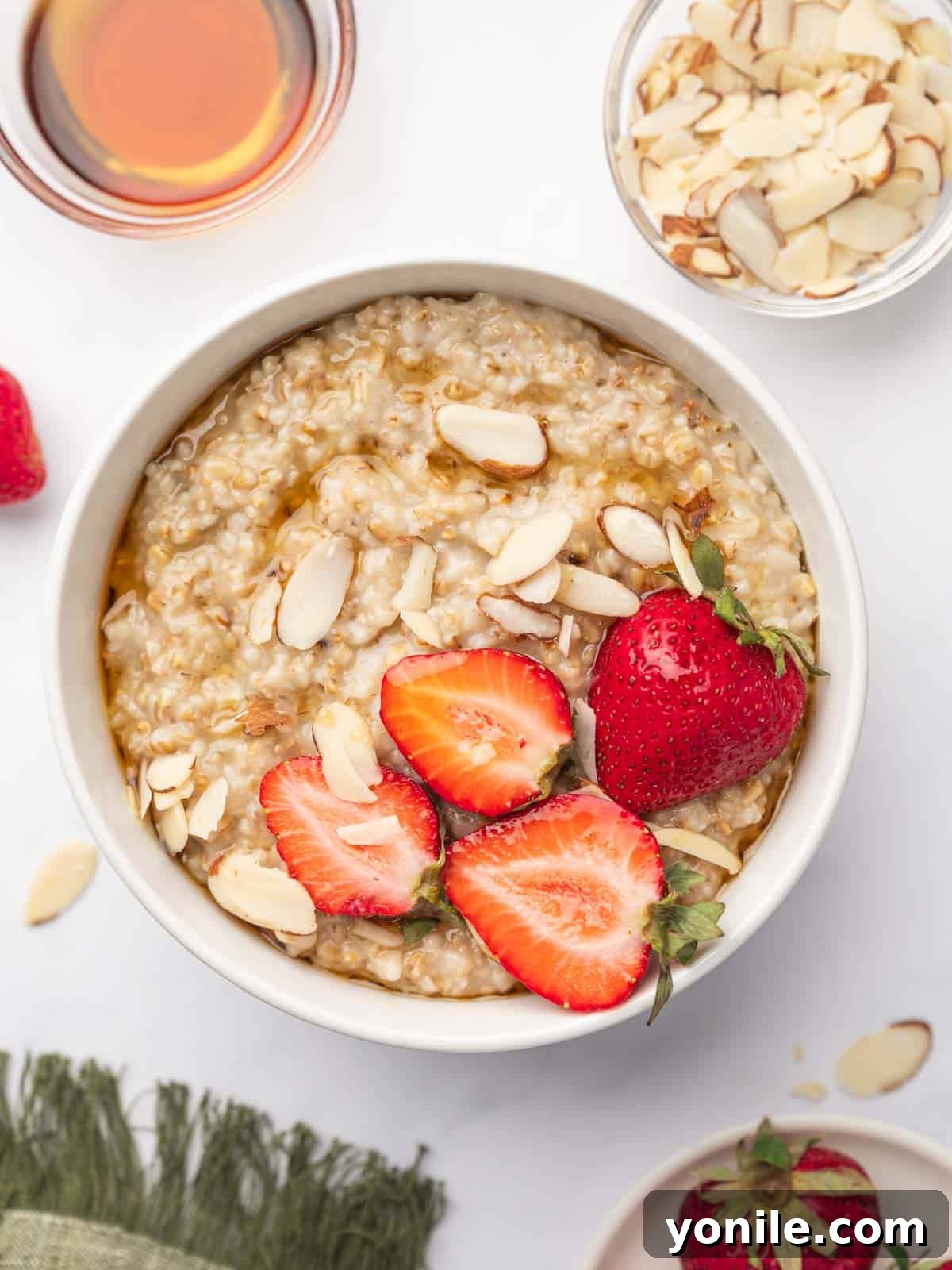
- Fresh Fruits: Sliced bananas, berries (blueberries, raspberries, strawberries), diced apples, pears, peaches, or mango.
- Tip: Add softer fruits after cooking, firmer fruits (like apples) can be simmered with the oats for a softer texture.
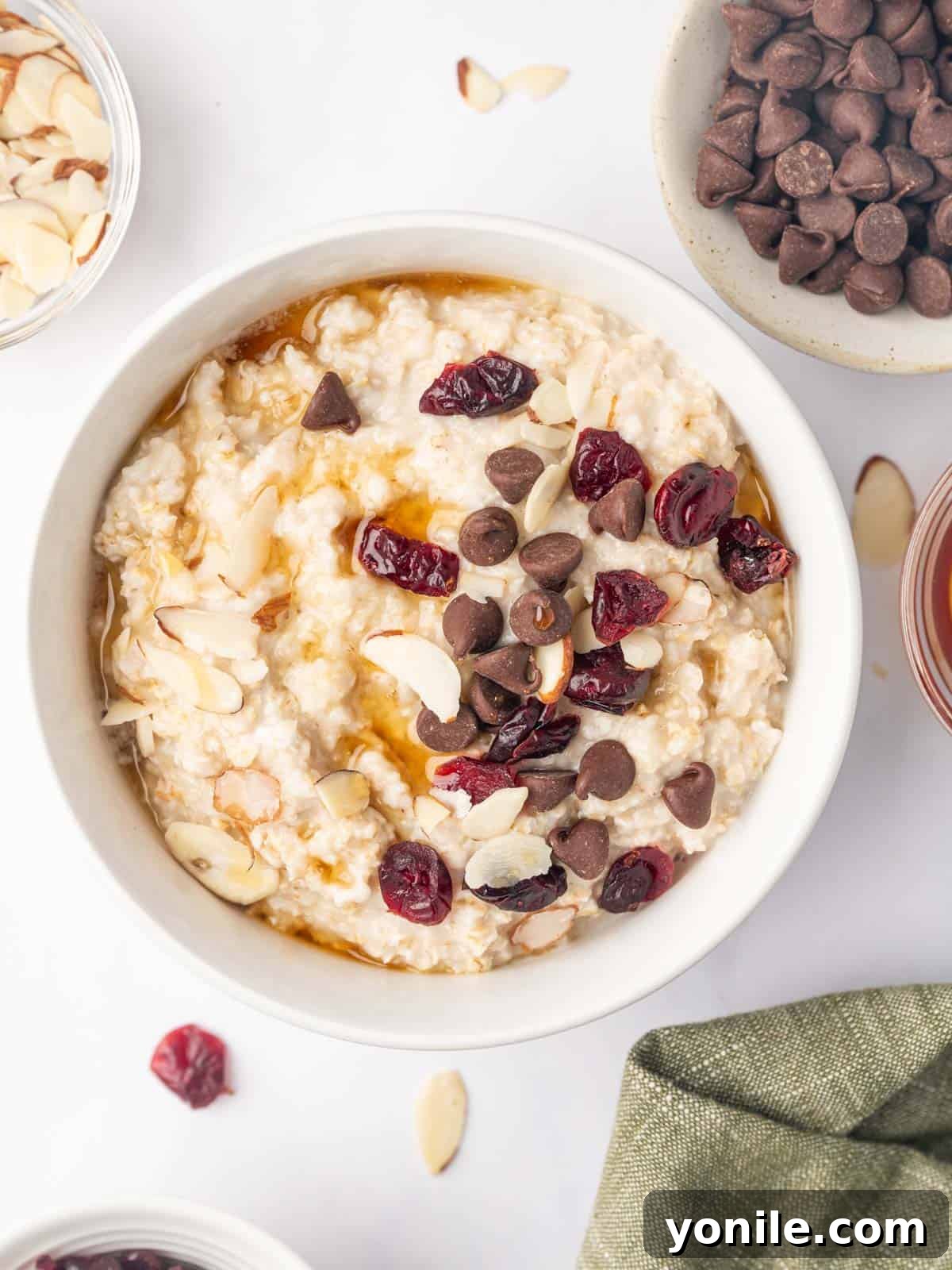
- Dried Fruits: Raisins, cranberries, chopped dates, apricots, or figs.
- Tip: Dried fruits add concentrated sweetness and chewiness.
- Nuts and Seeds: Sliced almonds, chopped walnuts, pecans, pumpkin seeds, sunflower seeds, chia seeds, flax seeds, hemp hearts.
- Benefit: Adds healthy fats, protein, and satisfying crunch. Chia and flax seeds also boost fiber and omega-3s, and help thicken oatmeal.
- Spreads: Peanut butter, almond butter, cashew butter, Nutella, Biscoff spread, or melted chocolate.
- Indulgence: Transforms your oatmeal into a richer, more dessert-like experience.
- Spices and Flavorings: Cinnamon, nutmeg, cardamom, ginger, vanilla extract, almond extract, cocoa powder.
- Enhancement: A dash of spice can add warmth and depth of flavor without extra sugar.
- Granola: For an extra layer of crunch and flavor, sprinkle some granola on top of your soft oats.
- Other Extras: Shredded coconut, chocolate chips, mini marshmallows, or a drizzle of caramel sauce.
Liquid Alternatives for Every Preference
- Dairy Milk: Whole milk for ultimate creaminess, or low-fat milk for a lighter option.
- Plant-Based Milks: Almond milk, oat milk, soy milk, coconut milk, or cashew milk.
- Benefit: Great for dairy-free diets and adds unique flavor notes. Oat milk, in particular, lends a natural sweetness and creaminess.
- Juice: For a fruity twist, try cooking your oats with apple juice or orange juice (diluted with water to prevent it from becoming too sweet).
Sweetener Substitutions
- Natural Sweeteners: Honey, maple syrup, agave nectar, date syrup.
- Granulated Sweeteners: Brown sugar, white sugar, coconut sugar.
- Sugar Alternatives: Stevia, erythritol, xylitol (use according to package directions as sweetness varies).
Savory Oatmeal Variations
Don’t limit oatmeal to just sweet! For a protein-packed and satisfying meal, try these savory additions:
- Cheese: Stir in shredded cheddar or Parmesan cheese.
- Eggs: Top with a fried or poached egg.
- Vegetables: Sautéed mushrooms, spinach, bell peppers, or caramelized onions.
- Spices: Black pepper, garlic powder, onion powder, paprika, or chili flakes.
- Protein: Cooked bacon bits, sausage crumbles, or smoked salmon.
- Herbs: Fresh chives, parsley, or cilantro.
Diverse Cooking Methods for Every Lifestyle
The beauty of oatmeal lies not only in its versatility of ingredients but also in its preparation. Whether you have minutes to spare or prefer a hands-off approach, there’s an oatmeal cooking method for you. Here are five popular ways to prepare your perfect bowl:
Microwave Oats: Speed and Simplicity
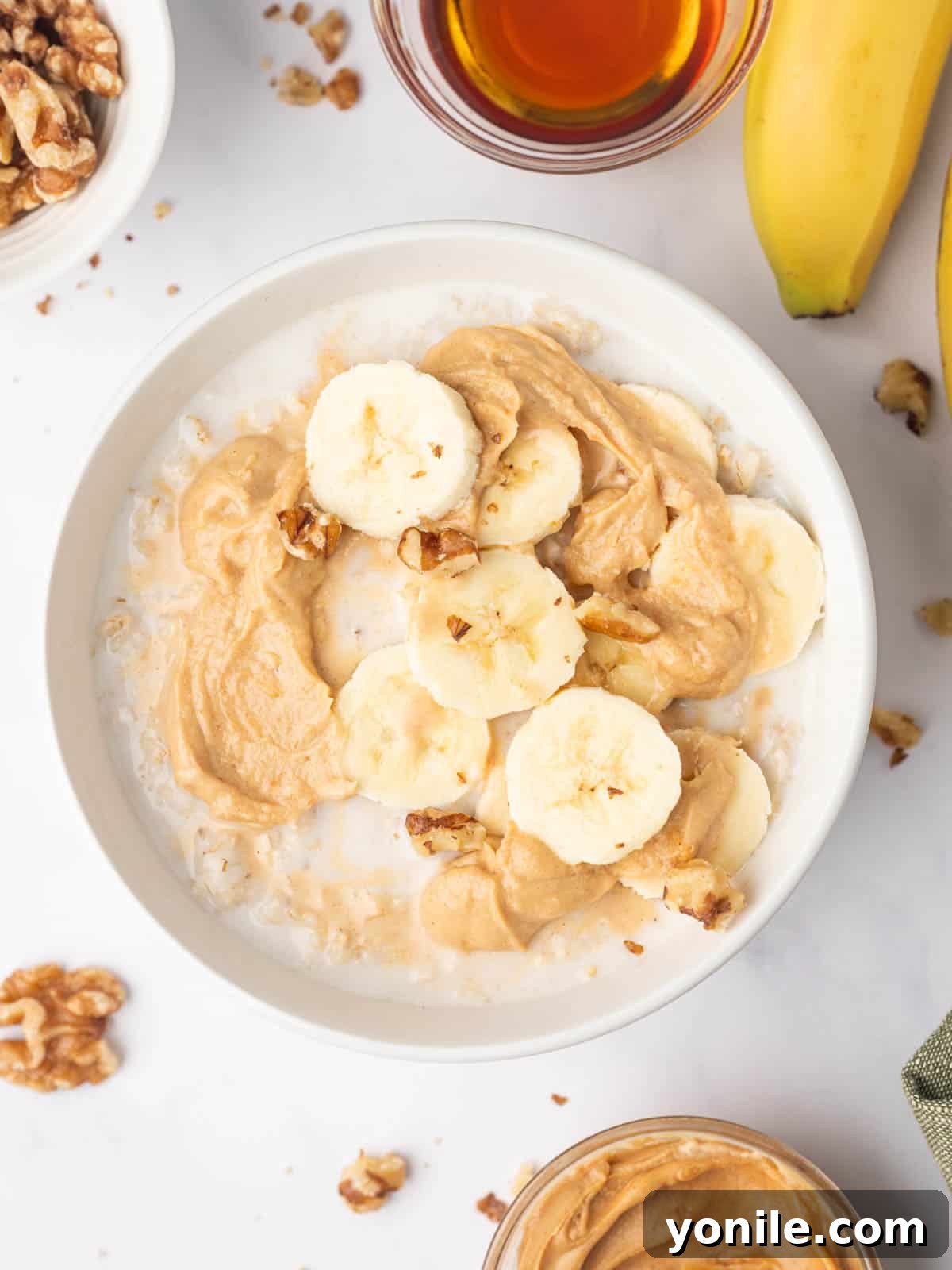
Cooking oats in the microwave is the ultimate hack for busy mornings, delivering a healthy breakfast in mere minutes. This method is especially suited for quick oats and old-fashioned rolled oats.
Quick Oats in the Microwave
Ingredients:
- ½ cup quick oats
- 1 cup water or milk (adjust for desired consistency)
- A small pinch of salt (optional)
Instructions:
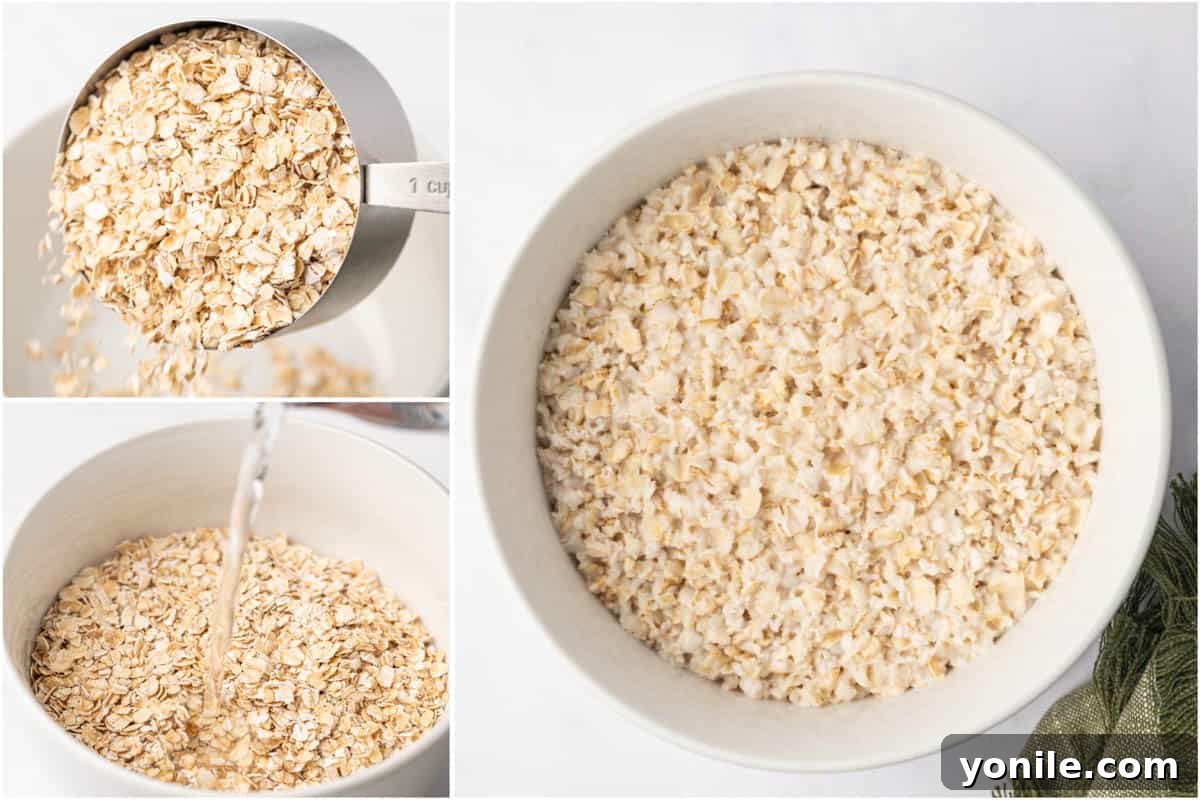
- Combine Ingredients: In a large, microwave-safe bowl (at least twice the volume of your ingredients to prevent overflow), combine the quick oats, water or milk, and salt.
- Microwave: Place the bowl in the microwave and cook on high for 1 to 2 minutes. Start with 1 minute, then check the consistency. Quick oats absorb liquid rapidly, so they may be ready sooner.
- Adjust and Finish: If the oats appear too watery or are still too firm for your liking, continue to cook in short 15-30 second intervals, stirring between each, until they reach your desired tenderness and the liquid is absorbed.
- Stir and Rest: Carefully remove the hot bowl from the microwave. Stir the oats thoroughly to ensure an even, creamy consistency. Let them rest for about 1 minute; this allows them to thicken further.
- Serve: Top with your favorite additions like fresh fruit, nuts, or a drizzle of honey, and enjoy warm.
Old-Fashioned Rolled Oats in the Microwave
Ingredients:
- ½ cup old-fashioned rolled oats
- 1 cup water or milk (for a creamier result)
- A small pinch of salt (optional)
Instructions:
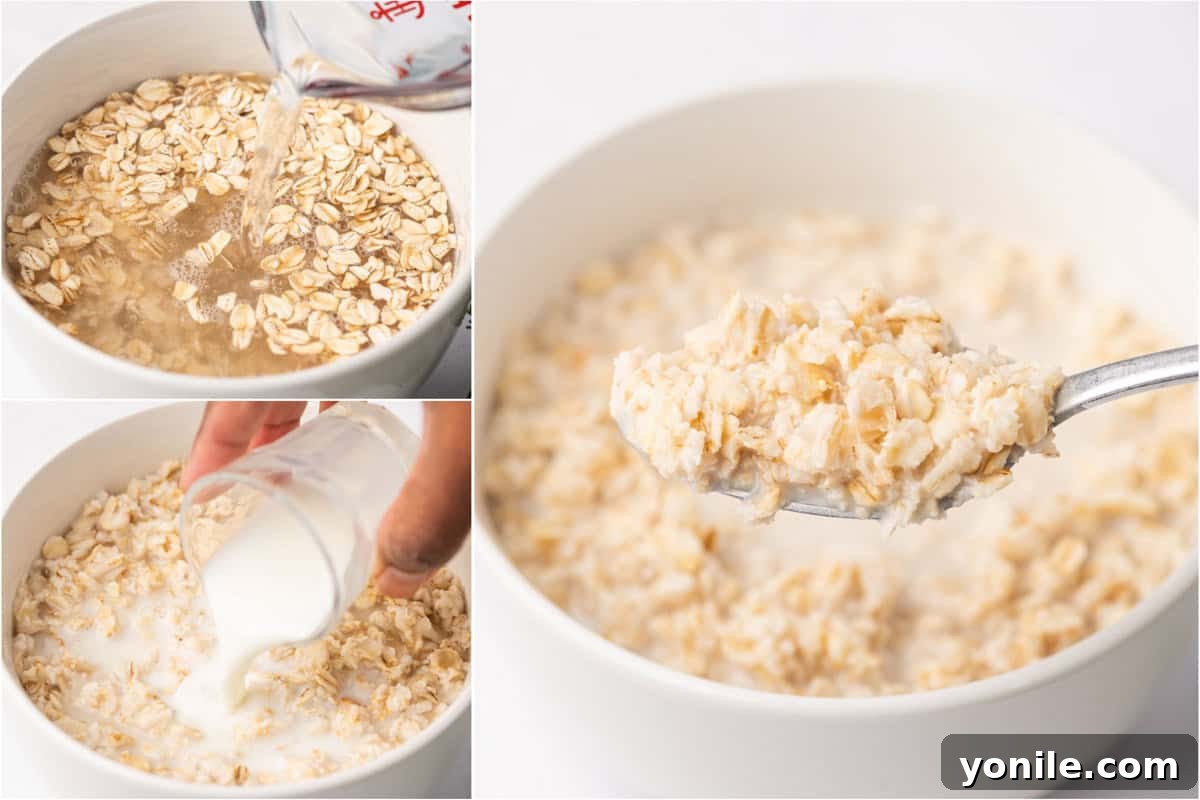
- Combine Ingredients: In a large, microwave-safe bowl, combine the old-fashioned rolled oats, water or milk, and salt.
- Microwave: Cook on high for 2.5 to 3 minutes. Begin with 2.5 minutes, then pause to check the texture. Rolled oats take slightly longer than quick oats to become tender.
- Adjust and Finish: If needed, continue cooking in 15-30 second bursts until the oats are tender and have absorbed most of the liquid to your preferred consistency.
- Stir and Rest: Stir the oats vigorously after cooking. Allow them to rest for 1 to 2 minutes; this crucial step permits the oats to fully absorb any remaining liquid and thicken into a perfectly creamy bowl.
- Serve: Customize with your desired toppings such as fresh berries, cinnamon, or maple syrup, and savor your warm, nourishing breakfast.
Tips for Cooking Microwave Oatmeal:
- Use a Large Bowl: Always use a bowl much larger than your ingredients, as oats tend to bubble and expand significantly in the microwave, preventing messy overflows.
- Monitor Your Microwave: Microwave wattages vary. The exact cooking time may need slight adjustment based on your appliance. Watch the oats closely, especially during the first attempt.
- Stir Midway (Optional): For very even cooking and to prevent a skin from forming, you can pause midway through cooking to stir, though it’s not strictly necessary.
- Adjust Liquid for Texture: For thicker oatmeal, use slightly less liquid. For a thinner, looser consistency, add a splash more water or milk after cooking.
Stovetop Oats: The Classic, Creamy Approach
The stovetop method is a traditional favorite, allowing for precise control over consistency and yielding wonderfully creamy results, especially with regular stirring.
Stovetop Steel-Cut Oatmeal
Ingredients:
- 1 cup steel-cut oats
- 4 cups water or milk (milk adds incredible richness)
- A pinch of salt (optional)
Instructions:
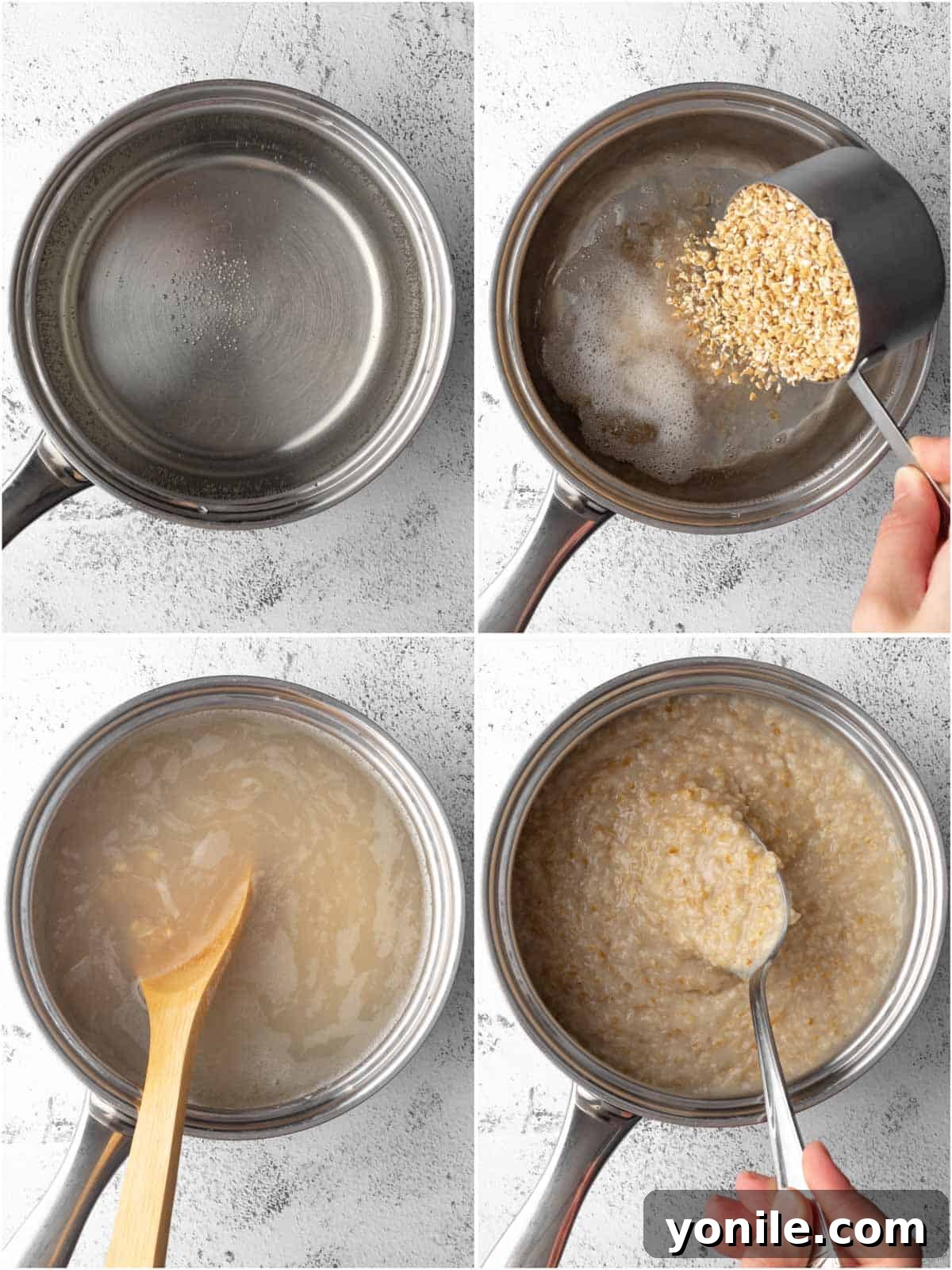
- Bring Liquid to a Boil: In a medium saucepan, bring 4 cups of water or milk to a rolling boil over high heat. Add a pinch of salt if desired.
- Add Oats: Once the liquid is boiling, stir in 1 cup of steel-cut oats. Reduce the heat immediately to low to maintain a gentle simmer.
- Simmer and Stir: Allow the oats to simmer, uncovered, for approximately 20 to 30 minutes. Stir occasionally during the first 15 minutes to prevent sticking. For a creamier texture, increase stirring frequency during the last 5-10 minutes of cooking.
- Check for Doneness: Cook until the oats are tender and have absorbed most of the liquid. They should still have a pleasant chew. If you prefer a very thick consistency, continue cooking for an additional 5 minutes, stirring constantly to avoid burning.
- Rest and Serve: Remove the saucepan from the heat and let the oats rest for a few minutes. This allows them to thicken further and cool slightly. Serve hot with your preferred toppings.
Stovetop Old-Fashioned Rolled Oats
Ingredients:
- 1 cup old-fashioned rolled oats
- 2 cups water or milk (milk yields a much creamier oatmeal)
- A pinch of salt (optional)
Instructions:
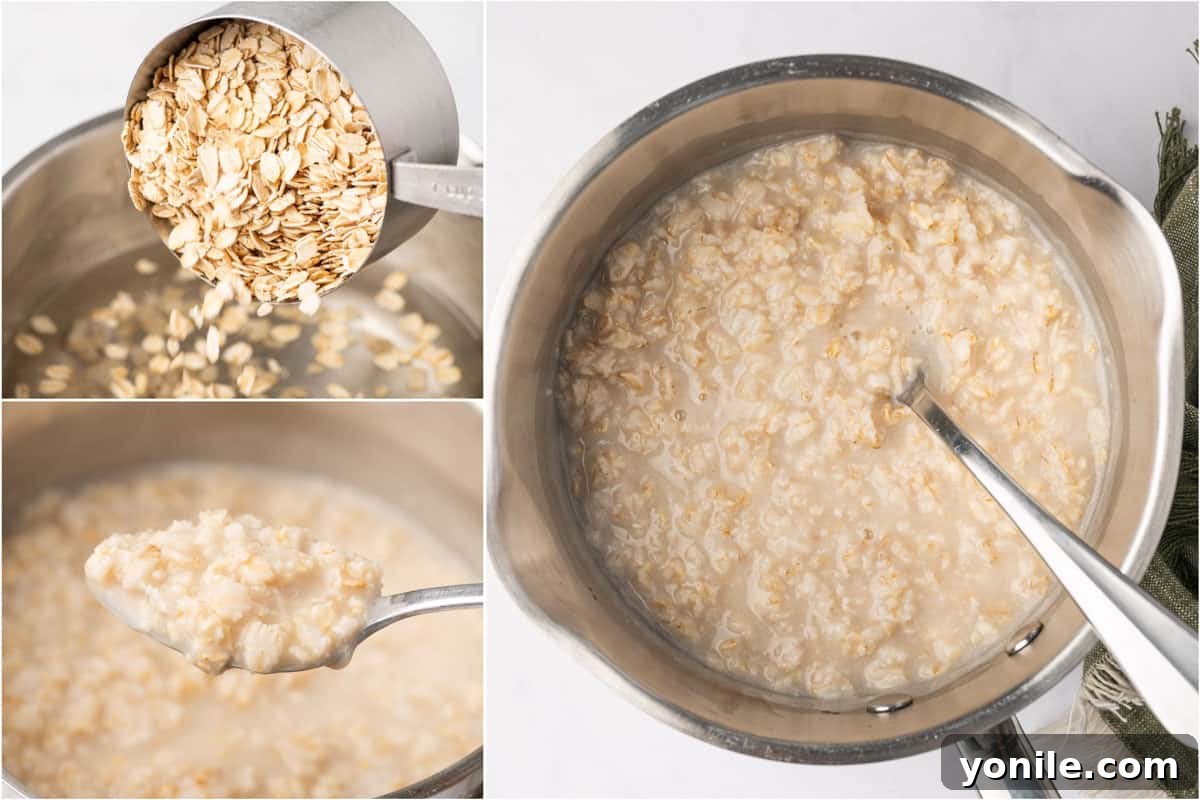
- Boil Liquid: In a medium saucepan, bring 2 cups of water or milk to a boil over medium-high heat. Add a pinch of salt.
- Add Oats: Once the liquid is boiling, stir in 1 cup of old-fashioned rolled oats.
- Reduce Heat and Simmer: Reduce the heat to low and let the oats simmer gently. Stir occasionally throughout the cooking process to prevent the oats from sticking to the bottom of the pan and to ensure even cooking and creaminess.
- Cook to Desired Consistency: Continue to cook for about 5 minutes, or until the oats reach your desired tenderness and thickness. For thicker oatmeal, cook an extra 1-2 minutes; for a thinner consistency, add a small splash more liquid.
- Remove from Heat: When the oats are tender and have absorbed most of the liquid, remove the saucepan from the heat. Allow the oatmeal to sit for a minute or two; this brief rest helps it thicken slightly and become even creamier.
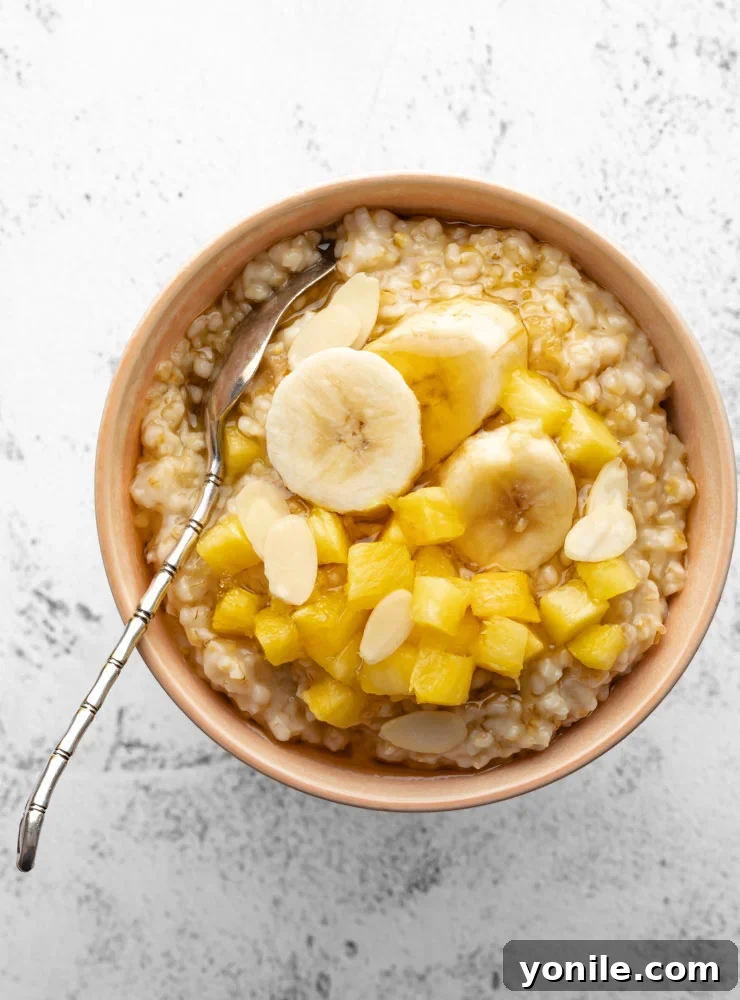
- Serve: Spoon the warm oatmeal into bowls. Get creative with your favorite toppings such as fresh fruit, chopped nuts, a drizzle of honey, or a sprinkle of cinnamon. Enjoy!
Tips for Cooking Stovetop Oats:
- Liquid Ratio Matters: The general rule is a 2:1 liquid-to-oats ratio for rolled oats (2 cups liquid to 1 cup oats) and a 4:1 ratio for steel-cut oats. Adjust this slightly to achieve your preferred thickness.
- Constant Stirring for Creaminess: For incredibly creamy oatmeal, stir almost continuously during the last few minutes of cooking, especially when using milk. This helps release starch and creates a velvety texture.
- Don’t Rush the Simmer: Allow oats ample time to simmer gently. Rushing the cooking by using high heat can result in unevenly cooked oats and potential burning.
- Salt is Key: Even in sweet oatmeal, a tiny pinch of salt enhances all the flavors.
Overnight Oats: Prep Ahead Perfection
Overnight oats are a brilliant, no-cook breakfast solution, ideal for those hectic mornings. By simply soaking oats in liquid overnight, they soften and absorb flavors, transforming into a creamy, delicious meal that’s ready to eat right when you wake up. This method relies on old-fashioned rolled oats for the best texture.
Basic Overnight Oats Recipe
Ingredients:
- ½ cup old-fashioned rolled oats
- ½ cup milk (any type: dairy, almond, oat, soy, coconut milk)
- 1 tablespoon chia seeds (optional, but highly recommended for extra thickness, nutrition, and texture)
- 1 tablespoon sweetener (such as honey, maple syrup, or agave, adjust to taste, optional)
- ½ teaspoon vanilla extract (optional, for a boost of flavor)
- A small pinch of salt (optional, but enhances flavor)
Instructions:
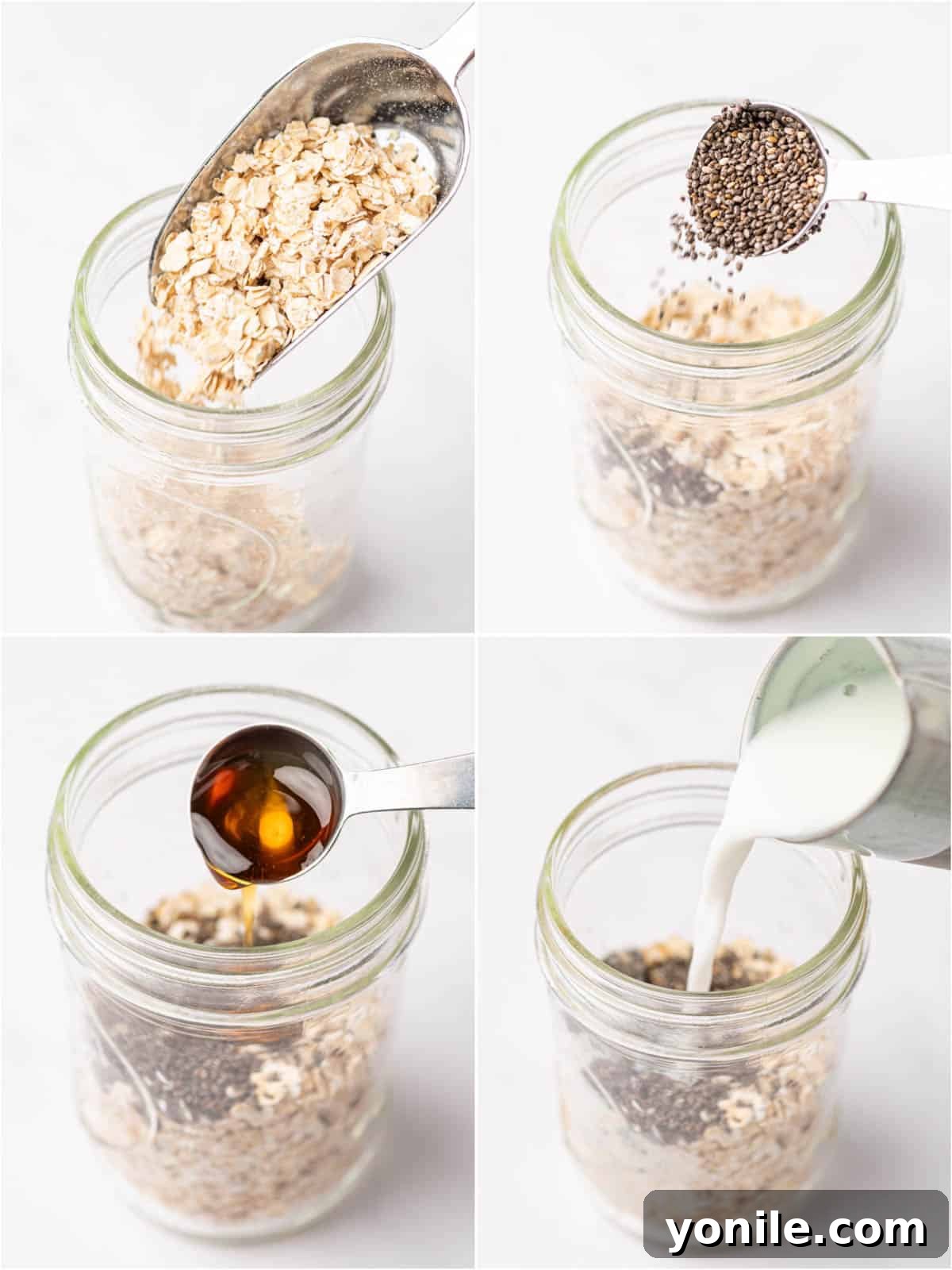
- Combine Ingredients: In a mason jar, bowl, or airtight container, combine the old-fashioned rolled oats, milk, chia seeds (if using), sweetener (if using), vanilla extract (if using), and salt.
- Mix Thoroughly: Stir all the ingredients together exceptionally well until the oats and chia seeds are fully coated and uniformly dispersed in the liquid. This prevents clumps and ensures even absorption.
- Cover and Refrigerate: Securely cover the jar or container with a lid or plastic wrap. Place it in the refrigerator and let the oats soak overnight, or for at least 4-6 hours. This soaking period is crucial for the oats to soften and absorb the liquid, creating their creamy texture.
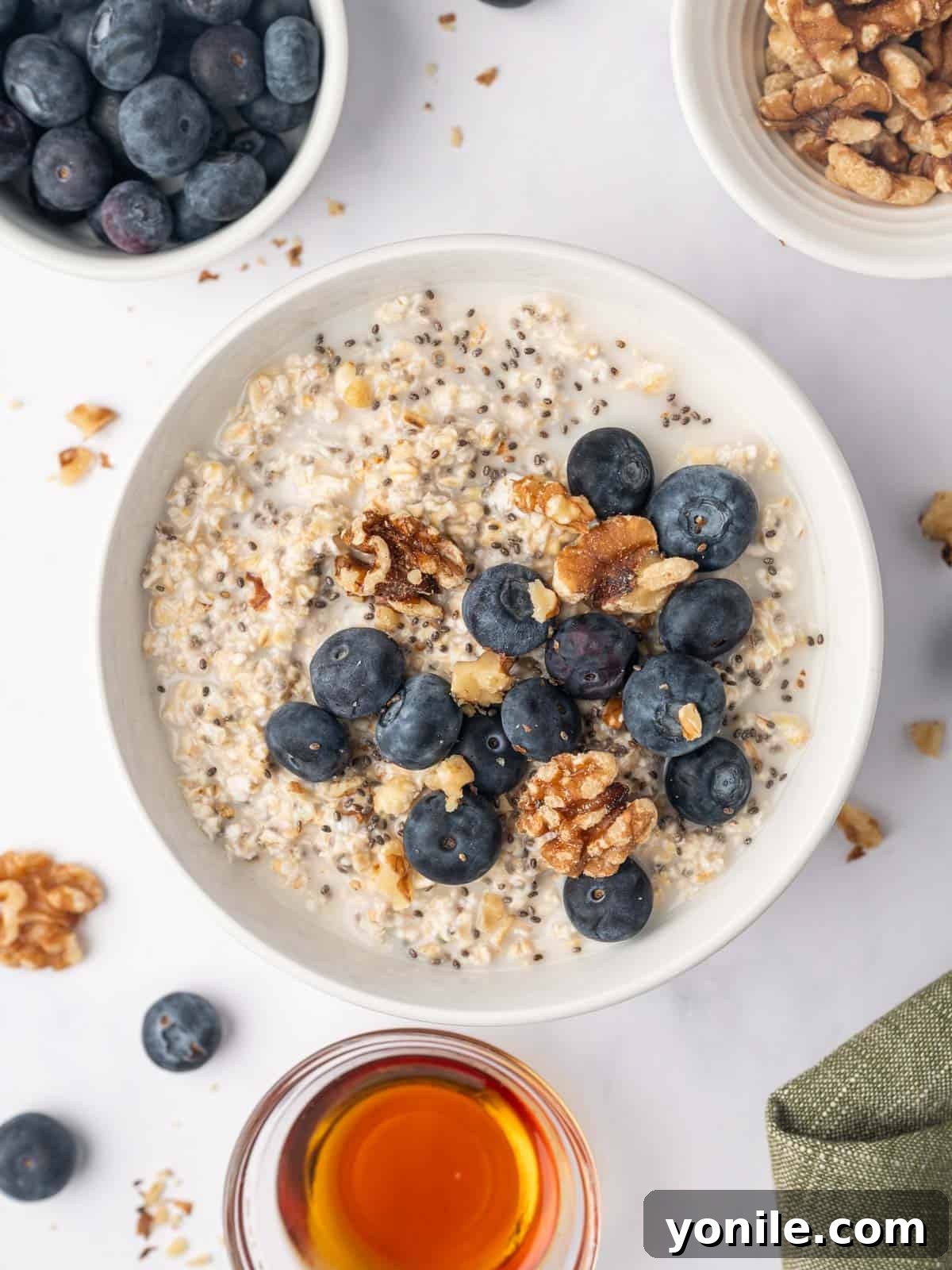
- Serve and Customize: In the morning, give the oats a good stir. If they appear too thick for your preference, add a splash more milk to loosen them up to your desired consistency. Now, unleash your creativity with toppings! Add fresh fruits, nuts, seeds, nut butter, or additional sweeteners.
- Enjoy: Overnight oats are traditionally enjoyed cold, straight from the refrigerator. If you prefer them slightly warmer, you can let them sit at room temperature for a few minutes before eating, or gently warm them in the microwave for 30 seconds (though this defeats the “no-cook” appeal for some).
Instant Pot Oatmeal: Hands-Off Efficiency
For those who love the hearty texture of steel-cut oats but don’t have time for stovetop monitoring, the Instant Pot is a game-changer. It significantly speeds up the cooking process and makes it almost entirely hands-off.
Instant Pot Steel-Cut Oatmeal
Ingredients:
- 1 cup steel-cut oats
- 3 cups water (for a slightly chewier result, use 2.5 cups; for creamier, use 3.5 cups)
- A pinch of salt (optional)
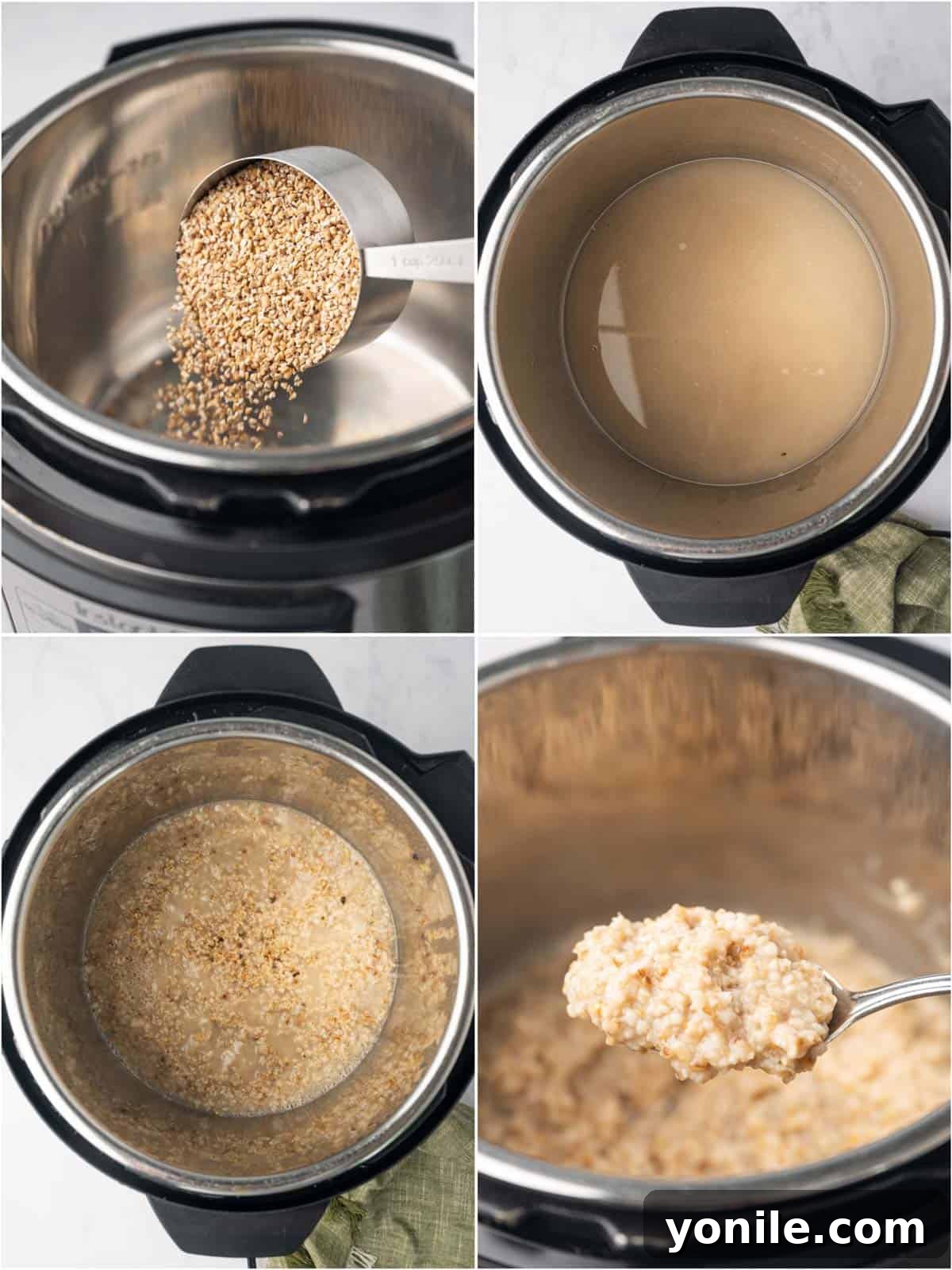
Instructions:
- Prepare the Instant Pot: Add 1 cup of steel-cut oats, 3 cups of water, and a pinch of salt to the inner pot of your Instant Pot. Stir briefly to combine the ingredients.
- Secure the Lid: Place the lid on the Instant Pot and ensure the sealing valve is set to the “Sealing” position.
- Set Cooking Time: Select the “Pressure Cook” or “Manual” button and set the timer for 4 minutes on high pressure.
- Natural Pressure Release (NPR): Once the cooking time is complete, allow the pressure to release naturally for about 10 minutes. This “Natural Release” (NPR) is crucial as it allows the oats to fully absorb the liquid and prevents any liquid from splattering when the steam is released.
- Quick Release (QR) Remaining Pressure: After the 10-minute natural release, carefully turn the sealing valve to the “Venting” position to release any remaining pressure. Once the floating pin drops, it is safe to remove the lid.
- Stir and Serve: Give the oatmeal a good stir to incorporate any remaining liquid and to achieve a thick, creamy consistency. Serve hot and customize with your favorite toppings like fresh berries, nuts, a spoonful of brown sugar, or a dash of cinnamon.
Baked Oatmeal: A Wholesome, Hearty Bake
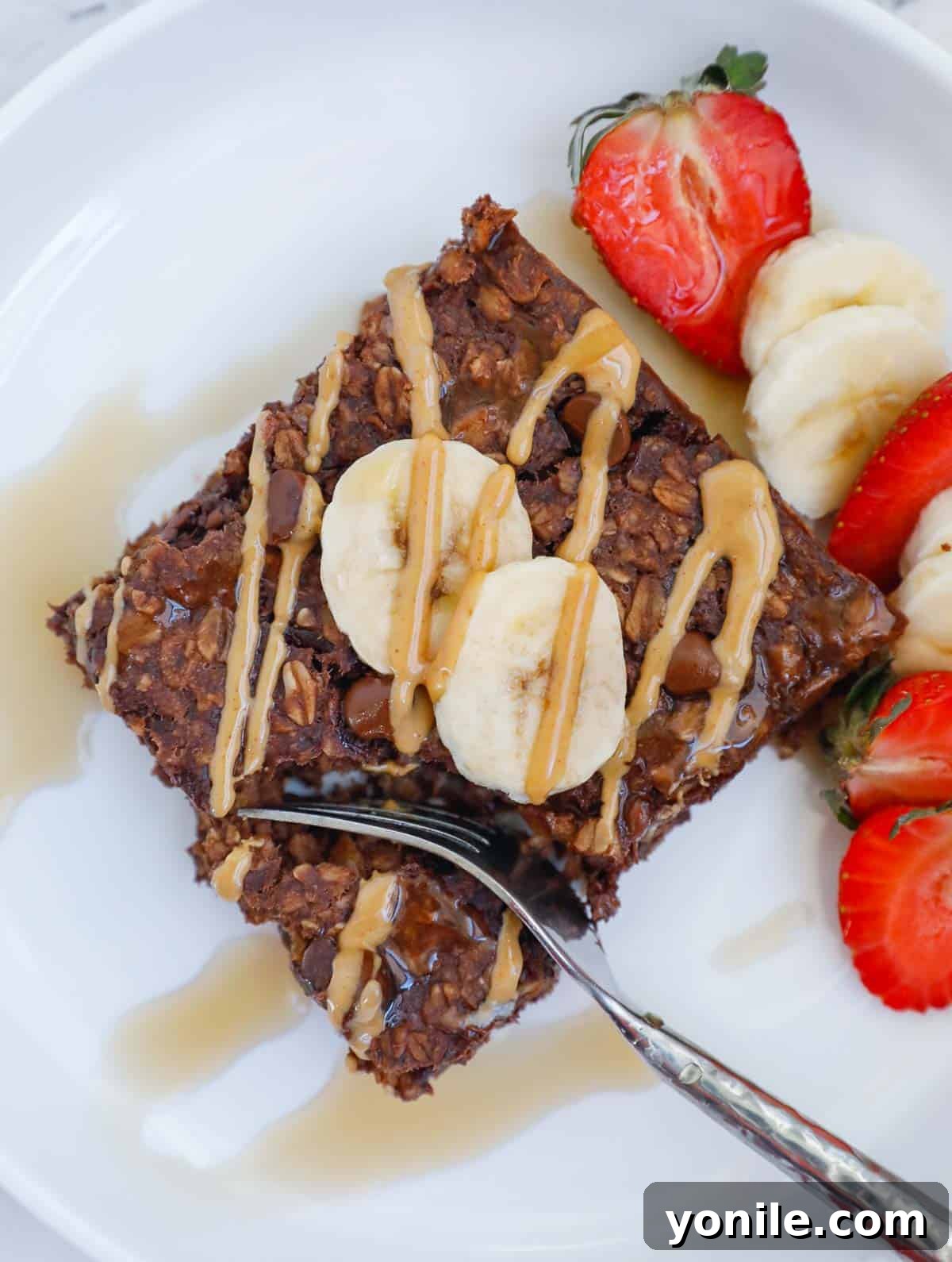
Baked oatmeal offers a delightful departure from the traditional creamy bowl. It’s a fantastic option for meal prep, feeding a crowd, or simply enjoying a warm, cake-like breakfast. It bakes into a firm, sliceable casserole, often packed with fruits, nuts, and spices. While there are countless variations, the basic concept involves combining rolled oats with liquid, eggs (for binding), a leavening agent (like baking powder), sweetener, and your choice of mix-ins, then baking until set.
This method allows you to infuse flavors deeply and provides a satisfying, hearty texture different from stovetop or microwave oats. It’s perfect for customizing with seasonal fruits and can be made ahead of time for easy reheating throughout the week.
For specific recipes to inspire your baked oatmeal journey, consider these delicious ideas:
- 3 Ways to Make Baked Oats
- Chocolate Chip Baked Oatmeal
- Peanut Butter Baked Oatmeal
- Blueberry Baked Oatmeal
- Healthy Oat Banana Bread (a delicious baked good using oats!)
Achieving Oatmeal Perfection: Expert Tips
No matter which cooking method you choose, these general tips will help you create a consistently delicious and satisfying bowl of oatmeal:
- Master the Liquid-to-Oats Ratio: This is fundamental.
- For Rolled Oats (Stovetop/Microwave): Generally, a 2:1 liquid-to-oats ratio (e.g., 2 cups water/milk to 1 cup oats) is standard.
- For Steel-Cut Oats (Stovetop/Instant Pot): A 3:1 or 4:1 liquid-to-oats ratio (e.g., 3-4 cups water/milk to 1 cup oats) is typically required due to their less processed nature and longer cooking time.
- For Quick Oats (Microwave): Often a slightly less than 2:1 ratio is sufficient, as they absorb quickly.
Adjust these ratios slightly based on your desired final texture.
- Experiment with Liquid Choices: Don’t be afraid to mix it up! Water offers a lighter texture, highlighting the oat’s natural flavor. Milk (dairy or any plant-based variety like almond, oat, or soy milk) imparts a richer, creamier consistency and often a touch more sweetness. You can even use a combination of both.
- Customize for Your Ideal Texture:
- For Thicker Oatmeal: Use slightly less liquid, or cook the oats for an extra minute or two until more liquid is absorbed.
- For Creamier Oatmeal: Use a bit more liquid, stir more frequently during cooking (especially on the stovetop), or stir in a splash of milk or yogurt after cooking.
- For Chewier Oatmeal: Stick to steel-cut oats, or ensure you don’t overcook rolled oats.
- Always Add a Pinch of Salt: This simple addition is often overlooked but incredibly important. A small pinch of salt (even in sweet oatmeal) enhances the natural flavors of the oats and balances any added sweetness, preventing it from tasting flat.
- Don’t Forget to Stir: For stovetop and microwave methods, stirring occasionally helps prevent the oats from sticking to the bottom of the pan and ensures even cooking. For stovetop oats, increased stirring towards the end of cooking helps create a creamier consistency.
- Sweeten to Taste: Add sweeteners gradually and taste as you go. It’s easier to add more sweetness than to take it away. Natural sweeteners like honey or maple syrup also offer additional flavor dimensions.
- Let It Rest: After cooking, letting your oatmeal sit for a minute or two off the heat allows it to continue absorbing liquid and thicken to its final consistency.
- Boost with Healthy Fats: Stirring in a spoonful of nut butter, a dash of coconut oil, or a few chopped nuts not only adds flavor but also healthy fats, making your oatmeal more satisfying and nutritionally dense.
Elevate Your Bowl: Irresistible Toppings Ideas
The true magic of oatmeal often lies in its toppings. This is where you can unleash your creativity and transform a simple bowl of oats into a culinary masterpiece. Feel free to mix and match from these categories to create endless combinations of delicious and satisfying oatmeal breakfasts.
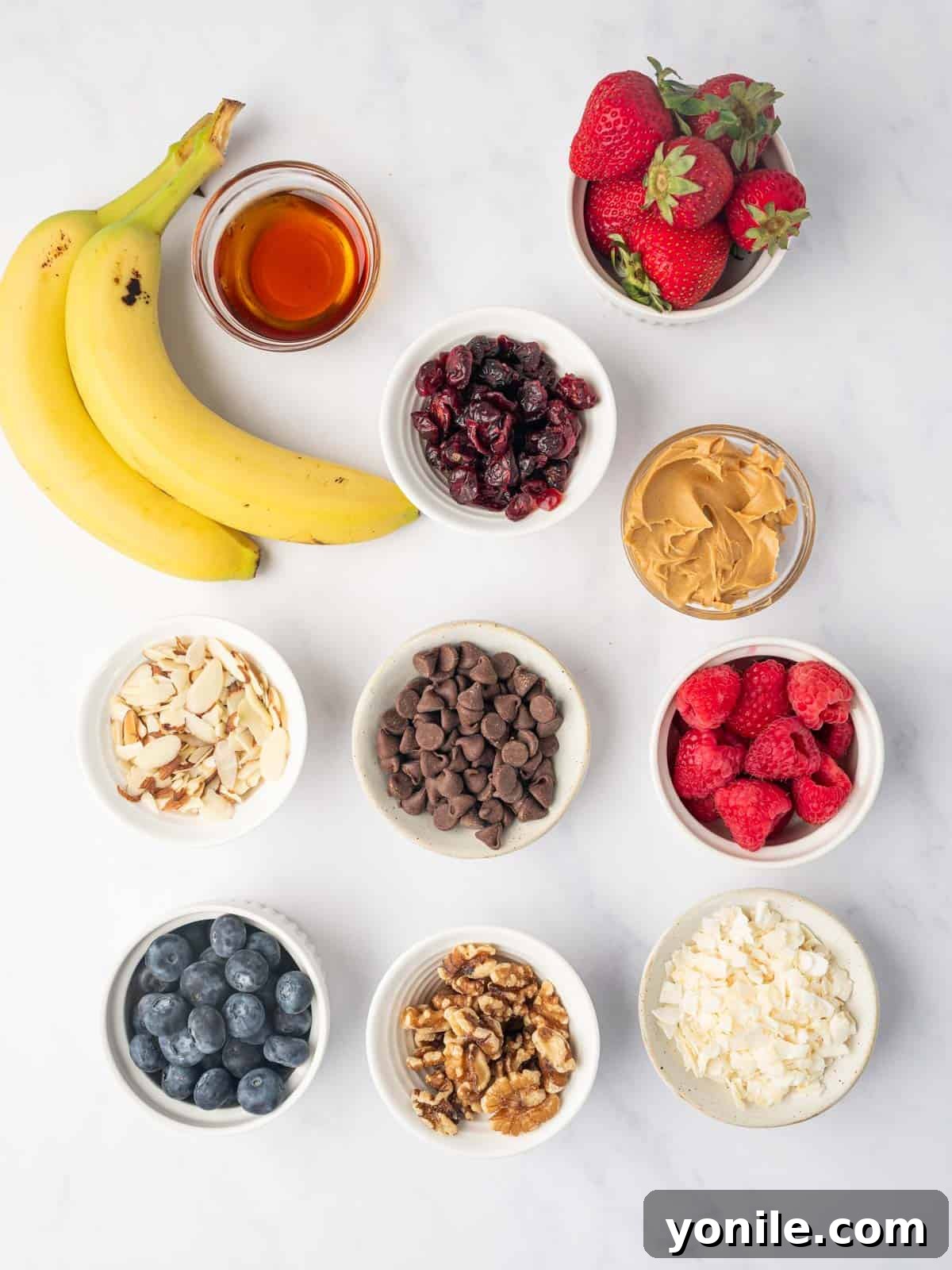
- Fresh Fruits: The ultimate natural sweetener and source of vitamins.
- Popular Choices: Sliced bananas, blueberries, raspberries, sliced strawberries, diced apples, pears, peaches, kiwi, or mango.
- Seasonal Delight: Embrace seasonal fruits for peak flavor and nutrition.
- Dried Fruits: Concentrated sweetness and chewiness.
- Variety: Raisins, dried cranberries, chopped dates, apricots, figs, or cherries.
- Tip: For softer dried fruits, you can mix them into the oats during the last minute of cooking.
- Nuts and Seeds: Add crunch, healthy fats, protein, and fiber.
- Nuts: Sliced almonds, chopped walnuts, pecans, cashews, pistachios, or salted peanuts. Toasting nuts briefly enhances their flavor.
- Seeds: Chia seeds (great for thickening!), flax seeds (ground for better absorption), hemp seeds, pumpkin seeds, sunflower seeds.
- Spices: Warmth and aromatic depth.
- Classics: Ground cinnamon, nutmeg, cardamom, or a pinch of pumpkin pie spice.
- Exotic: A tiny pinch of ginger or a dash of allspice.
- Spreads: Richness, flavor, and extra protein.
- Nut Butters: Creamy or crunchy peanut butter, almond butter, cashew butter.
- Decadent: Melted chocolate, Nutella spread, or Biscoff (speculoos) spread.
- Sweeteners: To control the final sweetness.
- Natural Syrups: Honey, maple syrup, agave nectar, date syrup.
- Granulated: Brown sugar, white sugar, coconut sugar.
- Extras: For texture and indulgence.
- Shredded coconut (toasted for extra flavor), mini chocolate chips, cocoa nibs, granola (crunchy oats on soft oats!), or a dollop of Greek yogurt for added protein and tang.
Don’t be afraid to mix and match! A classic combination like banana and walnuts, or a more adventurous one like mango, coconut, and cardamom can truly elevate your oatmeal experience.
Frequently Asked Questions About Oatmeal
Here are answers to some common questions about cooking and enjoying oatmeal:
Absolutely! Cooked oatmeal can be made in larger batches and stored. Individual portions can then be easily reheated in the microwave or on the stovetop with a splash of extra liquid. Overnight oats are specifically designed for make-ahead convenience and are ready to eat straight from the fridge.
Store any leftover cooked oatmeal in an airtight container in the refrigerator for up to 3-5 days. When reheating, you may need to add a little extra water or milk to restore its creamy consistency.
For thicker oatmeal, simply use slightly less liquid when cooking or cook it for a minute or two longer until more liquid is absorbed. For creamier, thinner oatmeal, use more liquid or stir in an additional splash of milk (dairy or plant-based) or a spoonful of yogurt after cooking.
Yes, oats are naturally gluten-free. However, they are often processed in facilities that also handle gluten-containing grains (like wheat, barley, rye), leading to cross-contamination. If you have celiac disease or a severe gluten sensitivity, look for oats explicitly labeled as “certified gluten-free” to ensure they meet strict purity standards.
Yes, cooked oatmeal freezes well! Let it cool completely, then portion it into airtight, freezer-safe containers or freezer bags. It can be frozen for up to 2-3 months. To reheat, thaw overnight in the fridge or microwave from frozen, adding a splash of liquid (water or milk) to bring it back to a good consistency.
To make your oatmeal more satiating and nutritious:
- Add Protein: Stir in Greek yogurt, cottage cheese, a scoop of protein powder, or top with nuts and seeds.
- Increase Fiber: Mix in chia seeds, flaxseeds, or more fresh fruit.
- Include Healthy Fats: Swirl in nut butters (peanut, almond), avocado slices (for savory), or a sprinkle of shredded coconut.
Absolutely! Savory oatmeal is a delicious and often overlooked option. Cook your oats with water or vegetable broth instead of milk. Top with ingredients like a fried egg, sautéed mushrooms, spinach, cheese, avocado, hot sauce, black pepper, or even cooked bacon bits for a hearty, savory meal.

More Wholesome Breakfast Ideas to Explore
If you love starting your day with a nutritious meal, here are some other recipes you might enjoy:
- Apple Cinnamon Oatmeal Cups
- Avocado Toast With Eggs
- Homemade Fruit and Nuts Bar
- Strawberry Oatmeal Bars
Mastering the art of cooking oatmeal opens up a world of delicious, healthy, and incredibly satisfying breakfast options. By understanding the nuances of different oat types and exploring various cooking methods, you can effortlessly tailor your oatmeal to suit any taste, schedule, or dietary need. Whether your preference is for a classic creamy bowl, the hearty chewiness of steel-cut oats, the convenience of overnight oats, or the comforting warmth of baked oatmeal, this humble grain offers endless possibilities for a nourishing start to your day.
Embrace the journey of experimentation with flavors and textures. If you try any of these recipes or adapt them to your liking, we’d love to hear from you! Please consider leaving a star rating and comment below. For more culinary inspiration, follow Cookin’ With Mima on Facebook, Instagram, and Pinterest for all the latest updates and delicious recipes.