
Transform your healthy eating journey with the incredible versatility of cauliflower rice! This comprehensive guide will show you how to effortlessly create your own batch of this popular low-carb, gluten-free, Keto, and Paleo-friendly food. Perfect as a nutritious side dish for any meal, cauliflower rice is a game-changer for anyone looking to reduce their carbohydrate intake without sacrificing flavor or satisfaction. Ditch the store-bought versions and discover just how easy and cost-effective it is to make fresh, delicious riced cauliflower right in your own kitchen.
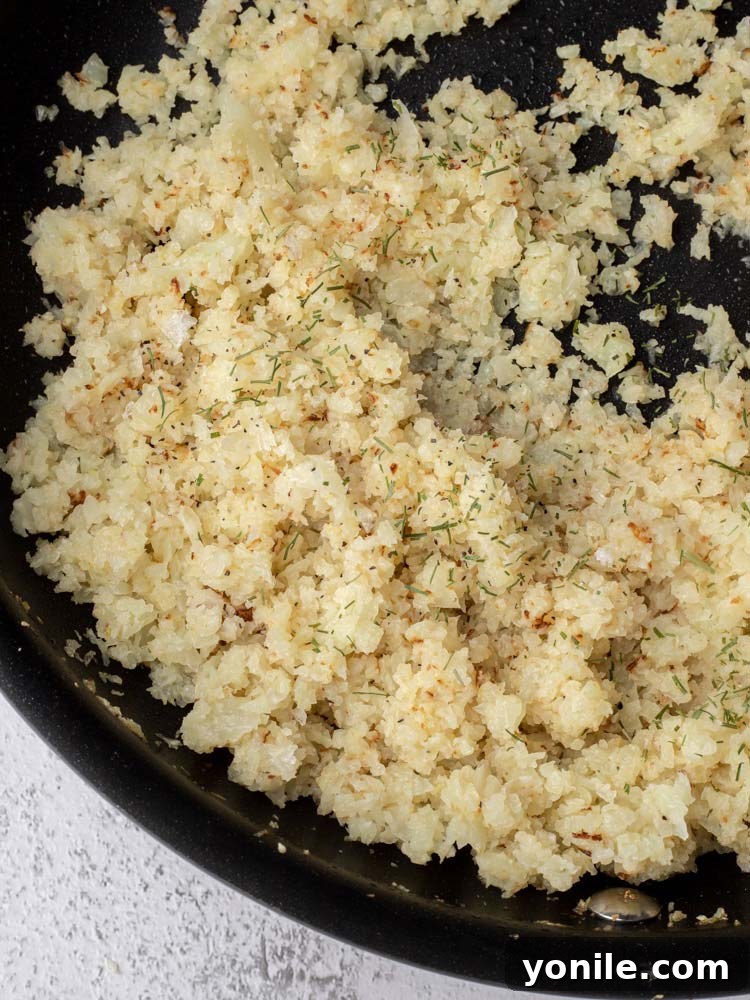
What is Cauliflower Rice?
Cauliflower rice is a fantastic, grain-free alternative to traditional rice, made by finely chopping or grating fresh cauliflower florets until they resemble small grains of rice. It has gained immense popularity among health-conscious individuals and those following specific dietary regimens like low-carb, ketogenic, Paleo, and Whole30 diets. Unlike conventional rice, which is rich in carbohydrates, cauliflower rice is primarily composed of vegetables, offering a significant boost in nutrients and fiber while keeping calories and carbs low.
This ingenious vegetable substitute isn’t just a healthy option; it’s incredibly versatile. Its mild flavor allows it to seamlessly absorb the seasonings and sauces of almost any dish, making it an ideal canvas for a wide array of culinary creations. Whether you’re making a stir-fry, a burrito bowl, a curry, or simply need a healthy side for your protein, cauliflower rice fits the bill perfectly. It provides the texture and bulk of traditional rice without the glycemic impact, helping you stay satisfied and on track with your wellness goals.
Benefits of Incorporating Cauliflower Rice into Your Diet
Beyond its low-carb appeal, cauliflower rice boasts an impressive nutritional profile that makes it a true superfood. Here are some of the key benefits:
- Rich in Nutrients: Cauliflower is packed with essential vitamins and minerals, including Vitamin C, Vitamin K, Vitamin B6, folate, and potassium. These nutrients are crucial for immune function, bone health, energy metabolism, and overall well-being.
- High in Fiber: With a significant amount of dietary fiber, cauliflower rice aids in digestive health, promoting regularity and preventing constipation. Fiber also contributes to a feeling of fullness, which can be beneficial for weight management.
- Low in Calories and Carbohydrates: This is perhaps its most celebrated benefit. A cup of cooked cauliflower rice contains significantly fewer calories and carbohydrates compared to a cup of white rice, making it an excellent choice for weight loss, blood sugar management, and ketogenic diets.
- Source of Antioxidants: Cauliflower contains powerful antioxidants like sulforaphane and glucosinolates, which help protect your cells from damage caused by free radicals and may reduce the risk of chronic diseases.
- Versatile and Flavor-Absorbing: Its neutral taste makes it incredibly adaptable to various cuisines. It readily absorbs the flavors of herbs, spices, and sauces, allowing you to create diverse and exciting meals.
- Supports Detoxification: The sulforaphane in cauliflower can help activate detoxification enzymes in the body, supporting the natural cleansing process.
By swapping regular rice for cauliflower rice, you’re not just cutting carbs; you’re adding a powerhouse of nutrition to your plate.
How to Make Cauliflower Rice
While convenience stores offer pre-riced cauliflower in both fresh and frozen sections, crafting your own at home ensures the freshest taste, perfect texture, and often a more economical option. All you need is a fresh head of cauliflower and a few minutes of your time. Let’s explore the two most popular methods for ricing cauliflower.
Cauliflower Preparation
Regardless of the method you choose for ricing, proper preparation of the cauliflower head is essential. Begin by thoroughly washing the cauliflower under cold running water. Pat it dry with a clean kitchen towel to remove excess moisture, which helps prevent a soggy end product. Next, carefully remove the thick outer leaves and trim the bottom of the core. You can then split the head in half or into quarters to make it easier to handle and process.
Method 1: Using a Grater
If you don’t own a food processor, a standard box grater works wonderfully and is a simple, effective way to make cauliflower rice. This method gives you excellent control over the texture.
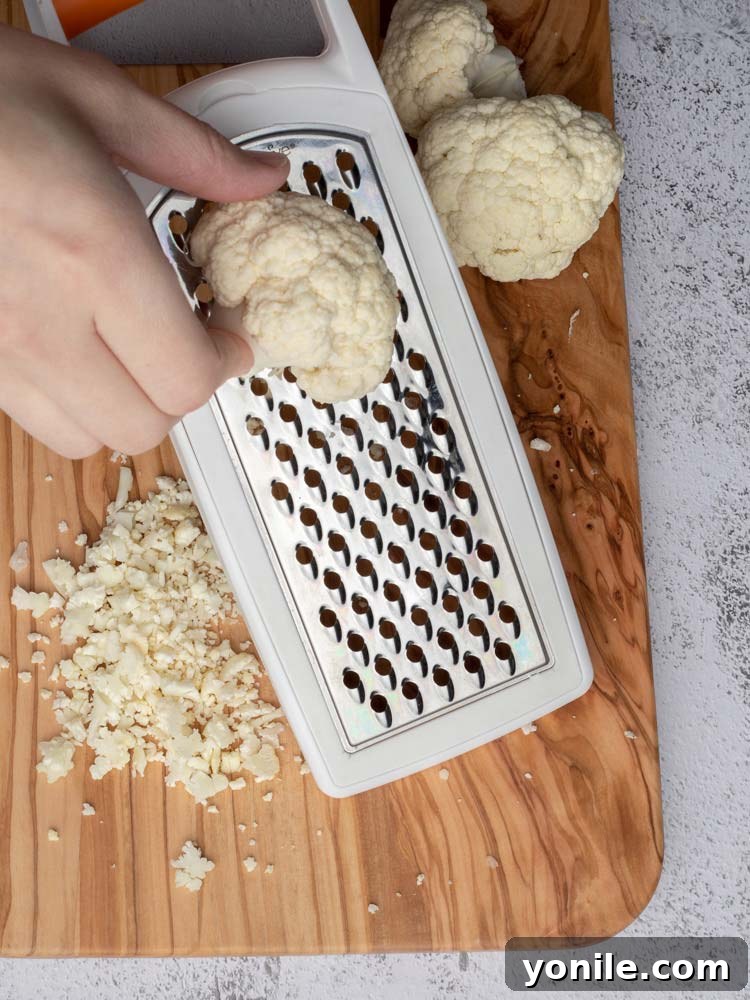
- Divide and Conquer: After preparing the cauliflower as described above, chop the head into quarters. This size is much easier and safer to hold as you grate.
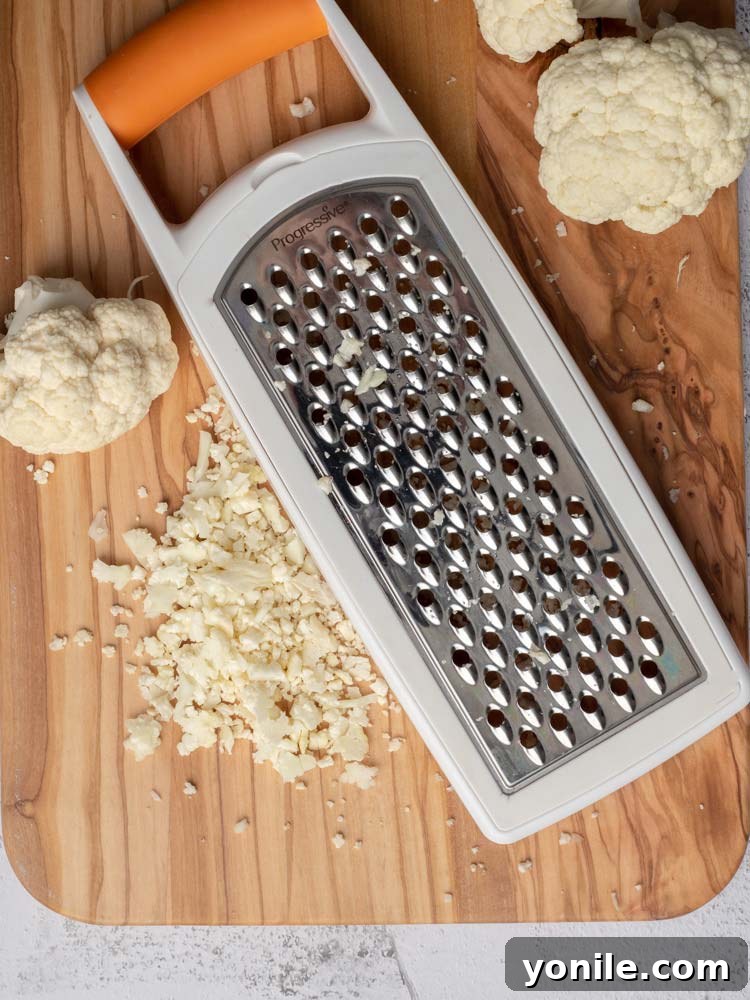
- Select Your Grater Side: Use the side of your cheese grater with the larger holes. These holes are ideal for creating rice-like pieces, avoiding overly fine or mushy results.
- Grate with Care: Hold a quarter of cauliflower firmly and rub it along the larger holes of the grater, moving downwards. As you grate, the florets will break down into small, rice-sized grains. Continue grating until you reach the core, discarding the very tough part.
- Repeat: Repeat this process with the remaining cauliflower quarters until all the florets have been riced. You’ll be left with a beautiful pile of fluffy, uniform cauliflower rice.
Method 2: In a Food Processor
For a quicker and less labor-intensive method, a food processor is your best friend. It makes ricing cauliflower a breeze, especially when preparing larger quantities.
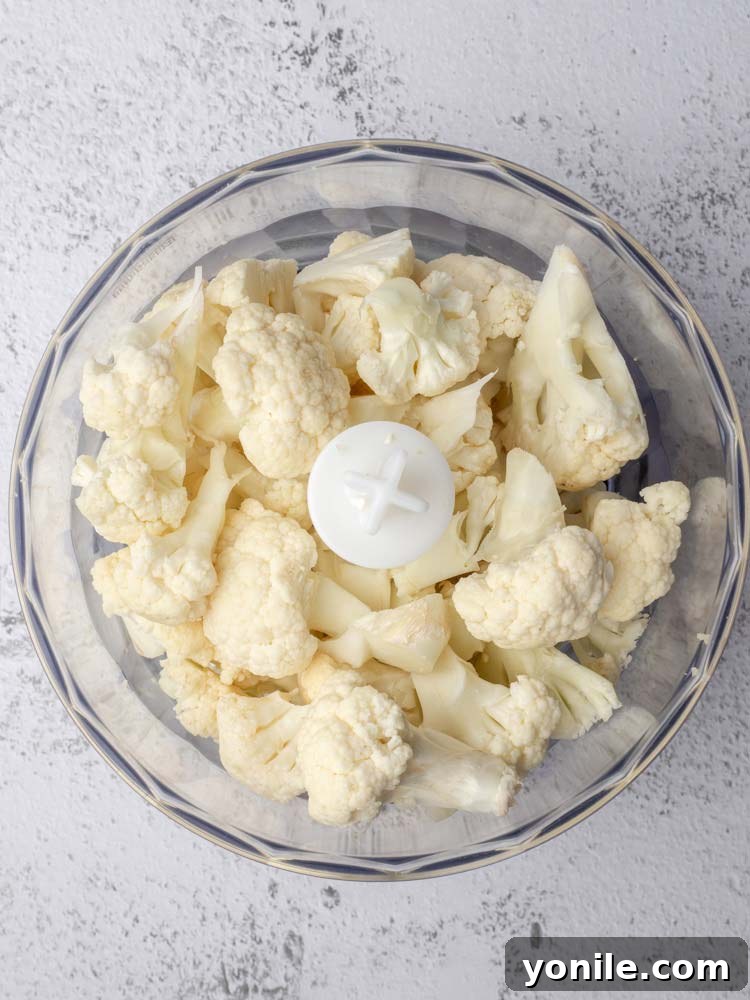
- Prepare and Cut: Start by washing and drying the cauliflower head. Remove the core and leaves. Then, cut the cauliflower into roughly 1-2 inch florets. Uniformly sized florets help ensure even processing.
- Load the Processor: Place a batch of cauliflower florets into your food processor. It’s crucial not to overfill the processor; aim for no more than 3/4 full. Overfilling can lead to uneven ricing, with some pieces becoming mush while others remain large. You may need to work in two or more batches, depending on the size of your cauliflower head and food processor.
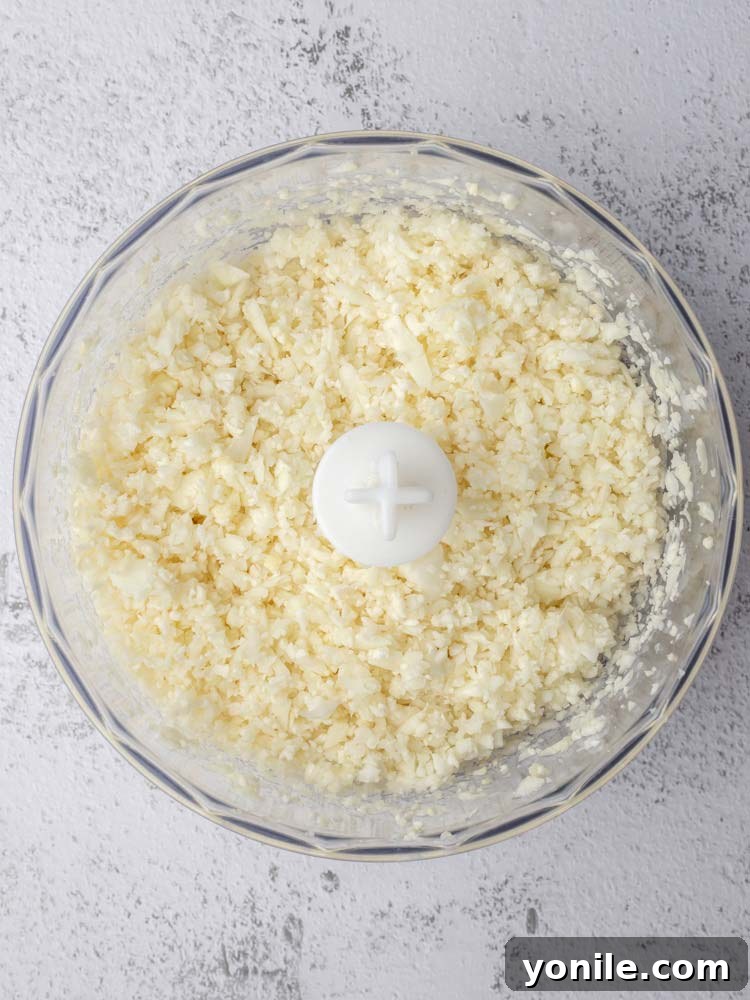
- Pulse to Perfection: Secure the lid and pulse the cauliflower in short bursts, typically 3-5 seconds at a time. This pulsing action is key to achieving a rice-like texture without turning it into a paste. Keep an eye on the consistency through the clear lid.
- Check and Re-pulse: After a few pulses, open the lid and check the consistency. You’re looking for uniform, grain-like pieces. If you notice any larger chunks remaining, remove the riced cauliflower and return the larger pieces to the processor for a few more pulses, or simply pick them out and chop them manually.
- Empty and Repeat: Once your cauliflower is perfectly riced, transfer it to a large bowl and repeat the process with any remaining florets.
How to Cook Cauliflower Rice
Once you’ve successfully riced your cauliflower, it’s ready to be cooked. You can either cook it immediately or store it for later. The beauty of cauliflower rice lies in its quick cooking time and various preparation methods.
Stovetop Method (Quick & Easy)
The stovetop method is the most common and fastest way to cook cauliflower rice, resulting in a tender-crisp texture that’s perfect for most dishes.
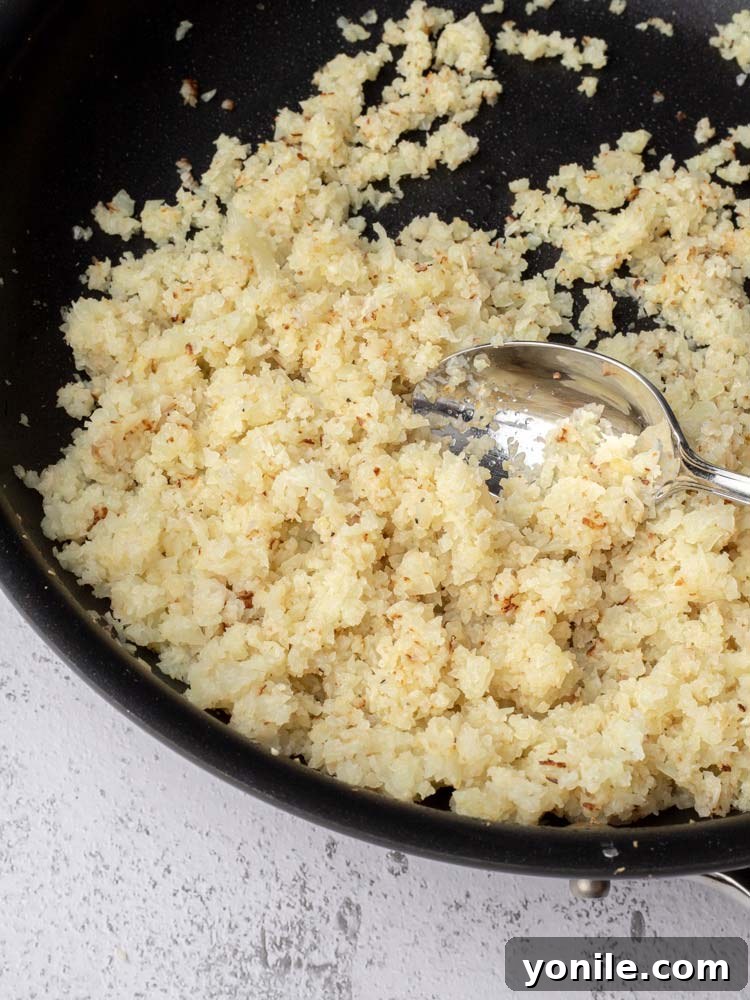
- Heat the Oil: In a large skillet or frying pan, heat about 2-3 tablespoons of olive oil, avocado oil, or your preferred cooking fat over medium heat. A hot pan is crucial for achieving a slightly toasted texture.
- Add Cauliflower Rice: Once the oil is shimmering, add the riced cauliflower to the pan. Spread it out evenly to ensure consistent cooking.
- Season and Sauté: Season with a pinch of salt and pepper, and any other desired herbs or spices. Sauté the cauliflower rice, stirring occasionally, for about 5-8 minutes. The goal is to cook it until it’s tender-crisp, not mushy. Avoid overcooking, as this can release too much moisture and lead to a soggy texture.
- Serve: Once cooked to your liking, remove the pan from the heat and serve immediately as a delicious and healthy side dish.
Oven Roasting Method (For a Nutty Flavor)
Roasting cauliflower rice in the oven offers a slightly different texture and a deeper, nuttier flavor profile, perfect for a heartier side.
- Preheat Oven & Prep Tray: Preheat your oven to 400°F (200°C). Line a large baking sheet with parchment paper for easy cleanup.
- Season: Toss the riced cauliflower with 1-2 tablespoons of olive oil, salt, pepper, and any desired seasonings (garlic powder, paprika, etc.) in a large bowl.
- Spread Evenly: Spread the seasoned cauliflower rice in a single layer on the prepared baking sheet. Avoid overcrowding, as this can steam the cauliflower instead of roasting it.
- Roast: Roast for 15-20 minutes, stirring halfway through, until the cauliflower is tender and slightly caramelized or browned at the edges.
Microwave Method (Super Quick)
For the fastest cooking option, especially for a single serving, the microwave can be a lifesaver.
- Place in Bowl: Place the riced cauliflower in a microwave-safe bowl. Add 1-2 tablespoons of water or broth and cover the bowl with a microwave-safe lid or plastic wrap, leaving a small vent.
- Microwave: Microwave on high for 3-5 minutes, or until tender. Stir halfway through. Be careful not to overcook, as it can quickly become soggy.
- Drain & Season: If any excess water remains, carefully drain it. Fluff with a fork and season to taste before serving.
Flavor Variations and Seasoning Ideas
Cauliflower rice is a fantastic blank slate, ready to take on any flavor profile you desire. Here are some ideas to keep your meals exciting:
- Garlic Herb: Sauté with minced garlic, fresh parsley, chives, or a mix of dried Italian herbs. Finish with a squeeze of lemon juice.
- Asian Inspired: Cook with sesame oil, a splash of soy sauce (or tamari for gluten-free), grated ginger, and minced garlic. Garnish with chopped green onions and a sprinkle of sesame seeds.
- Mexican Fiesta: Sauté with olive oil, cumin, chili powder, paprika, and a pinch of cayenne. Stir in chopped cilantro and a squeeze of lime juice at the end.
- Mediterranean Delight: Combine with sun-dried tomatoes, Kalamata olives, fresh basil, oregano, and a drizzle of extra virgin olive oil.
- Curry Flavored: Cook with coconut oil, curry powder, turmeric, and a hint of ginger. A fantastic base for any curry dish.
- Lemon Pepper: Simple yet elegant, season with freshly ground black pepper and a generous amount of lemon zest or juice.
Frequently Asked Questions
Is cauliflower rice good for you?
Absolutely! Cauliflower rice is an exceptionally healthy food choice. It’s an ultimate health hack, allowing you to enjoy the texture and experience of rice while significantly boosting your vegetable intake and reducing your carbohydrate load. It’s naturally gluten-free, making it safe for individuals with celiac disease or gluten sensitivities. Furthermore, its low-carb nature makes it a perfect fit for Keto, Paleo, and Whole30 diets, supporting weight management, stable blood sugar levels, and overall nutritional well-being. Rich in vitamins, minerals, and fiber, it contributes to better digestion, immune health, and provides beneficial antioxidants.
Can I freeze cauliflower rice?
Yes, absolutely! Freezing cauliflower rice is an excellent way to meal prep and have it ready for quick meals. Simply place the freshly riced (uncooked) cauliflower into a freezer-safe bag, removing as much air as possible, or an airtight container. It will last in the freezer for about 3 months. When you’re ready to use it, you can cook it directly from frozen, adding a few extra minutes to the cooking time, or allow it to thaw on the counter or in the refrigerator before cooking.
How long does cauliflower rice last?
Uncooked riced cauliflower can be stored in an airtight container in the refrigerator for roughly 3-4 days. Cooked cauliflower rice will last for about 3-5 days in the refrigerator. For longer storage, freezing is your best option, where it can maintain its quality for up to 3 months. Always ensure it’s stored properly to maintain freshness and prevent spoilage.
How to prevent soggy cauliflower rice?
The key to avoiding soggy cauliflower rice lies in a few simple steps:
- Dry Cauliflower: Ensure your cauliflower is very dry before ricing. Excess moisture leads to steam, which can make it mushy.
- Don’t Overprocess: When using a food processor, pulse in short bursts and avoid over-processing. Too fine a chop will release more water.
- Don’t Overcrowd the Pan: When cooking, use a large skillet and spread the cauliflower in a single layer. Cooking in batches if necessary.
- High Heat: Cook over medium-high heat initially to allow some moisture to evaporate quickly.
- Don’t Overcook: Cauliflower rice cooks quickly, typically 5-8 minutes on the stovetop. Cook until tender-crisp, not soft.
Can I use frozen cauliflower for ricing?
While fresh cauliflower is generally preferred for the best texture when ricing from scratch, you can certainly buy pre-riced frozen cauliflower. If you’re starting with whole frozen florets, you can try to rice them in a food processor while they are still frozen or slightly thawed. However, be aware that frozen cauliflower tends to hold more water, so your homemade “rice” might be softer and potentially a bit wetter when cooked compared to using fresh cauliflower. If using frozen, make sure to pat it very dry after thawing to minimize moisture.
Recipes to Serve with Cauliflower Rice
Once you’ve mastered this delicious and easy low-carb side, the culinary possibilities are endless! Cauliflower rice pairs beautifully with just about any healthy main dish where you’d typically serve traditional rice. Here are some fantastic meal ideas:
- Korean BBQ Chicken Skewers: Serve alongside these flavorful skewers for a vibrant and healthy Asian-inspired meal.
- Mexican Shrimp Skillet: Create a delicious and quick one-pan meal by serving your spicy shrimp over a bed of cilantro-lime cauliflower rice.
- Shrimp Taco Meal Prep: An excellent base for your deconstructed shrimp taco bowls, adding extra vegetables and keeping it low-carb.
- Curries and Stews: From creamy chicken curry to hearty beef stews, cauliflower rice is the perfect sponge to soak up rich sauces.
- Stir-fries: Replace traditional white rice in any stir-fry recipe for a lighter, more nutrient-dense version.
- Burrito Bowls: Build your favorite burrito bowl with black beans, corn, salsa, avocado, and protein over a generous serving of cauliflower rice.
- Grilled Fish or Chicken: A simple, elegant side dish that complements any grilled protein perfectly.
How to Make Cauliflower Rice
Cauliflower rice is a fantastic, versatile substitute for white rice, ideal for those aiming to reduce carbs. It’s keto-friendly, light, healthy, and incredibly simple to prepare at home.
10 minutes
10 minutes
20 minutes
4 servings
Ingredients
- 1 medium cauliflower head, cut into florets
- 3 tablespoons olive oil
- ½ teaspoon salt
- Herbs or spices, optional
Instructions
- Place cauliflower florets in a food processor and pulse until grated to a rice-like consistency. Be careful not to over-pulse, as this can make them too fine or mushy.
- In a large pot or skillet, heat 3 tablespoons of olive oil over medium heat.
- Add the riced cauliflower to the pot. Sauté for a couple of minutes on medium heat, stirring regularly.
- Reduce the heat to low, cover the pot, and let it simmer for about 5 minutes, stirring at least once to ensure even cooking and prevent sticking.
- Remove the pot from the heat and let the cauliflower rice rest for a couple of minutes before serving.
Notes
- For an extra burst of freshness, stir in some fresh lime juice and chopped cilantro after cooking.
- Experiment with different spices and herbs to complement your main dish. Garlic powder, paprika, or a touch of curry powder can transform the flavor profile.
Nutrition
Calories: 134kcal | Carbohydrates: 7g | Protein: 3g | Fat: 11g | Saturated Fat: 2g | Sodium: 282mg | Potassium: 430mg | Fiber: 3g | Sugar: 3g | Vitamin C: 69mg | Calcium: 32mg | Iron: 1mg
I genuinely hope you find this detailed guide for making cauliflower rice helpful and enjoyable. It’s a fundamental recipe for anyone pursuing a healthier lifestyle or specific dietary needs. I encourage you to try it, experiment with different seasonings, and make it your own! Share your creations and experiences with friends and family, and let us know how this healthy staple transforms your meals.
Don’t forget to connect and share! If you try this recipe and love it, please use my hashtag to share it with me on INSTAGRAM for a chance to be featured in my story! Also, follow me at Cookin’ With Mima on FACEBOOK | INSTAGRAM | PINTEREST for all of my latest social posts and recipes.