
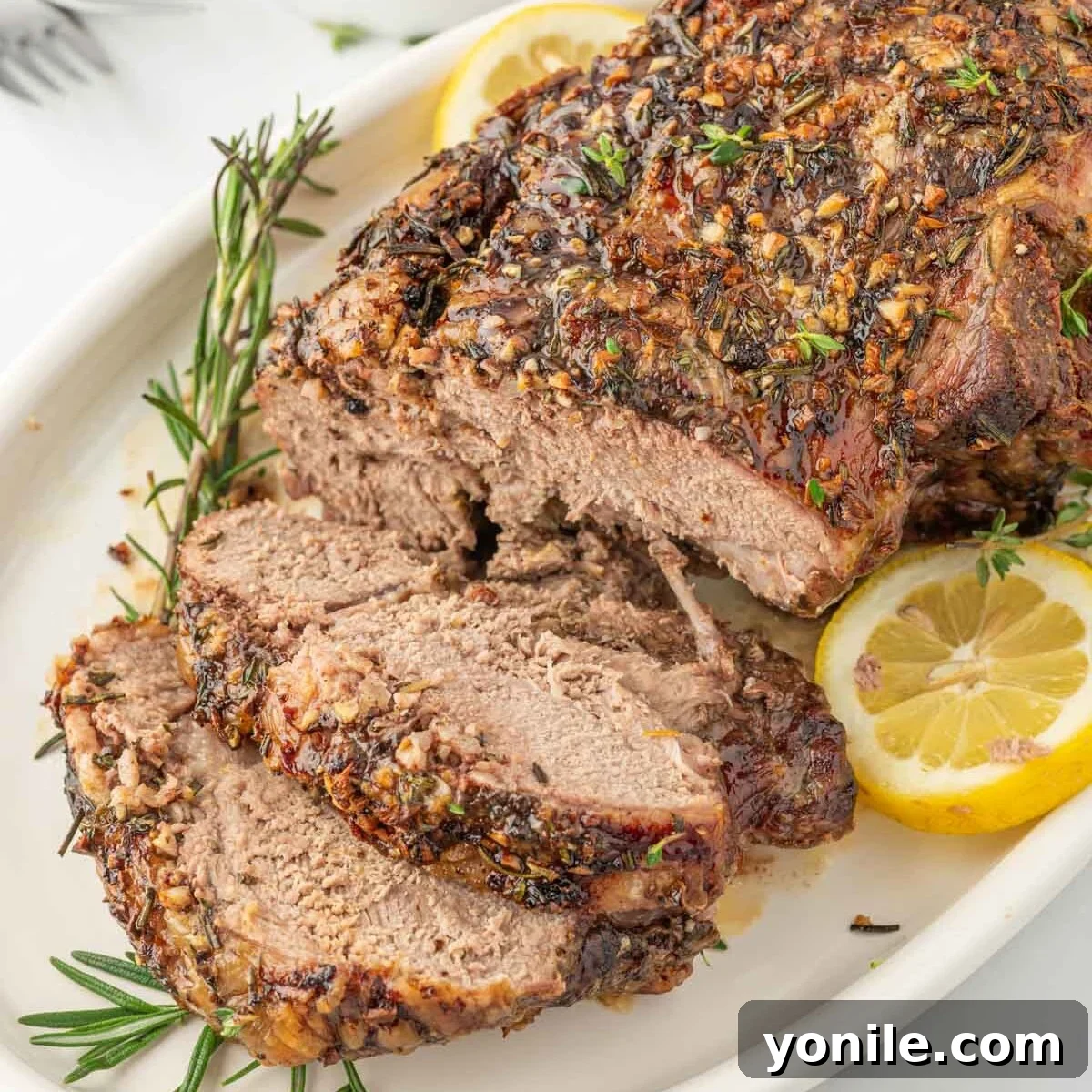
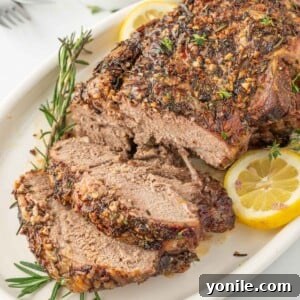
Prepare to elevate your culinary repertoire with this exquisite **Boneless Leg of Lamb** recipe, a dish deeply inspired by the sun-drenched landscapes and aromatic kitchens of the Mediterranean. Each tender slice is a testament to the harmonious blend of robust garlic, fragrant fresh rosemary, and a vibrant hint of lemon, ensuring a perfectly juicy and incredibly flavorful experience that quite literally melts in your mouth. This recipe isn’t just about cooking; it’s about creating a memorable meal that resonates with depth and freshness.
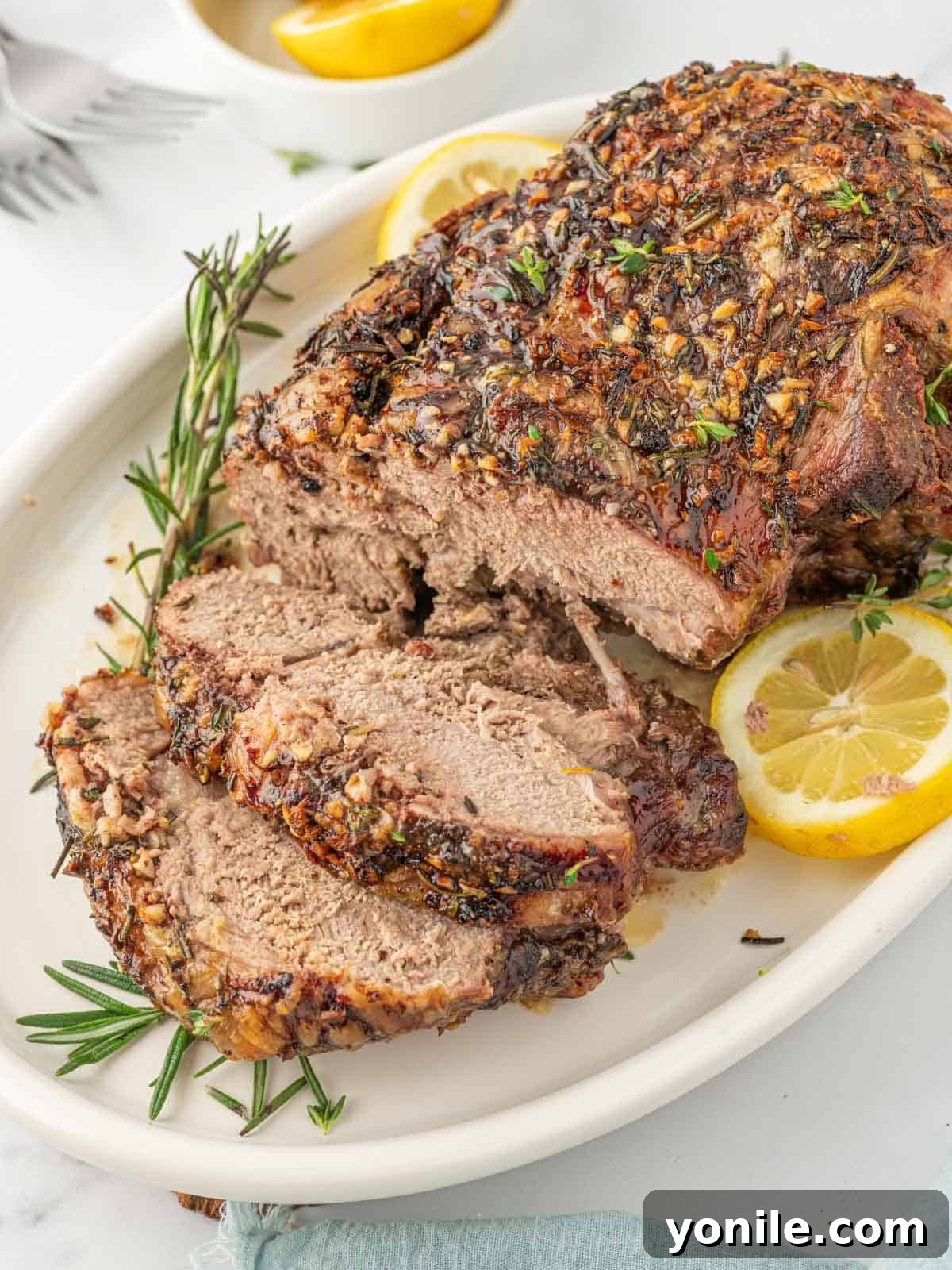
While this recipe undeniably shines as a magnificent center-piece during festive gatherings and holiday seasons such as Easter or Christmas, its elegant simplicity and the convenience of preparing the seasoning in advance make it a versatile choice for any time of the year. Opting for a boneless lamb leg is a smart move for several reasons. Primarily, it significantly cuts down on the overall cooking time, transforming what might seem like an intimidating roast into an accessible home-cooked meal. Moreover, a boneless leg offers the flexibility to butterfly the meat, allowing you to meticulously remove any unwanted fat pockets for a leaner result and to generously stuff the interior with even more aromatic herbs and spices. This technique ensures that every fiber of the lamb is thoroughly infused with flavor, promising a consistently delightful experience with each bite.
For those who cherish the rich flavors of lamb and are eager to explore more Mediterranean-inspired dishes, I highly recommend trying my Mediterranean Lamb Chops Recipe. It’s another incredibly easy-to-prepare and utterly delicious option that consistently receives rave reviews.
Essential Ingredients & Thoughtful Substitutions for Your Perfect Lamb Roast
The foundation of any exceptional dish lies in the quality of its ingredients. For this Mediterranean-inspired lamb roast, using fresh, vibrant components is not just a recommendation but a cornerstone to achieving the authentic, layered flavors that make this recipe truly special. Here’s a comprehensive look at what you’ll need and how to navigate substitutions without compromising on taste.
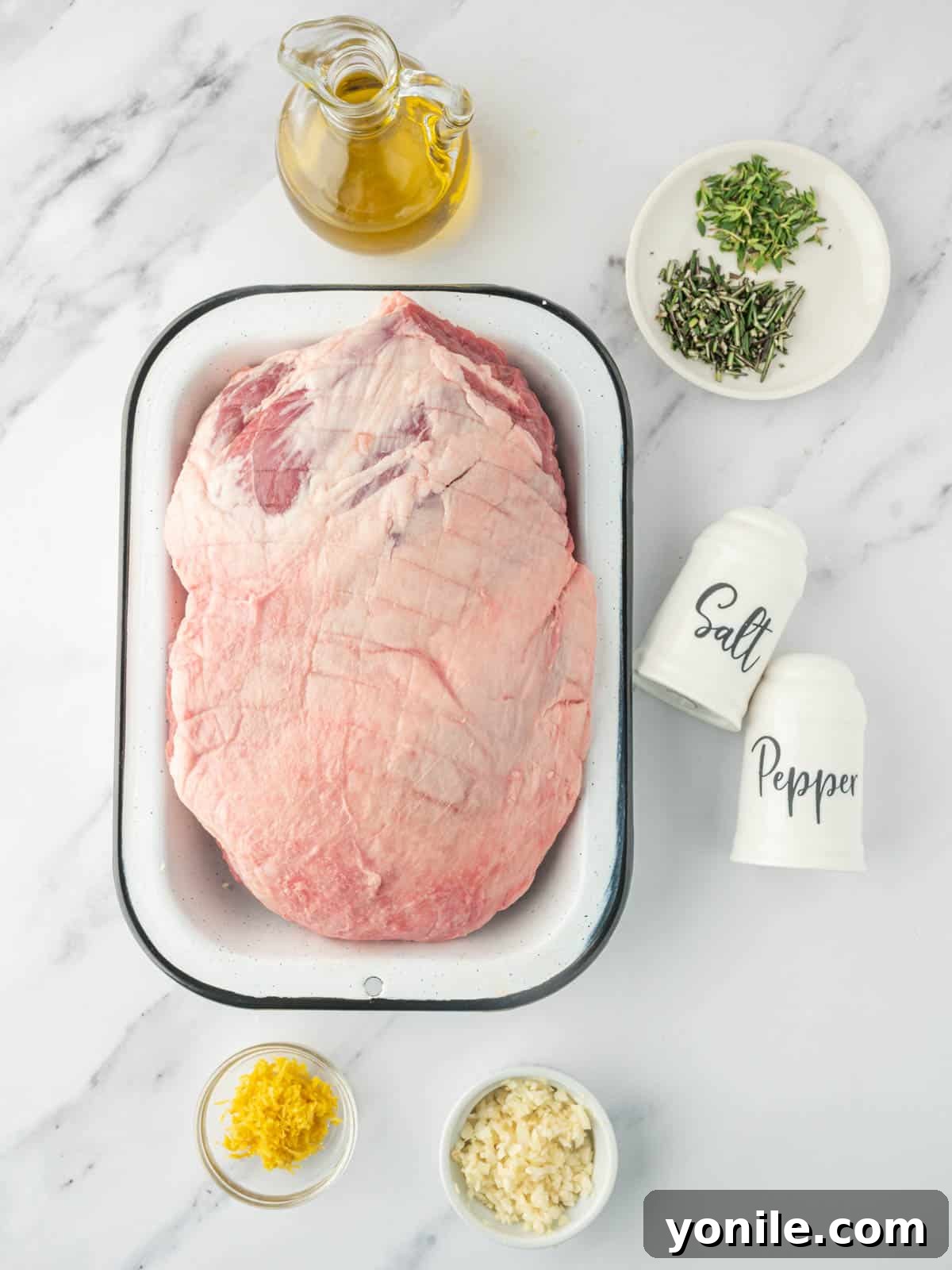
| Ingredient | Why It’s Indispensable | Recommended Substitution Strategy |
|---|---|---|
| Boneless Lamb Leg (approx. 5-7 lbs) | Chosen for its remarkable tenderness and the convenience of a faster, more even cooking process. Its absence of bone simplifies carving and allows for internal stuffing. | A bone-in leg of lamb can certainly be used for added flavor, but be prepared to increase the roasting time by approximately 10-15 minutes per pound. Always use a meat thermometer for accurate doneness. |
| Fresh Garlic (3 tablespoons, finely chopped) | Provides the deep, pungent, and irresistibly aromatic base that is characteristic of Mediterranean cuisine. Fresh garlic offers a complexity and sharpness unmatched by its powdered counterpart. | In a pinch, you can substitute with garlic powder, using about 1 teaspoon for every 3 cloves (or roughly 1 tablespoon fresh garlic). Note that the flavor profile will be milder. |
| Fresh Lemon Juice (2 tablespoons) | Adds a crucial burst of bright acidity and tanginess, which wonderfully cuts through the richness of the lamb. It also contributes to the meat’s tenderness and overall fresh taste. | Bottled lemon juice is a viable alternative if fresh lemons are unavailable, but for the most vibrant and authentic taste, fresh is always superior. |
| Fresh Rosemary (2 teaspoons, chopped) | A quintessential herb for lamb, rosemary infuses the meat with its distinct piney, slightly peppery, and incredibly earthy aroma. It’s a cornerstone of the flavor profile. | If fresh rosemary is not accessible, you can use 1 teaspoon of dried rosemary for every 2 teaspoons of fresh. Remember that dried herbs are more concentrated. |
| Fresh Lemon Zest (2 teaspoons) | The zest contains concentrated essential oils of lemon, delivering an intense citrus fragrance and flavor without adding any liquid. It brightens the marinade and finishes the dish. | A small pinch of dried lemon peel could be used, but fresh zest is strongly recommended for its aromatic potency and freshness. |
| Fresh Thyme (1 tablespoon) | Offers a subtle yet fragrant contribution, providing delicate herbaceous, floral, and slightly peppery notes that beautifully complement the other aromatics. | Substitute with approximately 1 teaspoon of dried thyme for every tablespoon of fresh. |
| Olive Oil (½ cup) | Forms the luscious base of the marinade, acting as a carrier for all the flavors and helping them adhere to the lamb. A good quality extra virgin olive oil enhances the Mediterranean essence. | Other neutral oils like avocado or grapeseed oil can be used, but olive oil is key to the intended regional flavor. |
| Salt & Freshly Ground Black Pepper (1 teaspoon each, or to taste) | These fundamental seasonings are crucial for bringing out and harmonizing all the other flavors. They enhance the lamb’s natural taste and ensure a well-seasoned roast. | Always adjust to your personal preference. Freshly ground black pepper offers a superior aroma compared to pre-ground. |
| Lemon Wedges | Primarily for garnish, they add a beautiful visual appeal and can provide an optional final squeeze of fresh citrus at the table. | Fresh sprigs of rosemary or other complementary herbs can also be used for an inviting garnish. |
Mastering the Art of Roasting Boneless Leg of Lamb: A Detailed Guide
Achieving a perfectly roasted boneless leg of lamb is simpler than you might think. By following these precise steps, you’ll ensure a tender, juicy, and incredibly flavorful centerpiece that will impress any guest. Let’s delve into the process.
- Prepare Your Oven for Optimal Roasting: The first crucial step is to preheat your oven to a robust **400°F (200°C)**. This initial high temperature is essential for creating a beautiful, browned crust on the exterior of the lamb, locking in juices and developing rich flavor. For effortless cleanup after cooking, line a sturdy rimmed baking sheet with heavy-duty aluminum foil.
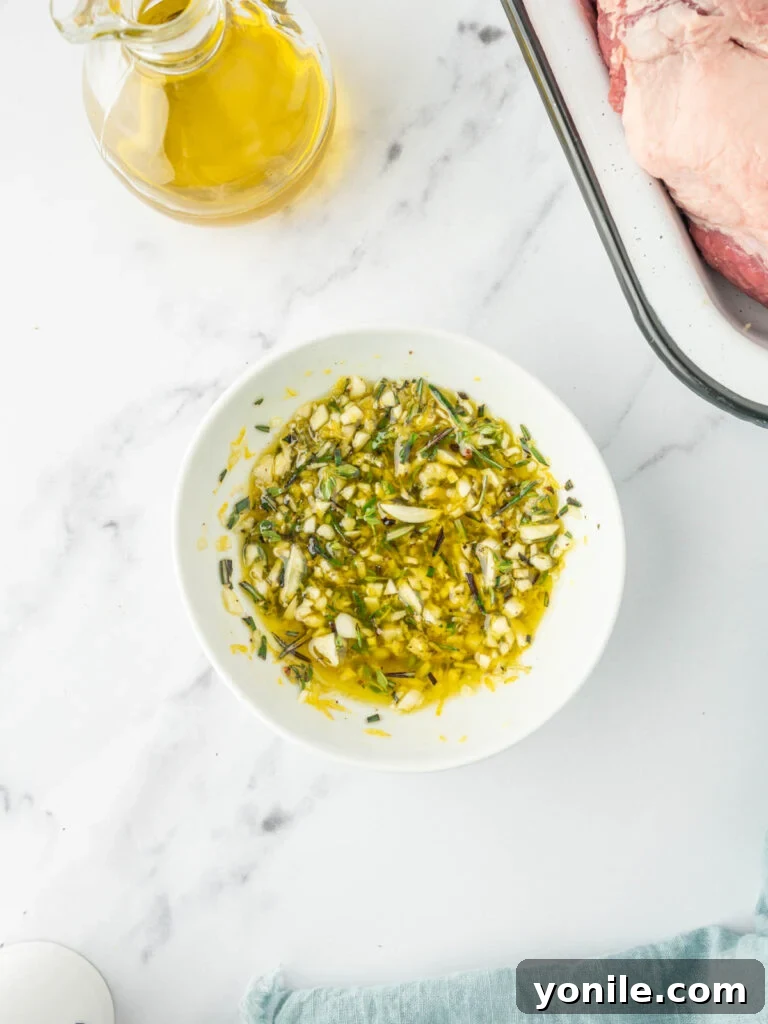
- Craft the Aromatic Marinade: In a medium mixing bowl, combine the high-quality olive oil, the finely minced fresh garlic, fresh lemon juice, carefully chopped fresh rosemary, fragrant fresh thyme, the bright fresh lemon zest, and the foundational seasonings of salt and freshly ground black pepper. Whisk all these ingredients together thoroughly until they are perfectly combined, creating a thick, fragrant, and vibrant marinade. This blend of fresh aromatics is the heart of our Mediterranean flavor.
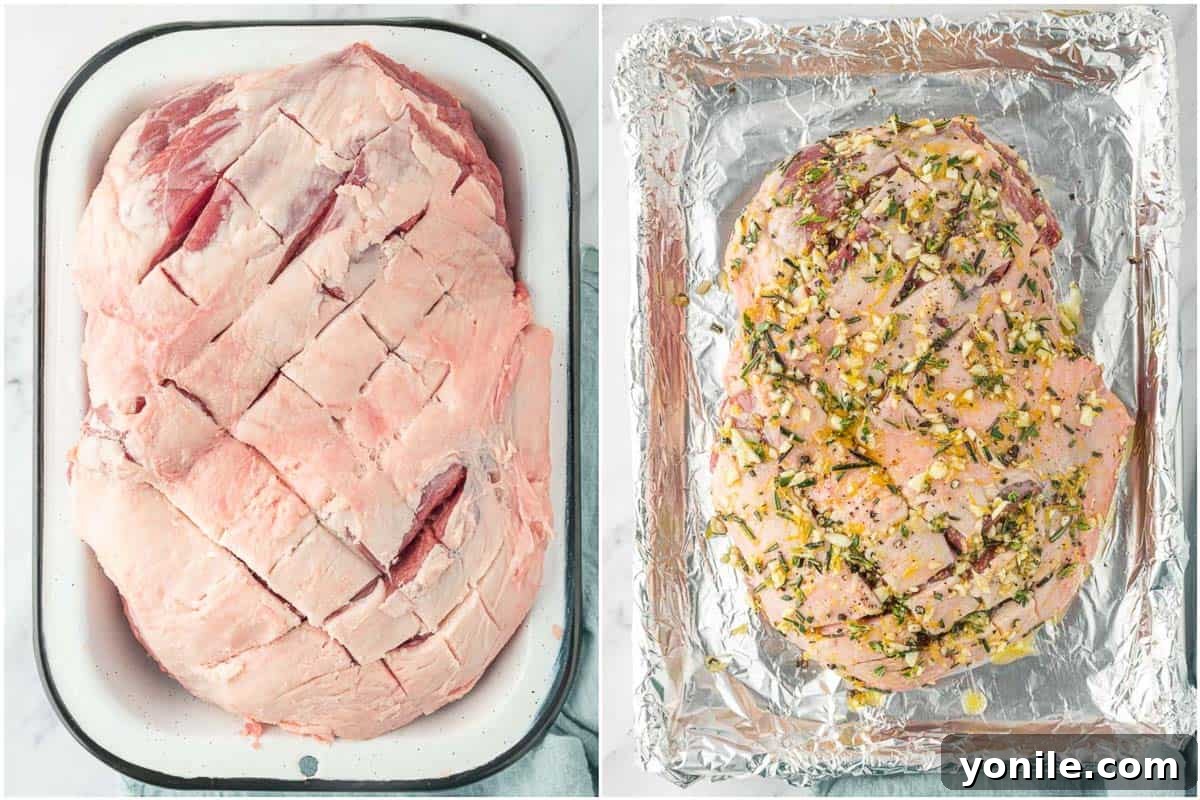
- Prepare and Score the Lamb for Maximum Flavor: Begin by thoroughly patting the entire surface of the boneless lamb leg dry with paper towels. This seemingly small step is vital, as it promotes better browning and a crispier exterior. Next, using a very sharp knife, make **small, shallow diagonal cuts** (approximately ¼ inch deep) all over the fatty side or top surface of the lamb. These strategic scores serve a dual purpose: they create more surface area for the marinade to penetrate deeply into the meat, infusing every fiber with flavor, and they allow excess fat to render out more efficiently during roasting, contributing to a more tender and less greasy result.
- Generously Marinate the Lamb: Carefully place the scored lamb onto your prepared baking sheet. Take the aromatic marinade mixture and generously rub it all over the lamb, ensuring you massage it deeply into all the cuts, crevices, and folds. The more thoroughly the lamb is coated, the more flavorful it will be. For optimal flavor penetration, allow the lamb to marinate for **at least 30 minutes** at room temperature before it goes into the oven.
👉 Make-Ahead Mastery Tip: For an even more profound depth of flavor, you can marinate the lamb for an extended period. Cover it tightly and refrigerate overnight (up to 24 hours). If marinating overnight, ensure you remove the lamb from the refrigerator and let it sit at room temperature for at least 30-60 minutes before roasting. This step is crucial for ensuring the lamb cooks evenly throughout.
- The Roasting Process – Initial High Heat for a Perfect Crust: Carefully place the marinated lamb into the preheated 400°F (200°C) oven. Roast it at this high temperature for an initial **20 minutes**. This critical high-heat phase creates a beautiful, deeply browned and slightly crispy crust on the exterior of the lamb, adding a significant layer of texture and caramelized flavor that is highly desirable.
- Finish Cooking to Your Desired Doneness: Without opening the oven door (to maintain consistent oven temperature), **reduce the heat to 350°F (175°C)**. Continue roasting the lamb for approximately **1 hour and 15 minutes to 1 hour and 30 minutes**. The most accurate and foolproof way to determine the lamb’s doneness is by using a reliable meat thermometer. Aim for an internal temperature of **140-145°F (60-63°C)** for a perfect medium-well roast, which balances tenderness and a slight pink hue.
👉 Expert Roasting Tips for Perfection:
1. Precision with a Meat Thermometer: This is unequivocally your most valuable tool. Insert the thermometer into the thickest part of the lamb, being careful to avoid any bone (if using bone-in) or large pockets of fat. It’s the only way to guarantee consistently perfect results.
2. Basting for Ultimate Moisture and Flavor: Every 30 minutes during the lower-heat roasting period, generously baste the lamb. Use the flavorful pan juices that accumulate at the bottom of the baking sheet or any remaining marinade. Basting continuously moistens the meat, adds layers of savory flavor, and helps achieve a gorgeous, even exterior color.
🌡️ Achieving Your Desired Lamb Doneness: A Comprehensive Temperature Guide
Understanding and hitting the correct internal temperatures is paramount for serving lamb exactly how you and your guests prefer it. Remember that the lamb’s internal temperature will continue to rise by a few degrees (known as carryover cooking) after it’s removed from the oven, so factor this into your target temperatures.
- Rare: 120-125°F (49-52°C) – Features a very red, cool center.
- Medium Rare: 130-135°F (54-57°C) – Presents a bright red, warm center. **← Our Chef’s Recommendation for the most tender and juicy experience.**
- Medium: 140-145°F (60-63°C) – Shows a distinct pink center.
- Medium Well: 150-155°F (66-68°C) – Reveals only a slightly pink center.
- Well Done: 160°F+ (71°C+) – Cooked through with little to no pinkness.
👉 Indispensable Pro Tip: Always, without exception, use a reliable instant-read meat thermometer for perfect results. Calibrating your thermometer regularly ensures its accuracy.
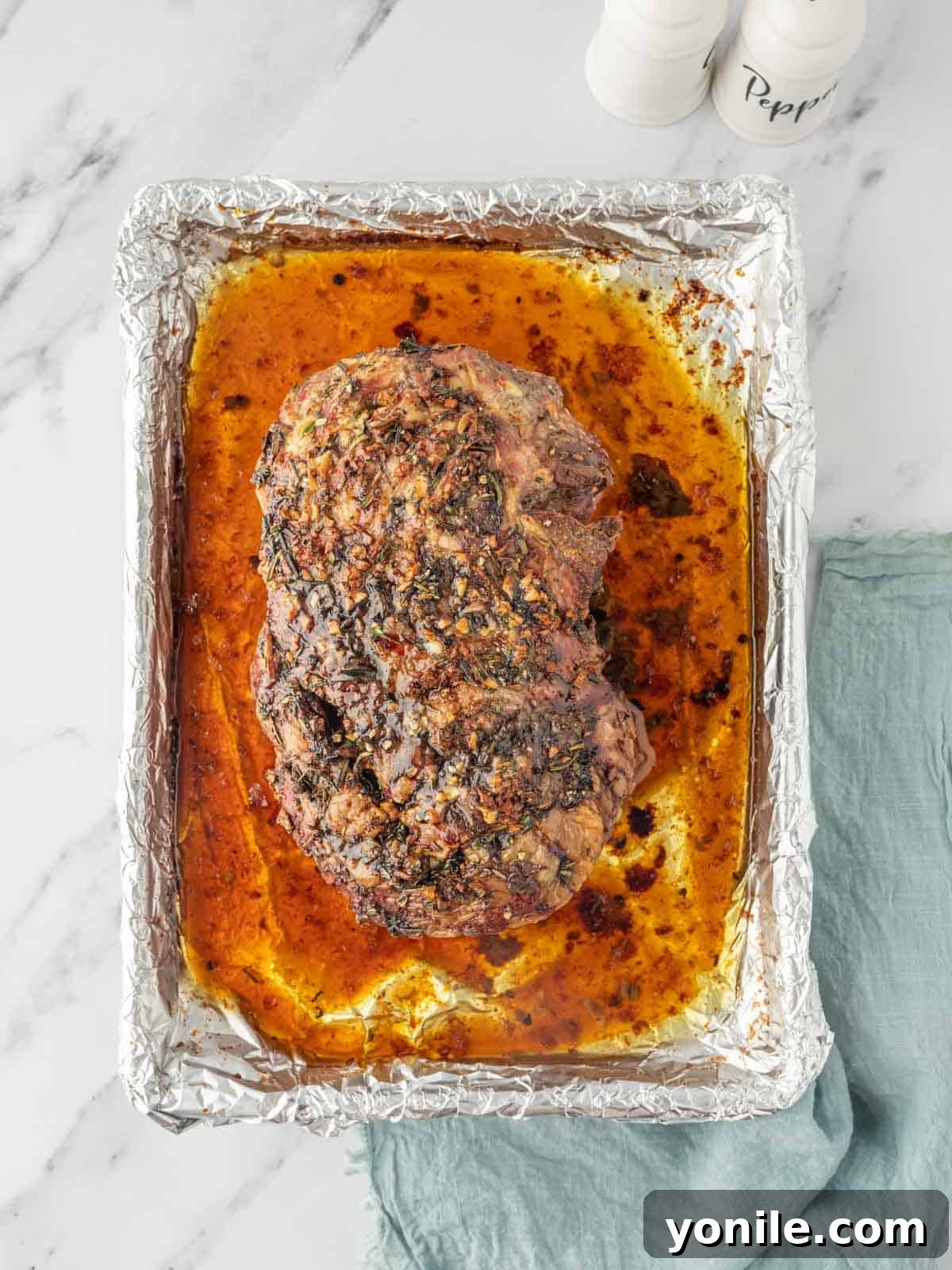
- The Crucial Resting Period is Mandatory: Once your lamb reaches its ideal internal temperature, promptly remove it from the oven. Transfer the succulent roast to a clean cutting board and **tent it loosely with aluminum foil**. This resting period is arguably the most critical step for ensuring a truly juicy and tender result. Allow the lamb to rest undisturbed for **15-20 minutes**. During this vital time, the muscle fibers, which have tightened during cooking, relax, and the precious internal juices, which were concentrated in the center, redistribute evenly throughout the entire piece of meat. This prevents them from spilling out when you slice, ensuring every bite is moist.
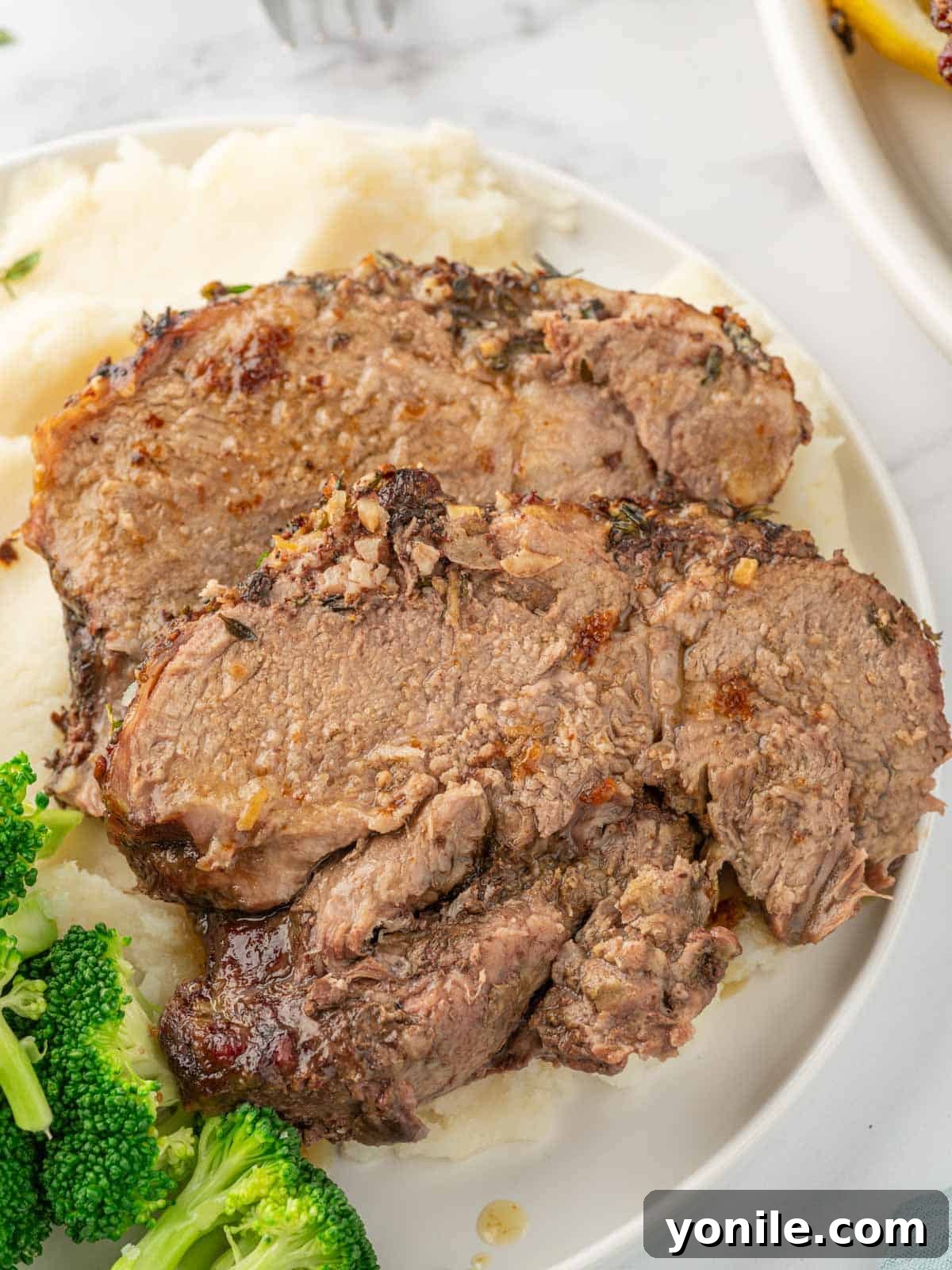
⚠️ Important Note on Carryover Cooking: Be mindful that the internal temperature of the lamb will continue to rise by approximately 5-10 degrees Fahrenheit during this resting period. This phenomenon, known as carryover cooking, should be factored into your target temperature when you initially remove the lamb from the oven. - Masterful Slicing and Immediate Serving: After the resting period is complete, it’s time to carve your magnificent roast. Always slice the lamb **against the grain**. To do this, observe the direction in which the muscle fibers run and cut perpendicularly to them. This technique shortens the muscle fibers, resulting in incredibly tender, easy-to-chew slices. Serve your expertly roasted lamb immediately, making sure to spoon over any delicious accumulated pan juices from the baking sheet or cutting board – they are pure liquid gold and add immense flavor!
Storing and Reheating Your Leftover Lamb: Ensuring Continued Deliciousness
Properly storing and reheating your leftover lamb roast is essential to preserve its tenderness and flavor. Lamb can dry out if not handled correctly, so follow these guidelines to enjoy delicious remnants for days to come.
- Refrigerator Storage: Once the roasted lamb has cooled down completely to room temperature, transfer any leftovers into an airtight container. Properly stored, it will maintain its quality and flavor in the refrigerator for 3-4 days, making it ideal for future meals or quick lunches.
- Freezer Storage: For extended preservation, ensure the cooked lamb is completely cool. Wrap individual portions tightly in heavy-duty aluminum foil, then place these wrapped portions into a freezer-safe bag or an airtight container. Lamb can be stored in the freezer for up to 3 months. When ready to use, thaw frozen lamb overnight in the refrigerator before proceeding with reheating.
- Reheating in the Oven (Highly Recommended for Best Quality): To gently warm the lamb while retaining its moisture, preheat your oven to a moderate 325°F (160°C). Place the lamb slices or a larger piece in an oven-safe dish with a small splash of beef broth or water. Cover the dish tightly with aluminum foil. Heat for approximately 15-20 minutes, or until the lamb is thoroughly warmed through. The added liquid and foil create a steamy environment, preventing the lamb from drying out.
- Reheating in an Air Fryer (Convenient for Smaller Portions): For a quick and efficient reheat of smaller, individual slices, preheat your air fryer to 320°F (160°C). Arrange the lamb in a single layer in the air fryer basket and cook for 3-5 minutes, flipping halfway through, until warmed. Be cautious not to overcook, as this can lead to dryness.
Perfect Pairings: Delectable Side Dishes to Complement Your Lamb Leg
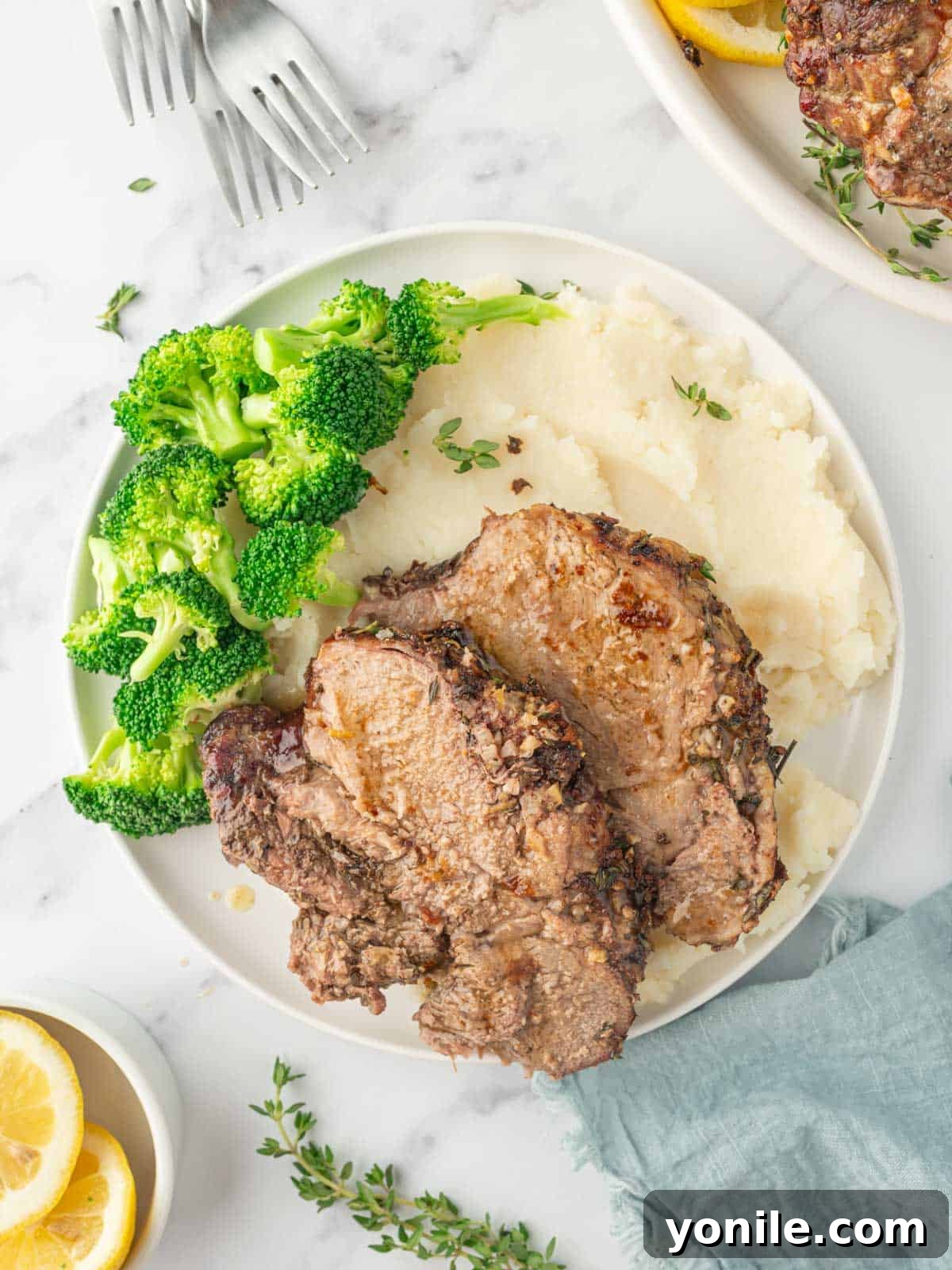
A magnificent roasted lamb leg deserves an equally impressive spread of accompanying dishes. Whether your preference leans towards rich, comforting classics or fresh, vibrant alternatives, these carefully selected pairings will elevate your meal into a truly unforgettable culinary event. Many of these side dishes also echo the delightful flavors of the Mediterranean, ensuring a cohesive and harmonious dining experience.
| Classic & Comforting Sides | Fresh & Lighter Options |
|---|---|
| 🥔 Creamy Cheesy Mashed Potatoes: An utterly indulgent and always popular side dish that perfectly soaks up the savory lamb juices. | 🥗 Easy Greek White Bean Salad: A bright, zesty, and incredibly refreshing salad that offers a delightful textural and flavor contrast to the rich lamb. |
| 🫘 Hearty Cheesy Green Bean Casserole: A beloved, comforting classic enhanced with a cheesy twist, providing creamy texture and savory depth. | 🌱 Crisp Garlic Parmesan Green Beans: Simple yet bursting with flavor, these green beans offer a lovely bite and a satisfying garlic-infused profile. |
| 🥕 Sweet Brown Sugar Glazed Carrots: Adds a touch of appealing sweetness and vibrant color to the plate, beautifully balancing the savory notes of the lamb. | 🥔 Crispy Roasted Baby Potatoes: A fantastic alternative to mashed potatoes, these offer a delightful crispy exterior and a fluffy, tender interior. |
| 🍄 Savory Roasted Garlic Butter Mushrooms: Earthy and rich with umami, these mushrooms provide a wonderful textural and deep flavor complement to the lamb. | 🥗 Colorful Easy Mixed Vegetables Recipe: A healthy, versatile, and quick option to introduce freshness and essential nutrients to your meal. |
Frequently Asked Questions About Roasting Lamb
Yes, absolutely! A bone-in leg of lamb works beautifully and often imparts an even deeper, richer flavor to the roast due to the marrow. The primary difference you’ll need to account for is the cooking time. **Plan to add an additional 10-15 minutes of roasting time per pound** compared to the instructions provided for a boneless leg. As always, using a reliable meat thermometer is crucial to ensure it reaches your desired internal temperature, as the bone can influence cooking speed and temperature distribution.
Resting the meat after roasting is a critical, non-negotiable step for achieving truly tender and juicy lamb. When meat cooks, its muscle fibers contract, pushing the valuable internal juices towards the center. If you were to slice the lamb immediately after removing it from the oven, these precious juices would simply spill out onto your cutting board, leaving you with dry, less flavorful meat. Resting allows these contracted muscle fibers to relax and reabsorb those juices, ensuring that every single slice remains moist, tender, and bursting with flavor. Think of it as allowing the meat to “settle” and redistribute its deliciousness.
The golden rule for carving any roasted meat, including lamb, is to **always slice against the grain**. Look closely at the cooked lamb; you’ll typically observe visible lines or fibers running in a particular direction across the meat. Your objective is to cut perpendicular to these lines. Slicing against the grain effectively shortens these muscle fibers, which results in much more tender and significantly easier-to-chew slices. For the cleanest, most even cuts, always use a long, sharp carving knife, and don’t forget to drizzle any accumulated pan juices over the slices!
Absolutely! Preparing the marinade in advance is a fantastic time-saving strategy that can actually enhance the flavor of your lamb. You can whisk together all the marinade ingredients and store it in an airtight container in the refrigerator for up to 2-3 days. This allows the various flavors to meld and deepen even further. Just remember to give it a good whisk or shake before you apply it generously to the lamb, then follow the usual marinating instructions.
For a flavorful, herb-infused lamb roast like this, a medium-bodied to full-bodied red wine is typically an excellent and classic pairing. Good choices include a robust Cabernet Sauvignon, a smooth Merlot, or a spicy Syrah/Shiraz for those who prefer bolder flavors. If you’re keen on leaning into the Mediterranean theme even further, a Greek Agiorgitiko (known for its fruit and spice notes) or a Spanish Tempranillo would also pair beautifully, complementing the herbaceous and garlicky nuances of the lamb without overpowering it.
We genuinely hope you find immense joy in preparing and savoring this incredible Mediterranean-inspired Boneless Leg of Lamb. Should you decide to try this recipe, or any of our other culinary creations, please consider **leaving a star rating and a comment** in the section below to share your experience and feedback. Your insights are incredibly valuable to us and help inspire more delicious recipes! Additionally, connect with us at Cookin’ With Mima on **Facebook | Instagram | Pinterest** for all our latest recipe updates, cooking tips, and ongoing culinary inspiration.
Print Recipe
Boneless Leg of Lamb with Garlic and Herbs
Mariam Ezzeddine
40
1
45
15-20
2
40-50
6 servings
Ingredients
- 5-7 lb boneless lamb leg
- ½ cup olive oil
- 3 tablespoons fresh garlic, finely chopped
- 2 tablespoons fresh lemon juice
- 2 teaspoons fresh rosemary, chopped
- 2 teaspoons fresh lemon zest
- 1 tablespoon fresh thyme
- 1 teaspoon salt
- 1 teaspoon ground black pepper
- Lemon wedges for garnish
Instructions
-
1. Preheat Oven: Preheat your oven to 400°F (200°C). Line a rimmed baking sheet with aluminum foil for easy cleanup.
-
2. Prepare the Marinade: In a small bowl, combine the olive oil, minced garlic, lemon juice, chopped rosemary, thyme, lemon zest, salt, and pepper. Whisk until well combined.
-
3. Score the Lamb: Pat the boneless lamb leg completely dry with paper towels. Using a sharp knife, make small, shallow diagonal cuts (about ¼ inch deep) all over the surface. This aids marinade penetration and fat rendering.
-
4. Marinate: Place the lamb on the prepared baking sheet. Rub the marinade mixture all over the lamb, massaging it into the cuts and folds. For best flavor, marinate for **at least 30 minutes** at room temperature, or covered overnight in the refrigerator. If refrigerated, let it sit at room temperature for 30-60 minutes before roasting.
-
5. Initial High-Heat Roast: Place the lamb in the preheated oven and roast at 400°F (200°C) for 20 minutes. This initial high heat creates a delicious browned crust.
-
6. Finish Cooking: Without opening the oven, **reduce the heat to 350°F (175°C)**. Continue roasting for about 1 hour and 15-30 minutes, or until the internal temperature reaches 140-145°F (60-63°C) for medium-well doneness. Baste the lamb with pan juices every 30 minutes for added moisture and flavor.
-
7. Mandatory Rest: Once cooked, remove the lamb from the oven. Transfer it to a clean cutting board and **tent loosely with foil**. Let it rest for **15-20 minutes**. This crucial step allows juices to redistribute, ensuring tender, juicy meat. Remember, internal temperature will rise 5-10°F during rest.
-
8. Slice and Serve: Slice the lamb against the grain using a sharp knife and serve immediately, spooning over any delicious accumulated juices from the board.
Recipe Notes for Success
- Make-Ahead Marination: For a more profound flavor, cover and marinate the lamb in the refrigerator overnight. Always bring it to room temperature (30-60 minutes) before roasting for even cooking.
- Achieve Room Temperature: Before roasting, let your lamb sit at room temperature for at least 30-60 minutes. This promotes more even cooking throughout the roast.
- Preheat Thoroughly: Ensure your oven is fully preheated to the correct temperature before placing the lamb inside. This is vital for developing a good crust and initiating the cooking process correctly.
- The Power of a Meat Thermometer: Invest in and use a reliable meat thermometer. It’s the single most accurate tool to guarantee your lamb is cooked to your preferred doneness without guessing or overcooking.
- Don’t Forget to Baste: Basting the lamb every 30 minutes during roasting helps keep the exterior moist, contributes to a beautiful color, and continuously infuses flavor.
- Resting is Key: After removing from the oven, tent the lamb loosely with foil and let it rest for a minimum of 15-20 minutes. This allows the juices to redistribute, ensuring every slice is incredibly tender and moist.
- Carving Against the Grain: When carving, always cut against the muscle fibers (the grain) to ensure the most tender bites.
Nutrition Information (Approximate per Serving)
Carbohydrates: 2g |
Protein: 49g |
Fat: 29g |
Saturated Fat: 6g |
Polyunsaturated Fat: 3g |
Monounsaturated Fat: 17g |
Cholesterol: 152mg |
Sodium: 537mg |
Potassium: 722mg |
Fiber: 0.4g |
Sugar: 0.2g |
Vitamin A: 59IU |
Vitamin C: 6mg |
Calcium: 29mg |
Iron: 5mg
* Nutritional information is an estimate based on ingredients and cooking methods, and may vary.
Enjoyed this recipe? Please rate and comment below!
Your feedback helps us grow and inspires more delicious recipes.