
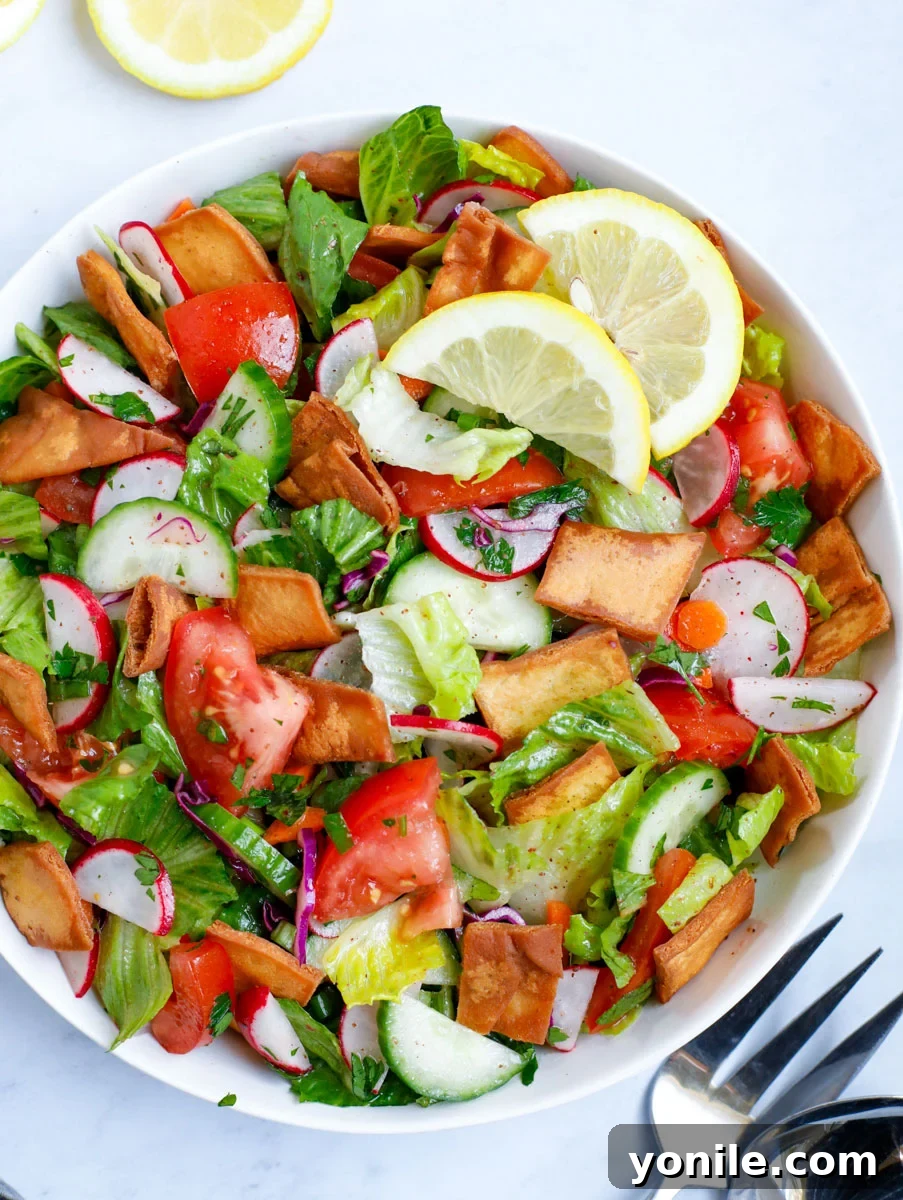
Welcome to the vibrant world of Lebanese Fattoush Salad, a truly refreshing and incredibly flavorful dish that beautifully captures the essence of Mediterranean cuisine. This iconic salad is celebrated for its harmonious blend of crisp, garden-fresh vegetables and aromatic herbs, all brought together by a zesty, tangy dressing. What truly sets Fattoush apart is the delightful addition of toasted or fried pita bread pieces, which introduce a satisfying crunch and unique texture, elevating the entire experience from a simple salad to a culinary masterpiece. Quick, easy, and endlessly adaptable, this Fattoush Salad recipe is perfect as a light appetizer, a vibrant side dish, or even a wholesome meal on its own.
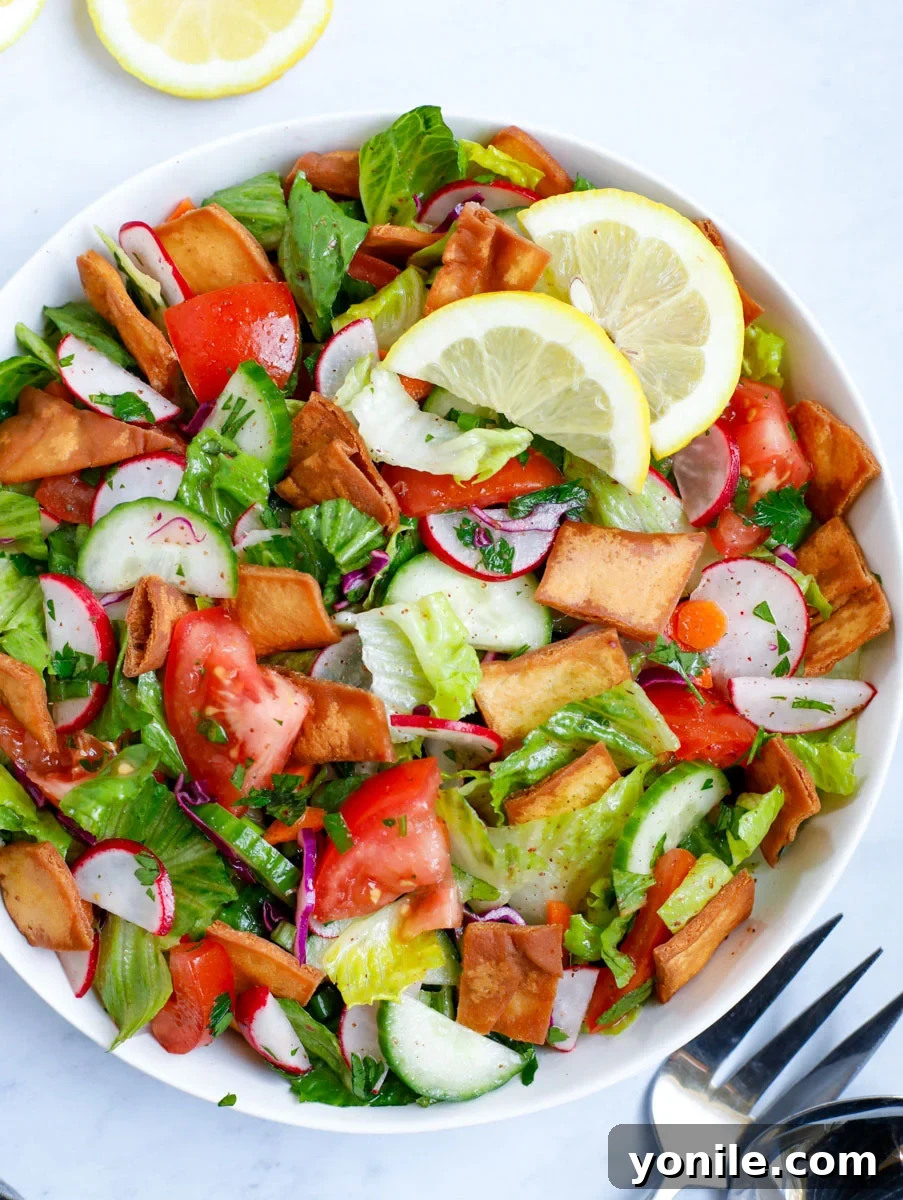
What is Fattoush Salad? A Taste of Lebanese Heritage
Fattoush is far more than just a salad; it’s a staple of Lebanese cuisine and a beloved culinary tradition throughout the Middle East. At its heart, Fattoush is a traditional Mediterranean salad distinguished by its use of well-seasoned, crispy fried or toasted pita bread, an abundance of fresh, seasonal vegetables, and a distinctive tangy dressing. It is often served as a refreshing side dish alongside grilled meats or enjoyed solo as a light, healthy lunch option. The name “Fattoush” itself is derived from the Arabic word “fattah,” meaning “crumbs” or “to break,” a clear nod to the characteristic torn or cut pita bread that is integral to the dish.
The history of Fattoush is rooted in the region’s resourceful culinary traditions. Historically, it was a peasant dish created to utilize stale pita bread, transforming what might have been discarded into a delicious and hearty component of a fresh salad. Over time, it evolved into the sophisticated and universally loved dish we know today, maintaining its core principle of combining simple, fresh ingredients for maximum flavor and texture. Its popularity stems from its incredible freshness, vibrant colors, and the perfect balance of savory, sour, and slightly sweet notes from its unique dressing. It truly embodies the spirit of Levantine hospitality and healthy eating.
Why You’ll Fall in Love with This Fattoush Recipe
This Fattoush Salad recipe isn’t just a meal; it’s an experience waiting to happen. Here’s why it’s destined to become a regular in your culinary repertoire:
- A Burst of Freshness & Flavor: Every bite is a symphony of textures and tastes. Imagine the crispness of fresh lettuce, the cool crunch of cucumber, the juicy burst of tomatoes, and the aromatic lift of fresh herbs, all coated in a vibrant, zesty dressing that awakens your palate. It’s a true celebration of garden-fresh produce.
- Incredibly Versatile & Customizable: Fattoush is wonderfully forgiving and adaptable. Whether you want to add different seasonal vegetables, incorporate a protein like grilled chicken or chickpeas for a complete meal, or adjust the tanginess of the dressing, this recipe can be easily tailored to suit your personal tastes and dietary needs.
- Effortlessly Quick to Prepare: In today’s fast-paced world, a delicious meal that comes together quickly is a treasure. This Fattoush salad requires minimal cooking (just a quick toast or fry for the pita) and simple chopping, making it an ideal choice for busy weeknights, impromptu gatherings, or a refreshing lunch.
- Perfect for Any Occasion: From a casual family dinner to an elegant potluck or barbecue, Fattoush always shines. It pairs beautifully with a wide array of main courses, especially grilled meats, falafel, or hummus, making it an excellent appetizer or a refreshing side dish that complements almost any cuisine.
- Wholesome and Healthy: Packed with an abundance of fiber-rich vegetables, healthy fats from olive oil, and no heavy creams or excessive sugars, Fattoush is a guilt-free indulgence. It’s a fantastic way to increase your daily vegetable intake, supporting a balanced and nutritious diet.
Essential Fattoush Salad Ingredients
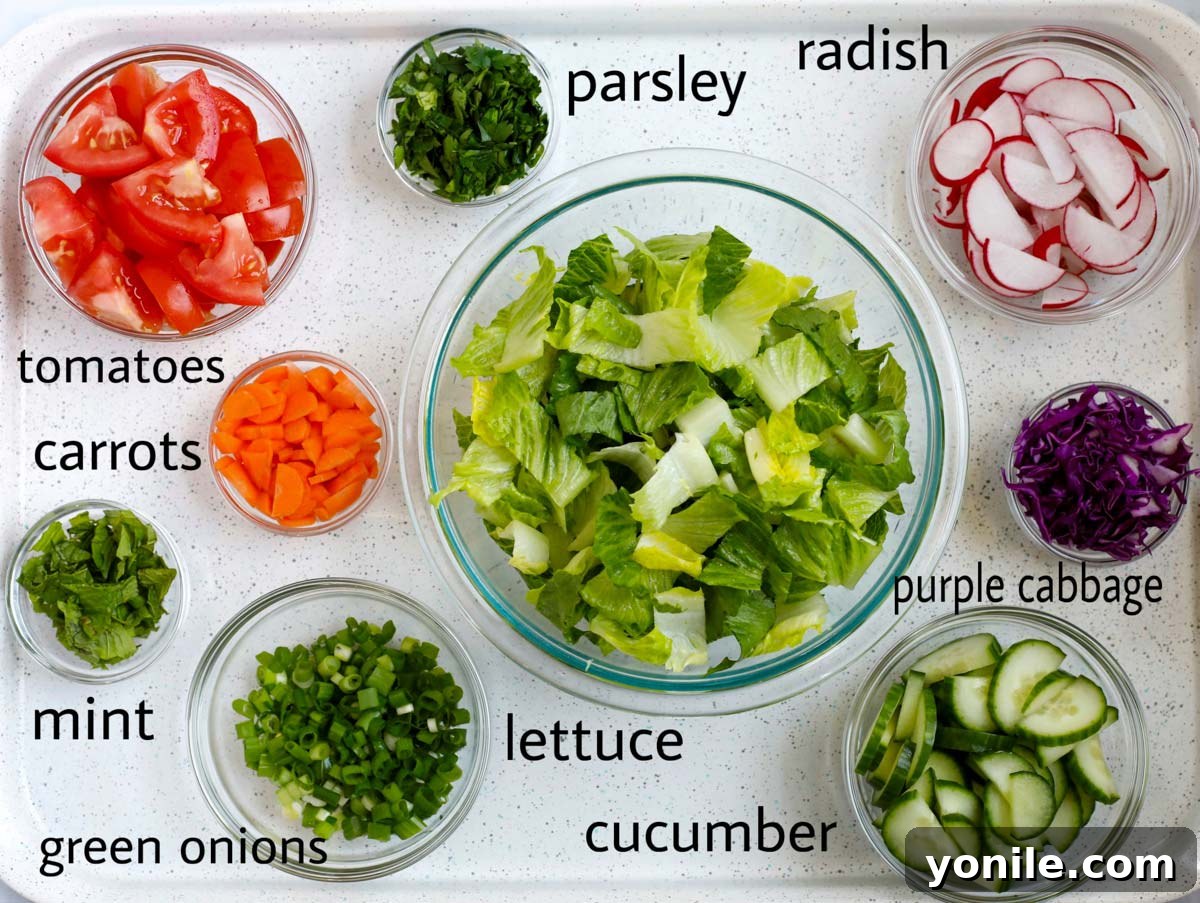
Creating an authentic and delicious Fattoush salad relies on a careful selection of fresh ingredients. Each component plays a vital role in building the layered flavors and textures that make this salad so irresistible.
The Vibrant Salad Base:
- Romaine Lettuce: The backbone of many great salads, romaine provides a robust, crisp, and refreshing foundation. Its sturdy leaves hold up well to the dressing without wilting too quickly.
- Cucumber: Adding a delightful coolness and a satisfying crunch, cucumbers are essential for balancing the salad’s vibrant flavors. English or Persian cucumbers are preferred for their fewer seeds and thinner skin.
- Carrots: These add a beautiful pop of color and a subtly sweet, crisp texture. You can julienne them for delicate strands or grate them for a finer texture that blends seamlessly into the salad.
- Tomatoes: Juicy and naturally sweet, ripe tomatoes bring a burst of freshness and acidity. Vine-ripened tomatoes or sweet cherry/grape tomatoes (halved or quartered) are excellent choices for their intense flavor.
- Red Cabbage: Beyond its striking purple hue, red cabbage offers a fantastic crispness and a slightly peppery, sharp bite, adding depth and a delightful textural contrast.
- Green Onions (Scallions): These provide a milder, more delicate onion flavor compared to traditional onions, adding a fresh, herbaceous note without overpowering the other ingredients.
- Radishes: Known for their crisp texture and distinctive peppery zing, radishes contribute a vibrant color and a pleasant bite that brightens the entire salad.
- Fresh Mint and Parsley: These aromatic herbs are non-negotiable for authentic Fattoush. Fresh mint offers a cool, invigorating flavor, while parsley adds a fresh, slightly earthy undertone, infusing the salad with characteristic Mediterranean aromas.
- Pita Bread: The star of the show! When toasted or fried until golden and crisp, pita bread transforms into irresistible chips that provide the essential crunch and a hearty element.
The Zesty Fattoush Salad Dressing:
The dressing is where the magic truly happens, bringing all the fresh ingredients together with its signature tangy and savory notes.
- Sumac: This is the secret ingredient for authentic Fattoush! Sumac is a deep red, tangy spice derived from dried and ground sumac berries. It imparts a unique lemony, slightly astringent flavor that is distinct from lemon juice and crucial for the salad’s classic taste.
- Extra Virgin Olive Oil: High-quality extra virgin olive oil is key for richness, body, and a fruity undertone. It’s the healthy fat base that emulsifies the dressing and coats the vegetables beautifully.
- Fresh Lemon Juice: Providing essential brightness and acidity, fresh lemon juice cuts through the richness of the olive oil and enhances the flavors of all the vegetables. Always use freshly squeezed for the best results.
- Salt: To taste. Essential for seasoning and bringing out the natural flavors of the ingredients.
- Garlic (optional): A minced fresh garlic clove can add a wonderful savory depth and a pungent kick to the dressing, though some prefer Fattoush without it to keep the flavors lighter.
- Pomegranate Molasses (optional but highly recommended): This thick, tangy, and slightly sweet syrup made from reduced pomegranate juice adds a complex fruity sweetness and a beautiful sheen to the dressing. It provides an authentic touch that elevates the entire salad.
How to Craft the Perfect Fattoush Salad
Making Lebanese Fattoush salad is a rewarding and surprisingly simple process. Follow these basic steps to create this vibrant dish in your own kitchen:
Step 1: Prepare the Crispy Pita Bread
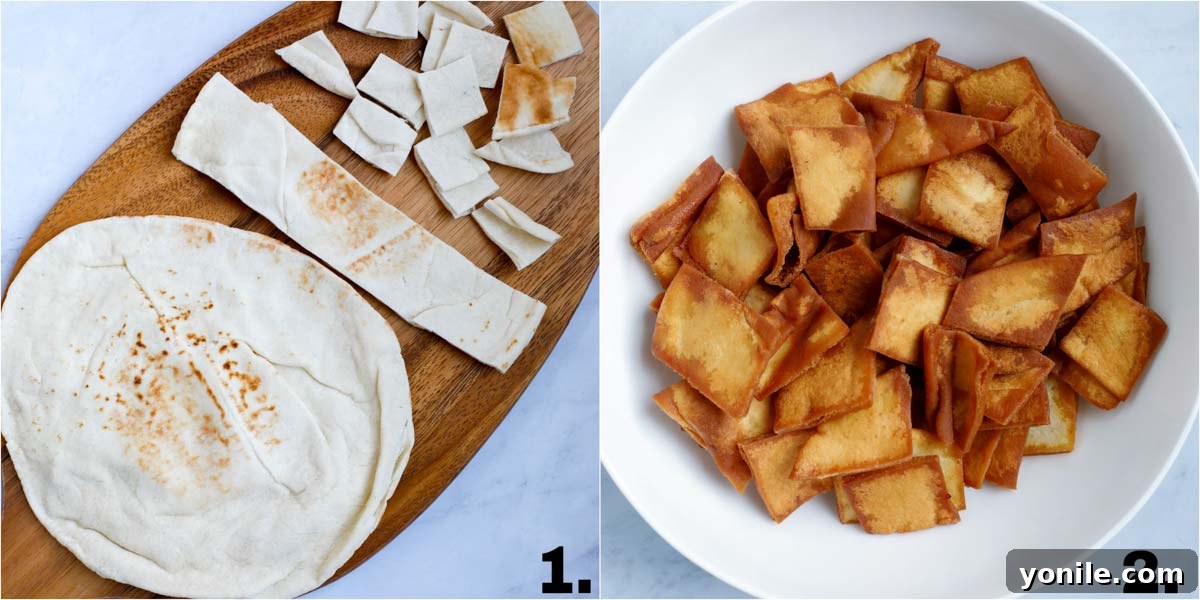
The signature crunch of Fattoush comes from its pita bread. Begin by cutting one loaf of pita bread into bite-sized squares or triangles. You have two excellent options for achieving that perfect crispiness:
- Frying Method: Heat a shallow layer of neutral cooking oil (like vegetable or canola oil) in a large skillet over medium heat. Fry the pita pieces in batches until they are golden brown and deliciously crispy. This method yields a richer flavor and a quicker result.
- Baking Method: For a lighter option, toss the pita squares with a drizzle of olive oil on a baking sheet. Spread them in a single layer and bake in a preheated oven at 375°F (190°C) for 8-12 minutes, or until golden and crisp. This option is healthier and less hands-on.
Once crispy, remove the pita pieces and place them on a paper towel-lined plate to drain any excess oil. Set them aside to cool.
Step 2: Chop the Garden-Fresh Veggies
Thoroughly wash and dry all your salad ingredients. It’s crucial that the vegetables are dry to prevent the dressing from becoming watery. Carefully chop the romaine lettuce, cucumber, radishes, tomatoes, green onions, fresh parsley, fresh mint, carrots, and red cabbage into roughly bite-sized pieces. Aim for uniform cuts for a better aesthetic and even distribution of flavors. Place all the chopped vegetables and herbs into a large mixing bowl.
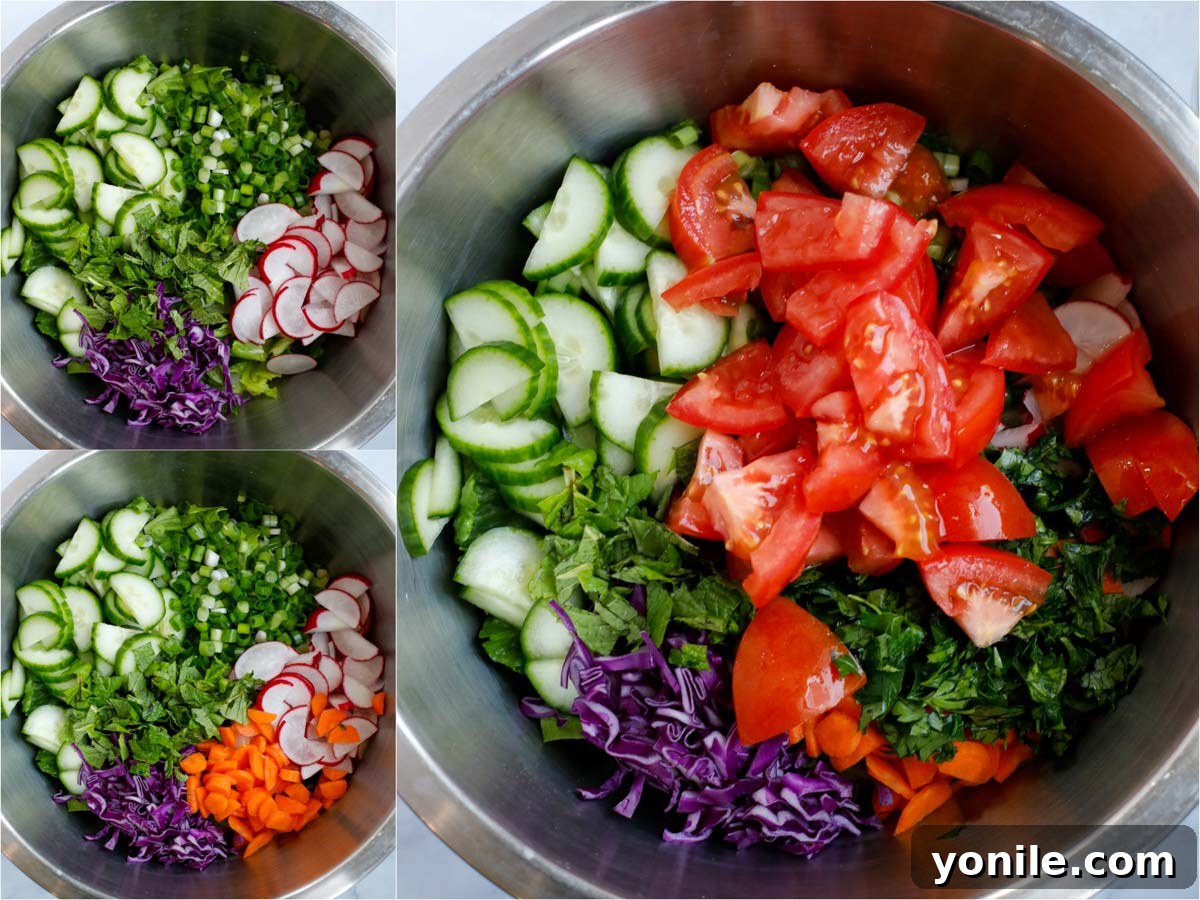
Step 3: Whisk Together the Zesty Dressing
In a separate small bowl or liquid measuring cup, combine the ingredients for the Fattoush dressing. Whisk together the extra virgin olive oil, freshly squeezed lemon juice, sumac, and salt. If using, add the minced garlic and pomegranate molasses. Whisk vigorously until all ingredients are well combined and the dressing is emulsified. Taste and adjust seasoning as needed.
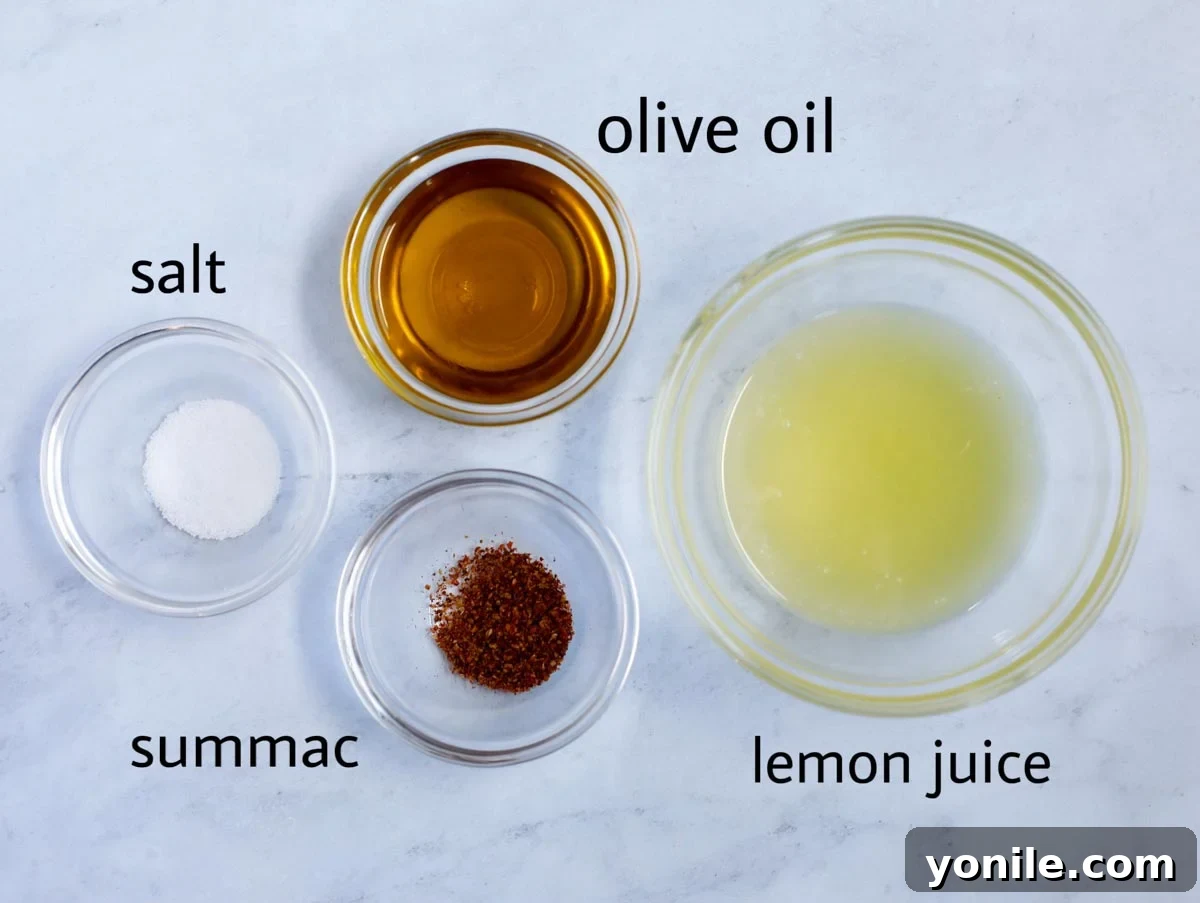
Step 4: Combine and Toss
Pour the prepared dressing evenly over the chopped vegetables in the large mixing bowl. Using salad tongs or your clean hands, gently toss the salad to ensure all the ingredients are thoroughly coated with the delicious dressing. Be gentle to avoid bruising the delicate herbs and vegetables.
Step 5: Add the Pita and Serve Immediately
Just before serving, add the toasted or fried pita bread pieces to the dressed salad. Give it another gentle toss to incorporate the pita. This final step is crucial to maintain the pita’s crispness. Taste the salad one last time and adjust the salt or lemon juice if necessary.
Step 6: Garnish and Enjoy
Transfer the Fattoush salad to a serving platter or individual bowls. For an extra touch of freshness and visual appeal, garnish with a few extra fresh mint leaves or a drizzle of pomegranate molasses, if desired. Serve immediately to enjoy the ultimate crispness and vibrant flavors!
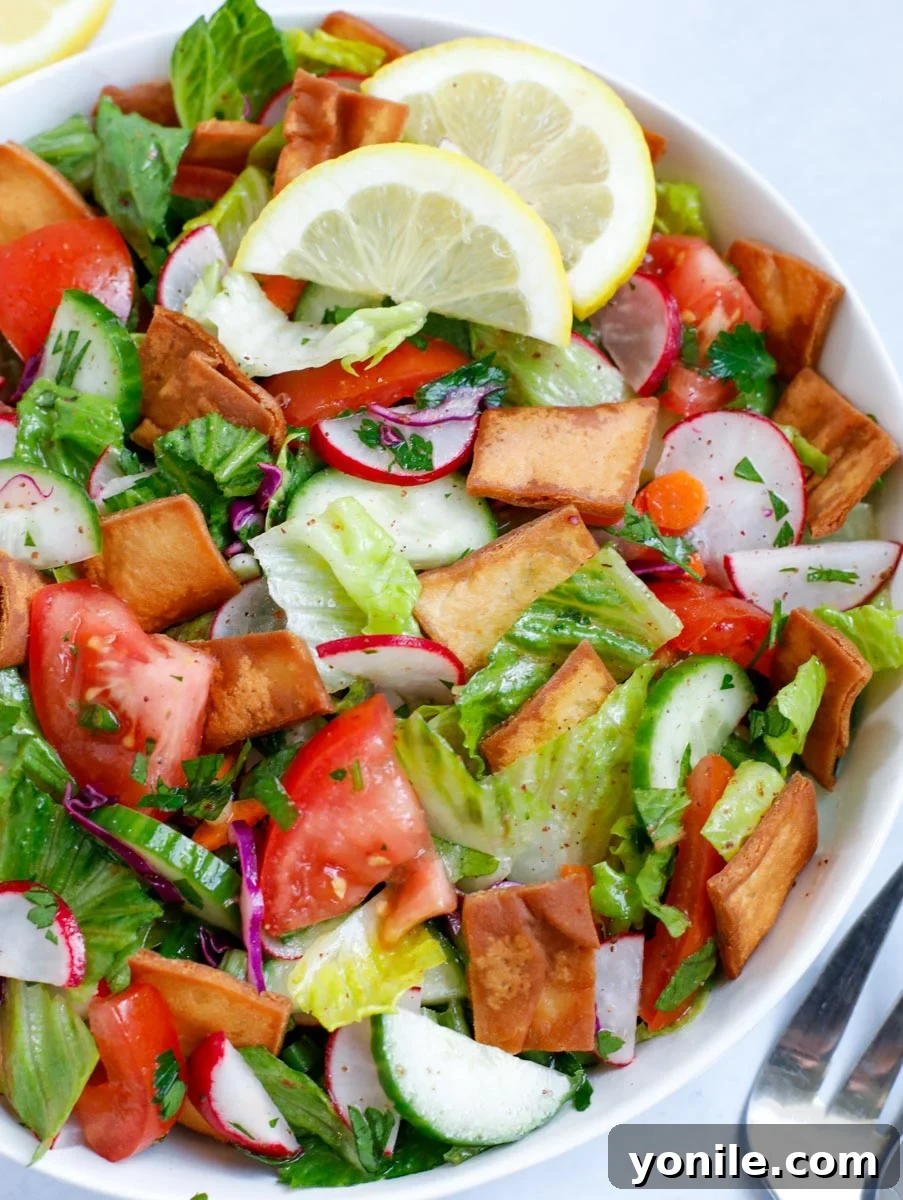
Expert Tips for the Best Fattoush Salad
- Timing is Key for Crispness: To prevent the pita bread from becoming soggy, always add it to the salad just before serving. For optimal crispiness, you can even serve the pita chips on the side and let guests add them to their individual portions.
- Chill Your Veggies: For an extra refreshing salad, ensure your vegetables are well-chilled before chopping. A cold crisp makes all the difference in a summer salad.
- Always Use Fresh Lemon Juice: Bottled lemon juice often contains preservatives and lacks the vibrant, bright flavor of freshly squeezed lemons. For the best Fattoush dressing, fresh lemon juice is non-negotiable.
- Don’t Overdress: Start with about two-thirds of the dressing, toss, and then add more if needed. You want the vegetables coated, not swimming in dressing.
- Get Creative with Add-ins: Feel free to experiment! Diced bell peppers (any color), chopped red onion (if you like a stronger onion flavor), or a sprinkle of pomegranate seeds can add extra color, flavor, and texture.
- Prepare Ahead (Partially): You can chop all your vegetables a few hours in advance and store them in an airtight container in the refrigerator. The dressing can also be made ahead and stored separately. Combine everything just before serving.
The Wholesome Goodness of Fattoush Salad
Beyond its incredible taste, Lebanese Fattoush Salad is a powerhouse of nutrition, making it a fantastic addition to a healthy diet:
- Rich in Vitamins and Minerals: Packed with a diverse array of fresh vegetables like tomatoes, cucumbers, and leafy greens, Fattoush provides a bounty of essential vitamins (like Vitamin C, Vitamin A, Vitamin K) and minerals (like potassium and folate).
- High in Fiber: The abundant vegetables contribute significant dietary fiber, which is crucial for digestive health, helps maintain stable blood sugar levels, and promotes a feeling of fullness.
- Heart-Healthy Fats: Extra virgin olive oil, a cornerstone of the Mediterranean diet, is rich in monounsaturated fats. These healthy fats are known to support heart health and can help reduce bad cholesterol levels.
- Antioxidant Boost: Ingredients like sumac, pomegranate molasses, and various fresh vegetables are loaded with antioxidants, which combat free radicals in the body and contribute to overall well-being.
- Low Calorie and Filling: Fattoush offers a high volume of nutrient-dense ingredients with relatively few calories, making it an excellent choice for weight management and a satisfying meal.
Frequently Asked Questions About Fattoush Salad
While Fattoush is best enjoyed immediately for maximum crispness, you can certainly prepare components in advance. Chop all the vegetables and store them in an airtight container in the refrigerator. You can also make the dressing a day or two ahead. Store the crispy pita bread separately. Assemble everything just before serving to ensure the vegetables remain crisp and the pita doesn’t get soggy.
Yes, absolutely! If you’re short on time or prefer convenience, good quality store-bought pita chips can be a great substitute. However, making your own pita chips allows you to control the seasoning, oil, and level of crispiness, which often yields a fresher and more authentic flavor for your Fattoush.
Sumac is a truly essential ingredient for the authentic tangy flavor of Fattoush. It’s highly recommended to seek it out if possible. If you absolutely cannot find sumac, a reasonable substitute could be a mixture of lemon zest and a tiny pinch of paprika or a very small amount of citric acid powder. This combination can mimic some of sumac’s lemony tang and slight earthiness, but the unique flavor profile will still be slightly different.
To maintain the crispness of any leftover toasted or fried pita bread, store it in an airtight container, a jar, or a zip-lock bag at room temperature. Avoid refrigerating it, as moisture can make it stale and soft quickly. It should stay crisp for a few days.
What to Serve with Lebanese Fattoush Salad
Fattoush salad is incredibly versatile and complements a wide variety of dishes, making it an ideal choice as a refreshing side or a light appetizer. Its tangy, fresh profile cuts through richness and provides a wonderful balance to many main courses. Here are some fantastic suggestions to pair with your homemade Fattoush:
- Oven Chicken Skewers: The bright flavors of Fattoush are a perfect match for savory, marinated chicken skewers.
- Harissa Chicken Tray Bake: The spicy notes of harissa chicken are beautifully mellowed and complemented by the cool, crisp salad.
- Grilled Chicken Drumsticks: A classic barbecue pairing, the freshness of Fattoush balances the smoky flavor of grilled chicken.
- Mediterranean Lamb Chops: The rich, savory taste of lamb chops finds an excellent counterpoint in the tangy Fattoush.
- Grilled Beef Kafta: The spiced ground beef skewers are a traditional pairing with Fattoush, offering a balanced and hearty meal.
- Charcoal Grilled Chicken: The robust flavor of charcoal-grilled chicken is wonderfully enhanced by the refreshing and zesty salad.
- Hummus and Baba Ghanoush: For a complete Mezze platter, serve Fattoush alongside other Mediterranean dips and fresh pita.
- Falafel: The crispy chickpea fritters are a vegetarian delight that pairs wonderfully with the fresh, zesty salad.
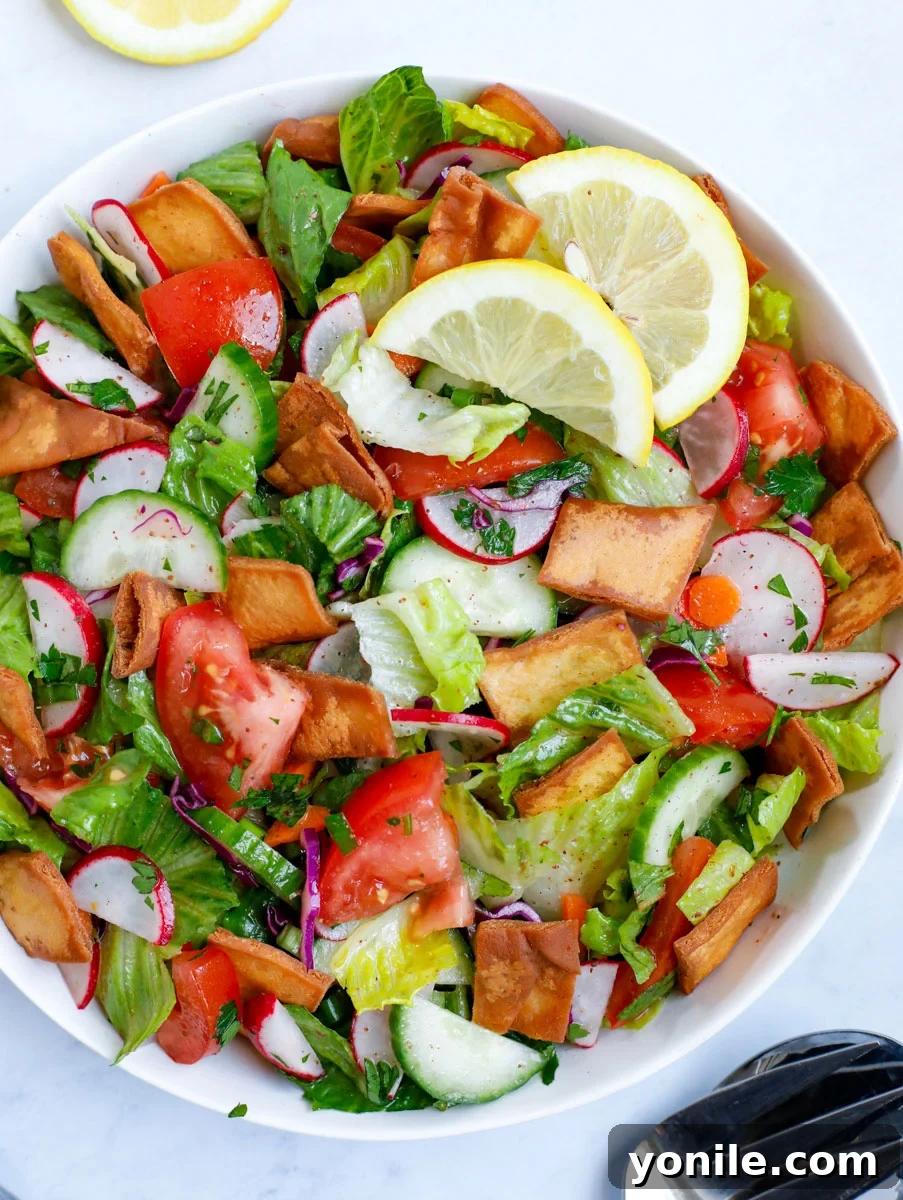
Explore More Authentic Lebanese Recipes
If you’ve enjoyed the delightful flavors of Fattoush, you’ll love diving deeper into Lebanese cuisine. Here are some other traditional recipes to tantalize your taste buds:
- Lebanese Chicken Lentil Soup
- Lebanese Tabbouleh Salad
- Lebanese Vermicelli Rice
- Lebanese Toum (Garlic Sauce)
- Lebanese Meat Pies (Fatayer Blahmeh)
- Sheikh El Mahshi (Stuffed Eggplant with Meat)
- Lebanese Kibbeh (Kibbeh bil Sanieh)
Lebanese Fattoush Salad is truly a celebration of flavors, textures, and freshness. It’s a dish that brings people together, offering a vibrant and healthy addition to any meal. Whether you’re enjoying it as a light lunch, a festive side dish, or a beautiful appetizer, this salad recipe is sure to please every palate with its refreshing and colorful appeal.
If you try this delightful Fattoush recipe or any of my other authentic recipes, please share your thoughts! Your feedback is invaluable. You can also follow me at Cookin’ With Mima on Facebook | Instagram | Pinterest for all my latest culinary inspirations and recipes.
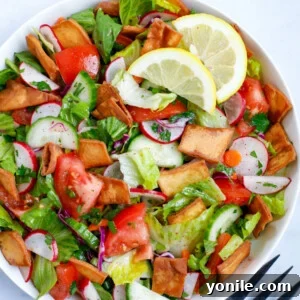
Lebanese Fattoush Salad
Ingredients
- 1 loaf pita bread, cut into cubes (either fry or bake)
- 1 medium romaine lettuce, (5-6 cups after cutting)
- 1½ cup cucumber, sliced
- 1 cup radish, sliced
- 3 medium vine ripe tomatoes, medium diced
- ½ cup green onions, chopped
- ½ cup parsley, chopped
- ⅓ cup mint, chopped
- ½ cup carrots, sliced or shredded
- ½ cup red cabbage, shredded
For the Dressing
- ¼ cup lemon juice
- 1 tsp sumac
- 3 tbsps olive oil
- ½ tsp salt, to taste
- 2 tbsps pomegranate molasses, optional but recommended
- 1 small garlic clove, optional
Instructions
- Cut the pita bread into squares. Either fry them with some cooking oil until golden, or bake them in the oven with a drizzle of olive oil until nice and golden in color. Set aside to cool.
- Wash and thoroughly dry all the vegetables. Chop all the salad ingredients as specified and place them in a large mixing bowl. Toss gently to combine.
- In a separate bowl or cup, whisk together the extra virgin olive oil, fresh lemon juice, sumac, salt, and minced garlic (if using) to create the dressing.
- Pour the dressing over the chopped salad ingredients and toss gently but thoroughly to coat all the vegetables evenly.
- Just before serving, add the toasted or fried pita bread pieces to the salad and toss again to combine. Taste and adjust the seasoning if needed.
- Serve the Fattoush salad immediately, garnished with extra fresh mint leaves or a drizzle of pomegranate molasses if desired.
Notes
- Serve Immediately: For the best experience, serve the salad immediately after adding the pita bread to prevent it from becoming soggy. Alternatively, keep the pita separate and let guests add it to their plates.
- Get Creative: Enhance the flavor and texture with additional ingredients such as diced bell peppers, chopped onions, or a sprinkle of fresh pomegranate seeds.
- Fresh Ingredients Only: Always opt for the freshest and most flavorful vegetables to ensure the salad’s signature crunch and taste. Avoid using bottled lemon juice, as fresh juice is crucial for the dressing.