
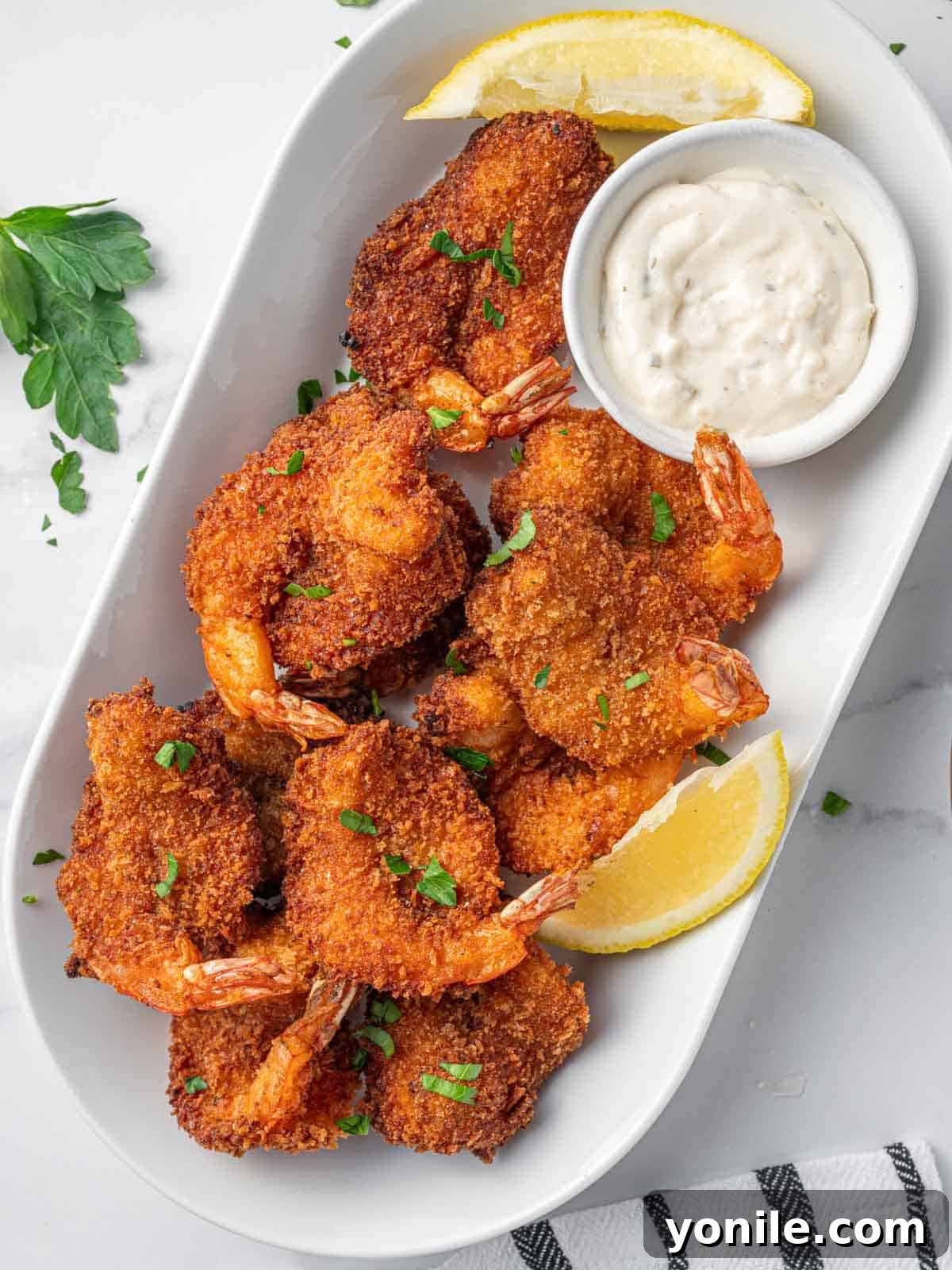
Unlock the secret to perfectly crispy, utterly delicious butterfly shrimp that will become a staple in your culinary repertoire. These beautifully seasoned shrimp are a feast for both the eyes and the palate, promising a delightful crunch with every bite. By combining seasoned flour, delicate panko, and traditional breadcrumbs, we create an irresistible coating that elevates this fried shrimp to new heights. Whether you prefer the classic tang of cocktail sauce or the creamy zest of tartar sauce, these golden-fried gems are practically begging to be dipped. Transform humble jumbo shrimp into an impressive appetizer or a fulfilling main course in less than 30 minutes, bringing a taste of gourmet seafood right to your dining table.
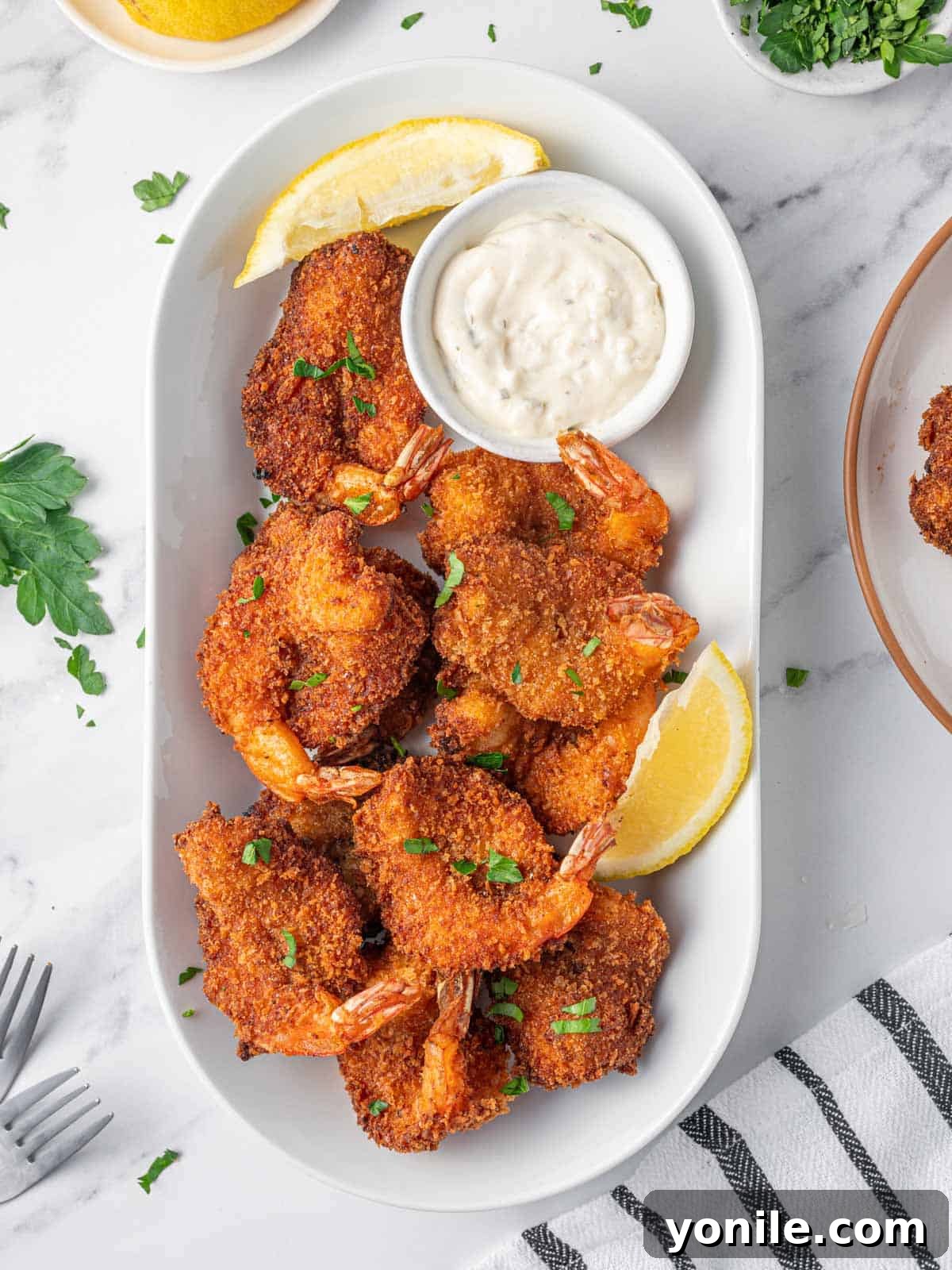
Wave goodbye to overly complicated seafood recipes! This Butterfly Shrimp recipe stands out not only for its incredible flavor but also for its remarkable simplicity. With just a handful of common ingredients and a few straightforward steps, you’ll be able to create a stunning seafood dish that’s guaranteed to impress family and friends alike. The unique butterfly cut of the shrimp ensures they cook rapidly, requiring only enough time to achieve that perfect golden-brown crisp on the breading. The exquisite result is uniformly tender, succulent shrimp enveloped in a wonderfully golden, crunchy crust, offering an unparalleled texture contrast that seafood lovers crave.
If you have a passion for shrimp, don’t miss out on exploring my other fantastic recipes, including Easy Buffalo Shrimp, the savory Panda Express Sizzling Shrimp, and the refreshing Mango Shrimp Salad. Each offers a unique way to enjoy this versatile ingredient!
Why You’ll Adore This Fried Butterfly Shrimp Recipe
This fried butterfly shrimp recipe isn’t just a meal; it’s an experience. Here are compelling reasons why it quickly becomes a favorite:
- Unbelievably Crunchy Texture: The magic lies in the carefully balanced combination of panko and regular breadcrumbs. Panko breadcrumbs provide an airy, light crispness due to their flaky texture, while standard breadcrumbs add a finer, more robust crunch, creating a multi-layered textural delight that truly satisfies. Each bite delivers an audible crunch that makes this shrimp dish exceptionally addictive.
- Lightning-Fast Preparation: Say goodbye to long hours in the kitchen! This recipe is engineered for speed and convenience. By butterflying the shrimp, you increase their surface area, allowing them to cook through in mere minutes. The quick frying time means you can whip up a gourmet-quality meal or appetizer in less than half an hour, making it perfect for busy weeknights or impromptu gatherings.
- Irresistibly Delicious Flavor: Beyond the crunch, the shrimp itself remains tender and juicy, perfectly complemented by a savory seasoning blend. The mild sweetness of the shrimp shines through, enhanced by the subtle spice and saltiness of the breading. It’s a harmonious blend of flavors and textures that makes every morsel a pure joy.
- Remarkably Versatile: This dish truly shines in its adaptability. Serve it as an elegant appetizer at your next dinner party, a delightful snack during game night, or as the star component of a larger seafood feast. It pairs wonderfully with a variety of sides and dipping sauces, making it easy to integrate into any meal plan or occasion. It’s also an excellent option for meal prep, as you can bread the shrimp ahead of time.
- Crowd-Pleasing Appeal: Who doesn’t love crispy fried shrimp? This recipe is universally appealing and a guaranteed hit with guests of all ages. Its attractive presentation and delightful taste make it a surefire crowd-pleaser, ensuring empty platters and happy faces.
- Simple Ingredients, Big Impact: You don’t need exotic ingredients to create something spectacular. This recipe relies on readily available items that, when combined correctly, yield an impressive and flavorful result, proving that great food doesn’t have to be complicated.
Essential Ingredients for Perfect Butterfly Shrimp
Gathering your ingredients is the first step towards creating this sensational dish. Here’s what you’ll need, along with some helpful tips for selection:
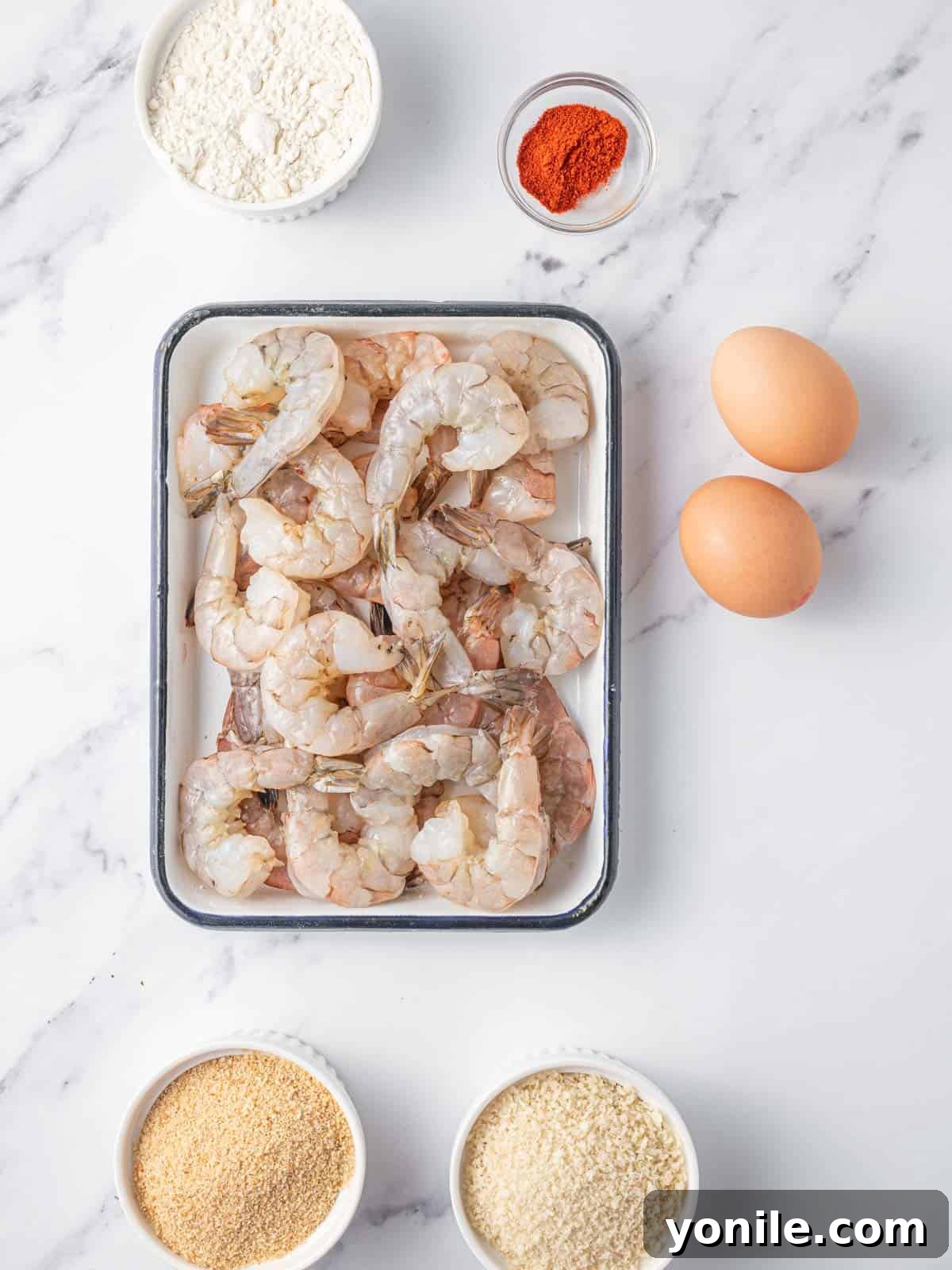
- Shrimp: Opt for large or jumbo raw shrimp (typically 16/20 or 21/25 count per pound) that have been peeled and deveined. Crucially, leave the tails on for both aesthetic appeal and ease of handling during the frying and dipping process. Both fresh and frozen shrimp work beautifully; if using frozen, ensure they are thoroughly defrosted before preparation.
- All-Purpose Flour: This forms the foundational layer of our breading, helping the egg wash adhere effectively to the shrimp. You can also season the flour itself for an extra layer of flavor.
- Eggs: Two lightly beaten, room-temperature eggs act as the binding agent for our breading. Bringing them to room temperature helps them mix more smoothly and adhere better to the shrimp.
- Seasonings: A vibrant blend of red chili powder (or paprika for a milder heat), salt, and freshly ground black pepper will infuse the shrimp with a delicious savory depth. Feel free to customize this with a pinch of garlic powder, onion powder, or even a dash of Old Bay seasoning for a classic seafood flavor.
- Breading Combination: The secret to ultimate crispiness! A 50/50 mix of panko breadcrumbs and regular breadcrumbs creates a perfect crunchy coating that holds up beautifully to frying. Panko provides a light, airy crunch, while regular breadcrumbs offer a finer, more traditional texture.
- Oil for Frying: Choose a neutral oil with a high smoke point, such as vegetable oil, canola oil, or peanut oil. This ensures the shrimp fry evenly without imparting any unwanted flavors. The amount will depend on the size of your pan and how much shrimp you’re frying in each batch.
- Chopped Parsley: A sprinkle of fresh chopped parsley not only adds a pop of vibrant color but also a fresh, herbaceous note that brightens the dish upon serving.
- Lemon Wedges: Essential for serving! A squeeze of fresh lemon juice over the hot shrimp cuts through the richness of the fried coating and enhances the natural sweetness of the shrimp.
Step-by-Step Guide: How to Make Irresistible Butterfly Shrimp
Creating perfectly crispy butterfly shrimp is simpler than you might think. Follow these clear steps to achieve a restaurant-quality dish in your own kitchen:
Step 1: Master the Art of Butterflying Shrimp. Begin by thoroughly patting your peeled and deveined shrimp dry with a clean kitchen towel or paper towels. This crucial step helps the breading adhere better. Lay a shrimp on its side on a cutting board. Using a sharp knife, carefully slice along the back of the shrimp, where the vein was removed, but be sure not to cut all the way through. You want to open it up like a book, leaving the tail end intact. Gently press the butterflied shrimp flat with your palm to create a wide, flattened shape resembling a butterfly. Set aside the butterflied shrimp and repeat with the remaining pieces.

Step 2: Assemble Your Breading Station. Organization is key for efficient breading. Prepare three separate shallow bowls or dishes. In the first bowl, place the all-purpose flour. In the second bowl, whisk together the two eggs, red chili powder (or paprika), salt, and black pepper until well combined and slightly frothy. In the third bowl, thoroughly mix the panko breadcrumbs and regular breadcrumbs. Arrange these bowls in a linear fashion on your countertop: flour, then egg mixture, then breadcrumbs. This setup streamlines the dredging process.
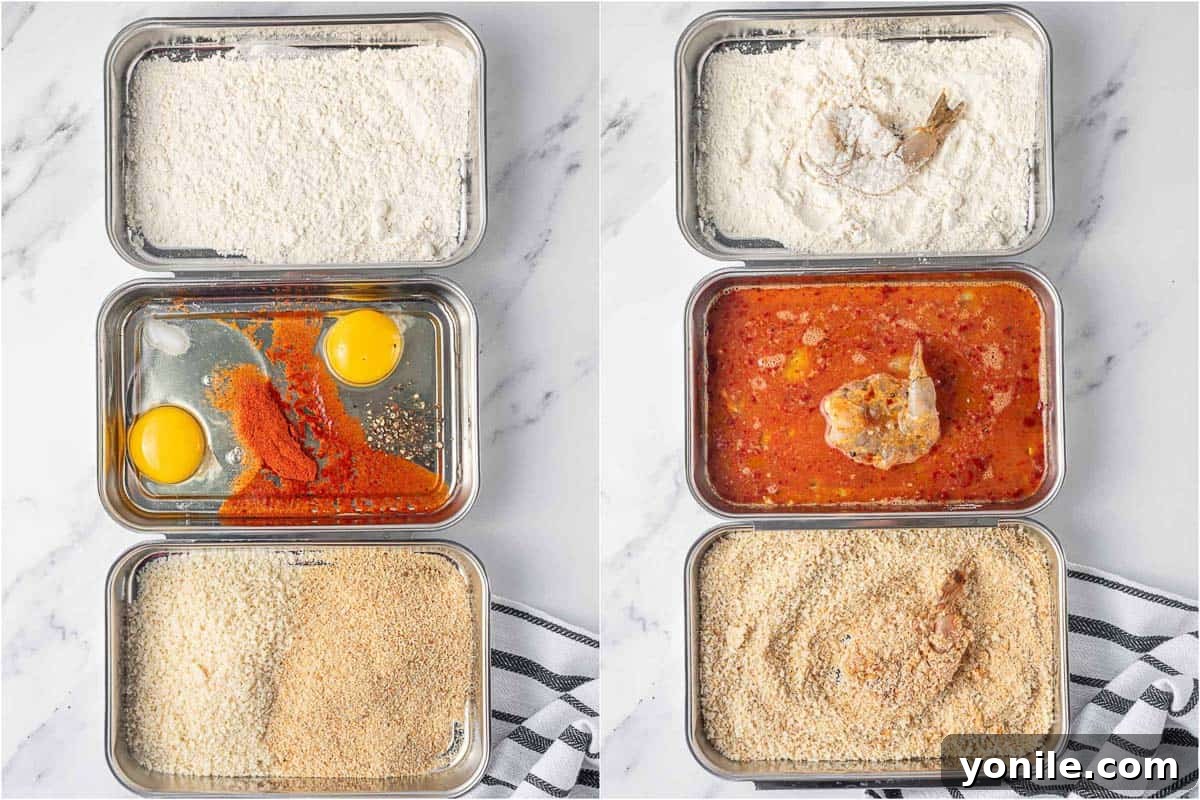
Step 3: Bread Each Shrimp with Care. Take one butterflied shrimp by its tail. First, dredge it thoroughly in the flour, ensuring both sides are lightly coated. Gently shake off any excess flour. Next, dip the flour-coated shrimp into the egg mixture, allowing any excess to drip off. Finally, transfer the shrimp to the breadcrumbs mixture, pressing gently but firmly to ensure an even and complete coating on all sides. The light pressure helps the breadcrumbs adhere securely. Place the breaded shrimp on a clean plate or baking sheet and continue this process with the remaining shrimp. For best results, consider chilling the breaded shrimp for 15-20 minutes before frying; this helps the coating set and prevents it from falling off.
Step 4: Fry the Shrimp to Golden Perfection. Heat about 1-2 inches of your chosen frying oil in a heavy-bottomed pan, a deep skillet, or a Dutch oven over medium-high heat. The ideal oil temperature is around 350-375°F (175-190°C). If you don’t have a thermometer, you can test the oil by dropping a tiny pinch of breadcrumbs; if they sizzle immediately and float, the oil is ready. Carefully add the breaded shrimp to the hot oil in batches, ensuring not to overcrowd the pan. Overcrowding will lower the oil temperature and lead to soggy shrimp. Fry for 1-2 minutes per side, or until the shrimp are beautifully crispy and golden brown. The shrimp cooks very quickly due to their thin shape, so keep a close eye on them. Once cooked, use tongs or a slotted spoon to transfer the fried shrimp to a wire rack placed over a baking sheet to drain any excess oil. This helps maintain their crispness.
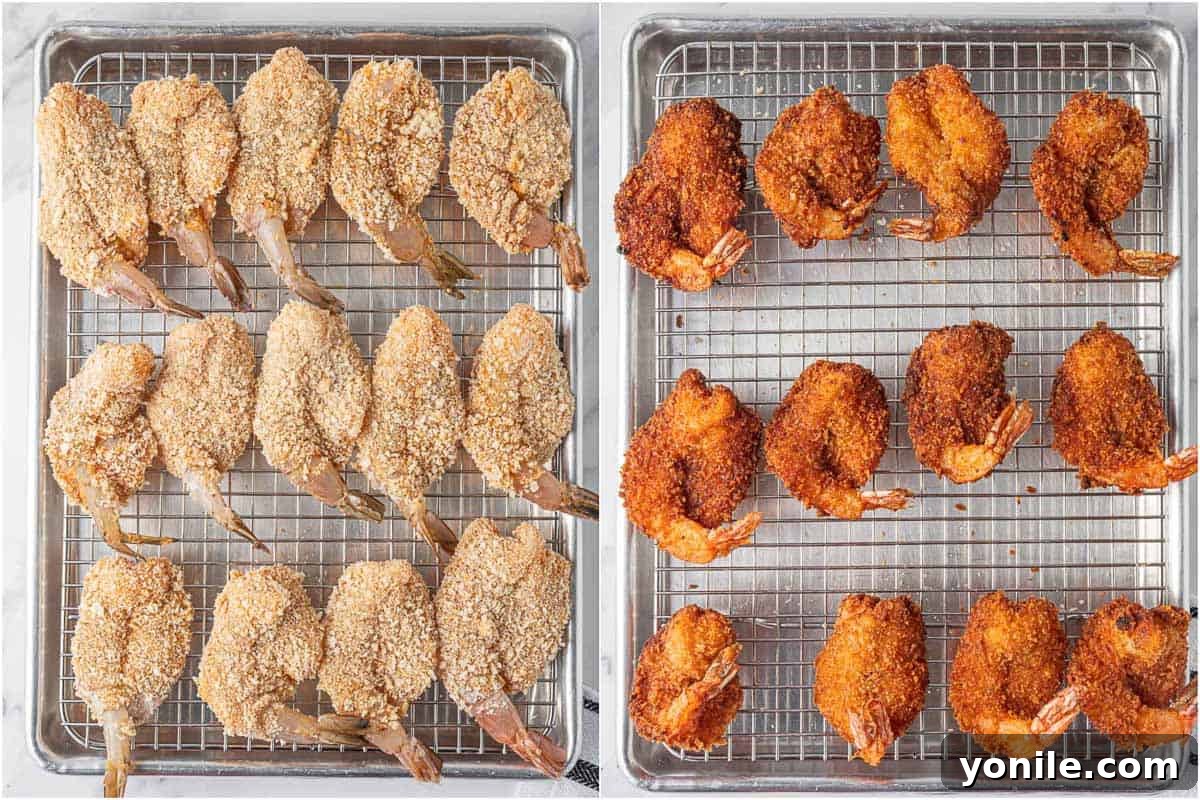
Step 5: Garnish and Serve Immediately. Once all the shrimp are fried, arrange them artfully on a serving platter. Garnish generously with fresh chopped parsley for a burst of color and herbaceous aroma. Serve your crispy butterfly shrimp hot, accompanied by classic dipping options like zesty tartar sauce or tangy cocktail sauce, and plenty of fresh lemon wedges for squeezing. Enjoy this delightful dish as an appetizer or a main course!
Expert Tips for Flawless Butterfly Shrimp
Achieve perfection with these invaluable tips designed to enhance your butterfly shrimp cooking experience:
- Butterfly the Shrimp Carefully: Precision is key here. When slicing the shrimp along the back, ensure you don’t cut all the way through. The goal is to open it up like a book, creating a larger, flatter surface area while keeping the two halves connected at the belly and the tail intact. A sharp paring knife is ideal for this task, allowing for controlled cuts. This technique not only helps them cook faster but also makes for a more visually appealing presentation.
- Pat Dry Before Coating: This step cannot be stressed enough. Any moisture on the shrimp’s surface will prevent the flour and subsequent breading layers from adhering properly. After butterflying, gently but thoroughly pat each shrimp dry with paper towels. This ensures a crisp, even coating that won’t slide off during frying.
- Chill Before Frying: After breading, place the shrimp on a plate or baking sheet and refrigerate them for 15-20 minutes. This chilling period allows the breading to “set” or adhere more firmly to the shrimp. A well-set coating is less likely to fall off in the hot oil, resulting in a crispier, more intact crust.
- Monitor Oil Temperature Closely: The temperature of your frying oil is critical for success. Too cold, and the shrimp will absorb too much oil, becoming greasy and soggy. Too hot, and the breading will burn before the shrimp has a chance to cook through. Aim for a consistent temperature of around 350°F (175°C) to 375°F (190°C). Use a kitchen thermometer for accuracy, or test with a tiny pinch of breadcrumbs – they should sizzle gently and float to the surface immediately.
- Don’t Overcrowd the Pan: Fry the shrimp in small batches to maintain a consistent oil temperature. Overcrowding drastically lowers the oil’s temperature, leading to shrimp that steam rather than fry, resulting in a less crispy texture. Give each shrimp enough space to cook evenly.
- Drain on a Wire Rack: After frying, resist the urge to place the shrimp directly on paper towels. While paper towels absorb oil, they can also trap steam, making the bottom of the shrimp soggy. Instead, transfer the hot shrimp to a wire rack set over a baking sheet. This allows air to circulate around them, keeping them crisp on all sides as they cool slightly.
- Season Your Breading Layers: Don’t rely solely on the egg wash for seasoning. Add a pinch of salt and pepper (or other desired spices) to your flour mixture and even to your breadcrumbs. This layering of seasoning ensures that every component of the breading contributes to the overall flavor profile.
- Fresh vs. Frozen Shrimp Handling: If using frozen shrimp, thaw them completely overnight in the refrigerator or by placing them in a bowl of cold water (changing the water every 15 minutes) for about 20-30 minutes. Ensure they are fully thawed and then pat them extra dry before butterflying and breading.
Alternative Cooking Methods for Butterfly Shrimp
While deep frying delivers unparalleled crispness, you can certainly achieve delicious results with alternative cooking methods if you prefer a lighter approach or simply want to avoid the mess of deep frying:
- Oven-Baked Butterfly Shrimp: For a less oil-intensive option, baking is a fantastic choice. Preheat your oven to a robust 400°F (200°C). Lightly grease a baking sheet or line it with parchment paper for easy cleanup. Arrange the breaded shrimp in a single layer, ensuring they don’t touch, to promote even cooking and browning. For an extra boost of crispiness, lightly spray the tops of the shrimp with cooking spray or a fine mist of olive oil. Bake for 12-15 minutes, flipping them halfway through the cooking time, until they are golden brown and cooked through.
- Air Fryer Butterfly Shrimp: The air fryer is a game-changer for achieving crispy results with minimal oil. Preheat your air fryer to 375°F (190°C) for about 5 minutes. Arrange the breaded shrimp in a single layer in the air fryer basket, making sure not to overcrowd it (you may need to work in batches). Spray the shrimp generously with oil spray to help them crisp up and achieve that desired golden color. Air fry for 8-10 minutes, flipping the shrimp halfway through the cooking time. Continue cooking until the shrimp are beautifully golden brown and crispy to your liking. The air fryer circulates hot air, mimicking the effect of frying without the need for excessive oil.
Both oven-baking and air frying offer healthier alternatives to deep frying, producing shrimp that are still delightfully crunchy on the outside and tender on the inside. While deep frying often yields the crispiest result, these methods are excellent for convenience and lighter meals.
Storing and Reheating Your Butterfly Shrimp
Proper storage and reheating ensure you can enjoy your delicious butterfly shrimp even after the initial meal:
Storing: To keep any leftover fried butterfly shrimp fresh, allow them to cool completely to room temperature. Then, transfer them to an airtight container and store them in the refrigerator. Properly stored, they will maintain their quality for up to 3 days. Beyond this, the texture and flavor may start to diminish.
Freezing: Freezing already fried shrimp is generally not recommended as it can significantly compromise their crispy texture upon reheating, often resulting in a soggy product. However, you can prepare the shrimp for freezing before cooking. After butterflying and breading the shrimp, arrange them in a single layer on a baking sheet lined with parchment paper. Flash-freeze them for 1-2 hours until solid. Once frozen, transfer the solid breaded shrimp to a freezer-safe bag or airtight container. They can be stored in the freezer for up to 2-3 months. When you’re ready to cook them, simply toss them directly into hot oil from frozen (do not thaw first), adding about 1-2 minutes to the typical cooking time. This method allows you to enjoy freshly fried shrimp anytime.
Reheating: To best restore the crispness of cooked butterfly shrimp, avoid the microwave, which will make them soft and rubbery. Instead, opt for the oven or air fryer.
- Oven Reheating: Preheat your oven to 300°F (150°C). Arrange the cold shrimp in a single layer on a baking sheet (preferably on a wire rack over a baking sheet to promote air circulation). Place them in the preheated oven and heat for about 10-15 minutes, or until warmed through and the breading feels crisp again.
- Air Fryer Reheating: This is an excellent method for reviving crispiness. Preheat your air fryer to 360°F (180°C). Arrange the shrimp in a single layer in the air fryer basket. Air fry for 3-5 minutes, shaking the basket halfway through, until they are hot and crispy.
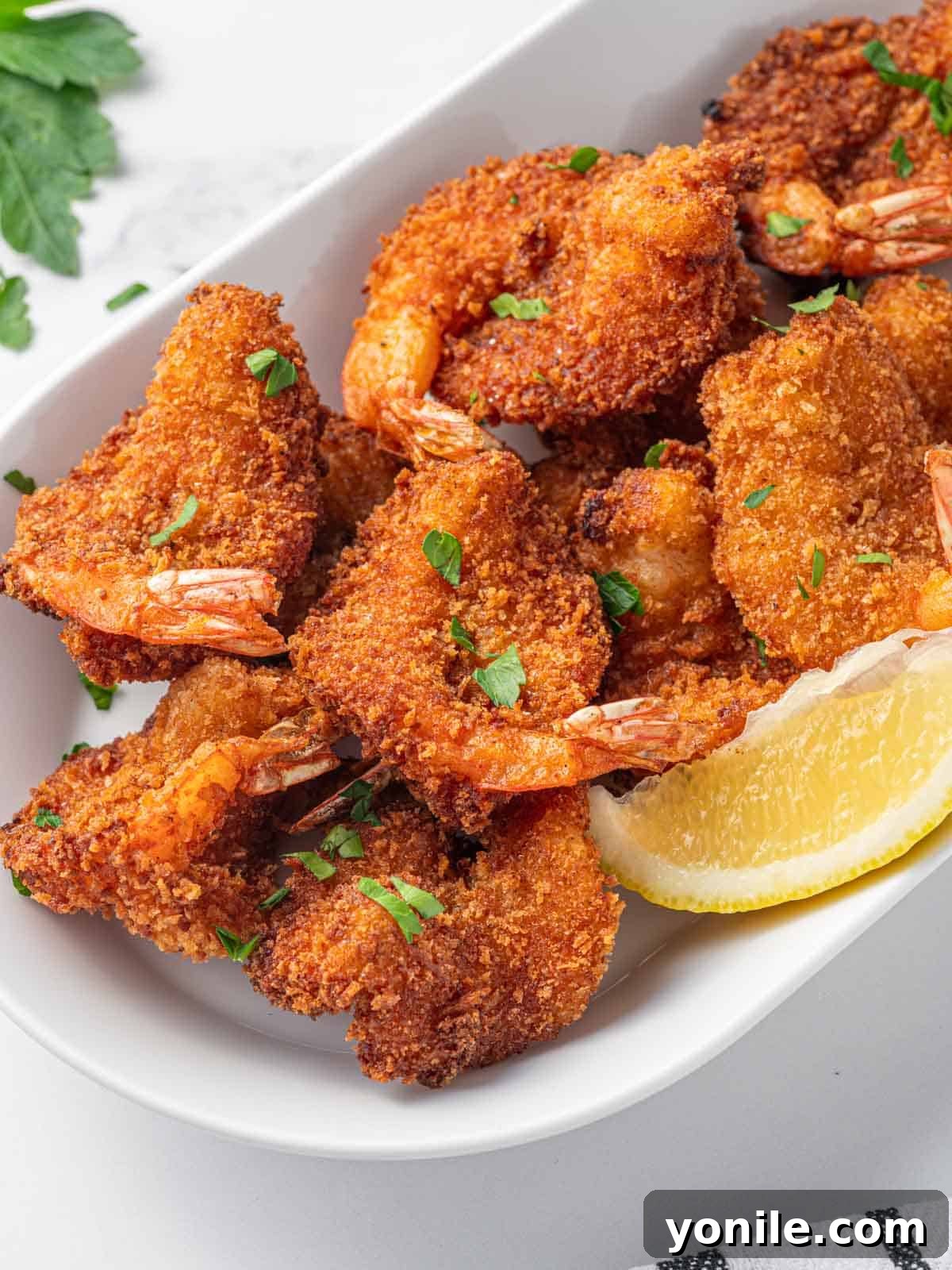
What to Serve with Your Delectable Butterfly Shrimp
Butterfly shrimp is incredibly versatile and pairs beautifully with a wide array of accompaniments, whether you’re serving it as a light appetizer or a full meal. Here are some fantastic serving suggestions:
- Dipping Sauces: The ultimate companion for fried shrimp! Offer a variety of sauces to cater to different tastes. Classic choices include tangy cocktail sauce (with horseradish for a kick!) and creamy tartar sauce. For a twist, consider sweet chili sauce, spicy Sriracha mayo, a zesty remoulade, or even a simple squeeze of fresh lemon juice.
- Crispy Potato Sides: Complement the shrimp’s crunch with equally satisfying potato dishes. Serve with golden Crispy Air Fryer French Fries, rustic Air Fryer Roasted Potatoes, or the ever-popular Crispy Parmesan Potatoes. Potato wedges or a simple baked potato are also great options.
- Other Fried Favorites: Create a fried seafood platter experience by adding Oven Baked Onion Rings or even fried pickles for extra indulgence.
- Fresh Salads: To balance the richness of the fried shrimp, a light and refreshing salad is perfect. A crisp green salad with a vinaigrette dressing, a creamy coleslaw, or a vibrant corn and avocado salad would be excellent choices.
- Grains and Rice: For a more substantial meal, serve the shrimp alongside fluffy white rice, a savory rice pilaf, or even a quinoa salad.
- Vegetable Sides: Round out your meal with some simple steamed or roasted vegetables like asparagus, green beans, or broccoli, lightly seasoned with salt and pepper.
Frequently Asked Questions About Butterfly Shrimp
Here are answers to some common questions about making and enjoying butterfly shrimp:
To butterfly shrimp, first ensure they are peeled and deveined, leaving the tail intact. Place the shrimp on a cutting board with its back facing up. Using a very sharp knife, make a shallow cut along the curved back of the shrimp, where the dark vein once was. Slice almost all the way through, but be careful not to completely sever the shrimp into two halves. You want to open it up like a book. Gently press the shrimp flat with your fingers to widen the cut and create a distinct butterfly shape. This technique increases the surface area for breading and helps the shrimp cook more evenly and quickly.
Deveining shrimp involves removing the dark, gritty digestive tract that runs along its back. Start by peeling the shrimp, though you can leave the tail on if desired. Locate the dark line on the shrimp’s back. Take a small, sharp paring knife or a pair of kitchen shears and make a shallow incision along this line. This will expose the vein. Use the tip of your knife, a toothpick, or your fingers to gently lift out and pull away the dark vein. Once removed, rinse the shrimp thoroughly under cold running water to ensure all residual vein material is gone, then pat dry.
Absolutely! Frozen shrimp is a convenient and often high-quality option, as it’s typically flash-frozen shortly after being caught, preserving its freshness. It’s perfectly fine to use frozen shrimp for this recipe, but it’s crucial to defrost it completely before you begin the butterflying and breading process. You can defrost shrimp overnight in the refrigerator, or for a quicker method, place the frozen shrimp in a bowl of cold water for about 20-30 minutes, changing the water every 10-15 minutes until thawed. Always pat them very dry after thawing.
Making this butterfly shrimp recipe gluten-free is quite easy with a few simple substitutions. Replace the all-purpose flour with a high-quality gluten-free all-purpose flour blend (ensure it’s a cup-for-cup blend) or use cornstarch for the initial dredging. For the breading, opt for gluten-free panko breadcrumbs, which are widely available in most grocery stores. These alternatives will provide a similar crunchy texture and delicious flavor without compromising on dietary needs.
For frying shrimp, it’s best to use a neutral-flavored oil with a high smoke point. Excellent choices include vegetable oil, canola oil, peanut oil, or grapeseed oil. These oils can withstand the high temperatures required for frying without smoking excessively or imparting unwanted flavors to your delicate shrimp. Avoid olive oil or butter for deep frying, as they have lower smoke points and can burn easily.
Shrimp cooks very quickly, especially when butterflied. You’ll know it’s perfectly cooked when it turns opaque and pink, curling into a loose “C” shape. If it curls into a tight “O” shape, it’s likely overcooked and will be tough and rubbery. Aim for that perfect C-shape and vibrant color, typically achieved in 1-2 minutes per side when frying.
You can certainly prepare the breaded shrimp a few hours in advance. After breading, arrange them on a baking sheet, cover loosely with plastic wrap, and refrigerate for up to 2-3 hours. This allows the breading to set, which is beneficial for crispiness. However, for the absolute best taste and crunch, it’s ideal to fry them as close to serving time as possible. Do not leave breaded raw shrimp in the refrigerator for more than 3 hours, as moisture can accumulate and affect the crispness.
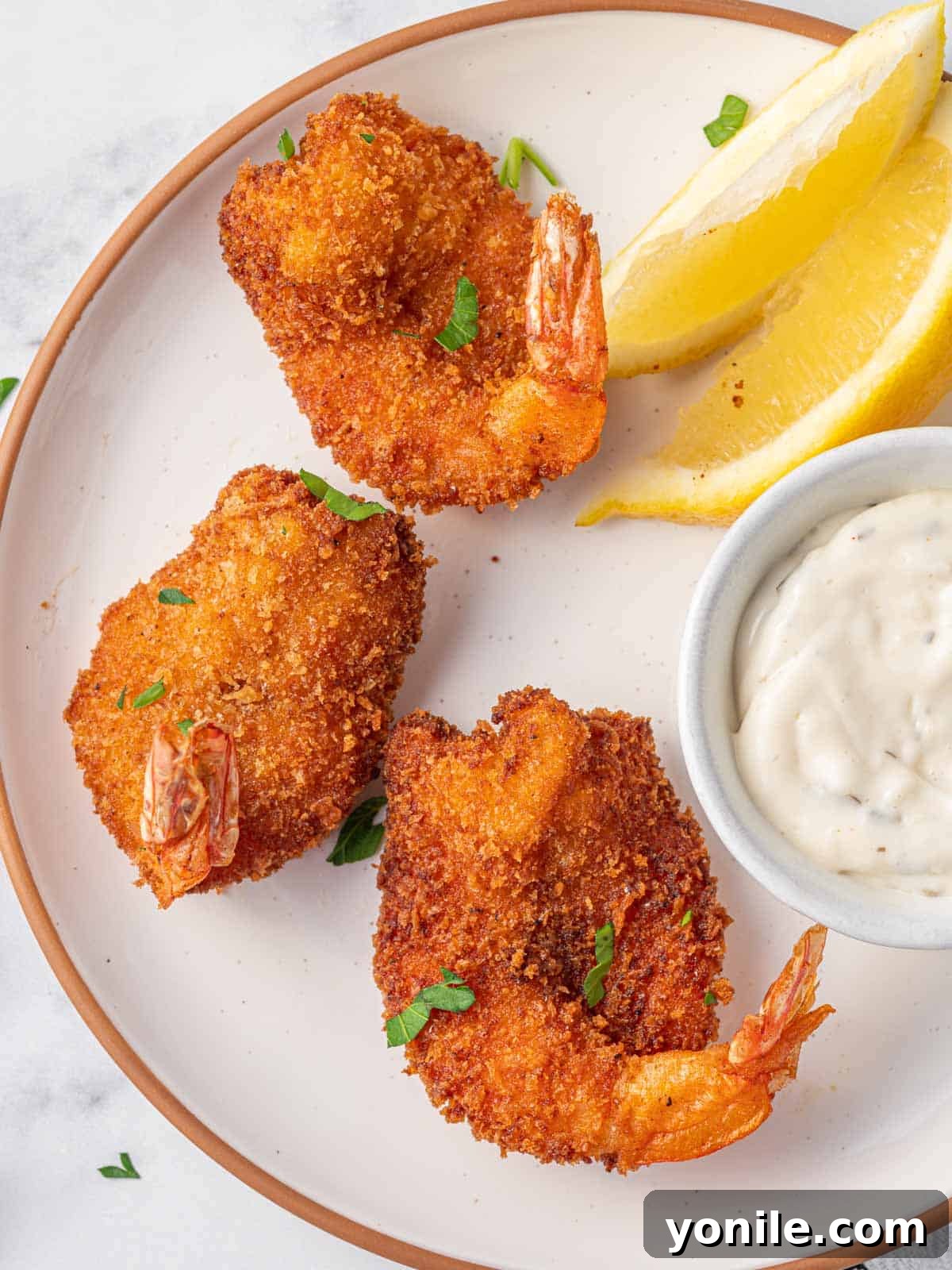
Explore More Delightful Shrimp Recipes
If you’ve enjoyed making this butterfly shrimp, you’re in for a treat with these other fantastic shrimp dishes that are sure to become new favorites:
- Thai Coconut Shrimp Curry
- Grilled Garlic Shrimp Skewers
- Shrimp Orzo Salad
- Shrimp Sushi Stack
- Chili Lime Shrimp
- Grilled Garlic Shrimp Kabobs
This Butterfly Shrimp recipe is a tantalizing seafood dish that delivers on all fronts: it’s not just incredibly delicious and satisfyingly crunchy, but also surprisingly easy to prepare. Its beautiful presentation makes it perfect for any occasion, from a casual family dinner to an elegant gathering. Enjoy these crispy, golden butterfly shrimp with your preferred dipping sauce and watch them disappear in moments! Whether served as a party appetizer or a delightful dinner, these shrimp are destined to be a smash hit with everyone at your table.
If you try this recipe or any of my other culinary creations, please take a moment to leave a star rating and a comment in the section below. Your feedback means the world to me! For my latest updates, delicious recipes, and social posts, be sure to follow Cookin’ With Mima on FACEBOOK | INSTAGRAM | PINTEREST. Happy cooking!
Butterfly Shrimp
Mariam Ezzeddine
Butterfly Shrimp recipe is a tantalizing seafood dish that’s not just delicious but also easy to prepare. Enjoy these crispy and delicious butterfly shrimp with your favorite dipping sauce!
10 minutes
15 minutes
25 minutes
4 servings
Ingredients
- 20 large/jumbo raw shrimp, peeled, deveined, and tails ON
- 1 cup all-purpose flour
- 2 whole eggs
- ½ teaspoon red chili powder or paprika
- ½ teaspoon salt
- ½ teaspoon black pepper
- 1 cup panko breadcrumbs
- 1 cup regular breadcrumbs
- Oil, for frying
- Chopped parsley, to garnish
- Lemon wedges, to serve
Instructions
- Pat dry the shrimp with a kitchen towel and use a sharp knife to slice the shrimp along the back, without completely splitting it and leaving the tail end. Flatten the shrimp like a butterfly and set it aside.
- Prepare the breading station: In the first bowl, place the flour; in the second bowl, whisk the eggs, red chili powder, salt, and pepper; in the third bowl, combine panko and regular bread crumbs. Set it aside.
- First, hold the shrimp by the tail, coat them in the flour, dip the shrimp in the egg mixture, dredge the shrimp in the breadcrumbs mixture, and gently press it until evenly coated. Repeat the same with the remaining shrimps.
- Heat oil in a heavy bottom pan and fry the shrimp until crispy and golden in batches.
- Garnish the butterfly shrimp with parsley and serve it with tartar sauce and lemon wedges on the sides.
Notes
- Butterfly the Shrimp Carefully: Be careful not to cut all the way through the shrimp. Cut along the back of the shrimp without completely splitting it. This creates a butterfly shape.
- Pat Dry Before Coating: After you butterfly the shrimp, make sure to pat dry with paper towel before dipping them into the breading mixture.
- Chill Before Frying: Place the breaded shrimp in the refrigerator for 15-20 minutes before frying to help the coating adhere and stay crispy.
- Oil Temperature: Make sure the oil is preheated to the designed temperature before frying. Typically, I fry the shrimp at medium-high heat, around 350°F (175°C).
Nutrition
Calories: 392kcal | Carbohydrates: 57g | Protein: 26g | Fat: 6g | Saturated Fat: 1g | Polyunsaturated Fat: 2g | Monounsaturated Fat: 1g | Trans Fat: 0.01g | Cholesterol: 208mg | Sodium: 1403mg | Potassium: 284mg | Fiber: 3g | Sugar: 3g | Vitamin A: 432IU | Vitamin C: 1mg | Calcium: 155mg | Iron: 4mg