
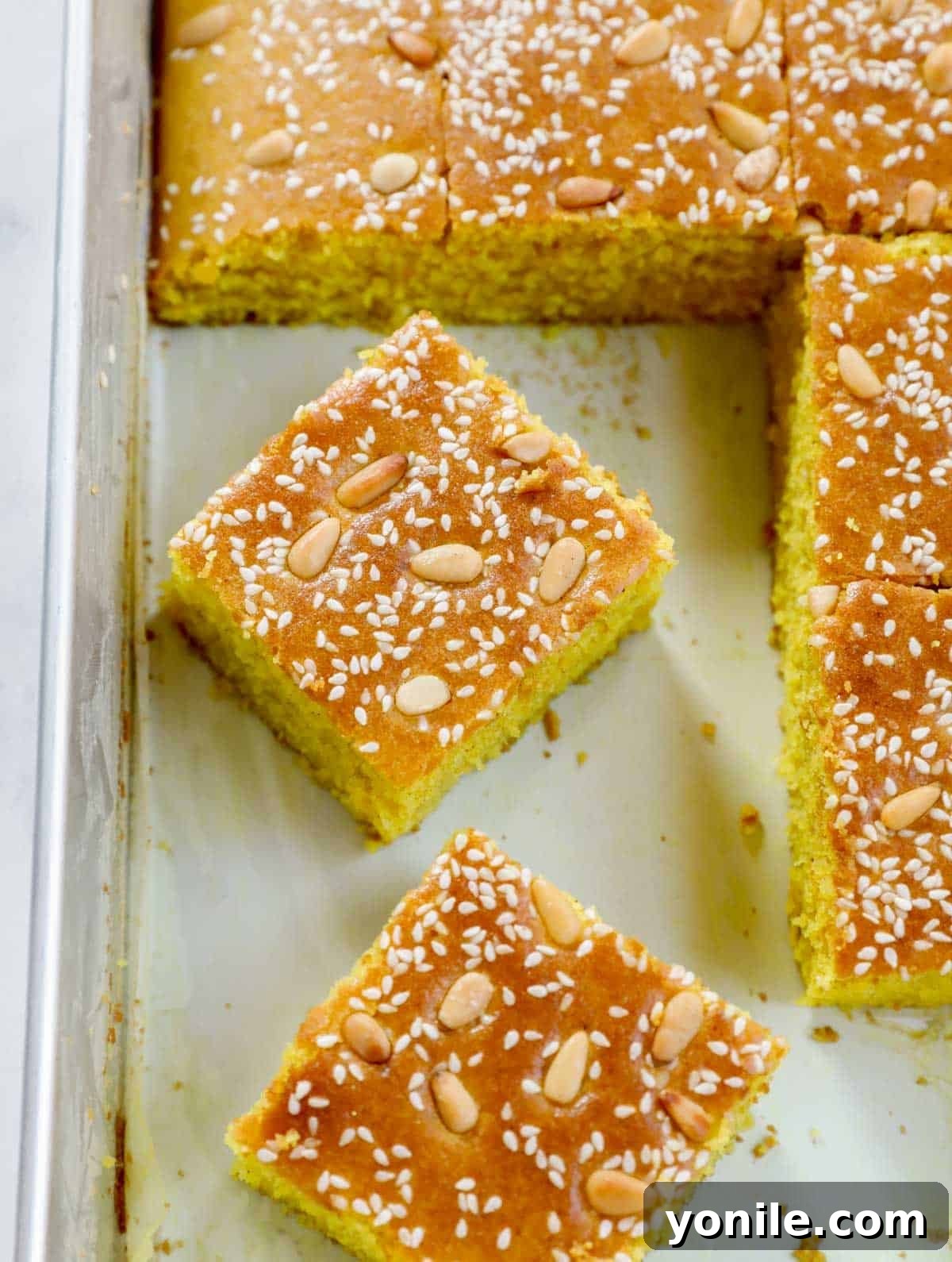
Authentic Lebanese Sfouf: The Golden Turmeric Semolina Cake
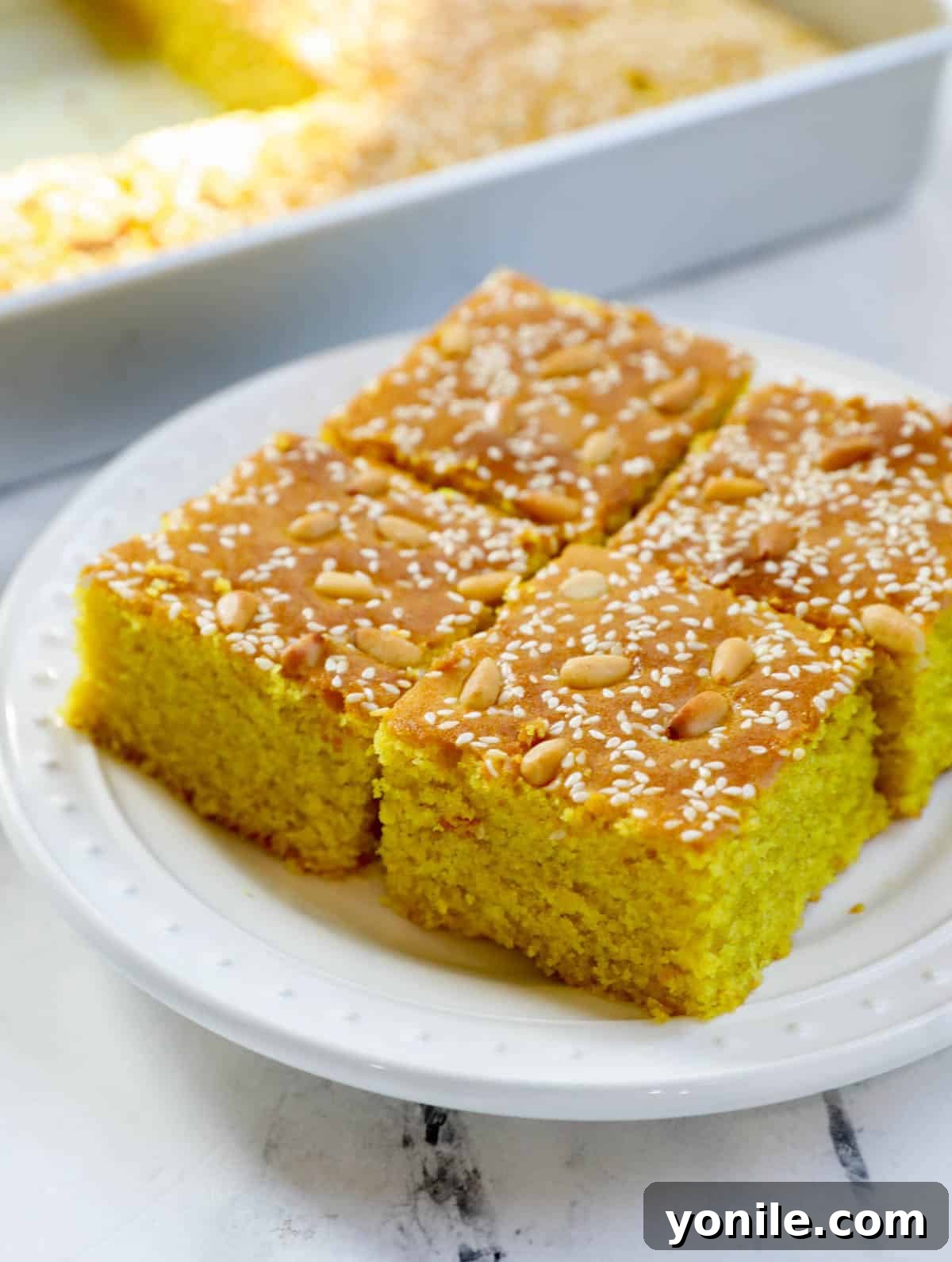
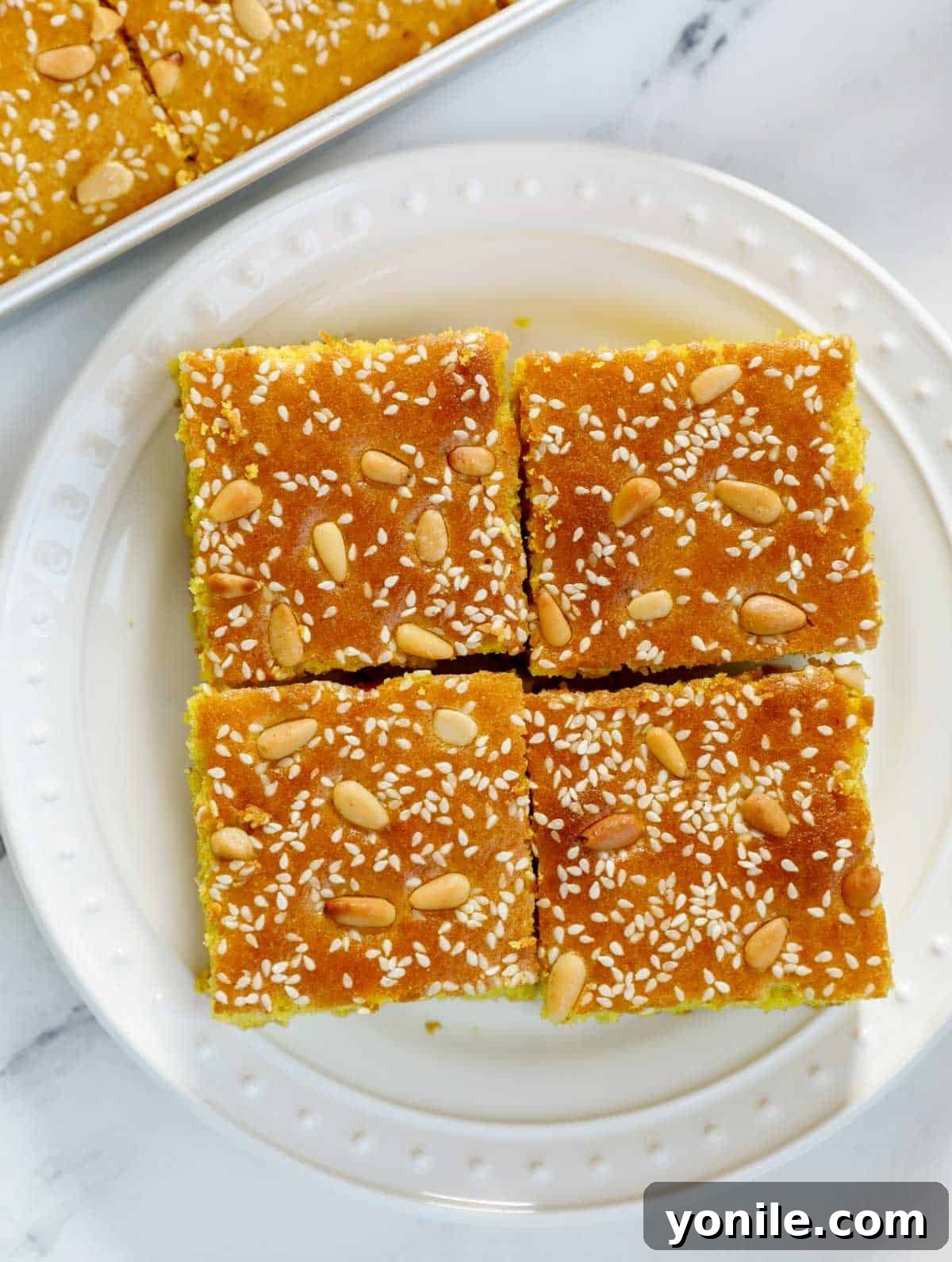
Embark on a culinary journey to the heart of Lebanon with Sfouf, a delightful and traditional turmeric semolina cake. Renowned for its captivating golden-yellow hue, incredibly soft texture, and a unique blend of earthy, aromatic flavors, Sfouf is more than just a dessert—it’s a celebration of simple ingredients transformed into something extraordinary. Crafted from pantry staples like fine semolina, vibrant turmeric, and sweet sugar, this cake bakes to perfection in just about 30 minutes, making it an ideal choice for a quick yet impressive treat. If you’re searching for an authentic, easy-to-make Lebanese dessert recipe that promises a rich cultural experience with every bite, this Sfouf recipe is truly the perfect choice.
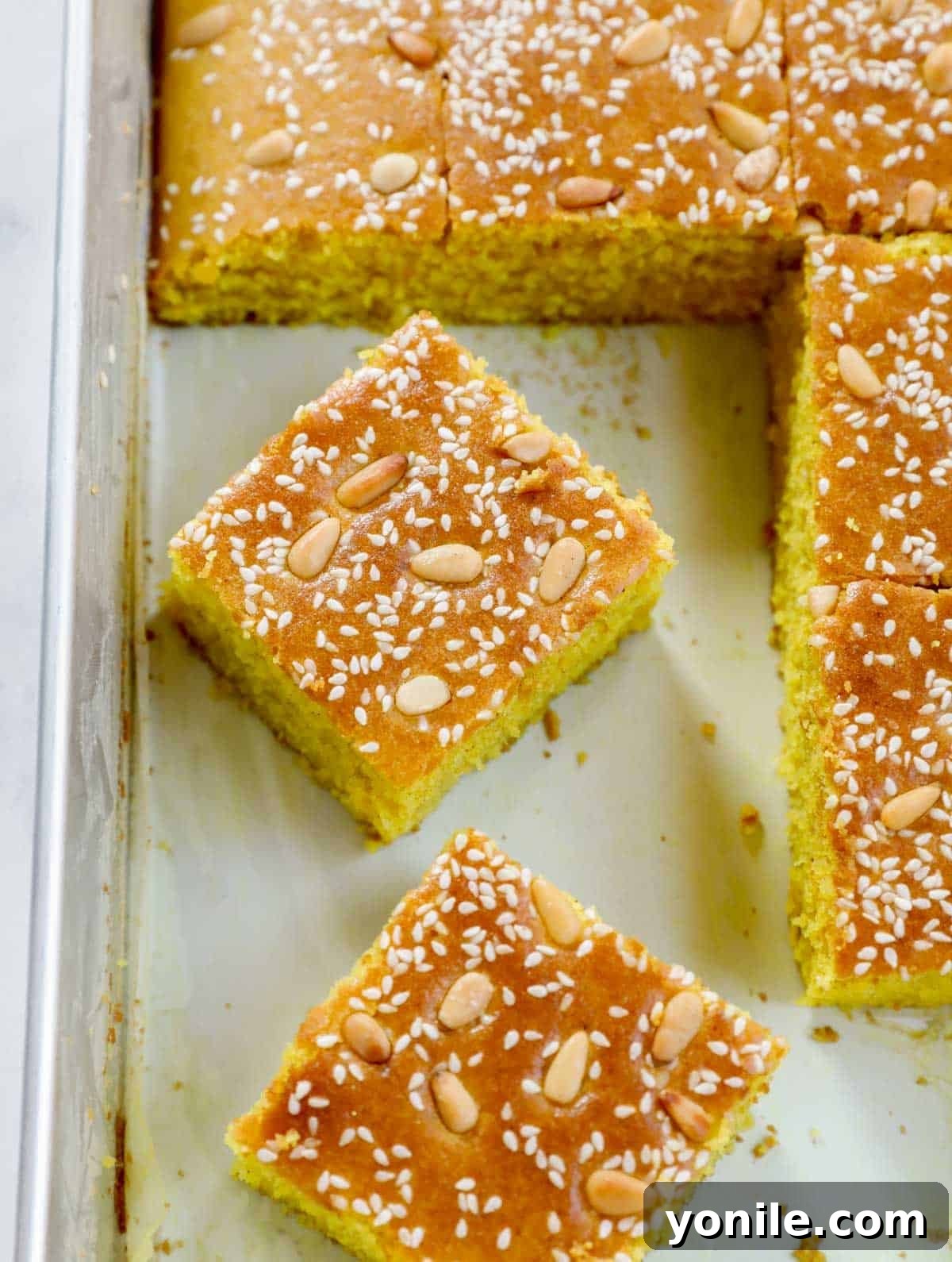
Sfouf holds a special place in Lebanese culture and is a beloved staple in many homes, including my own. Its appealing golden color and subtle sweetness make it a favorite among children, who often affectionately refer to it as “the yellow cake.” This traditional cake is incredibly popular throughout Lebanon, often enjoyed alongside other classic sweets like Namoura. I encourage you to explore other authentic Lebanese delights, such as my Lebanese Namoura Recipe, to further immerse yourself in the rich tapestry of Middle Eastern desserts.
Why You’ll Adore This Lebanese Turmeric Cake
Sfouf is a cherished dessert for many reasons. Its simplicity, distinct flavor, and versatility make it a standout choice for any occasion:
- Unique and Harmonious Flavor Profile: The magic of Sfouf lies in its sophisticated yet subtle taste. The combination of earthy turmeric, aromatic anise, and the slight nutty undertones from tahini creates a truly captivating flavor that is both exotic and comforting. It’s a delightful departure from typical sweet cakes, offering a taste experience that is both memorable and deeply satisfying.
- Effortlessly Easy to Prepare: Don’t let its exotic origins intimidate you. Sfouf is surprisingly simple to make, requiring minimal steps and common ingredients readily available in most kitchens. It’s a fantastic recipe for beginner bakers or anyone looking for a quick and rewarding baking project that yields impressive results.
- Perfect for Any Gathering: Whether it’s a family reunion, a holiday celebration, or a casual coffee and chat with friends, Sfouf is always a crowd-pleaser. Its inviting golden appearance and delightful taste make it an excellent centerpiece for any dessert spread, pairing wonderfully with hot beverages like tea or Arabic coffee.
- Remarkable Shelf Life: One of the many conveniences of Sfouf is its ability to stay moist and flavorful for several days at room temperature. This makes it an ideal make-ahead dessert, perfect for busy hosts or for simply having a delicious treat on hand to enjoy throughout the week.
Essential Ingredients for Your Golden Sfouf
The beauty of Sfouf lies in its straightforward ingredient list, each playing a crucial role in creating its signature texture and flavor. Here’s a closer look at what you’ll need:
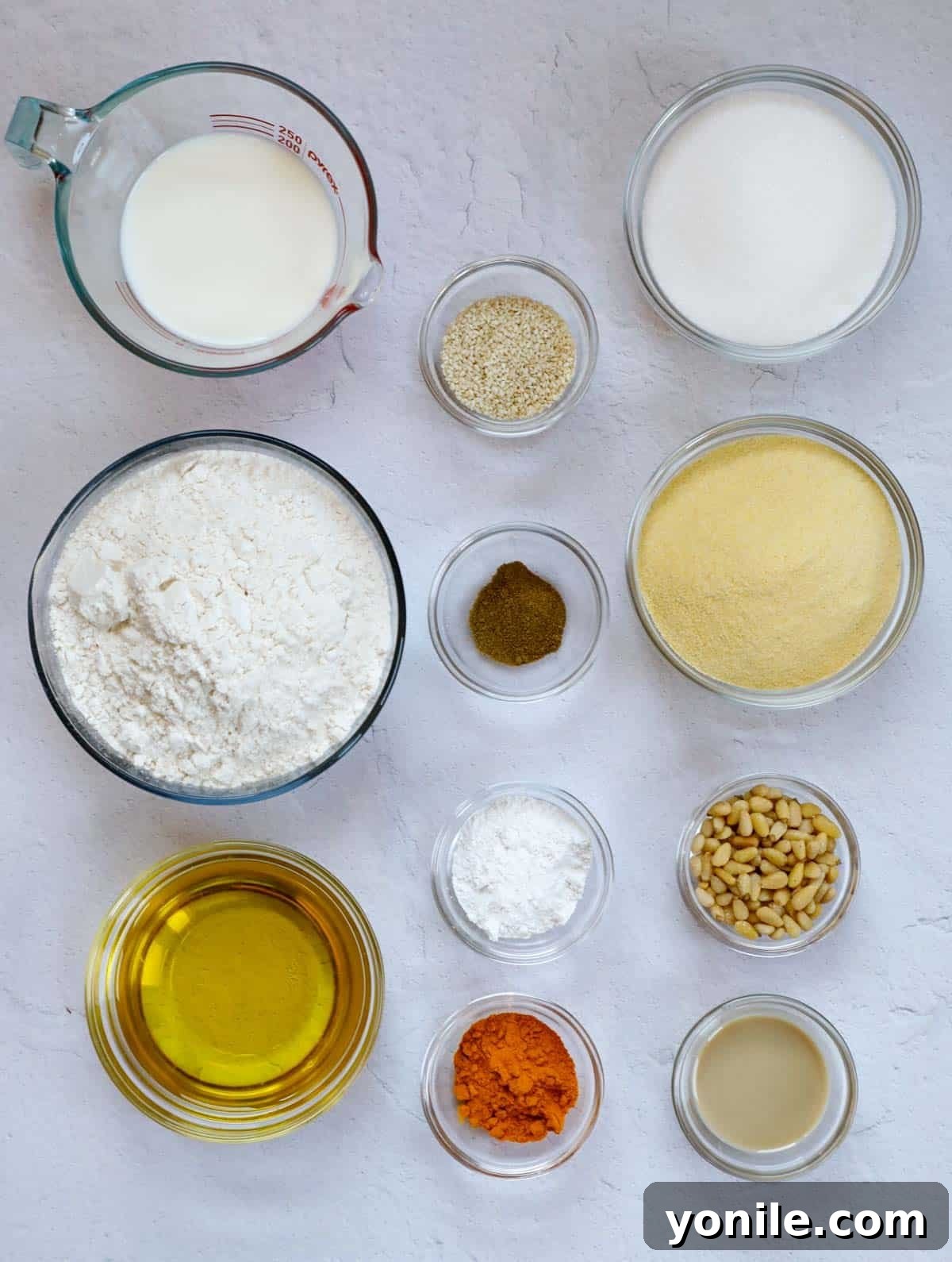
- Fine Semolina and All-Purpose Flour: The combination of these two flours is key to Sfouf’s unique texture. Fine semolina provides a slight graininess and a tender crumb, while all-purpose flour offers structure and softness. This balance ensures the cake is neither too dense nor too crumbly.
- Sugar: Granulated sugar adds the essential sweetness to the cake. The recipe provides a guideline, but feel free to adjust the amount to suit your personal preference for sweetness.
- Turmeric Powder: More than just a spice, turmeric is Sfouf’s defining ingredient. It imparts the cake’s iconic vibrant yellow color and contributes a subtle, warm, earthy flavor that distinguishes it from other cakes.
- Anise Powder: This aromatic spice is central to Sfouf’s unique taste profile, infusing the cake with a distinctive sweet and slightly liquorice-like aroma. While some variations omit it, adding anise powder elevates the cake’s traditional flavor to another level.
- Baking Powder: As a leavening agent, baking powder is vital for achieving Sfouf’s characteristic light and fluffy texture, ensuring a tender and airy crumb.
- Pine Nuts or Raw Sesame Seeds: These are traditionally used as a decorative topping, adding a delicate crunch and a subtle nutty flavor. Pine nuts offer a buttery taste, while sesame seeds provide a more pronounced nuttiness. You can use either, or a combination of both, depending on your preference.
- Avocado Oil or Extra Light Tasting Olive Oil: These neutral-flavored oils contribute essential moisture and richness to the cake without overpowering its delicate spices. Vegetable oil is also a suitable alternative. The fat content helps create a soft, tender crumb.
- Warm Milk: Whole milk is recommended for its richness, which enhances the cake’s flavor and texture. Using warm milk helps the dry ingredients absorb moisture more effectively, leading to a smoother batter and a more tender cake. For a vegan version, a plant-based milk like almond or soy milk can be used.
- Tahini: This sesame paste serves a dual purpose. It’s brushed onto the baking pan to prevent the cake from sticking, and it also contributes a distinct, rich, nutty flavor that complements the anise and turmeric beautifully.
Full measurements are listed in the recipe card at the end of this article.
Step-by-Step Guide: How to Bake the Perfect Sfouf
Creating this delightful Lebanese Turmeric Cake is a simple and rewarding process. Follow these easy steps to bring the authentic flavors of Sfouf to your kitchen:
Expert Tips for Sfouf Success
Achieving the perfect Sfouf is simple with these helpful tips:
- Avoid Overmixing the Batter: After combining the wet and dry ingredients, mix just until a smooth batter forms. Overmixing can develop the gluten in the flour, leading to a dense and tough cake rather than the desired light and tender crumb.
- Always Grease the Pan with Tahini: Beyond its non-stick properties, tahini imparts a wonderful, subtle nutty flavor to the base of the cake, which beautifully complements the turmeric and anise. Don’t skip this step for authentic taste and easy removal.
- Carefully Achieve Desired Golden Color: If your Sfouf is fully cooked internally but the top hasn’t reached that beautiful deep golden hue, you can gently broil it for 1-2 minutes. This can quickly enhance the color, but it requires constant vigilance to prevent burning. Stay by your oven and check frequently!
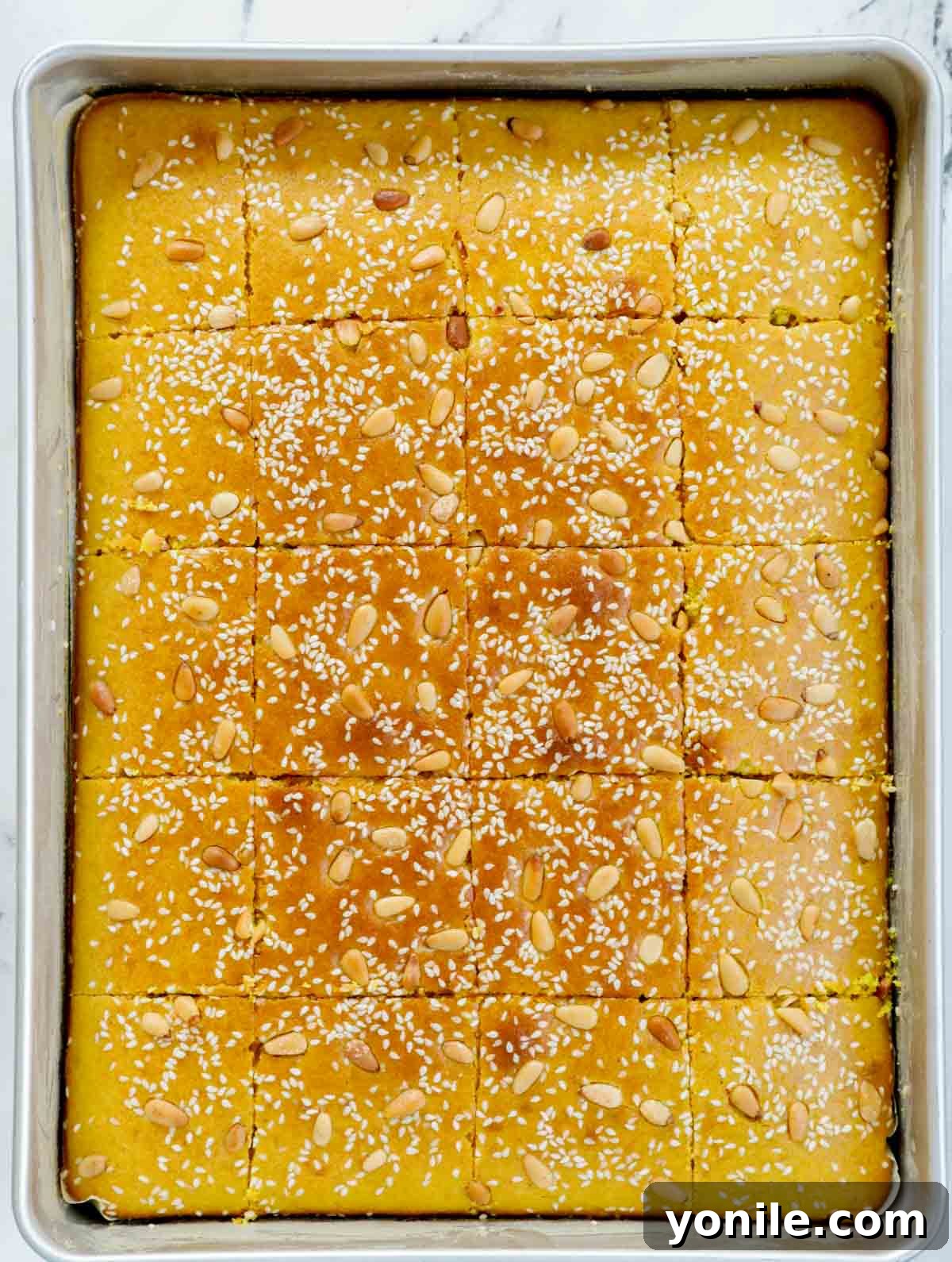
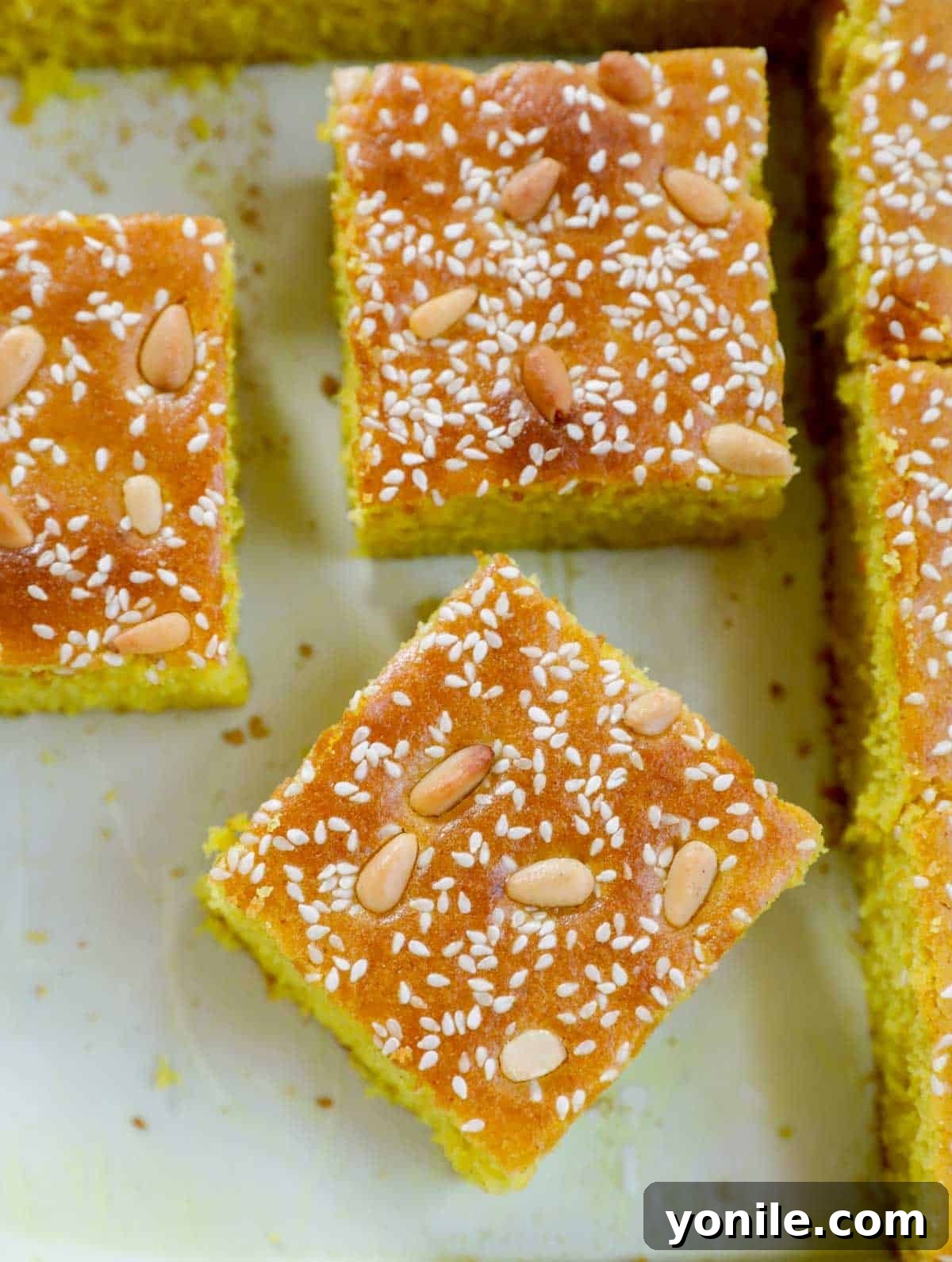
- Allow the Cake to Cool Completely: Patience is key! Sfouf continues to firm up and set as it cools. Slicing it while warm can result in crumbling. For clean, perfect portions, wait until the cake has cooled entirely before cutting.
Storage and Freezing Recommendations
Sfouf is known for its excellent shelf life, making it a convenient dessert to prepare in advance or enjoy over several days.
Storing Sfouf: To maintain its freshness and moisture, store your Sfouf in an airtight container at cool room temperature. It will remain delicious for up to one week. Avoid refrigeration if possible, as it can sometimes dry out the cake. However, in very hot and humid climates, refrigeration might be necessary, bringing it to room temperature before serving for the best texture.
Freezing Sfouf: For longer storage, Sfouf freezes beautifully. Wrap individual slices tightly in plastic wrap, then place them in an airtight freezer-safe container or bag. It can be stored in the freezer for up to two months. When you’re ready to enjoy, simply thaw the slices at room temperature. While Sfouf is relatively easy to make fresh, freezing is a great option for having a quick treat on hand for unexpected guests or cravings.
Sfouf Variations and Customizations
While the traditional Sfouf recipe is perfect as is, there are several ways to adapt it to dietary needs or personal preferences:
- Vegan Sfouf: Easily make this cake vegan by substituting the whole milk with an equal amount of plant-based milk, such as almond milk, soy milk, or oat milk. Ensure your oil choice is also vegan-friendly.
- Gluten-Free Sfouf: For a gluten-free version, experiment with a gluten-free all-purpose flour blend. Note that the texture might vary slightly, so you may need to adjust the liquid content to achieve the right consistency.
- Adjusting Sweetness: The amount of sugar can be tailored. For a less sweet cake, reduce the sugar to 1.5 cups, or even 1.25 cups if you prefer a very mild sweetness. You can also add a drizzle of simple syrup (Ater) after baking if you decide on a less sweet batter.
- Alternative Toppings: Beyond pine nuts and sesame seeds, consider chopped almonds, pistachios, or even a light dusting of powdered sugar after the cake has cooled.
- Spice Variations: While turmeric and anise are classic, a pinch of cardamom could be added for an extra layer of Middle Eastern aroma, though it’s not traditional.
Frequently Asked Questions About Lebanese Sfouf
Yes, turmeric is an absolutely essential ingredient in authentic Lebanese Sfouf. It serves a dual purpose: first, it provides the cake with its signature, vibrant golden-yellow color, which is instantly recognizable. Second, it contributes a subtle, warm, and earthy flavor that is fundamental to Sfouf’s unique taste profile. Without turmeric, it wouldn’t truly be Sfouf.
While some people may choose to omit ground anise from their Sfouf recipe, I wholeheartedly recommend including it. Anise powder infuses the cake with a distinctive and wonderfully aromatic flavor that is a hallmark of traditional Sfouf. It adds a subtle hint of sweetness and a warm, licorice-like note that truly elevates the overall taste experience. For an authentic and deeply flavorful Sfouf, anise is a key component.
Sfouf is incredibly versatile and pairs wonderfully with several traditional beverages. It is most commonly served alongside:
Lebanese Tea (Chai or Mint Tea) – The refreshing notes of mint or the robust flavor of Lebanese tea beautifully complement the mild sweetness and earthy spices of Sfouf.
Arabic Coffee (Turkish Coffee) – The strong, rich, and slightly bitter notes of Arabic coffee provide a perfect counterpoint to the cake’s sweetness and enhance its subtle nutty and aromatic flavors. It’s a classic pairing for a true Middle Eastern experience.
Explore More Lebanese Delights
If you’ve fallen in love with the flavors of Sfouf, you’re sure to enjoy these other exquisite Lebanese recipes:
- Atayef Recipe With Ashta
- Homemade Baklava Recipe
- How to Make Simple Syrup (Ater)
- Lebanese Shaabiyat Recipe
- Lebanese Nights (Layali Lubnan)
This authentic Lebanese Sfouf recipe offers a simple yet profoundly delicious treat that brings the warm and inviting flavors of the Middle East right into your home. Its distinctive golden color, soft texture, and unique blend of aromatic spices make it a standout dessert that is sure to impress. Whether you choose to savor it with a cup of robust Arabic coffee, a soothing glass of mint tea, or simply as a delightful snack, Sfouf promises a memorable culinary experience.
If you try this recipe or any of my other cherished recipes, please consider taking a moment to leave a star rating and a comment in the section below. Your feedback is invaluable and helps others discover these wonderful dishes. Also, be sure to follow Cookin’ With Mima on Facebook | Instagram | Pinterest for all my latest culinary creations and recipe updates.
Sfouf (Lebanese Turmeric Cake)
By: Mariam Ezzeddine
Sfouf, a traditional Lebanese cake, is celebrated for its vibrant yellow color and unique blend of aromatic flavors. This recipe comes together quickly and bakes in just about 30 minutes, offering a delightful taste of Middle Eastern dessert traditions.
Prep Time: 5 minutes
Cook Time: 30 minutes
Total Time: 35 minutes
Servings: 20 servings
Equipment
- 1 15 x 10 inch tray
Ingredients
- 2 cups all-purpose flour
- 1 cup fine semolina flour (durum wheat semolina)
- 2 cups sugar (use 1.5 cups for a less sweet cake)
- 2 cups warm whole milk
- 1 tbsp. turmeric powder
- 1½ tbsp. baking powder
- 1 tbsp. ground aniseed powder (yensoon)
- 1 cup extra light tasting olive oil (or avocado/vegetable oil)
- ¼ cup raw pine nuts (for topping)
- 2 tbsps. tahini paste (for greasing the tray)
Instructions
- Preheat the Oven. Set your oven to 350°F (175°C).
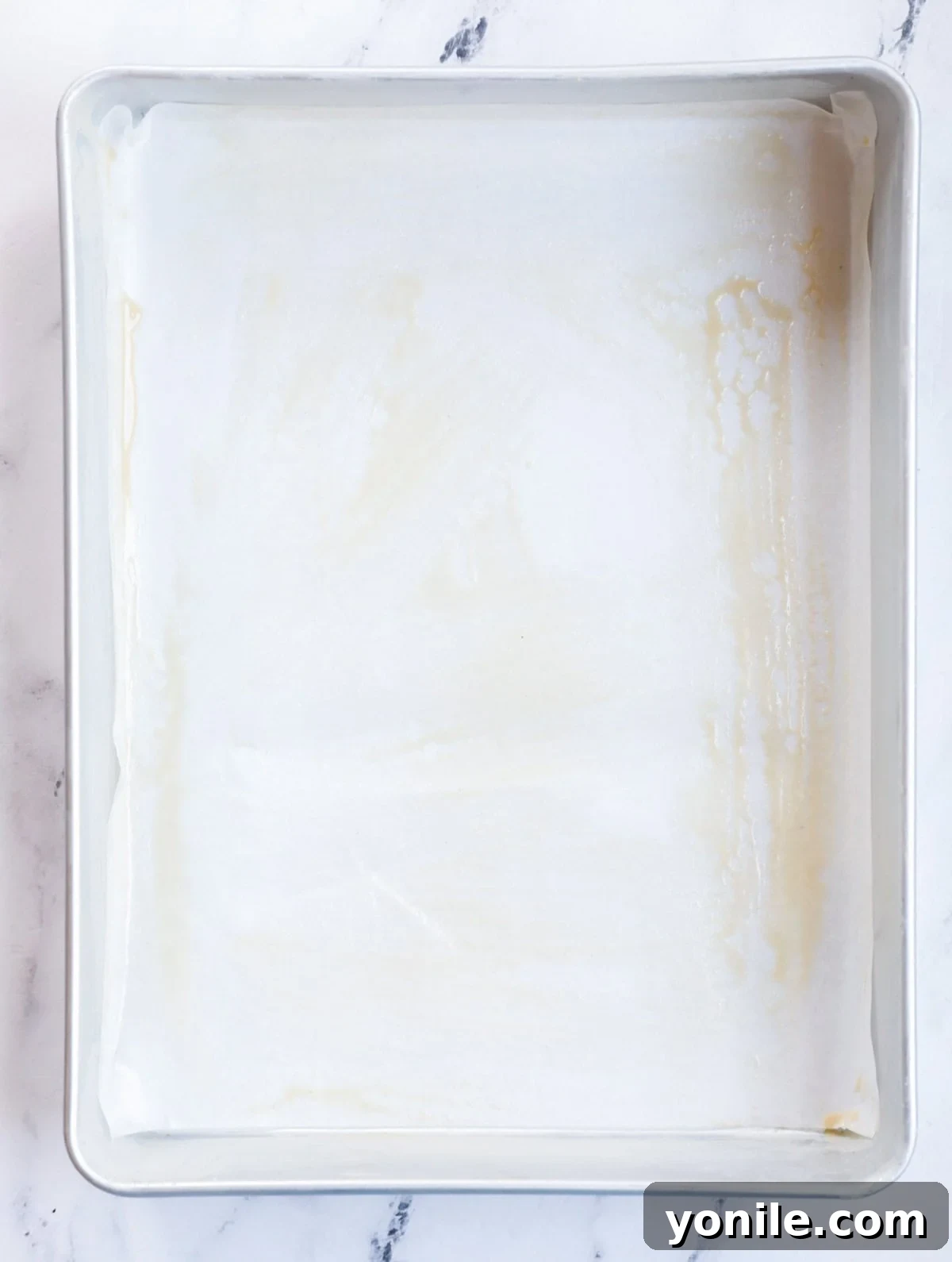
- Grease the Pan. Grease a 15 x 10 inch non-stick baking pan with tahini paste. For best results, line the bottom with parchment paper before greasing.
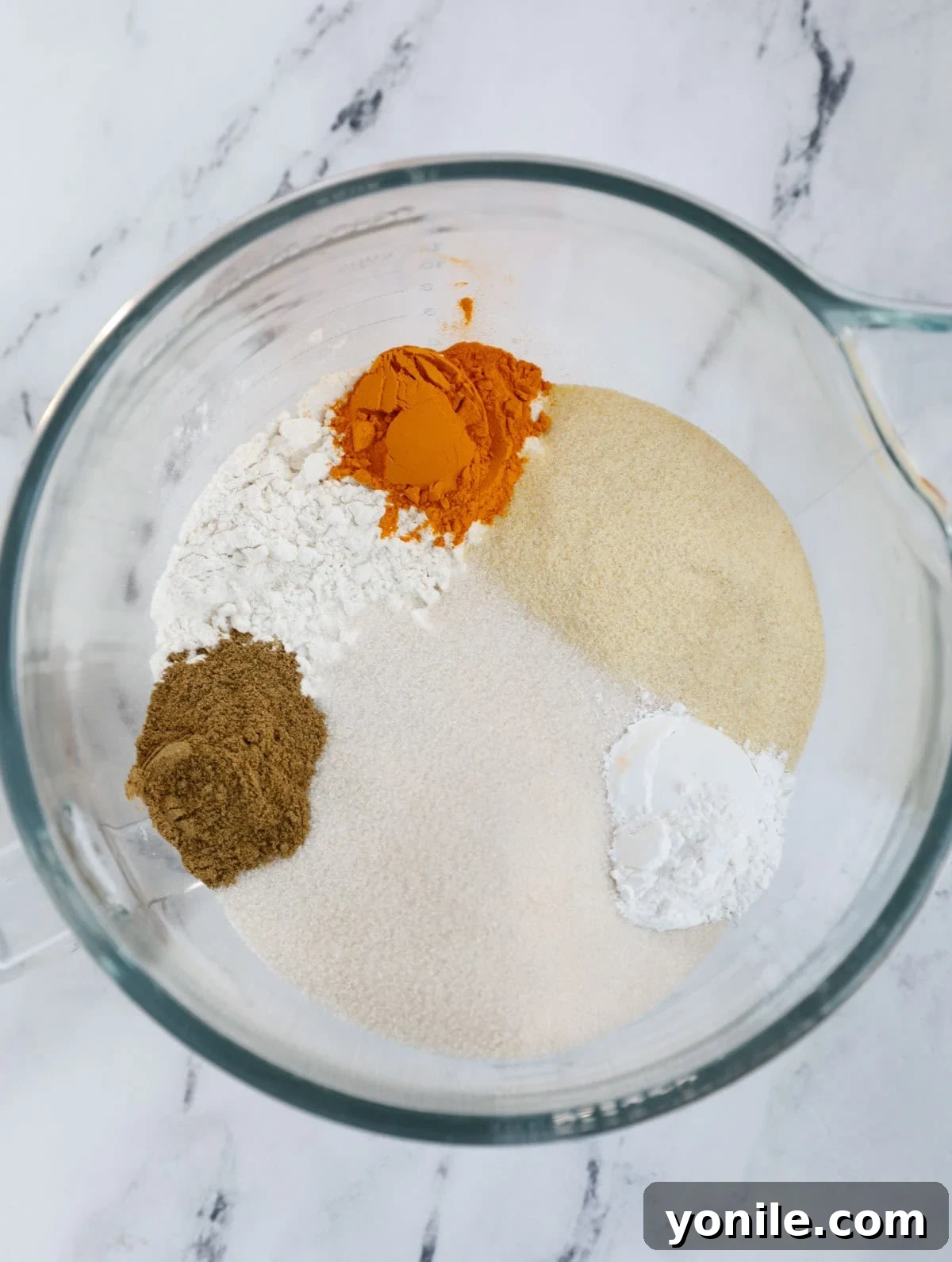
- Mix Dry Ingredients. In a large bowl, whisk together the semolina, flour, turmeric, anise powder, baking powder, and sugar until well combined.
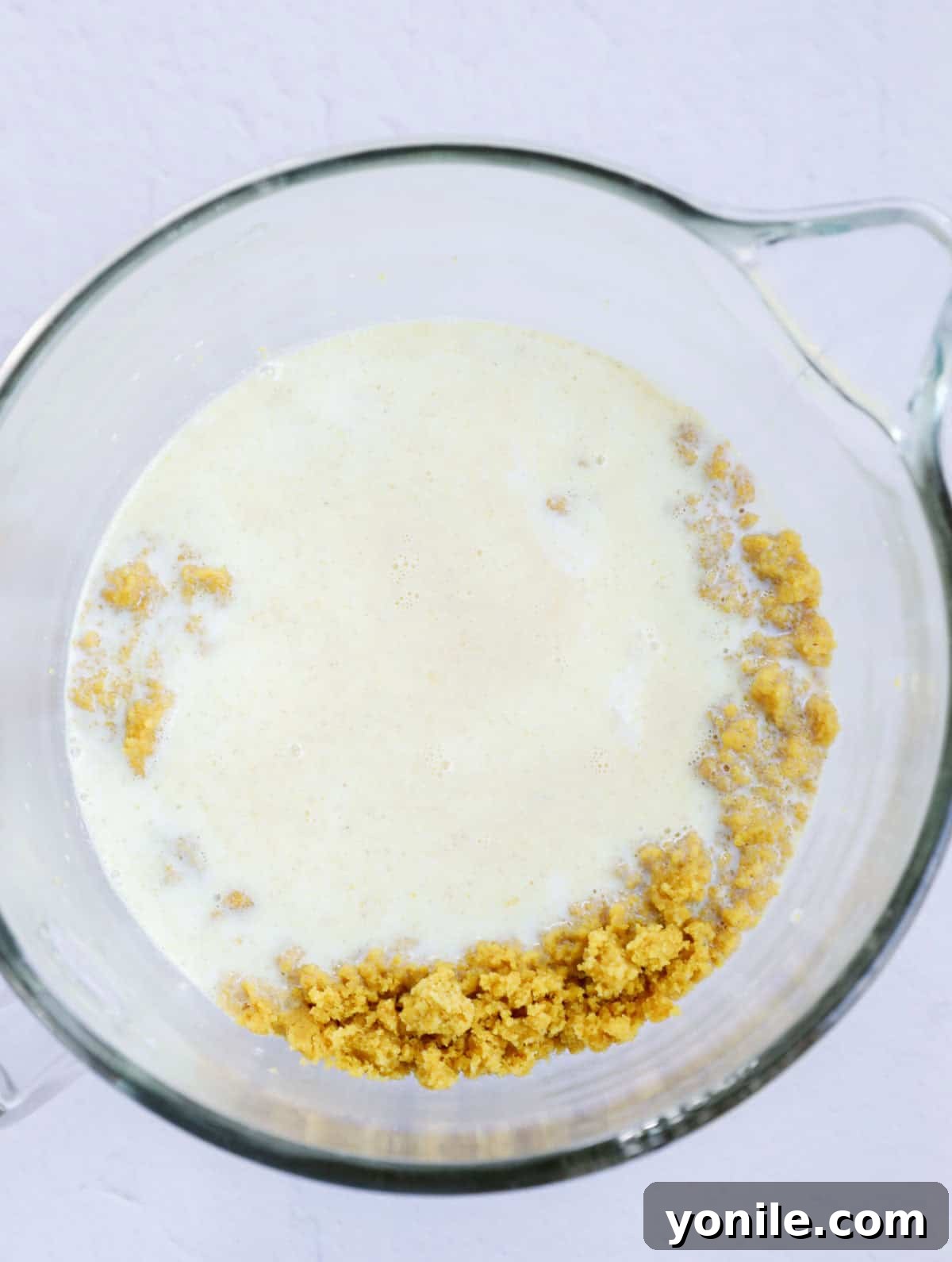
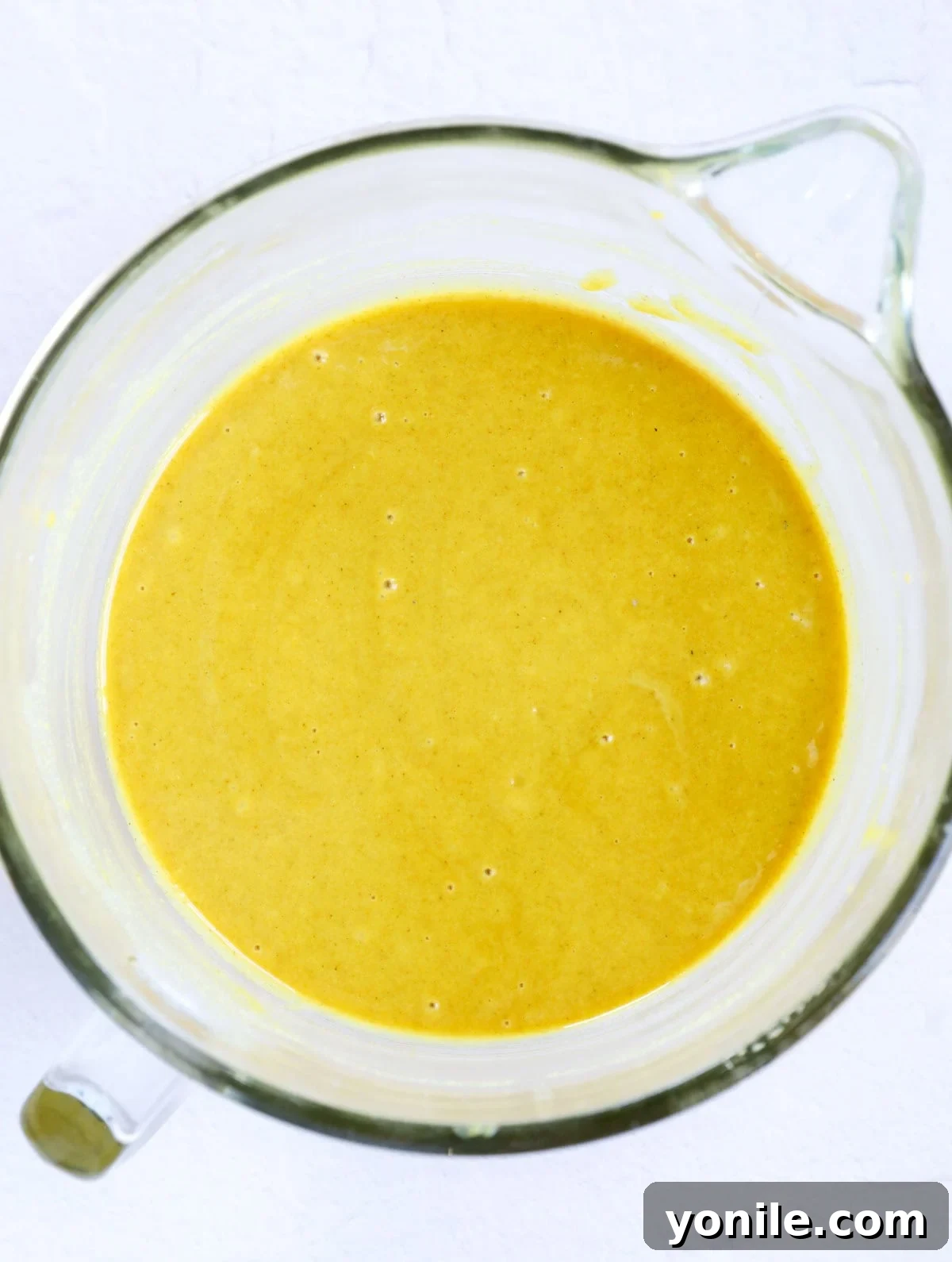
- Add Wet Ingredients. First, stir in the oil into the dry mixture until fully incorporated. Then, gradually add the warm milk and mix for about 1 minute until a smooth batter forms. Do not overmix.
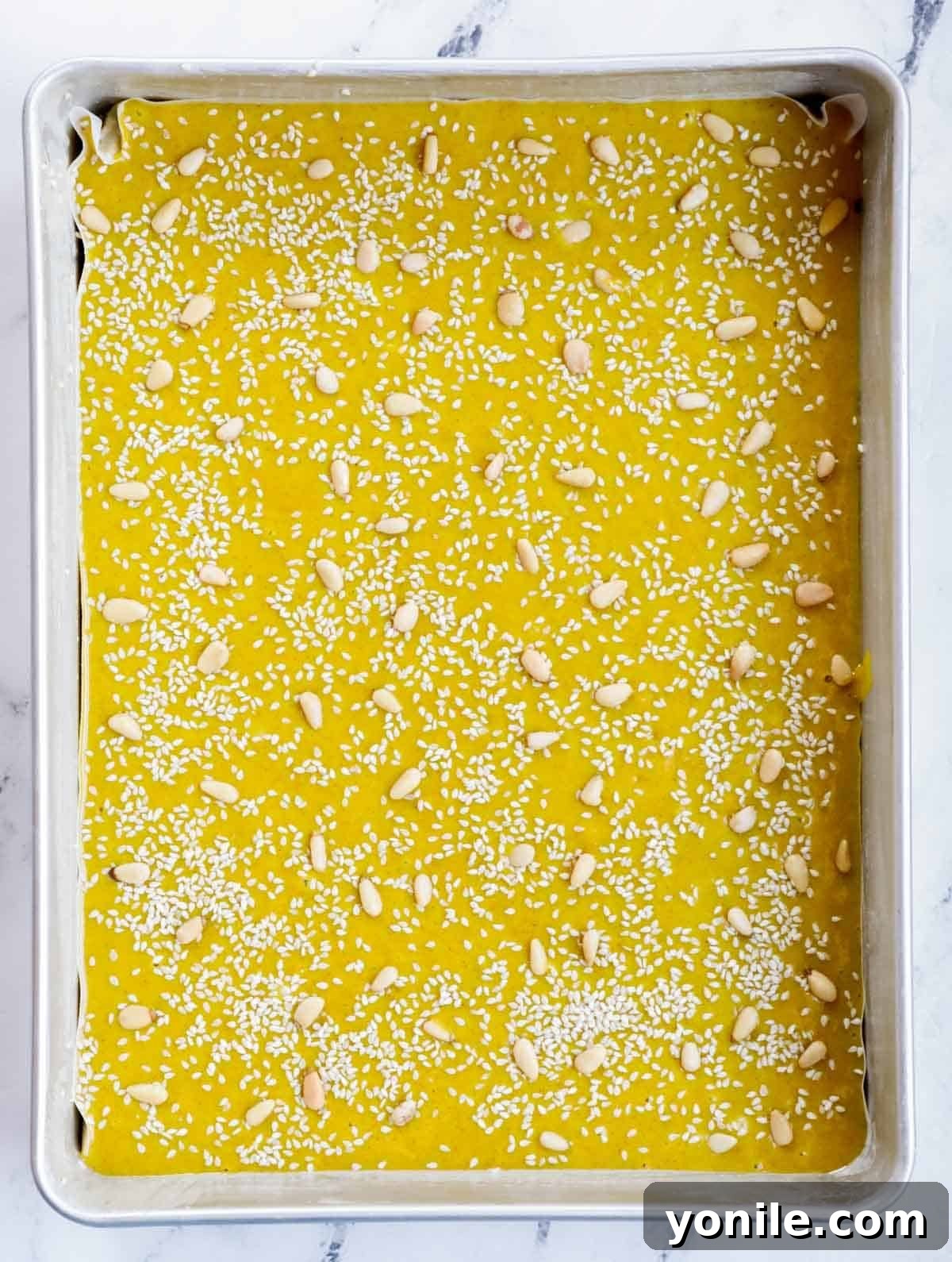
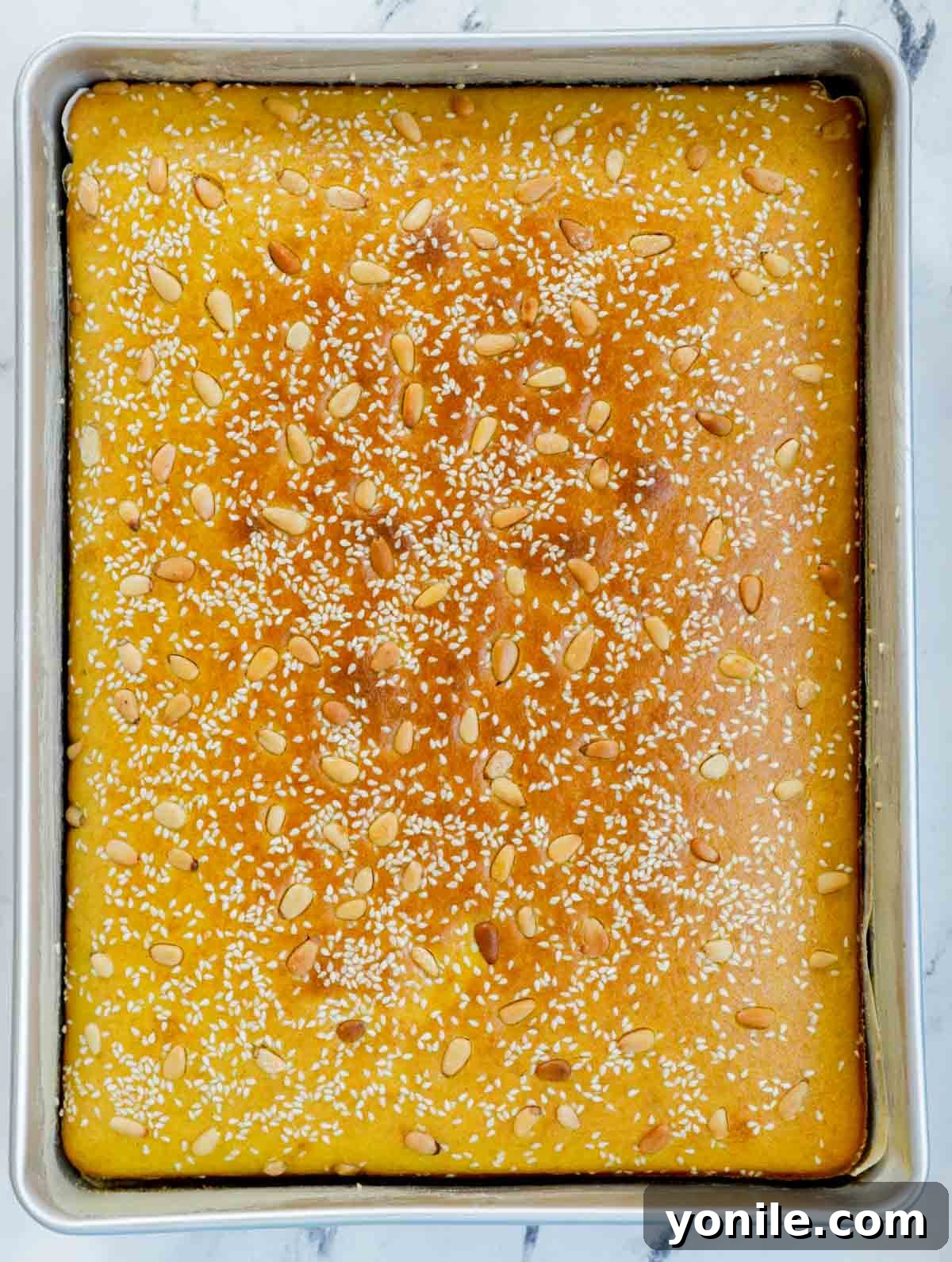
- Pour & Top. Pour the batter evenly into the prepared pan. Smooth the surface with a spatula and gently tap the pan on the counter to release any air bubbles. Sprinkle generously with pine nuts or sesame seeds.
- Bake the Cake. Bake for 30 minutes, or until the cake is golden brown and a toothpick inserted into the center comes out clean. Avoid overbaking. If the cake needs more color on top after baking, you can lightly broil it for 1 minute, but watch it very closely to prevent burning.
- Cool & Serve. Allow the cake to cool completely in the pan before slicing it into approximately 20 square portions. Cooling completely ensures the cake sets and is easy to cut.
Notes
- Don’t Overmix: Stir just until combined to avoid a dense cake.
- Grease with Tahini: It enhances the flavor and prevents sticking.
- Achieving desired color: If your cake is cooked on the inside but not as brown as desired on the outside, broil the top on low for 1-2 minutes until you achieve your desired color. Make sure you keep a very close eye on it if you do so.
- Let It Cool Completely: Sfouf firms up as it cools, making slicing easier and preventing it from crumbling.
- Store Sfouf in an airtight container at cool room temperature for up to 1 week to maintain its freshness and moisture.