
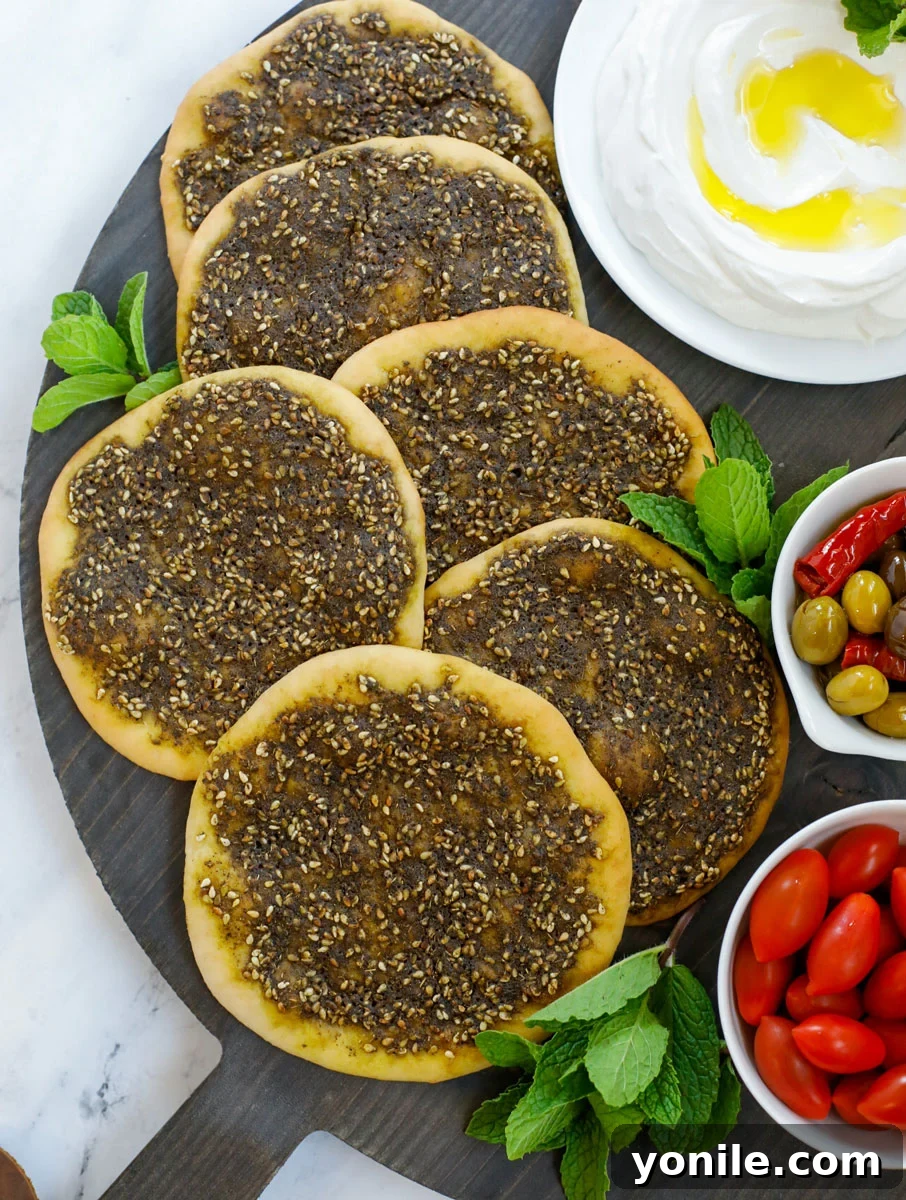
Authentic Manakeesh Zaatar: A Lebanese Culinary Journey
Embark on a delightful culinary adventure with Manakeesh Zaatar, a beloved savory flatbread that holds a special place in the heart of Middle Eastern cuisine. Known by various names such as manaeesh, mana’ish, or manaqish, this iconic dish transcends a simple breakfast item, representing warmth, tradition, and the vibrant flavors of the Levant. At its core, Manakeesh Zaatar features a fluffy, homemade dough generously topped with a fragrant za’atar spice blend, baked to golden perfection. It’s more than just food; it’s a taste of home for many, a staple found in every bakery and often prepared with love in family kitchens across Lebanon and beyond.
This culinary treasure is deeply rooted in the Levantine region, encompassing countries like Lebanon, Syria, Palestine, and Jordan. Its popularity is undeniable; no matter where you travel within these lands, the comforting aroma of freshly baked manakeesh will greet you from bustling street vendors and traditional bakeries alike. It’s a versatile food, commonly enjoyed for breakfast but equally satisfying as a light lunch, a quick snack, or even a casual dinner. The simple yet profound combination of rich dough and aromatic za’atar creates an experience that is both nourishing and deeply flavorful.
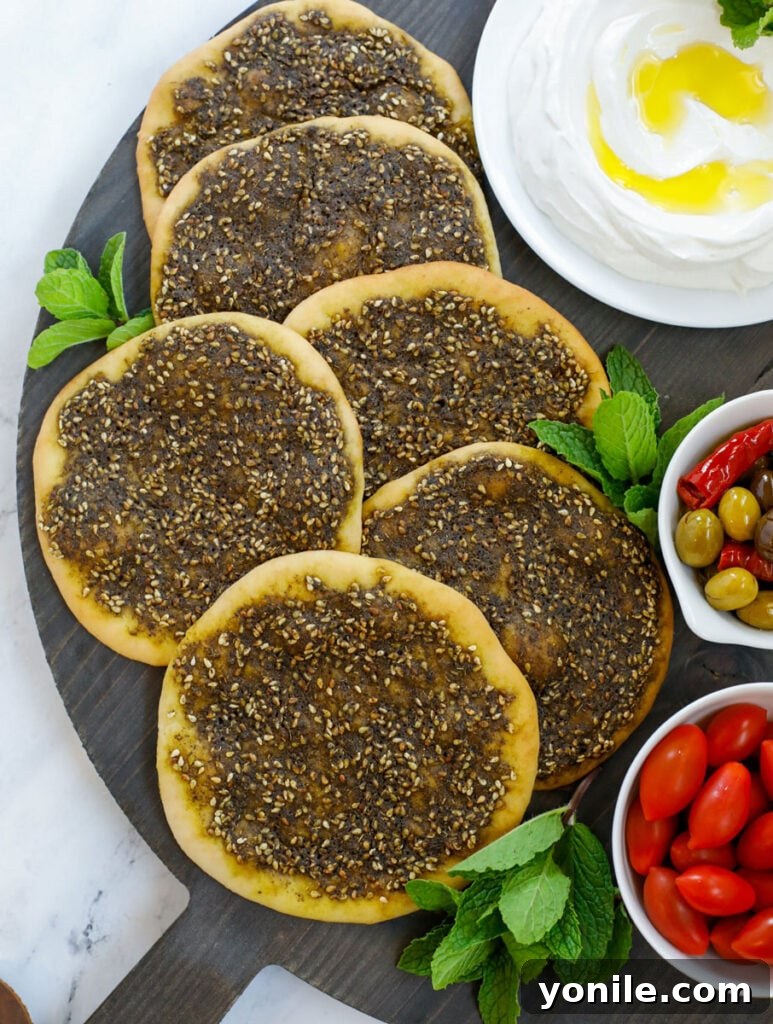
While the classic za’atar topping remains a favorite, many bakeries offer creative variations, catering to diverse palates. One popular choice is the “cocktail version,” a harmonious blend of tangy Akawi cheese and earthy za’atar, creating an irresistible savory profile. This combination offers a perfect balance of flavors and textures, making it another personal favorite. Growing up, our home always had an array of manakeesh variations, but my fondest school memories are inextricably linked to Zaatar Manakeesh paired with a refreshing can of Pepsi – a nostalgic combination that still hits the spot when I’m on the go. However, in the comfort of my home, I prefer to savor this delightful flatbread with a warm cup of tea and a generous spread of creamy Labneh, complementing its robust flavors with a cool, dairy tang.
Why This Homemade Zaatar Manakeesh Recipe Will Become Your Favorite
There are countless reasons why this Zaatar Manakeesh recipe stands out as a must-try for any home cook, whether you’re a seasoned baker or new to Middle Eastern cuisine. It’s designed to be approachable, delicious, and incredibly versatile, making it perfect for busy weekdays or leisurely weekend brunches.
- Remarkably Easy to Follow: This recipe simplifies the often-intimidating process of working with yeast dough. We utilize instant yeast, which means there’s no need for pre-activation, streamlining your preparation time. The instructions are straightforward, guiding you effortlessly from combining ingredients to spreading the aromatic za’atar mixture and baking. It’s an ideal recipe for achieving bakery-quality manakeesh in your own kitchen without complex steps.
- Exceptional Freezing and Storage Capabilities: One of the greatest advantages of this recipe is its make-ahead potential. Properly stored, your homemade manakeesh can remain fresh in the refrigerator for up to 10 days, providing a convenient option for quick breakfasts or snacks throughout the week. Even better, it freezes beautifully for several months, allowing you to batch cook and have a delicious, authentic Middle Eastern treat ready whenever cravings strike. Simply thaw and reheat for a fresh-baked experience.
- Crafted with Wholesome, Accessible Ingredients: Beyond the basic pantry staples required for the dough (flour, sugar, salt, yeast, oil, milk, and yogurt), the star of this recipe is the za’atar spice blend. This singular, powerful ingredient transforms simple flatbread into an explosion of Middle Eastern flavors. You likely have most of the dough ingredients on hand, making this a convenient recipe to whip up whenever you desire a taste of the Levant.
Unveiling Zaatar: The Soul of Middle Eastern Flavor
Za’atar (pronounced ZAH-tar) is not just a spice blend; it’s a cornerstone of Middle Eastern culinary tradition, embodying the region’s rich history and diverse flavors. This aromatic, earthy, and tangy mixture is predominantly made from dried wild thyme, sumac, toasted sesame seeds, and salt. While the core ingredients remain consistent, regional variations often exist, with some blends incorporating marjoram, oregano, or even a hint of cumin to achieve distinct flavor profiles. The Lebanese version, in particular, is celebrated for its bright, herbaceous notes, balanced by the tartness of sumac and the nutty warmth of sesame.
For generations, families have cherished their unique za’atar blends, often passed down through recipes or carefully sourced from local artisans. My mother-in-law, for instance, diligently prepares a fresh batch for us every time we visit Lebanon, ensuring we can bring that authentic taste back home. This personal connection highlights the profound cultural significance of za’atar, which is often considered a symbol of hospitality and regional identity.
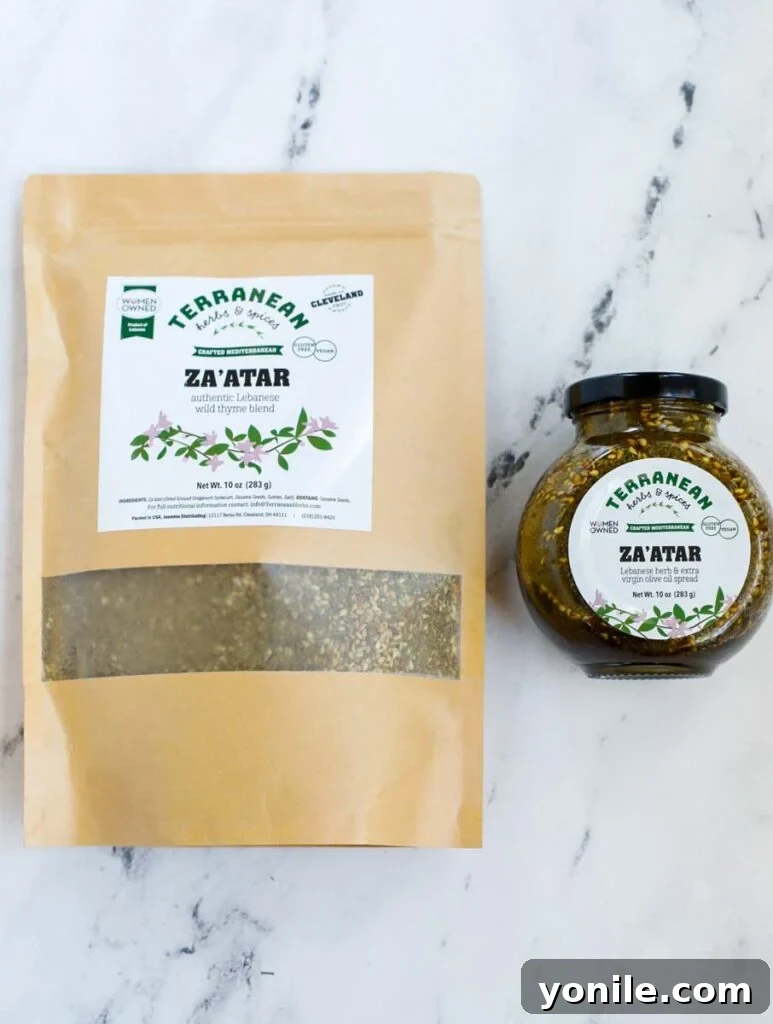
While store-bought za’atar is widely available, finding a blend that truly captures the authentic essence can be a quest. I often find that commercial versions don’t quite match the complexity and freshness I prefer. However, I’ve recently discovered two outstanding sources that import their za’atar directly from Lebanon: Albustan Foods and Terranean Herbs and Spices. Both offer exceptional quality, bringing the true, vibrant taste of Lebanese za’atar right to your kitchen, making it easier than ever to recreate the authentic flavors of this beloved dish.
What Exactly is Manakeesh? A World of Toppings on a Perfect Flatbread
Manakeesh is a versatile and delectable Middle Eastern flatbread, celebrated for its tender, airy texture and a diverse array of flavorful toppings. Essentially, it’s a canvas for culinary creativity, offering an endless possibility of savory combinations. The foundational element is a perfectly prepared dough, which, in this recipe, leverages my reliable pizza dough recipe – a testament to its adaptability and consistent results across various baked goods. This particular dough ensures a light yet satisfying base that holds up beautifully to all kinds of toppings.
While Zaatar Manakeesh is undeniably iconic, the world of manakeesh extends far beyond this classic. Some of my absolute favorite varieties include:
- Akawi Cheese Manakeesh: A simple yet incredibly satisfying option featuring melted Akawi cheese, known for its mild, salty flavor and stretchy texture.
- Meat Manakeesh (Lahm bi Ajeen): Often referred to as “meat pies,” these are topped with a savory mixture of finely minced lamb or beef, tomatoes, onions, and various spices, creating a hearty and flavorful experience.
- Cocktail Manakeesh: The best of both worlds, combining the robust tang of za’atar with the creamy saltiness of Akawi cheese, offering a delightful balance for those who enjoy both.
- Keshek Manakeesh: A more acquired taste, topped with keshek, a fermented and dried mixture of bulgur and yogurt, which provides a distinctively tangy and rich flavor.
- Tomato and Onion Manakeesh: A fresh and zesty option, featuring finely diced tomatoes and onions, often seasoned with a hint of sumac and olive oil.
Each variety offers a unique sensory experience, making manakeesh a dish that can be enjoyed any time of day. While traditionally considered a breakfast item, its versatility means it’s perfectly acceptable, and indeed encouraged, to savor it for lunch, dinner, or as a satisfying snack. There’s truly no wrong time to indulge in the warm, inviting flavors of manakeesh.
The authentic method for baking manakeesh often involves a traditional wood-fired brick oven, which imparts a distinctive smoky flavor and a perfectly crisp crust while keeping the interior wonderfully soft. The high heat of these ovens creates that signature bubbly texture and slightly charred edges that are so sought after. However, for homemade manakeesh, a conventional oven performs admirably, producing delicious results that capture the essence of this beloved flatbread. While a home oven might not replicate the exact wood-fired char, careful attention to temperature and baking time will still yield an incredibly satisfying and authentic taste.
Crafting Homemade Zaatar Manakeesh: A Step-by-Step Guide
Making Zaatar Manakeesh from scratch is a rewarding process that fills your home with an irresistible aroma. This guide breaks down the preparation into manageable steps, ensuring a delicious outcome every time.
What you’ll need:
- A batch of homemade dough (recipe detailed below)
- Your favorite Zaatar and olive oil mix
- A sturdy rolling pin
Homemade Manakeesh Dough: The Foundation of Flavor
The secret to incredible manakeesh lies in its light, airy, and pliable dough. This recipe delivers a dough that is both easy to work with and yields a wonderfully soft flatbread. Remember, while instant yeast is used and doesn’t require activation, allowing proper rising time is key to its perfect texture.
Ingredients: All-purpose Flour, Instant Yeast, Canola or Vegetable Oil, Whole Milk, Granulated Sugar, Salt, and Whole Fat Yogurt.
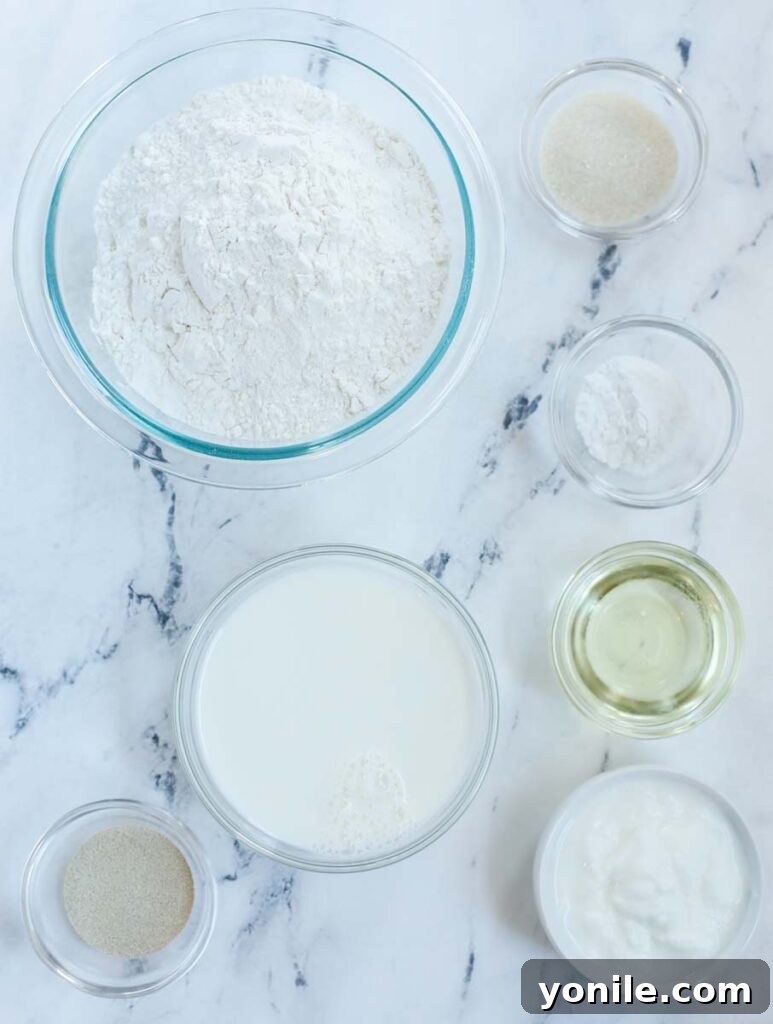
- Mixing the Ingredients: Begin by combining all your dry ingredients – flour, sugar, salt, baking powder, and instant yeast – in a large mixing bowl. In a separate bowl, whisk together the wet ingredients: lukewarm whole milk, vegetable or canola oil, and whole fat yogurt. Once both mixtures are ready, gradually incorporate the wet ingredients into the dry. Using an electric stand mixer fitted with a dough hook, mix on low speed for 3-4 minutes until the dough comes together and is well combined. The mixture should be cohesive but still slightly sticky.
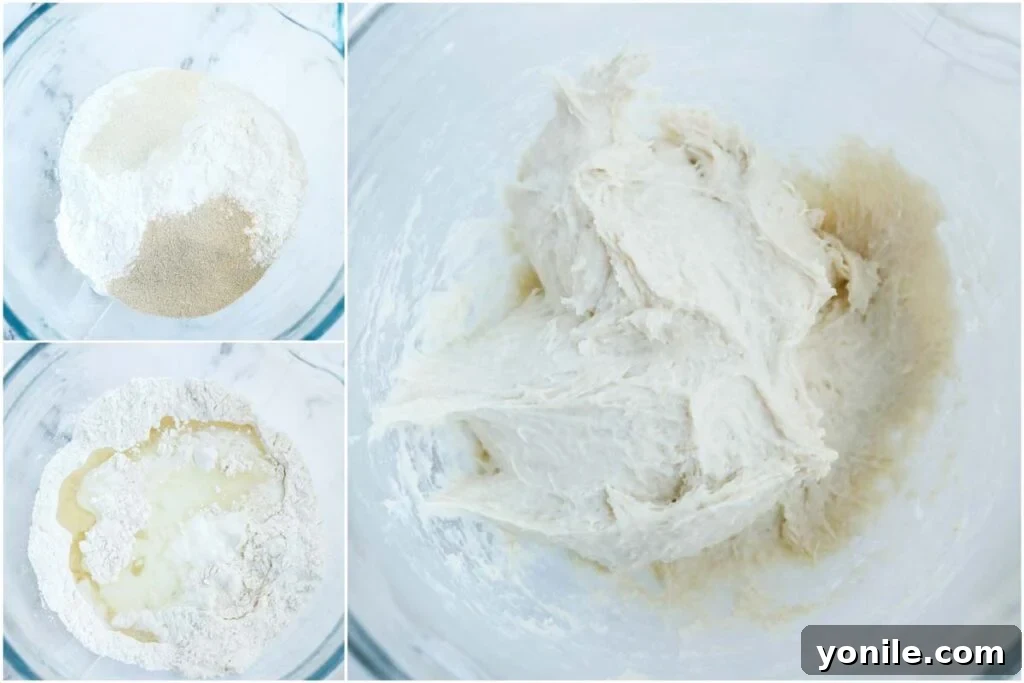
- Kneading for Perfection: Lightly dust a clean cutting board or work surface with flour. Transfer the dough from the mixer onto this surface. Spend a minute or two kneading the dough by hand, gently folding and pressing it to develop its gluten and achieve a smooth, elastic texture. Form the kneaded dough into a neat ball. Lightly spray the mixing bowl with a little oil, return the dough ball to the bowl, ensuring it’s coated to prevent sticking.
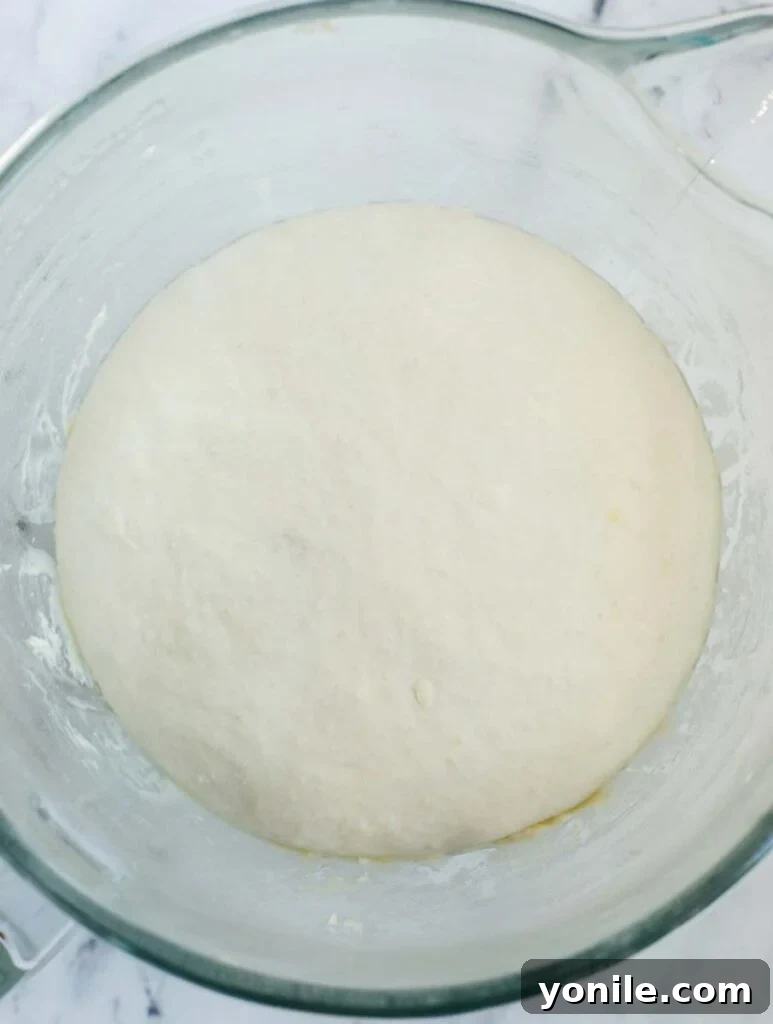
- First Rise: Cover the bowl tightly with plastic wrap or a clean kitchen towel. Place it in a warm, draft-free spot and allow the dough to rest and rise for approximately 1 hour, or until it has visibly doubled in size. This crucial step allows the yeast to work its magic, creating the fluffy texture characteristic of manakeesh.
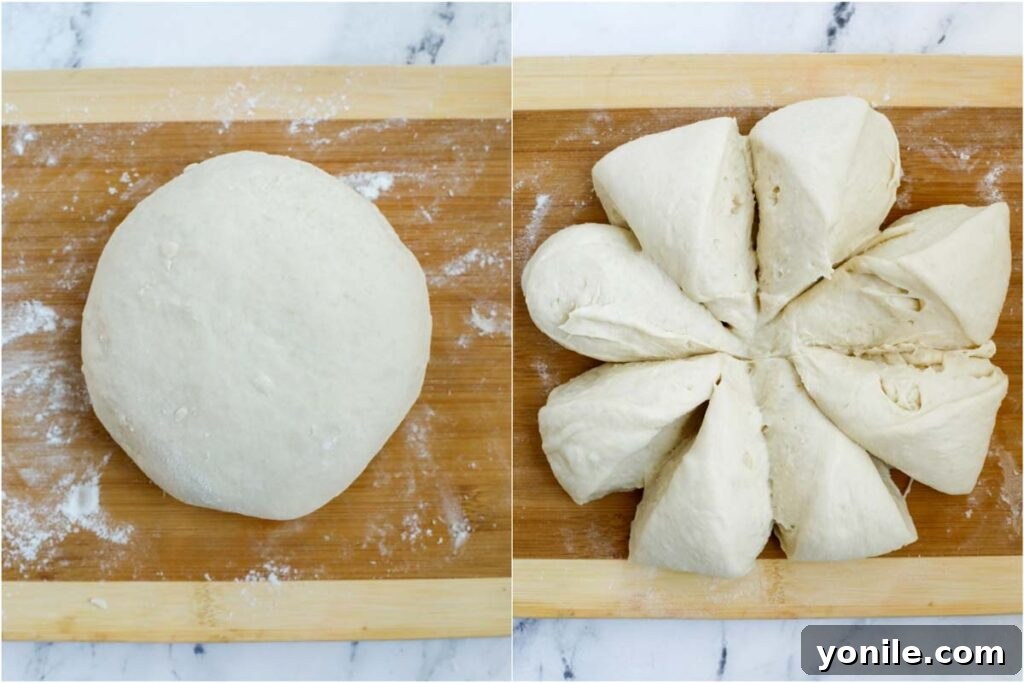
- Portioning the Dough: Once the dough has risen, gently punch it down to release the air. Transfer it back to your lightly floured cutting board. Knead it briefly again to reshape it into a smooth ball. Now, using a sharp knife or dough cutter, divide the dough into 8 equal parts. Then, take each of these 8 parts and divide it again, yielding a total of 16 portions. This size is ideal for individual manakeesh, but you can adjust the portion size to create larger or smaller flatbreads according to your preference.
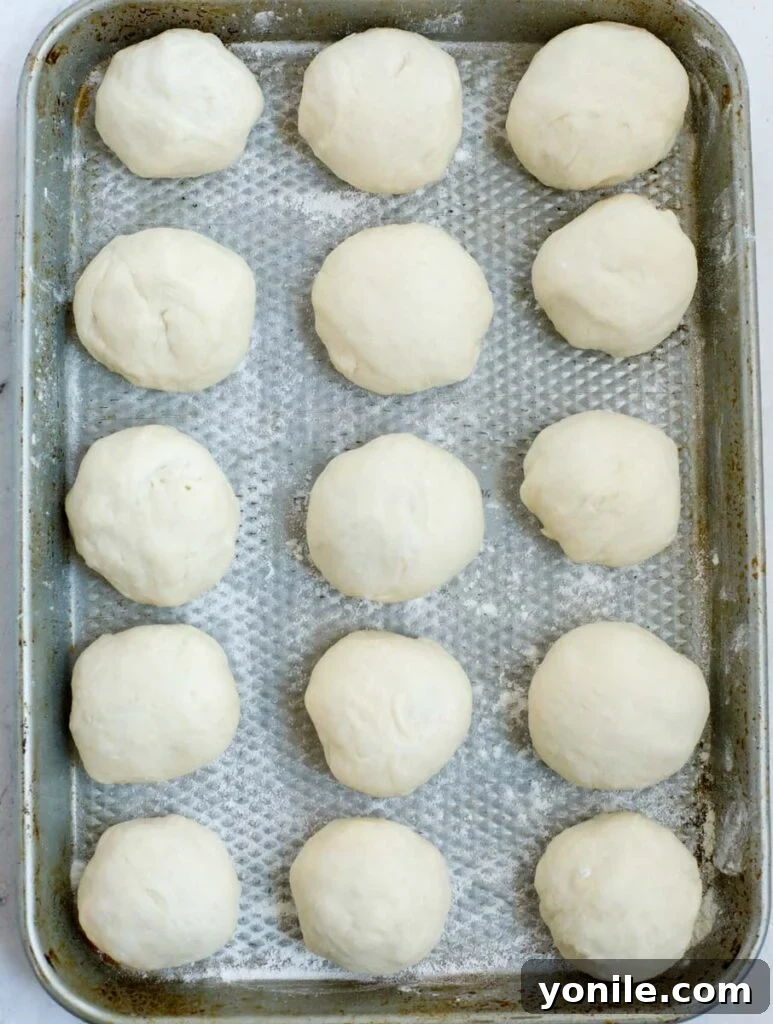
- Final Rise: Roll each of the 16 portions into a smooth, small ball. Arrange these dough balls on a baking sheet lined with parchment paper, leaving some space between each. Cover them loosely with a kitchen towel or plastic wrap and let them rest for a final 10 minutes. This short rest allows the gluten to relax, making the dough easier to roll out, and gives the yeast one last boost before baking, contributing to the ultimate fluffiness of your manakeesh.
Assemble and Bake: Bringing Manakeesh to Life
With your dough perfectly prepared and rested, it’s time for the exciting part: assembling and baking your aromatic Zaatar Manakeesh. This stage is quick and ensures you’ll be enjoying fresh, warm flatbread in no time.
- Preheat Your Oven: Start by preheating your oven to a high temperature of 425°F (220°C). A hot oven is essential for achieving the classic puffy, slightly crisp crust and soft interior of manakeesh.
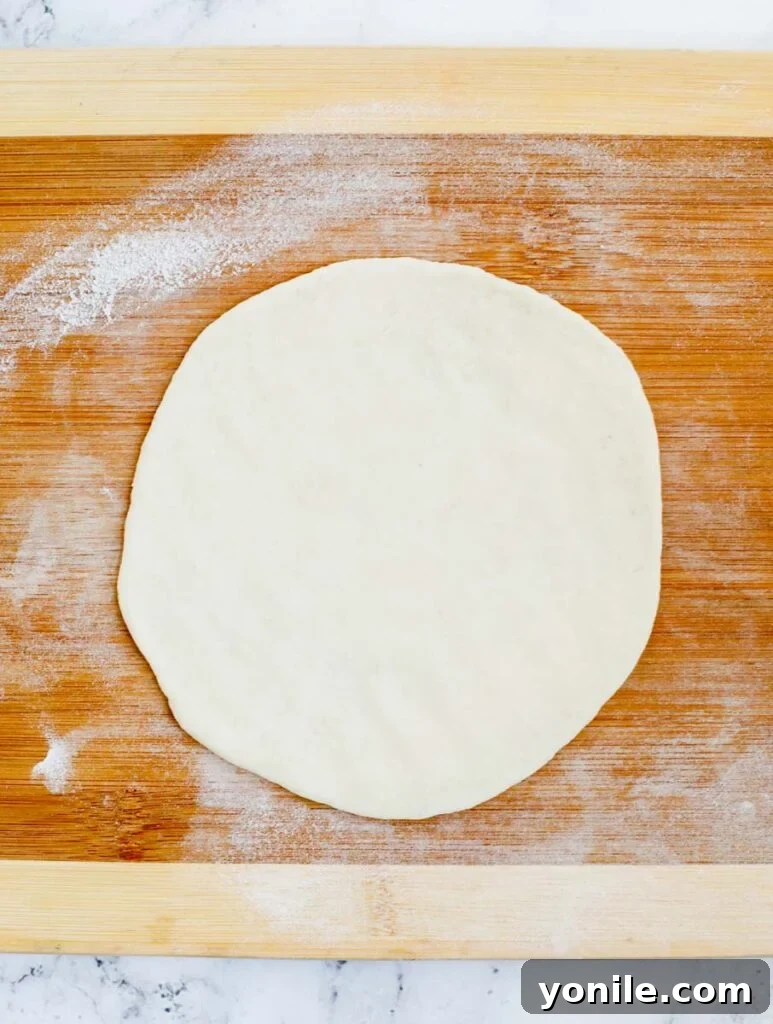
- Roll Out the Dough: Lightly flour your work surface once more. Take one dough ball and, using a rolling pin, roll it out into a round flatbread, approximately 4 inches in diameter. The shape doesn’t need to be perfectly circular; a rustic look adds to its charm. Crucially, avoid rolling the dough too thin, as this will compromise its fluffy texture. Aim for a thickness that allows it to puff up beautifully in the oven. Transfer the rolled dough onto a lined baking sheet or a non-stick baking pan. Repeat this process for the remaining dough balls.
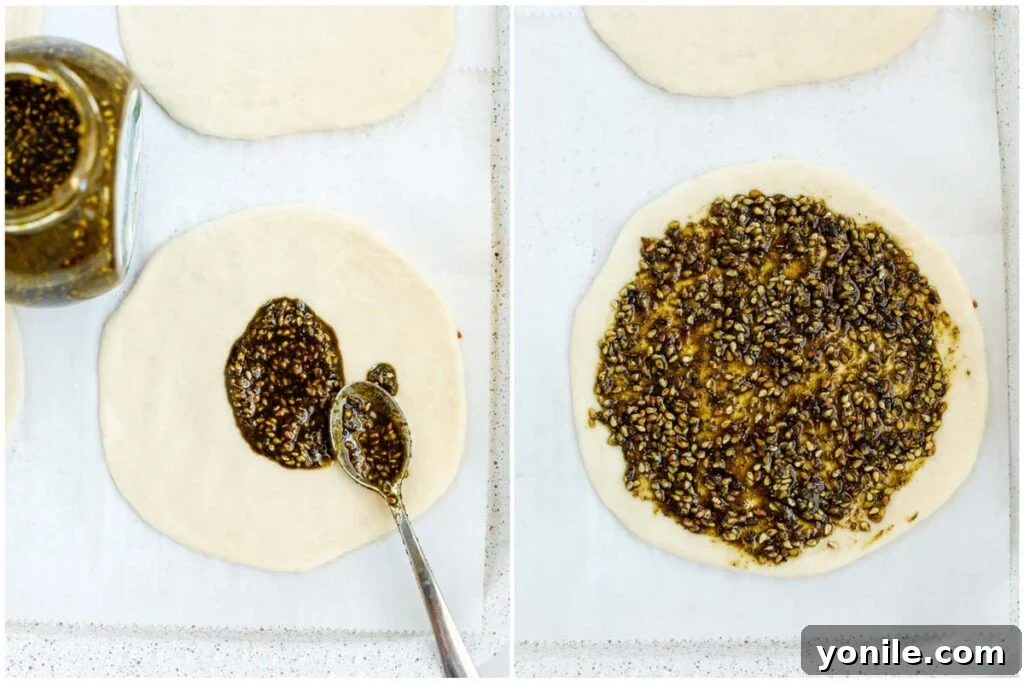
- Top with Zaatar Spread: In a small bowl, combine your dry za’atar spice blend with olive oil. Mix until you achieve a spreadable consistency – it should be thick enough to cling to the dough but still easy to spread. Using a spoon or a small spatula, generously spread 1 to 1½ tablespoons of this aromatic za’atar mixture evenly over the surface of each rolled-out dough circle, leaving a small border around the edge. The olive oil helps infuse the za’atar flavor deeply into the dough as it bakes.
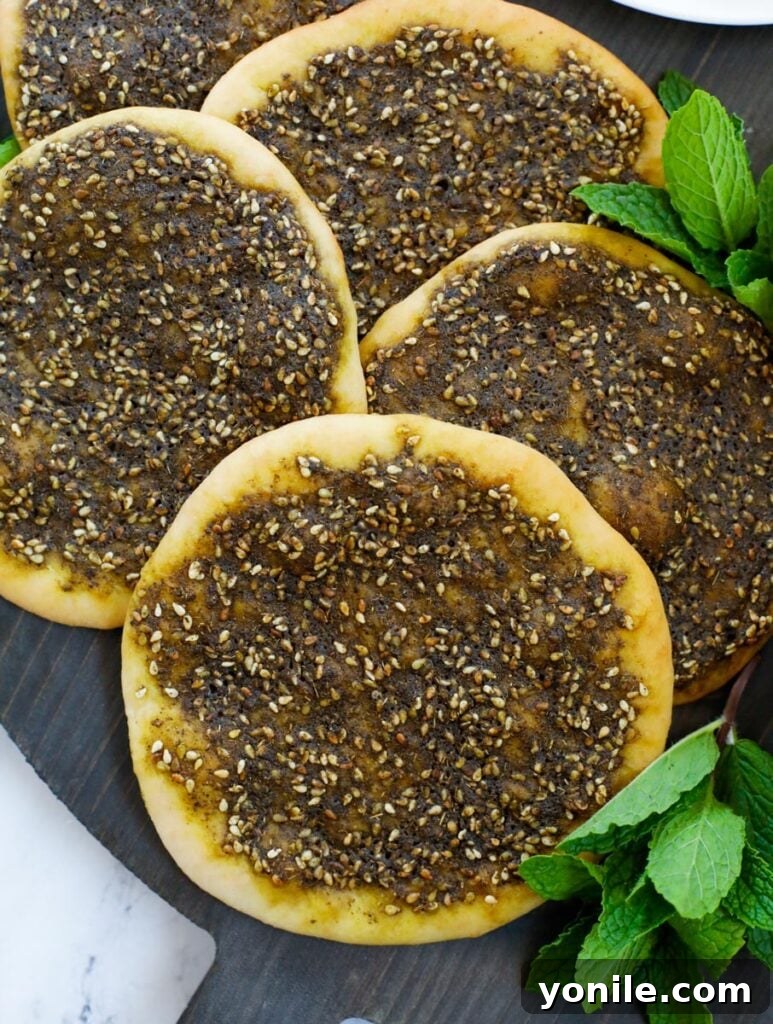
- Bake to Golden Perfection: Place the baking sheets in the preheated oven, ideally on the middle rack. Bake for approximately 12-15 minutes, or until the edges of the manakeesh are lightly golden brown and the dough has puffed up beautifully. Keep a close eye on them, as baking times can vary between ovens. The goal is a soft, fluffy flatbread with a slightly crisp exterior, not a crunchy cracker.
Essential Recipe Tips for Perfect Manakeesh
- For Freezing Ahead: If you plan to freeze a batch of Manakeesh for later enjoyment, it’s advisable to slightly undercook them by a couple of minutes during the initial bake. This ensures they don’t become overly dry or tough when reheated. When you’re ready to serve, simply thaw them and bake in a preheated 350°F (175°C) oven for about 10 minutes, or until warmed through and the edges are perfectly golden.
- Avoid Over-Baking: The key to delectable Manakeesh is a soft, fluffy texture. Over-baking will lead to a hard, crunchy flatbread, losing its characteristic tenderness. Keep a vigilant eye on them in the oven; once the edges turn a light golden brown, they are done. A slight softness in the center is desirable, as it will firm up slightly upon cooling.
- Optimal Storage for Freshness: To preserve the freshness and flavor of your leftover Manakeesh, allow them to cool completely before storing. Place them in a good quality zip-lock bag or an airtight container. Stored properly in the refrigerator, they will maintain their deliciousness for up to 10 days. For longer storage, refer to the freezing tips above.
The Perfect Companions: What to Serve with Zaatar Manakeesh
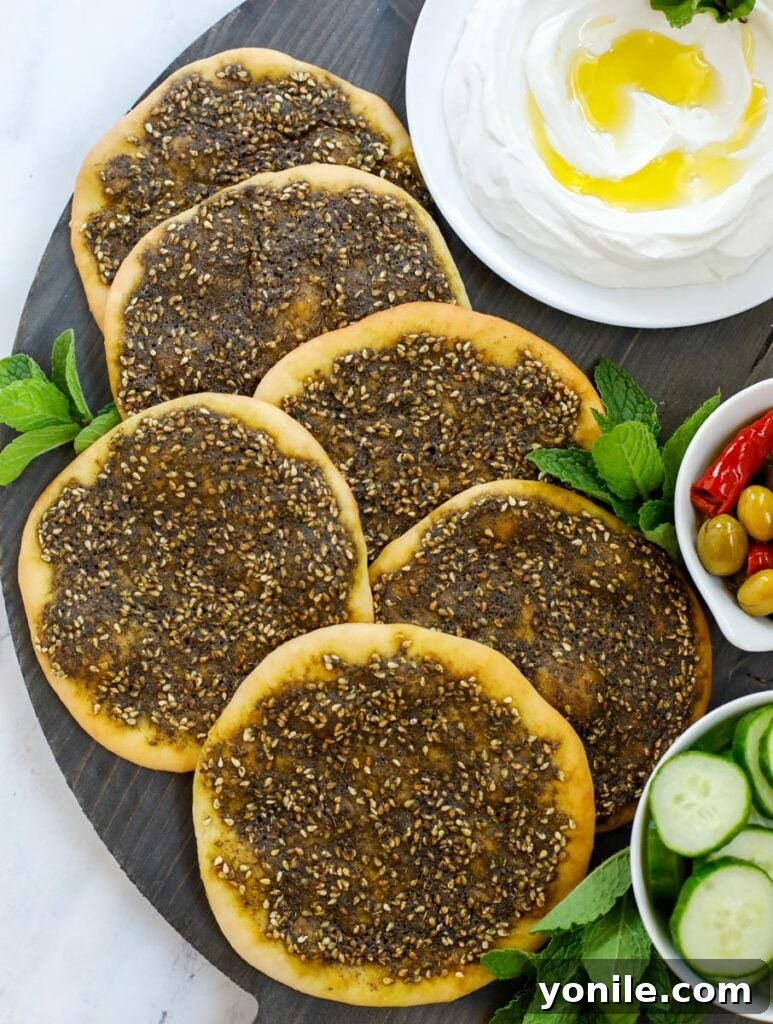
Zaatar Manakeesh is a versatile flatbread that shines brightest when paired with a selection of fresh accompaniments, transforming a simple meal into a vibrant feast. The traditional way to enjoy this aromatic pastry is alongside a spread of creamy Labneh, a thick and tangy strained yogurt that provides a delightful counterpoint to the earthy za’atar. Imagine spreading a cool dollop of labneh onto a warm piece of manakeesh – the interplay of textures and flavors is simply divine.
To further enhance the experience, a colorful array of fresh vegetables is often served, including crisp cucumber slices, juicy tomato wedges, and fragrant mint leaves. These additions bring a refreshing crunch and a burst of freshness that cleanse the palate. Briny olives, whether green or black, are another classic pairing, adding a salty kick that complements the za’atar beautifully. For those who enjoy dairy, a side of mild white cheese, like Akawi or Nabulsi, can also be a wonderful addition, offering a subtle richness.
No traditional Middle Eastern breakfast is complete without a warm cup of black tea, often sweetened, which provides a comforting warmth and helps cut through the richness of the flatbread. The entire combination – warm manakeesh, creamy labneh, fresh vegetables, olives, and hot tea – creates a harmonious and deeply satisfying plate that truly embodies the communal spirit of Levantine dining. It’s a resounding “yes, please!” for anyone seeking an authentic and delicious meal.
And yes, as a nostalgic nod to my childhood, I still occasionally enjoy Zaatar Manakeesh with a can of Pepsi when I’m out and about. It might not be traditional, but the fizzy sweetness offers a surprisingly fun contrast to the savory flatbread, proving that sometimes, the best combinations are the ones that bring back cherished memories.
Can you freeze leftover Manakeesh Zaatar?
Absolutely! Manakeesh Zaatar freezes exceptionally well, making it a fantastic dish for meal prepping. After baking, allow the manakeesh to cool completely to prevent ice crystals from forming. Once cooled, place them in a heavy-duty freezer bag or an airtight container, ensuring as much air as possible is removed to prevent freezer burn. They can be stored in the freezer for 1-2 months while maintaining their best quality. When you’re ready to enjoy, simply remove them from the freezer, allow them to thaw at room temperature for a bit, then reheat them in a preheated 350°F (175°C) oven for 5-7 minutes. This gentle reheating method helps restore their soft texture and warm aroma. For those truly in a hurry, a quick 30-second zap in the microwave can also work, though oven reheating is preferred for optimal texture.
Where did Manakeesh originate?
Manakeesh is a quintessential dish with deep roots in the Levantine region of the Middle East. Its origins are widely attributed to the areas that now encompass Lebanon, Syria, Palestine, Jordan, and also extending to parts of Egypt. This savory flatbread has been a staple in these cultures for centuries, evolving over time but always remaining a beloved part of their culinary heritage. It’s a testament to the shared traditions and flavors that define this rich cultural landscape.
Is Zaatar manakeesh vegetarian?
Yes, traditional Zaatar Manakeesh is inherently vegetarian. The primary topping consists of the za’atar spice blend (dried wild thyme, sumac, sesame seeds, salt) mixed with olive oil. The dough itself is made from flour, water (or milk), yeast, sugar, salt, and often a touch of yogurt and oil, all of which are plant-based or dairy ingredients. As long as no meat-based ingredients are added to the dough or topping, Zaatar Manakeesh remains a delicious and satisfying vegetarian option, perfect for those following a plant-based diet or simply looking for a meat-free meal.
What is Man’oushe?
The term “Man’oushe” (pronounced man-OO-sheh) is frequently used in Lebanon as the singular form when referring to “Manakeesh.” While “Manakeesh” is plural, referring to multiple flatbreads, “Man’oushe” denotes a single flatbread. So, if you order a single za’atar flatbread at a Lebanese bakery, you might ask for a “Za’atar Man’oushe.” This linguistic nuance highlights the deep cultural integration of this food into daily Lebanese life and conversation.
More Lebanese Recipes to Try: Expand Your Culinary Horizons
If you’ve enjoyed the journey of making Zaatar Manakeesh and are eager to explore more of the rich and diverse flavors of Lebanese cuisine, here are some other fantastic recipes that promise to delight your taste buds:
- Lebanese Spinach Pies (Fatayer Sabanekh): Delicious savory pastries filled with a tangy spinach and sumac mixture.
- Lebanese Rice Pudding (Riz bi Haleeb): A creamy, aromatic dessert, typically flavored with rosewater or orange blossom water.
- Lebanese Nights Dessert (Layali Lubnan): A light and refreshing semolina pudding topped with clotted cream (ashta) and pistachios.
- Maamoul Date Cookies: Traditional shortbread cookies, often shaped in decorative molds and filled with sweet date paste, perfect for holidays.
I sincerely hope you find joy in preparing and savoring all the recipes I share, especially this wonderful Zaatar Manakeesh. There’s immense satisfaction in bringing authentic Middle Eastern flavors into your home kitchen. I encourage you to try this recipe, enjoy every fluffy bite, and perhaps even rate it and share your delicious creations with your friends and family!
If you embark on this culinary adventure and love the results, please consider leaving a star rating and a comment below to share your experience. Don’t forget to use my hashtag on INSTAGRAM so I can see your beautiful recreations! You can also stay connected with Cookin’ With Mima by following me on FACEBOOK, INSTAGRAM, and PINTEREST for all my latest recipes, cooking tips, and social updates.
Manakeesh Zaatar Recipe
By: Mariam Ezzeddine
Manakeesh Zaatar is a famous savory flatbread breakfast pastry known in Lebanon. It’s basically a delicious fluffy homemade dough topped with a zaatar spread.
Prep Time: 40 minutes
Cook Time: 15 minutes
Resting Time: 1 hour 10 minutes (1 hour for first rise, 10 mins for final rise)
Total Time: 1 hour 55 minutes
Yields: 16 servings
Equipment
- Rolling pin
- Electric stand mixer (optional, but recommended for dough)
- Large mixing bowls
- Baking sheets
Ingredients
- 1¼ cup dry Zaatar spice blend
- ¾ cup olive oil (adjust for desired consistency)
- Flour for dusting and rolling
For The Dough
- 3 cups All-purpose flour, sifted
- 1½ tbsp. granulated sugar
- ¼ tsp. salt
- 2 tbsps. instant yeast
- ¾ tbsp. baking powder
- 3 tbsps. canola or vegetable oil
- ½ cup whole fat yogurt
- 1 cup whole milk, lukewarm
- Oil spray for bowl
Instructions
The Dough
- In a large mixing bowl, combine all dry ingredients: sifted all-purpose flour, sugar, salt, instant yeast, and baking powder. In a separate bowl, whisk together the wet ingredients: lukewarm whole milk, canola or vegetable oil, and whole fat yogurt.
- Gradually add the wet mixture to the dry ingredients. Using an electric stand mixer fitted with a dough hook, mix on low speed for 2-4 minutes until the ingredients are well combined and a soft dough forms.
- Transfer the dough from the bowl to a lightly floured cutting board or work surface. Knead the dough gently by hand for a minute or two, shaping it into a smooth ball. Lightly spray the mixing bowl with oil, then return the dough ball to the bowl, ensuring it’s lightly coated.
- Cover the bowl with plastic wrap or a clean kitchen towel and let the dough rest in a warm, draft-free place for 1 hour, or until it has doubled in size. This crucial step allows the yeast to activate fully and develop the dough’s texture.
- Once risen, gently punch down the dough to release the air. Transfer it back to your floured cutting board and knead briefly to reshape it into a ball.
- Divide the dough evenly into 16 pieces. A simple way to do this is to cut the round dough into 8 equal triangles, then divide each triangle into two portions. You can adjust the size if you prefer larger or smaller Manakeesh.
- Roll each dough portion into a small, smooth ball. Place these balls on a sheet pan, cover them with a kitchen towel or plastic wrap, and let them rest for a final 10 minutes. This allows for a final short rise and makes the dough easier to roll.
Assembly and Baking
- Preheat your oven to 425°F (220°C).
- In a small bowl, mix the dry za’atar spice blend with olive oil until you achieve a smooth, spreadable consistency. Adjust the amount of olive oil as needed.
- Lightly dust your cutting board with flour. Take one dough ball and use a rolling pin to roll it out into a round flatbread, approximately 4 inches wide. It doesn’t need to be perfectly round. Be careful not to roll it too thin, as this will prevent it from achieving its desired fluffiness. Place the rolled dough onto a lined baking sheet or non-stick baking pan. Repeat for all dough portions.
- Spread 1-1½ tablespoons of the za’atar mixture evenly onto the surface of each rolled dough circle, leaving a small border around the edges.
- Bake the Manakeesh on the middle rack of your preheated oven for 12-15 minutes, or until the outer edges are lightly golden brown. It’s important not to overcook them, as this can make them crisp rather than soft and fluffy.
- Allow the Manakeesh to cool for a minute or two before serving. Enjoy warm with creamy Labneh, fresh olives, crisp cucumbers, and a comforting cup of tea.
Notes
Leftovers can be stored in an airtight container in the refrigerator for up to 10 days, maintaining their freshness and flavor. For longer storage, you can bake a batch, let them cool completely, then freeze them in a good quality zip-lock bag. When ready to enjoy, simply thaw them and reheat in a preheated 350°F (175°C) oven for 5-7 minutes, restoring their warmth and delicious texture.
Nutrition Information (Approximate per serving)
Calories: 266kcal | Carbohydrates: 31g | Protein: 5g | Fat: 15g | Saturated Fat: 5g | Cholesterol: 3mg | Sodium: 125mg | Potassium: 217mg | Fiber: 8g | Sugar: 3g | Vitamin A: 735IU | Vitamin C: 9mg | Calcium: 420mg | Iron: 24mg