
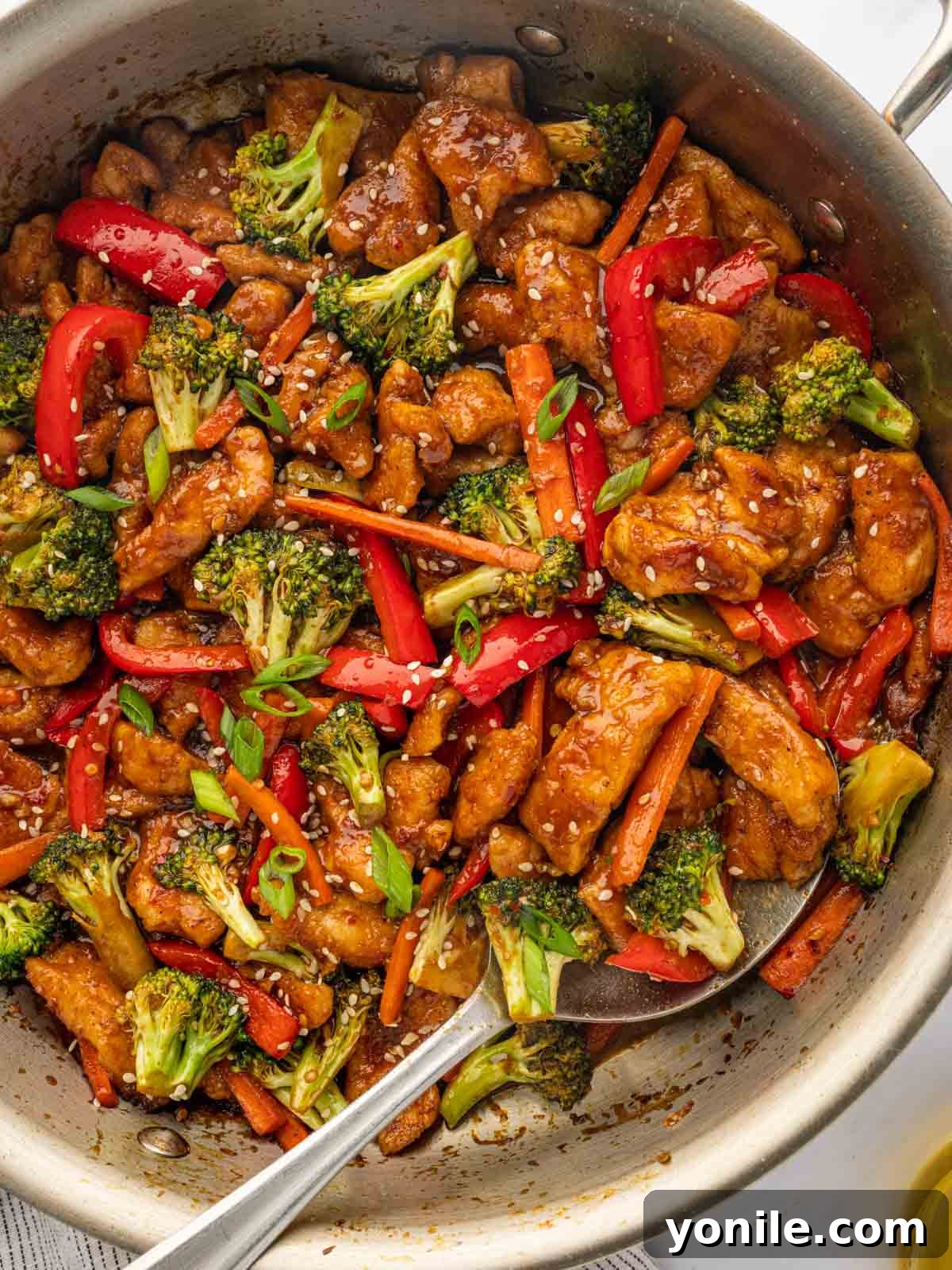
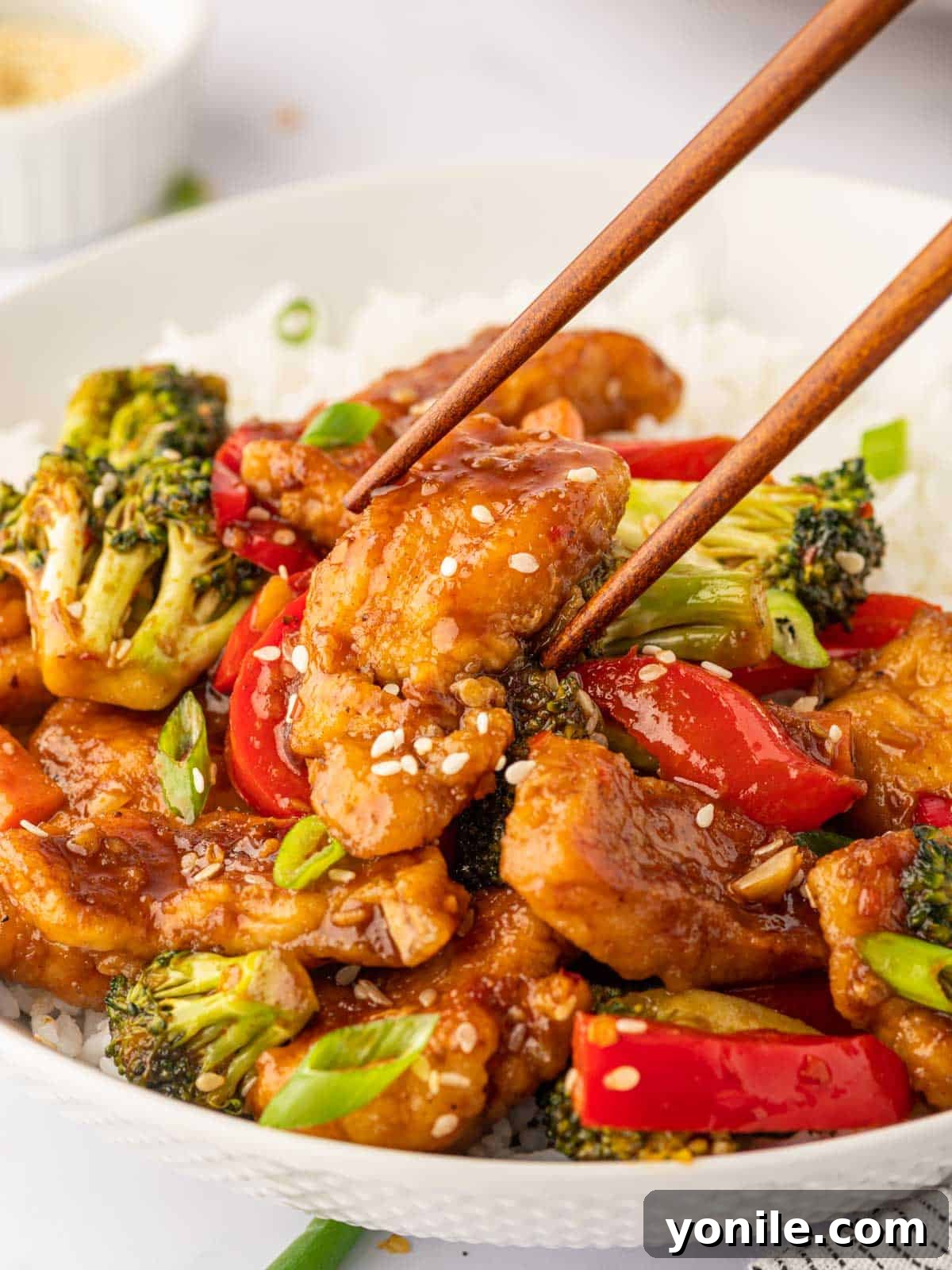
Welcome to the fiery and flavorful world of Chinese Hunan Chicken! This isn’t just another stir-fry; it’s a culinary journey to the heart of Hunan province, renowned for its bold, spicy, and aromatic cuisine. Forget your greasy takeout orders – this Hunan Chicken recipe brings the authentic, restaurant-quality taste right to your kitchen in under 30 minutes. Prepare to be captivated by a dish that’s incredibly simple to prepare, yet bursts with complex flavors, making it a healthier and more satisfying alternative to your usual Chinese fare. Trust us, once you try this homemade version, you’ll understand why it’s superior to anything you’ve had from a restaurant.
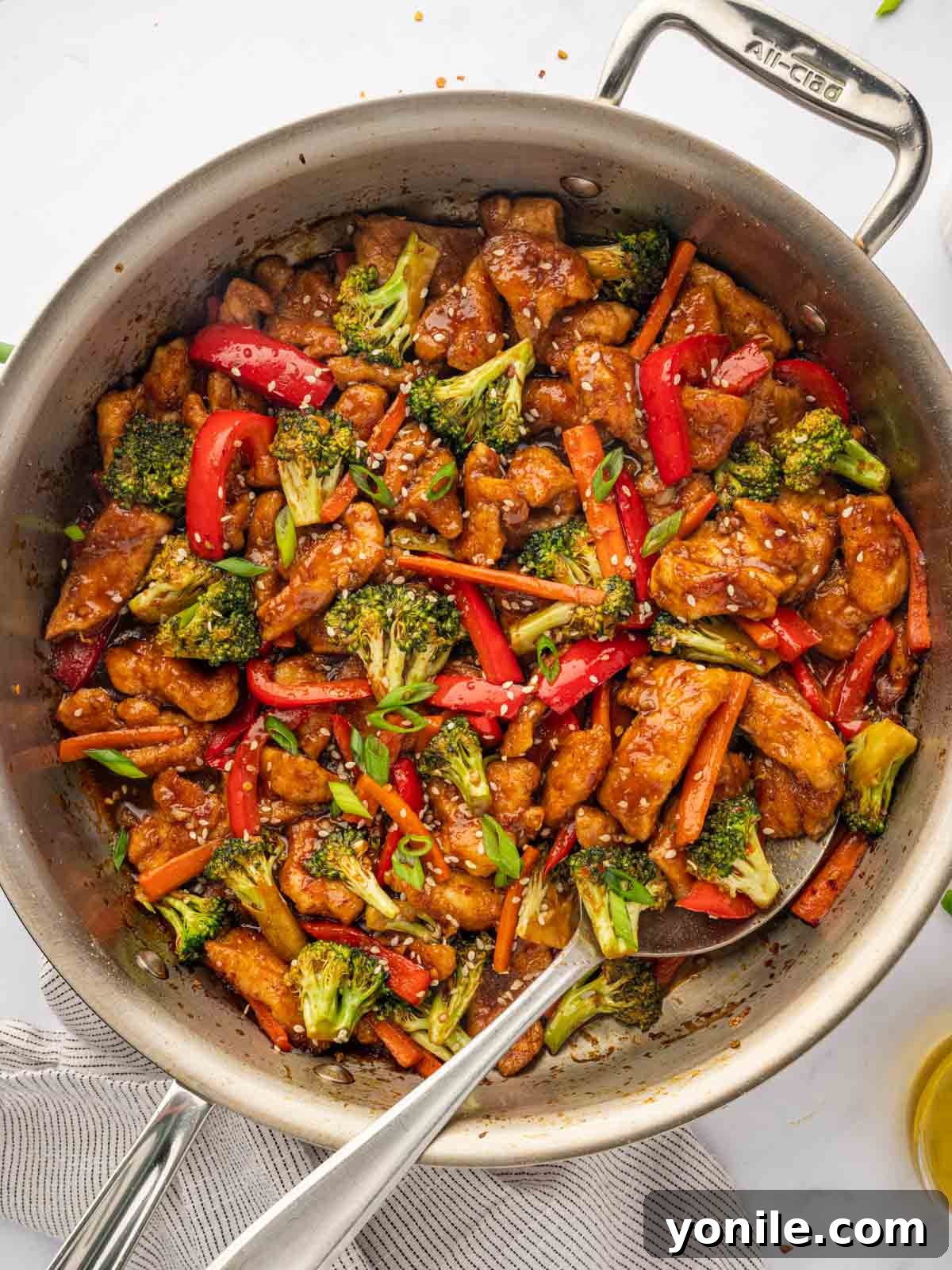
Our homemade Chinese Hunan Chicken recipe invites you to immerse yourself in the vibrant symphony of flavors and aromas. Imagine the delightful sizzle of tender chicken as it browns, the stunning array of colors from crisp, fresh vegetables, and the exhilarating burst of spicy-savory goodness dancing on your palate with every bite. This dish isn’t just about satisfying a craving; it’s about crafting a meal that’s as wholesome as it is delicious. By taking full control of the ingredients, you ensure premium quality, tailor the spice level to your preference, and avoid the unnecessary additives often found in commercially prepared dishes. Once you experience the unparalleled freshness and genuine taste of this Hunan style chicken, your perception of Chinese food will be transformed forever.
If you’re a fan of vibrant and spicy chicken dishes, be sure to explore more of our exciting recipes. You might love our Creamy Spicy Chicken Pasta for a fusion delight or the robust flavors of our Harissa Chicken Traybake for a Mediterranean twist.
Why This Spicy Hunan Chicken Will Become Your New Favorite
There are countless reasons to fall in love with this incredible spicy Hunan chicken recipe. It’s not just a meal; it’s an experience that offers convenience, impressive health benefits, and an explosion of authentic flavors that will make it a staple in your home cooking repertoire.
- A Healthier Alternative to Takeout: Say goodbye to guilt and hello to wholesome goodness! When you prepare this classic Chinese dish at home, you gain complete control over every ingredient. You can consciously opt for lean cuts of chicken breast, use heart-healthy oils sparingly, and load up on an abundance of fresh, nutrient-rich vegetables like broccoli, bell peppers, and carrots. Crucially, you can avoid artificial preservatives, excessive sodium, and monosodium glutamate (MSG) often found in restaurant versions, making this a significantly lighter and more nourishing choice for your family. Enjoy the rich, authentic flavors without the heavy, greasy aftermath.
- Unbelievably Quick and Easy: Life gets busy, but delicious meals don’t have to be a luxury. With a minimal prep time of just 10 minutes and a total cooking duration of around 20-30 minutes, this Hunan chicken stir-fry is the ultimate solution for those hectic weeknights. It’s often faster than ordering delivery and guarantees a fresh, hot, and satisfying meal without keeping you chained to the stove for hours. This recipe minimizes cleanup and maximizes flavor, making it perfect for quick family dinners or even impressing last-minute guests.
- Authentic and Unforgettable Flavor: This recipe is meticulously crafted to capture the true essence of Hunan cuisine, famous for its distinctive bold, hot, and aromatic profiles. Unlike some overly sweet or generic Chinese dishes, Hunan style chicken boasts a harmonious blend of savory, spicy, and tangy notes that truly awaken the senses. Experience the satisfaction of creating an authentic Chinese restaurant-quality dish that rivals (and often surpasses) what you’d find at your local eatery, all from the comfort of your own kitchen.
- Customizable to Your Taste: Whether you prefer a milder kick or a fiery inferno, this recipe is incredibly adaptable. You can easily adjust the amount of chili paste and red pepper flakes to suit your personal spice tolerance, making it perfect for all palates. Love extra veggies? Feel free to add more of your favorites or swap them out based on what’s in season. Want to try a different protein? Boneless chicken thighs work beautifully, as do shrimp or even tofu for a vegetarian option. This versatility ensures that every time you make it, it’s perfectly tailored just for you.
The Flavor Profile of Hunan Cuisine: A Spicy Delight
Hunan cuisine, also known as Xiang cuisine, is one of China’s Eight Great Cuisines and is celebrated for its distinctive characteristics. Hailing from the Hunan province in south-central China, it stands apart from other regional Chinese cuisines, particularly its Sichuan counterpart, which is known for its “mala” (numbing and spicy) sensation from Sichuan peppercorns. Hunan cuisine, on the other hand, emphasizes a “gan la” (dry heat or pure spiciness) often derived from fresh chilies, dried chilies, and chili pastes, delivering a straightforward, intense heat that lingers deliciously.
Key elements of Hunan’s robust flavor profile include:
- Pungent and Spicy: The most prominent and defining feature. Hunan dishes are characterized by a direct and potent heat that comes from a generous and often fresh use of red chilies, preserved chilies, and various chili pastes.
- Sour Notes: Often subtly balanced with sour elements like vinegar, pickled vegetables, or sometimes fermented black beans, adding crucial complexity and cutting through richness.
- Aromatic Depth: Garlic, ginger, and scallions are fundamental aromatics that form the backbone of nearly every dish, providing a fragrant base that enhances all other flavors.
- Savory Umami: Ingredients such as soy sauce, fermented bean paste, and rich broths contribute a deep umami backdrop, making the dishes incredibly satisfying and moreish.
- Freshness: A strong emphasis on fresh, seasonal ingredients, particularly vegetables, which contribute crisp textures and vibrant colors, essential for a balanced stir-fry.
Our Hunan Chicken recipe perfectly embodies these culinary principles, offering a balanced yet exhilarating culinary experience that’s truly authentic and reflective of the region’s rich gastronomic heritage.
Essential Hunan Chicken Ingredients
Crafting the perfect Hunan chicken stir-fry begins with selecting high-quality ingredients. Each component plays a crucial role in building the layered flavors and dynamic textures that make this dish so irresistible and distinctively Hunanese.
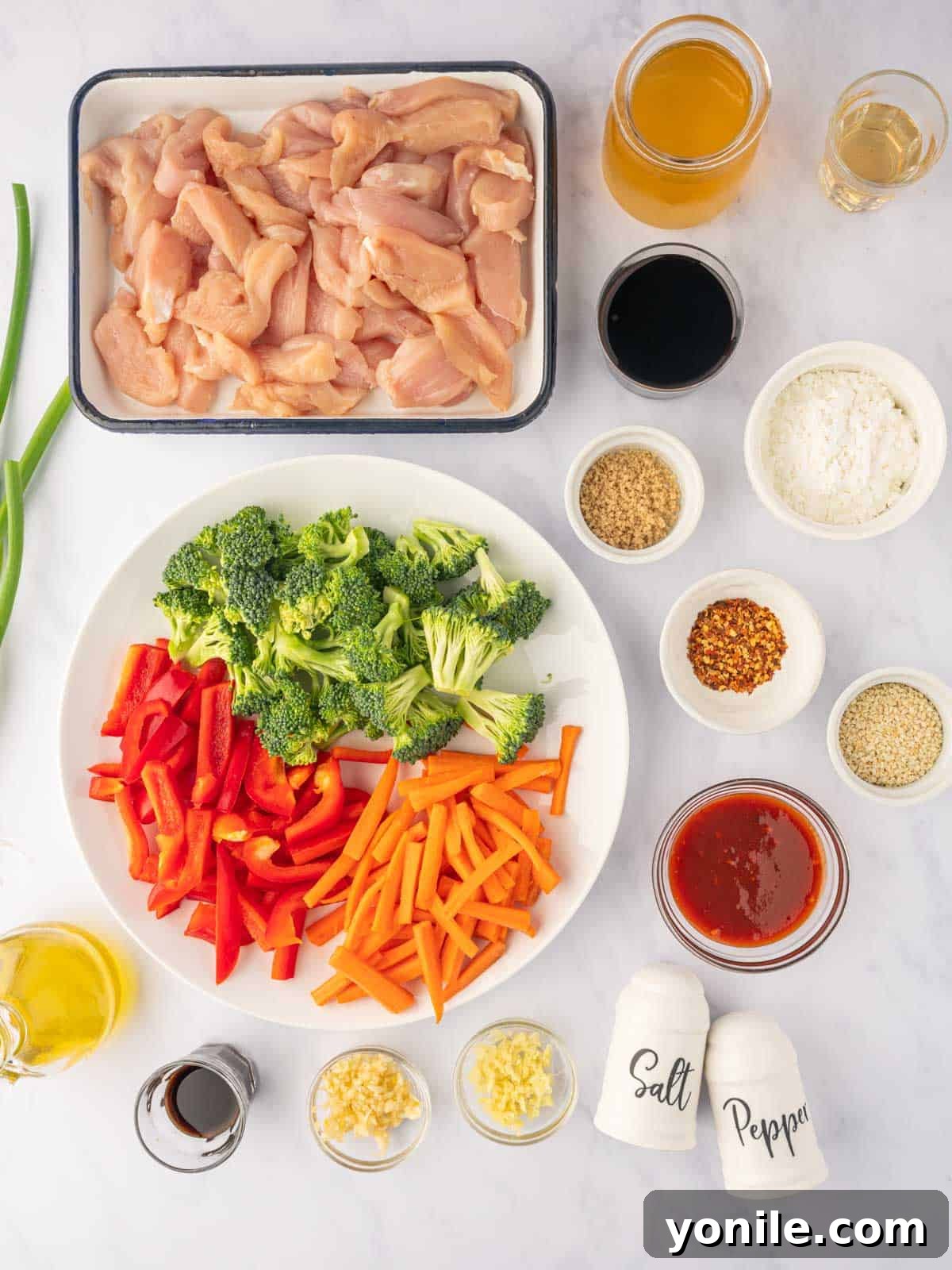
The Protein
- Chicken: For this authentic Hunan chicken recipe, we recommend using tender and lean chicken breast, cut into uniform strips. This ensures even cooking and a delightful, consistent texture. If you prefer a slightly richer flavor and inherently juicier result, boneless, skinless chicken thighs are an excellent substitute and hold up beautifully in a stir-fry. Remember to cut against the grain for maximum tenderness.
- Salt and Ground Pepper: These foundational seasonings are vital for enhancing the chicken’s natural flavor, forming the first crucial layer of taste. Adjust the quantities to your personal preference.
- Cornstarch: A secret weapon in Chinese cooking, cornstarch is used to coat the chicken. This creates a light, crispy, and protective exterior when pan-fried, effectively locking in moisture and ensuring exceptionally tender chicken. It also plays a key role in helping the flavorful sauce adhere wonderfully to every piece. All-purpose flour can be used as a substitute, though the final texture will be slightly different.
Fresh Vegetables
- Olive Oil: A light, neutral-flavored oil is essential for high-heat stir-frying. While olive oil works well, feel free to use other high smoke-point oils like canola, vegetable, grapeseed, or peanut oil, which are often preferred in Asian cooking for their neutral taste and ability to handle high temperatures without burning.
- Broccoli Florets: These add a vibrant green color, a delightful crunch, and a significant boost of fiber and vitamins to the dish. For variety or dietary preferences, consider substituting with cauliflower florets, crisp snap peas, or even tender asparagus spears. Ensure they are cut into similar-sized pieces for even cooking during the quick stir-fry.
- Red Bell Pepper: Contributing a beautiful pop of color and a subtly sweet, tangy flavor, red bell peppers are a staple in many stir-fries. Green, yellow, or orange bell peppers can be substituted or combined for an even more colorful and nutrient-rich medley.
- Carrots: Thinly sliced carrots not only add a touch of natural sweetness but also provide a pleasant additional crunch and a dose of essential vitamins. Thinly sliced zucchini, baby corn, or bamboo shoots are great alternatives that will complement the other flavors and textures wonderfully.
For the Irresistible Hunan Sauce
The sauce is undeniably the heart and soul of this spicy Hunan chicken. It’s a masterful and complex blend of savory, intensely spicy, tangy, and subtly sweet elements that perfectly coats every piece of chicken and vegetable, creating a truly harmonious flavor profile.
- Chicken Broth: Forms the savory and umami-rich base of our robust sauce. Vegetable broth or even plain water can be used as a substitute if chicken broth is unavailable, though chicken broth offers a deeper, more rounded flavor.
- Low Sodium Soy Sauce: Provides the essential salty and umami backbone that defines many Asian dishes. Opting for low-sodium helps control the overall saltiness and allows other flavors to shine. For a gluten-free option, tamari or coconut aminos work perfectly without compromising taste.
- Chili Paste: This is where the signature Hunan heat comes from! Depending on your preferred spice level, you can use various types such as Gochujang (Korean chili paste for a slightly sweet heat), Sambal Oelek (Indonesian, offering a raw chili kick), or a Chinese broad bean paste with chili (Doubanjiang, for a more fermented, savory depth). Adjust the amount generously or sparingly to achieve your desired level of heat.
- Rice Vinegar: Adds a crucial tangy and slightly sweet counterpoint, balancing the richness and spiciness of the dish. Apple cider vinegar or white vinegar can be used as alternatives in a pinch, though rice vinegar is ideal for its milder acidity and authentic flavor.
- Worcestershire Sauce: A surprising but incredibly effective addition, contributing a rich, deeply fermented umami depth that rounds out the sauce’s complexity and adds a unique savory note.
- Brown Sugar: A touch of brown sugar is essential to balance the intense spicy and savory flavors, adding a subtle sweetness without making the dish overly sugary. Honey or maple syrup are suitable natural sweetener substitutes if you prefer.
- Ginger and Garlic: These aromatic powerhouses are fundamental to Chinese cooking. Freshly minced ginger and garlic provide a pungent, warming depth and a hint of natural spiciness. While fresh is always best for maximum flavor, powdered ginger or garlic can be used if fresh ingredients are not available (use approximately 1/4 teaspoon of powder for every 1 teaspoon of fresh).
- Cornstarch: Beyond coating the chicken, cornstarch acts as the primary thickening agent for the sauce, giving it that desirable glossy, clingy consistency. Always mix it with a small amount of cold water or broth before adding to the hot sauce to prevent lumps.
- Crushed Red Pepper Flakes: For an extra visual appeal and another layer of heat, crushed red pepper flakes are incorporated. Adjust the quantity to intensify the spicy kick according to your personal preference, adding a delightful speckle of red throughout the dish.
To Garnish and Serve
- Sesame Seeds: Sprinkling toasted sesame seeds over the finished dish adds a delightful nutty flavor and a pleasing textural crunch. While toasted is preferred for maximum aroma and flavor, untoasted sesame seeds will also work if you’re short on time.
- Spring Onion (Scallions): Freshly chopped spring onions provide a beautiful burst of green color and a mild, fresh oniony flavor that brightens the entire dish. Chopped chives or regular scallions are perfect substitutes and add a final touch of freshness.
- Cooked Rice: Traditionally, Hunan Chicken is served over a bed of fluffy white or nutty brown rice, which perfectly absorbs the flavorful sauce. However, feel free to get creative and serve it with your favorite type of rice, noodles, or even a lighter option like cauliflower rice for a low-carb meal.
How To Master Chinese Hunan Chicken: A Step-by-Step Guide
Follow these simple yet crucial steps to create a truly spectacular Hunan style chicken stir-fry that will impress everyone at your table and become a cherished family favorite.
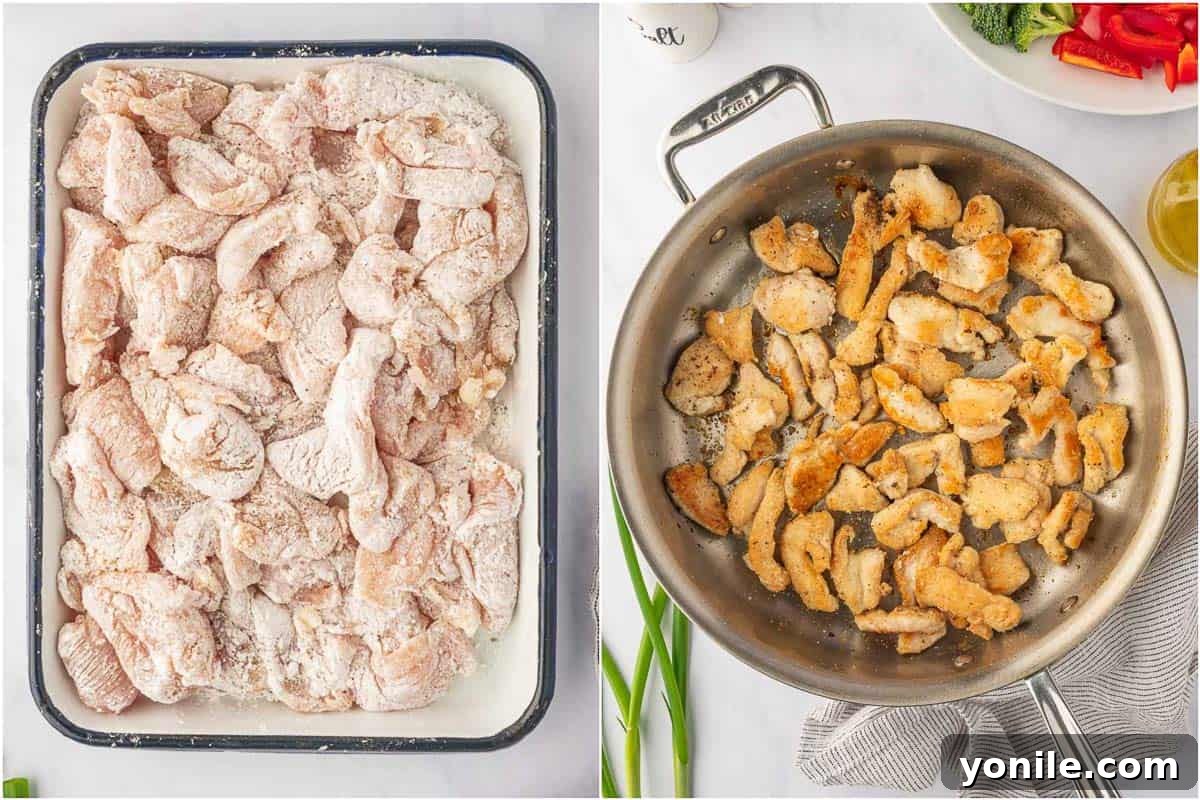
- Step 1: Prepare the Chicken. Begin by placing your precisely cut chicken strips in a clean, medium-sized bowl. Season them generously with salt and freshly ground black pepper, ensuring each piece is lightly and evenly coated. Next, add the cornstarch to the bowl and toss everything together until the chicken strips are thoroughly and uniformly coated. This cornstarch coating is crucial for achieving that desirable crispy texture on the exterior and helps the sauce cling beautifully to every morsel later.
- Step 2: Cook the Chicken. Heat a large skillet or a traditional wok over medium-high heat. Add 2 tablespoons of olive oil (or your preferred neutral, high smoke-point oil). Once the oil is shimmering and hot, carefully add the coated chicken pieces to the skillet in a single layer, ensuring not to overcrowd the pan. Cook the chicken for approximately 4-5 minutes, turning occasionally, until it’s beautifully golden brown, sealed, and cooked through. Remove the cooked chicken pieces from the skillet and set them aside on a clean plate. Don’t worry about any small, flavorful bits left in the pan – they will only add depth to the vegetables.
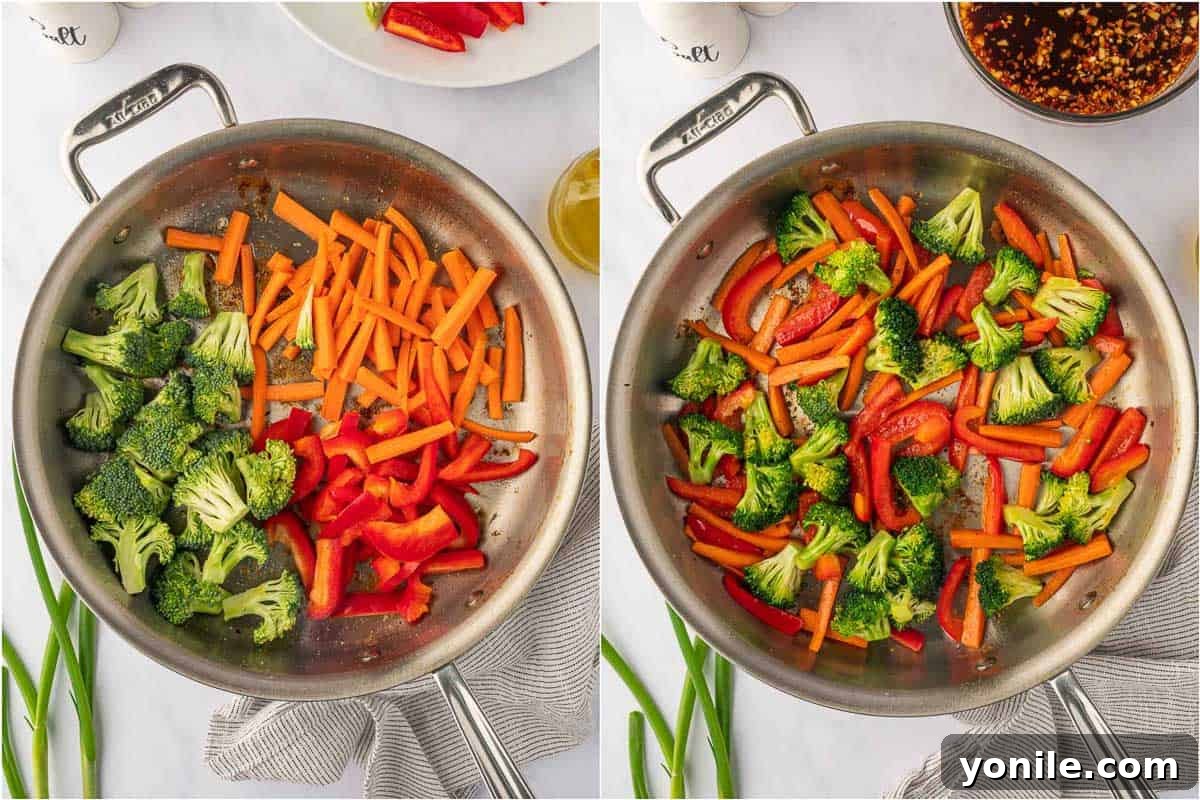
- Step 3: Sauté the Vegetables. In the same skillet (no need to clean it, those browned bits are flavor!), add the remaining 1 tablespoon of olive oil. Once hot, add the vibrant broccoli florets, precisely sliced red bell peppers, and julienned carrots. Sauté these vegetables for 3-4 minutes, stir-frying constantly to ensure even cooking, until they are crisp-tender. You want them to retain a slight crunch and their bright color, indicative of freshness and proper stir-frying technique – avoid overcooking them into mush.
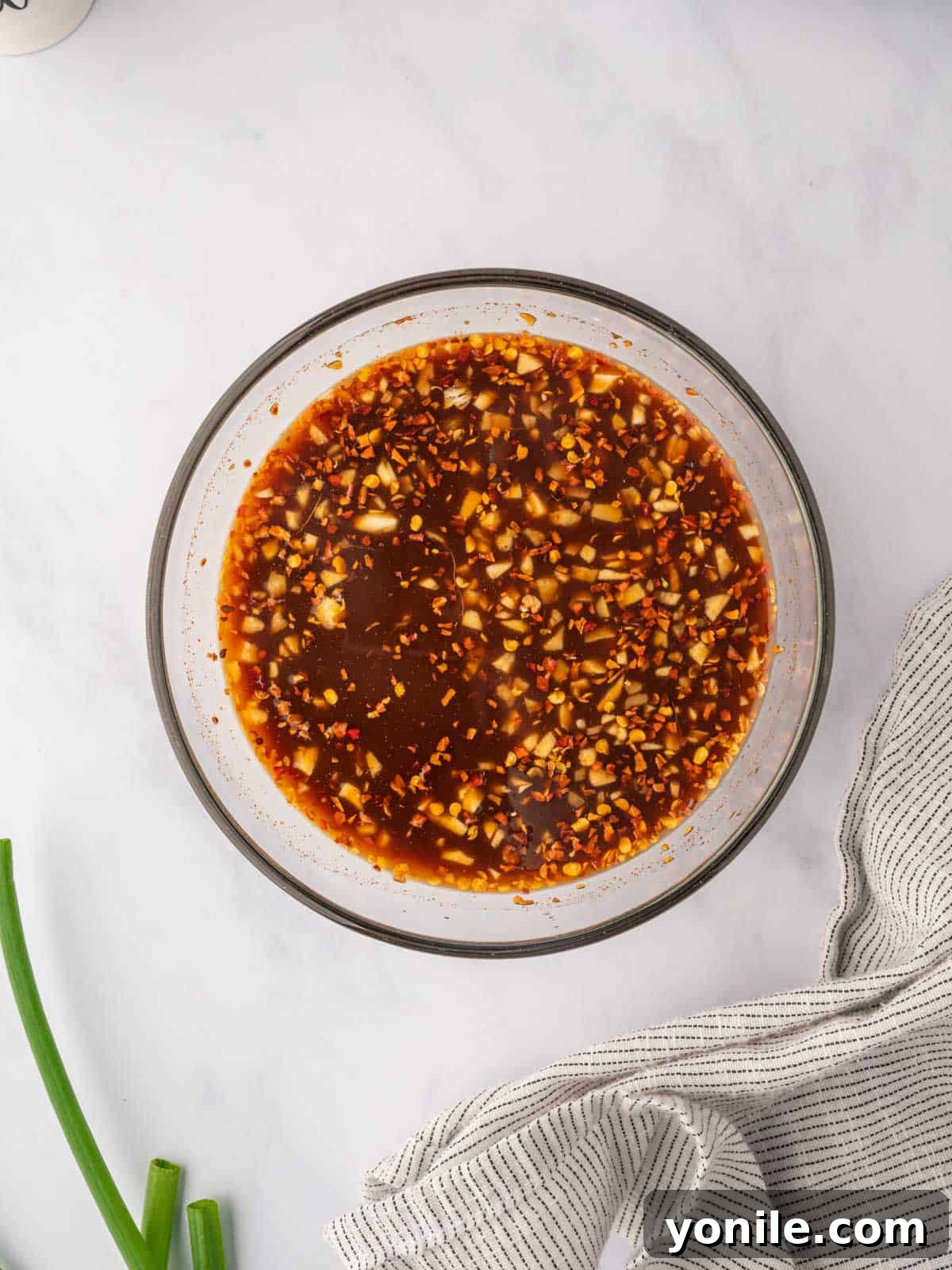
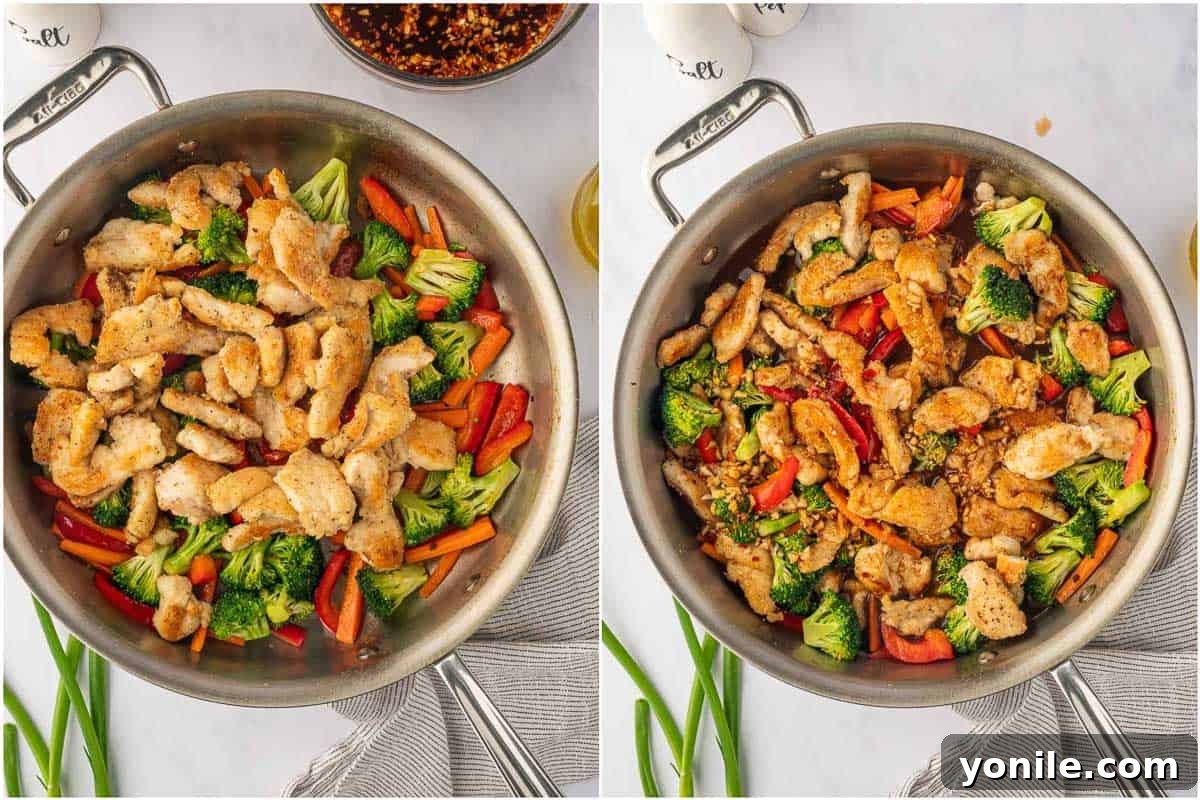
- Step 4: Combine and Thicken the Sauce. While the vegetables are cooking, prepare your flavorful Hunan sauce. In a separate medium bowl, whisk together the chicken broth, low sodium soy sauce, chili paste (adjusting for spice), rice vinegar, Worcestershire sauce, brown sugar, finely chopped ginger, finely chopped garlic, cornstarch (pre-mixed with a little cold water to avoid lumps), and crushed red pepper flakes until completely well combined. Once the vegetables are crisp-tender, return the cooked chicken back into the skillet. Pour the freshly prepared sauce over the chicken and vegetables. Stir everything together gently to ensure all ingredients are coated evenly. Cook for an additional 5-6 minutes, stirring frequently, allowing the sauce to simmer, reduce slightly, and thicken to a beautiful, glossy consistency. The chicken should be thoroughly heated through and coated in the rich sauce.
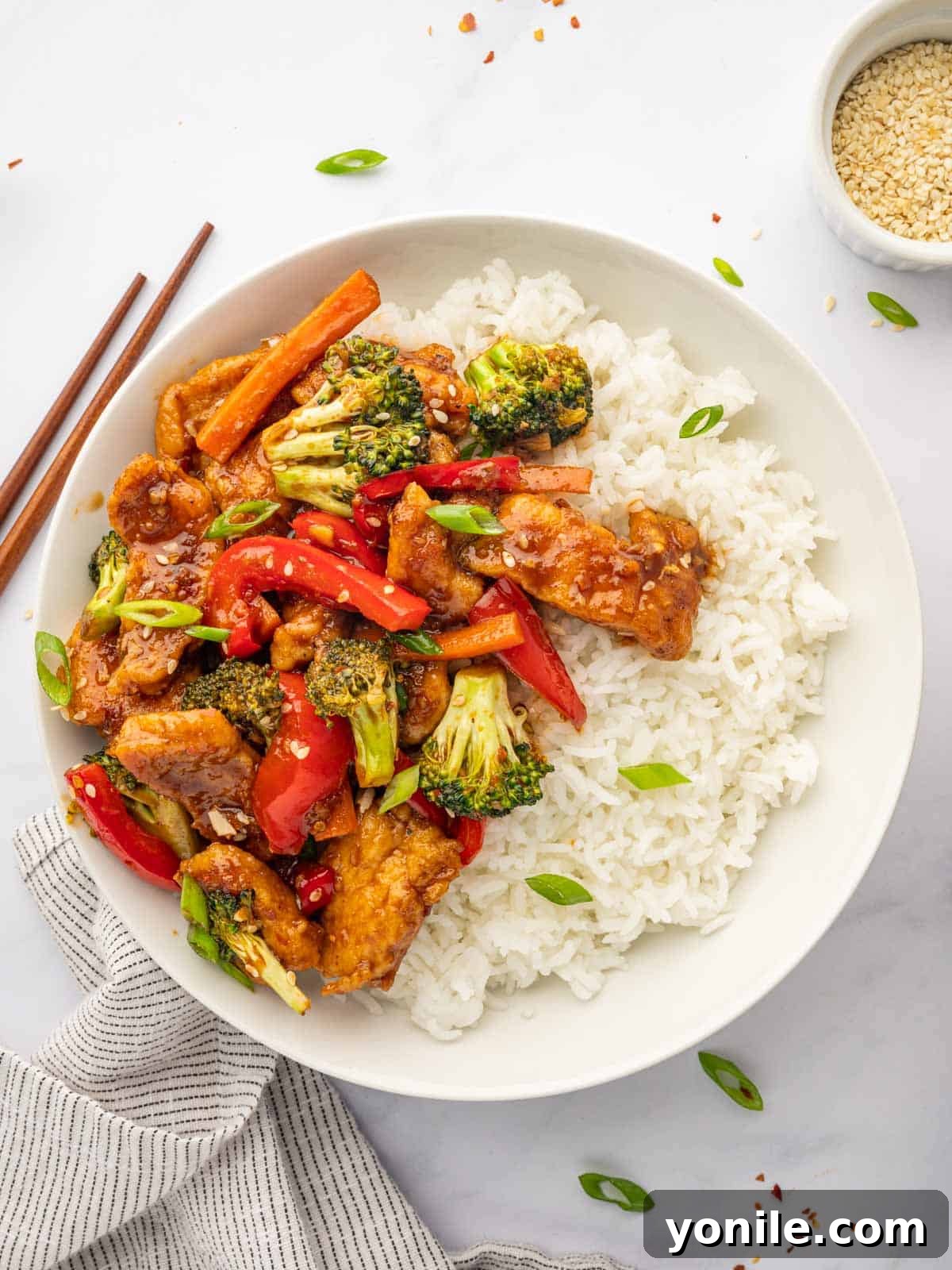
- Step 5: Garnish and Serve Immediately. Just before serving, sprinkle the freshly chopped green onions (spring onions) and toasted sesame seeds generously over the Hunan chicken in the skillet. Give it one final gentle toss to distribute the garnishes and incorporate their fresh flavors. Serve this irresistible dish immediately, piping hot, alongside a generous bowl of perfectly cooked rice or your preferred side. The contrast of textures and explosion of flavors will make every bite memorable!
Pro Tips for the Perfect Hunan Chicken Recipe
Achieving a truly exceptional Hunan chicken at home is easier than you think with these expert tips and tricks, ensuring your stir-fry is always restaurant-quality and bursting with flavor.
- Uniform Chicken Strips are Key: For perfectly consistent results, always ensure your chicken breast or thigh is cut into uniform strips of roughly the same size and thickness. This guarantees that all pieces cook evenly and reach the ideal tender texture simultaneously, preventing some pieces from being overcooked while others are still raw.
- Marinate for Enhanced Flavor: To infuse your chicken with even more depth and tenderness, consider a quick marinade. After seasoning with salt and pepper, marinate the chicken strips in a small amount of soy sauce and perhaps a teaspoon of rice wine or Shaoxing wine for about 15-30 minutes before coating with cornstarch. This step allows the flavors to penetrate deeper into the meat, resulting in an exceptionally tender and delicious chicken.
- Achieve the Perfect Cornstarch Coating: When coating the chicken with cornstarch, don’t just sprinkle it on. Thoroughly toss and gently press the chicken strips to ensure every surface is evenly and completely covered. A good, even coating creates a fantastic crispy barrier when cooked, locking in juices and providing a delightful textural contrast that’s characteristic of many Chinese stir-fries.
- High Heat is Your Friend (for Stir-Frying): For authentic stir-fry results, ensure your skillet or wok is properly preheated over medium-high heat before adding the oil and chicken. This crucial step allows the chicken to sear quickly, developing a beautiful golden-brown crust without steaming. A hot pan also prevents sticking and ensures your ingredients cook efficiently.
- Customize Your Vegetable Texture: The beauty of a stir-fry lies in its versatility. If you prefer your vegetables crisp-tender with a vibrant bite, sauté them for a shorter duration, perhaps closer to 3 minutes. For those who enjoy softer, more cooked-through veggies, extend the cooking time slightly. Always adjust based on your desired texture preference.
- Control the Spice Level: Hunan cuisine is renowned for its heat, but your kitchen, your rules! The spiciness of this spicy Hunan chicken can be easily customized. Start with a smaller amount of chili paste and crushed red pepper flakes than recommended, then taste and gradually add more until you reach your perfect level of fiery deliciousness.
- Thickening the Sauce to Perfection: If your sauce isn’t as thick or glossy as you’d like, don’t panic! Simply mix a small amount of additional cornstarch with an equal part of cold water to create a smooth slurry. Stir this slurry into the simmering sauce in the skillet, a little at a time, allowing it to cook for a few more minutes until it reaches your desired glossy, thick consistency.
- Toast Your Sesame Seeds for Maximum Aroma: For a more intense nutty aroma and flavor in your garnish, take an extra minute to toast your sesame seeds. Simply place them in a dry skillet over medium heat, stirring constantly, until they turn lightly golden brown and fragrant. This small step makes a significant difference in the final garnish.
- Serve Fresh and Hot: Like most stir-fries, Chinese Hunan Chicken is best enjoyed immediately after cooking. The textures of the chicken and vegetables are at their peak, and the flavors are most vibrant and well-integrated when served fresh and hot straight from the skillet.
- Consider Your Accompaniments: While fluffy cooked rice or noodles are classic accompaniments, don’t limit yourself! This versatile dish also pairs wonderfully with healthier alternatives like quinoa, brown rice, cauliflower rice for a low-carb option, or even a simple side salad with a light vinaigrette.
- Don’t Overcrowd the Pan: When cooking the chicken and later the vegetables, it’s crucial not to overcrowd your skillet or wok. Overcrowding lowers the pan’s temperature, leading to steamed instead of seared or stir-fried ingredients, which negatively impacts both texture and flavor. Cook in batches if necessary.
- Prep Everything Ahead (Mise en Place): Stir-frying is a fast-paced cooking method, so efficiency is key. Have all your ingredients chopped, measured, and neatly arranged within arm’s reach before you even turn on the stove. This “mise en place” ensures a smooth cooking process and prevents anything from burning while you’re scrambling for the next ingredient.
Frequently Asked Questions About Hunan Chicken
Here are some common questions about making and enjoying this delicious Hunan chicken recipe, offering practical answers and further insights.
Can I make this with other chicken cuts?
Absolutely! While chicken breasts offer a lean and tender option, boneless, skinless chicken thighs are an excellent substitute in this recipe. They tend to be more forgiving, staying inherently juicier and providing a slightly richer flavor and more tender texture that works beautifully with the bold Hunan sauce. Just ensure they are cut into uniform strips for even cooking and optimal presentation.
Is Hunan chicken genuinely spicy? How can I adjust the heat?
Yes, authentic Hunan chicken is renowned for its distinct spiciness, characterized by a direct, lingering heat rather than the numbing sensation of Sichuan cuisine. However, the beauty of homemade cooking is customization! To make the dish less spicy, you can significantly reduce the amount of chili paste and crushed red pepper flakes used in the sauce. Start with half the recommended amount, taste, and gradually add more if you desire a hotter kick. Conversely, for an extra fiery experience, feel free to add more chilies or a dash of chili oil at the end of cooking.
Is this recipe gluten-free?
It is very easy to adapt this Hunan chicken recipe to be entirely gluten-free! Simply ensure you use tamari or coconut aminos instead of traditional soy sauce, as most regular soy sauces contain wheat. Additionally, verify that your cornstarch is certified gluten-free, or substitute it with potato starch or arrowroot powder for thickening both the chicken coating and the sauce. Always check labels for hidden gluten in other ingredients like broth or Worcestershire sauce.
How do I store and reheat Chinese Hunan Chicken?
To store leftovers effectively, allow the Hunan chicken to cool completely to room temperature. Transfer it to an airtight container and store it in the refrigerator for up to 3-4 days. When reheating, gently warm it in a skillet over medium heat on the stovetop for best results, or in the microwave. You may find it beneficial to add a splash of water or chicken broth to loosen the sauce and maintain its desired consistency, as it can thicken significantly in the fridge.
Can I freeze Hunan Style Chicken?
Yes, you can freeze Hunan style chicken, though it’s generally best to freeze it without the cooked rice, as rice can become mushy upon thawing and reheating. Place the cooled chicken and sauce in a freezer-safe airtight container or heavy-duty freezer bag, ensuring as much air is removed as possible to prevent freezer burn. It can be stored for up to 2-3 months. Thaw overnight in the refrigerator, then reheat gently on the stovetop, adding a little liquid if needed to revive the sauce and chicken.
What are the best side dishes to serve with Spicy Hunan Chicken?
This spicy Hunan chicken is incredibly versatile and pairs wonderfully with a variety of sides to complete your meal. Classic choices include fluffy steamed white or brown rice, which perfectly soaks up the flavorful sauce. For more elaborate options, consider our Chinese Vegetable Fried Rice, a healthier Cauliflower Rice, or flavorful Chili Garlic Oil Noodles. If you’re looking for unique appetizers or complementary sides, Honey Chilli Potatoes offer a delicious sweet and spicy crunch, or simply serve with additional steamed green vegetables like bok choy or snap peas for a perfectly balanced meal.
What distinguishes Hunan Chicken from other popular Chinese chicken dishes like General Tso’s or Szechuan?
Hunan Chicken is celebrated for its direct, fiery “gan la” (dry heat) spiciness, primarily from fresh or dried chilies, and a savory, often tangy, flavor profile. It tends to be significantly less sweet than General Tso’s chicken, which is typically deep-fried and coated in a sticky, sweet-spicy sauce. Compared to Szechuan chicken, Hunan chicken lacks the distinctive “mala” (numbing and spicy) sensation derived from Sichuan peppercorns, focusing instead on a pure, straightforward heat and aromatic depth. Each dish offers a unique and delicious regional taste of China, but Hunan stands out for its bold, unadulterated spiciness.
Discover More Chinese-Inspired Recipes
If you loved this Chinese Hunan Chicken recipe, you’re in for a treat! Explore more delicious and authentic Chinese-inspired dishes from our extensive collection to broaden your culinary horizons and bring exciting new flavors to your dinner table.
- Chinese Salt and Pepper Chicken
- Shrimp Lo Mein
- Chicken Manchurian
- Chinese Sesame Chicken
- Chinese Szechuan Chili Chicken
We genuinely hope you enjoy exploring all the wonderful recipes we share with you, and especially this mouthwatering Hunan Chicken recipe. It’s been crafted with love and a passion for authentic flavors. Please give it a try, savor every bite, and if you loved it, we’d be thrilled if you could leave a star rating and a comment below to share your experience. Your valuable feedback helps us grow and inspires other home cooks in their culinary adventures!
Don’t forget to use our hashtag when you share your delicious recreations on Instagram – we love seeing your culinary masterpieces! You can also follow Cookin’ With Mima on FACEBOOK, INSTAGRAM, and PINTEREST for all our latest recipes, cooking tips, and social updates. Happy cooking!

Chinese Hunan Chicken
By: Mariam Ezzeddine
This spicy Hunan chicken recipe is a true crowd-pleaser, combining tender chicken strips, a medley of crunchy vegetables, and an irresistible sauce that will leave you wanting more. Hunan style chicken is a classic stir-fry recipe that tastes better than the version you get at a Chinese restaurant.
- Prep Time: 10 minutes
- Cook Time: 20 minutes
- Total Time: 30 minutes
- Servings: 4 Servings
Rating: 5 out of 5 stars (based on 2 votes)
Pin Recipe
Print Recipe
Ingredients
For chicken
- 1 ½ lb chicken breasts, cut into strips
- ½ teaspoon salt
- ½ teaspoon ground pepper
- 3 tablespoons cornstarch
- 3 tablespoons olive oil, divided
- 2 cups broccoli florets, cut into pieces
- 1 cup red bell pepper, cut into 1 inch pieces
- 1 cup carrots, cut into 1 inch pieces
For sauce
- ½ cup chicken broth
- ¼ cup low sodium soy sauce
- 2 tablespoons chili paste
- 1 tablespoon rice vinegar
- 1 teaspoon Worcestershire sauce
- 1 tablespoon brown sugar
- 1 teaspoon ginger, finely chopped
- 1 teaspoon garlic, finely chopped
- 2 teaspoon cornstarch
- ½ teaspoon crushed red pepper flakes
To serve
- 2 teaspoons sesame seeds, to garnish
- 2 tablespoons spring onion, to garnish
- 1 cup cooked rice, to serve
Instructions
- In a bowl, combine chicken strips and season them with salt and pepper. Add cornstarch and stir until the chicken is coated evenly.
- Heat a large skillet over medium heat and add 2 tablespoons of olive oil. Once the oil is heated, add the coated chicken pieces to the skillet. Cook the chicken for 4-5 minutes, or until it is cooked through. Remove the chicken pieces from the skillet and set them aside.
- In the same skillet, add the remaining 1 tablespoon of olive oil and add broccoli florets, red bell peppers, and carrots. Saute the vegetables for 3-4 minutes, or until they are slightly cooked.
- In a medium bowl, combine the sauce ingredients and mix well. Stir the cooked chicken back into the skillet along with the sauce. Cook for an additional 5-6 minutes, or until the chicken is cooked through and the sauce is slightly thickened.
- Garnish and serve. Finally, add the green onions and sesame seeds to the skillet. Toss everything together. Serve the Hunan chicken with a bowl of rice.
Notes
- Cut the chicken into uniform strips. This ensures that the chicken cooks evenly and results in a consistent texture throughout the dish.
- For an extra boost of flavor, consider marinating the chicken strips in salt, pepper, and a bit of soy sauce for about 15-30 minutes before coating them with cornstarch. This step allows the flavors to penetrate the meat, making it even more delicious.
- When coating the chicken with cornstarch, make sure to toss and press the chicken strips gently to ensure an even coating. This will help create a crispy exterior when cooked.
- Before adding the chicken, make sure the skillet is preheated over medium heat. This allows the chicken to sear and cook properly without sticking to the pan.
- If you prefer crisp-tender vegetables, sauté them for a shorter duration. If you prefer them softer, cook them for a bit longer. Adjust the cooking time based on your desired texture.
- The level of spiciness can be adjusted by varying the amount of chili paste and crushed red pepper flakes.
- If you prefer a thicker sauce, mix a bit more cornstarch with water and add it to the sauce in the skillet. Allow it to cook for a few more minutes until the sauce reaches the desired thickness.
- For enhanced flavor, toast the sesame seeds in a dry skillet over medium heat until they turn golden brown. This step adds a nutty aroma and crunch to the dish.
- Chinese Hunan Chicken is best enjoyed fresh and hot.
- Serve with a side of cooked rice or noodles.
Nutrition Information (per serving)
Calories: 547kcal | Carbohydrates: 34g | Protein: 41g | Fat: 28g | Saturated Fat: 6g | Polyunsaturated Fat: 5g | Monounsaturated Fat: 15g | Trans Fat: 0.2g | Cholesterol: 109mg | Sodium: 1047mg | Potassium: 867mg | Fiber: 4g | Sugar: 8g | Vitamin A: 7060IU | Vitamin C: 92mg | Calcium: 85mg | Iron: 3mg