

Delight your senses with the enchanting flavors and textures of **Lebanese Cheese Rolls**, universally known as **“Rakakat Jibneh.”** These exquisite Middle Eastern appetizers are a culinary masterpiece, featuring a rich, aromatic cheese filling meticulously wrapped in delicate, crispy spring roll pastry. Baked or fried to a stunning golden perfection, each bite offers a harmonious blend of flaky exterior and gooey, savory interior, making them an irresistible treat for any occasion.

Rakakat Jibneh transcends being just an appetizer; it’s a testament to the rich culinary heritage of Lebanon, offering a comforting yet sophisticated flavor profile. Their versatility allows them to shine as a delightful snack, a superb accompaniment to a larger meal, or the star of any party platter. For those eager to explore more authentic Lebanese flavors, these cheese rolls pair exceptionally well with classic dips like our creamy Lebanese Hummus and the smoky, vibrant Baba Ghanouj, creating a truly memorable mezze spread.
The Irresistible Charm of Lebanese Cheese Rolls (Rakakat Jibneh)
Lebanese Cheese Rolls, or Rakakat Jibneh, are more than just a dish; they’re a celebration of simple ingredients transformed into something extraordinary. Originating from the heart of the Levant, these savory pastries have graced tables for generations, cherished for their comforting qualities and festive appeal. The secret lies in the harmonious blend of cheeses and subtle spices, enveloped in a wafer-thin wrapper that crisps up beautifully during cooking. Whether enjoyed as a starter, a snack, or part of a lavish feast, Rakakat Jibneh embodies the warmth and hospitality of Middle Eastern cuisine. Their golden appearance and tantalizing aroma are sure to draw everyone to the table, making them a staple at gatherings and family meals alike.
Why You’ll Love This Recipe: Key Highlights
This Lebanese Cheese Rolls recipe offers numerous reasons why it will become a go-to favorite in your kitchen:
- Perfect Texture: Experience the ultimate textural delight with an exquisitely crispy and flaky pastry that shatters gently to reveal a molten, gooey, and rich cheesy filling. This contrast creates an addictive sensation with every bite.
- Ideal for Any Occasion: These cheese rolls are incredibly versatile, making them a perfect addition to any event. Serve them as an elegant appetizer at dinner parties, a crowd-pleasing snack for game nights, or a delicious side dish that complements traditional Lebanese meals.
- Versatile Cooking Methods: Adapt this recipe to your preferred cooking style. You can achieve golden perfection by frying for maximum crispiness, baking for a lighter option, or air-frying for a quick and convenient method that uses less oil without sacrificing crunch.
- Make-Ahead Friendly: Planning ahead is a breeze with Rakakat Jibneh. Prepare the rolls in advance, and then freeze them. When you’re ready to serve, simply pull them out and cook, making entertaining effortless and stress-free.
Essential Ingredients for Authentic Rakakat Jibneh
Crafting authentic Lebanese Cheese Rolls begins with selecting the right ingredients. Each component plays a vital role in achieving that signature flavor and texture. Here’s a detailed look at what you’ll need:
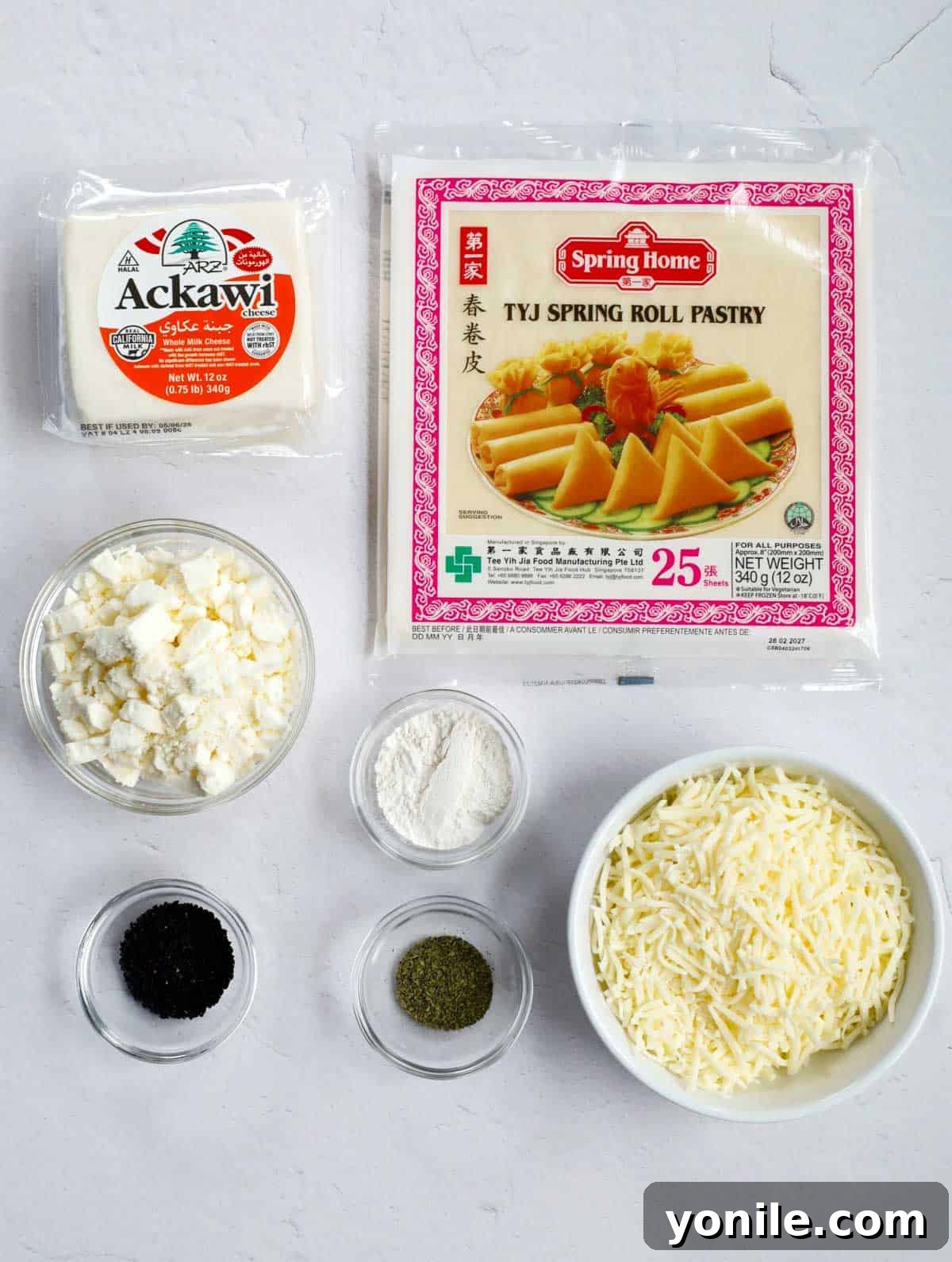
- Spring Roll Sheets: These thin, delicate wrappers are fundamental for achieving the characteristic crispiness of Rakakat Jibneh. They are readily available in the frozen section of most Asian or Middle Eastern grocery stores. Ensure they are fully thawed before use, separating them carefully to prevent tearing.
- Cheese Blend: The heart of these rolls is a flavorful cheese mixture. We recommend a combination of Akkawi cheese, shredded mozzarella, and feta cheese. Akkawi cheese provides an authentic salty tang and unique texture, while mozzarella offers a beautiful stretch and mild creaminess, and feta adds a sharp, piquant note that elevates the overall taste. For optimal texture, finely shred the cheeses.
- Dried Mint: This herb introduces a subtle yet distinctive refreshing and aromatic flavor that is characteristic of many Lebanese dishes. Dried mint integrates seamlessly into the cheese mixture, providing a delightful herbal undertone without overpowering the rich cheese flavors.
- Nigella Seeds: Also known as black cumin or kalonji, these tiny black seeds resemble black sesame seeds but possess a unique, slightly pungent, and peppery flavor with hints of onion and oregano. They add an essential authentic taste and visual appeal to the cheese filling.
- Oil for Frying: Choose a neutral-flavored oil with a high smoke point, such as canola oil, vegetable oil, or sunflower oil. This ensures that the rolls fry evenly to a golden crisp without imparting any unwanted flavors.
- Flour Paste Mixture: A simple paste made from flour and water acts as an excellent adhesive to seal the spring roll wrappers securely, preventing the cheese from leaking during cooking. Alternatively, a lightly beaten egg wash can be used for the same purpose, providing a beautiful golden sheen.
Smart Ingredient Substitutions
While the traditional ingredients yield the most authentic flavor, here are some practical substitutions if certain items are hard to find:
- Cheese Alternatives: If Akkawi cheese is unavailable, you can achieve a similar profile by substituting with other white, slightly salty cheeses like Chicago Cheese, Panela Cheese, Syrian Cheese, or Queso Blanco. For a milder flavor, a blend of halloumi (soaked to reduce saltiness) and ricotta can also work well.
- Nigella Seed Substitute: If you don’t have nigella seeds, toasted sesame seeds make a good visual and textural replacement, offering a nutty flavor that complements the cheese. While the flavor profile will differ slightly, they still add a pleasant dimension.
- Dry Mint Alternatives: Should dried mint be out of reach, fresh finely chopped parsley or dill can be used for a fresh, herbaceous note. For a different but equally delightful Middle Eastern twist, consider adding a pinch of za’atar to the cheese mixture for its savory, tangy, and aromatic qualities.
Crafting Your Lebanese Cheese Rolls: A Step-by-Step Guide
Making Lebanese Cheese Rolls is a straightforward and enjoyable process that yields delicious results. Follow these simple steps to create perfectly crispy and cheesy Rakakat Jibneh:
Expert Tips for Perfect Cheese Rolls
Achieving the perfect Lebanese Cheese Rolls involves a few crucial techniques. Heed these expert tips to ensure your Rakakat Jibneh turns out consistently delicious:
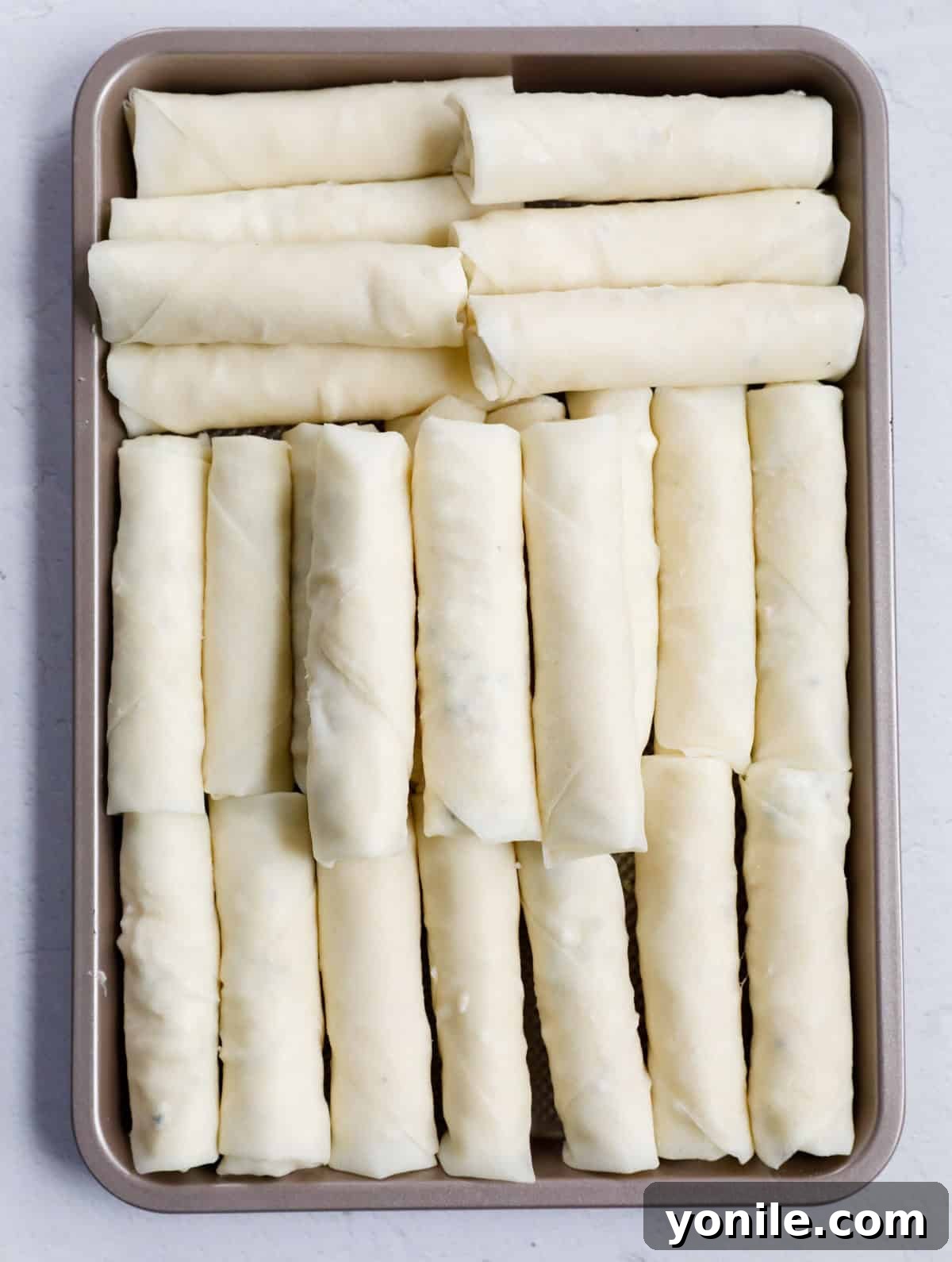
- Freeze Before Cooking: For an even crispier texture and to help the rolls hold their shape better, consider freezing the assembled rolls for at least 30 minutes, or until firm, before frying or baking. This prevents the wrappers from becoming soggy and helps seal the cheese inside.
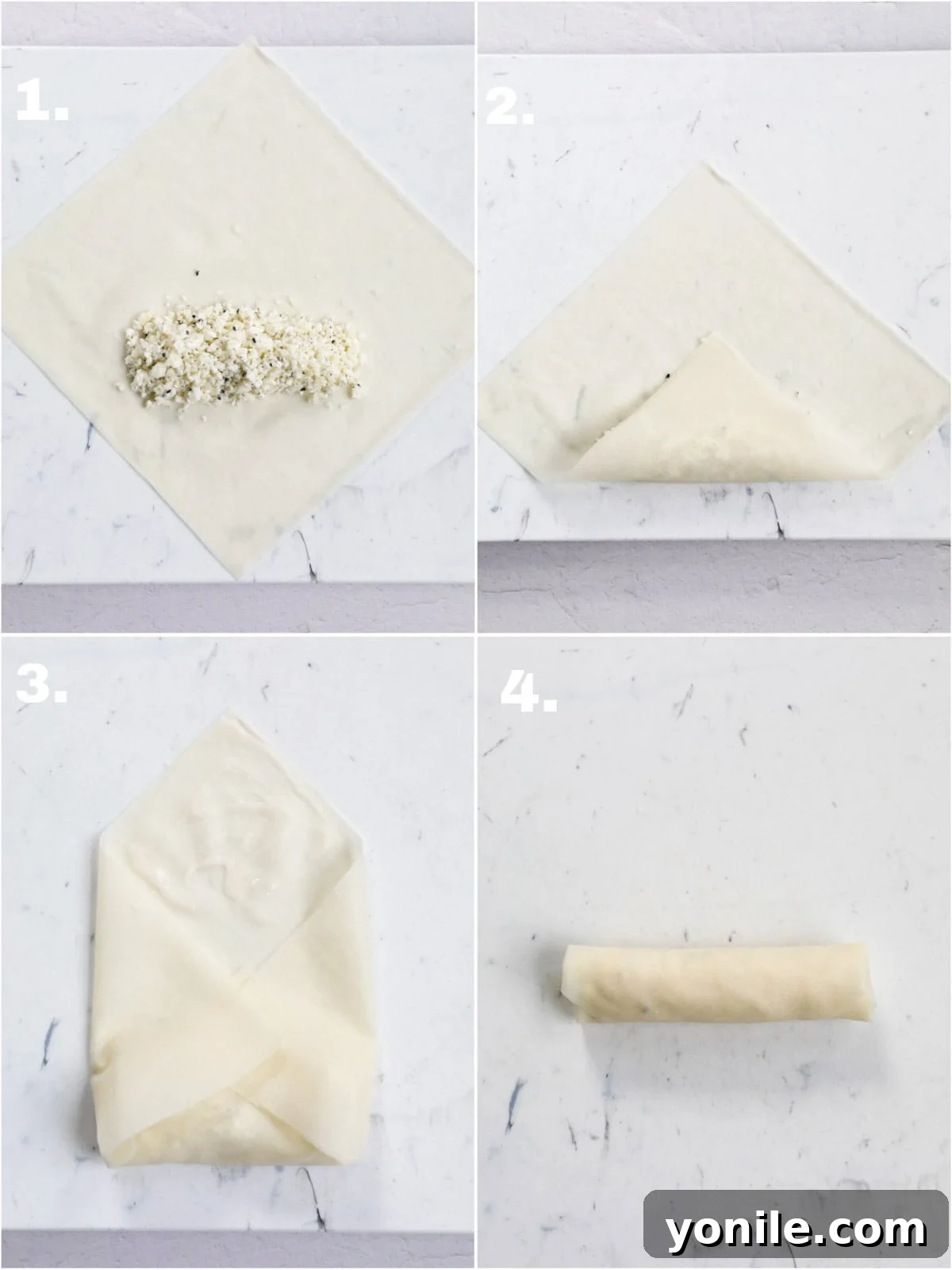
- Roll Tightly and Seal Well: The key to preventing cheese leaks is a tight roll and a secure seal. Ensure your rolls are wrapped snugly, leaving no air pockets. Use either a flour paste (a mixture of flour and water) or a beaten egg white to firmly seal the edges. Loose rolls are prone to unraveling and releasing their precious filling into the hot oil.
- Maintain the Right Oil Temperature: Oil temperature is paramount for frying success. If the oil is too hot (above 400°F/200°C), the rolls will burn quickly on the outside before the cheese melts inside. Conversely, if the oil is too cold, the rolls will absorb excess oil, becoming greasy, and the cheese may leak out. Aim for a consistent 350-375°F (175-190°C) when frying, checking with a kitchen thermometer if possible.
- Avoid Overstuffing: While tempting to maximize the cheese, overstuffing can lead to significant problems. Too much filling puts pressure on the wrapper, making it more likely to burst open during cooking and cause the delicious cheese to leak out. Use about a tablespoon of filling per roll for the best results.
- Serve Immediately for Best Experience: Lebanese cheese rolls are truly at their peak when served fresh and warm. The contrast between the hot, gooey cheese and the crisp pastry is unforgettable. While they can be reheated, their initial crispiness is best enjoyed right after cooking.

Storing and Reheating Your Delicious Leftovers
While Lebanese Cheese Rolls are undoubtedly best enjoyed fresh, there are effective ways to store and reheat them to minimize waste and savor their deliciousness later.
How to Store Cooked Cheese Rolls
Ideally, cook only the quantity of cheese rolls you anticipate eating, as their fresh crispiness is unmatched. However, if you do have leftovers, allow them to cool completely before storing. Place the cooled rolls in an airtight container and refrigerate for up to 3 days. This prevents them from becoming soggy and helps maintain their flavor.
Reheating for Maximum Crispness
To revive the crisp texture of refrigerated cheese rolls, avoid the microwave, which can make them rubbery. Instead, reheat them using a dry heat method:
- Air Fryer: Place the rolls in a single layer in your air fryer basket. Air fry at 350°F (175°C) for 3-5 minutes, or until thoroughly warmed and crispy again.
- Oven: Preheat your oven to 400°F (200°C). Arrange the rolls on a baking sheet and bake for 5-7 minutes, or until they are heated through and the pastry has regained its crispness.
Freezing Uncooked Cheese Rolls for Later
Freezing uncooked cheese rolls is an excellent way to prepare them ahead for future enjoyment. Arrange the freshly rolled, uncooked cheese rolls in a single layer on a baking sheet. Flash freeze them for about 1-2 hours until they are firm. Once frozen solid, transfer them to a freezer-safe bag or airtight container, ensuring they are separated by parchment paper to prevent sticking. They can be stored in the freezer for up to 2 months. When ready to cook, you can fry or bake them directly from frozen, adding a few extra minutes to the cooking time.
Alternative Cooking Methods
While deep frying delivers unparalleled crispiness, Lebanese Cheese Rolls are wonderfully versatile and can be prepared using healthier or more convenient methods without sacrificing much of their delicious appeal.
Baking Your Cheese Rolls
Baking offers a lighter alternative to frying, producing rolls with a delightful crisp exterior and a beautifully melted interior:
- Preheat your oven to 400°F (200°C).
- Lightly brush each assembled cheese roll with olive oil, ensuring full coverage for a golden finish.
- Arrange the rolls in a single layer on a baking sheet lined with parchment paper.
- Bake for 15-17 minutes, flipping them halfway through to ensure even browning and crisping on all sides. The rolls should be golden brown and the cheese bubbly inside.
Air Frying for a Lighter Option
The air fryer is an excellent tool for achieving a crispy texture with significantly less oil, making it a popular choice for many:
- Preheat your air fryer to 375°F (190°C).
- Generously spray the assembled cheese rolls with cooking oil spray (olive oil or avocado oil work well). This helps in achieving a golden, crispy crust.
- Place the rolls in the air fryer basket in a single layer, ensuring they are not overcrowded to allow for proper air circulation.
- Air fry for 10-12 minutes, flipping them halfway through the cooking time. Continue cooking until the rolls are light golden brown and wonderfully crispy.
Exciting Filling Variations
While the classic cheese filling is undeniably delicious, Rakakat Jibneh can be customized with various additions to suit different tastes and preferences. Here are some exciting filling variations to inspire your culinary creativity:
- Lebanese Cheese Rolls with Seasoned Meat: For a heartier version, introduce seasoned ground beef or lamb into the cheese mixture. Brown the meat with finely chopped onions, a pinch of cinnamon, allspice, and a touch of salt and pepper before mixing it with the cheeses. This adds a rich, savory depth that transforms the appetizer into a more substantial bite.
- Cheese Rolls with Fresh Spinach: Embrace a Mediterranean twist by mixing blanched, squeezed dry, and finely chopped spinach into your cheese blend. Season the spinach with a little onion, garlic, and a hint of sumac for a bright, tangy flavor reminiscent of spanakopita. This not only adds a vibrant color but also an earthy freshness to the rolls.
- Spicy Cheese Rolls: For those who love a kick, finely chop some fresh jalapeños or a hint of Aleppo pepper flakes into your cheese mixture. This will infuse the rolls with a delightful warmth that perfectly balances the creamy cheese.
- Herb Garden Rolls: Beyond dried mint, experiment with other fresh herbs. Fresh parsley, dill, or chives can be finely chopped and added to the cheese for a different aromatic profile. A combination of these can create a complex, fragrant filling.
- Mushroom & Cheese Rolls: Sauté finely diced mushrooms with garlic and thyme until all moisture evaporates, then cool and mix into the cheese. This adds an umami-rich, earthy flavor that pairs wonderfully with the salty cheeses.
Frequently Asked Questions (FAQs)
Absolutely! Lebanese Cheese Rolls are perfect for meal prepping. You can assemble and roll them completely, then store them in the freezer before frying or baking. Flash freeze them on a tray until solid, then transfer to an airtight container or freezer bag for up to two months. This makes them a convenient option for entertaining or quick snacks.
Rakakat Jibneh are incredibly versatile and pair well with a variety of dishes and dips:
- Dips: Enhance their flavor with classic Middle Eastern dips such as creamy hummus, zesty garlic sauce (toum), or nutty tahini sauce. A simple yogurt-cucumber dip also offers a refreshing contrast.
- Salads: Serve alongside fresh, vibrant salads like a traditional Fattoush with its crisp vegetables and tangy dressing, or a refreshing Tabbouleh salad bursting with parsley and bulgur.
- Main Dishes: They make an excellent accompaniment to grilled meats like shish tawook (grilled chicken), succulent kebabs, or crispy falafel, rounding out a complete Lebanese meal.
- Breakfast: In Lebanon, these rolls are sometimes enjoyed as part of a hearty breakfast spread, alongside fresh olives, sliced tomatoes, cucumbers, and warm pita bread.
The best way to enjoy Lebanese Cheese Rolls is to serve them immediately after cooking, when they are at their crispiest. If you have leftovers and want to restore their crispiness, avoid the microwave. Instead, reheat them in a preheated oven or an air fryer. A few minutes at high heat (e.g., 400°F/200°C in the oven or 350°F/175°C in the air fryer) will bring back their desirable crunch.

Discover More Lebanese Culinary Delights
If you’ve enjoyed the authentic flavors of Rakakat Jibneh, we encourage you to explore more exquisite recipes from Lebanese cuisine, known for its fresh ingredients and aromatic spices:
- Lebanese Lentil Soup: A comforting and nutritious soup, rich in flavor and tradition.
- Grilled Beef Kafta: Flavorful ground beef skewers, perfectly seasoned and grilled.
- Batata Harra (Lebanese Spicy Potatoes): Crispy fried potatoes tossed in a vibrant mix of garlic, cilantro, and chili.
- Lebanese Spinach Pies: Delicious pastries filled with a tangy, spiced spinach mixture.
These authentic **Lebanese Cheese Rolls** are truly a **crispy**, **cheesy** delight that’s incredibly easy to make and utterly impossible to resist. Whether you opt for baking, frying, or air-frying, these golden rolls are perfectly suited for any occasion, promising a burst of traditional Middle Eastern flavor with every bite. We invite you to experience the joy of preparing and sharing this beloved appetizer.
If you try this recipe and love it as much as we do, please consider leaving a star rating and a comment below to share your experience. Your feedback is greatly appreciated! For all of our latest culinary creations and social posts, be sure to follow **Cookin’ With Mima** on FACEBOOK, INSTAGRAM, and PINTEREST.
Lebanese Cheese Rolls (رقاقات بالجبنة, Rakakat Jibneh)
Ingredients
- 9 oz. Akkawi cheese, cut into cubes
- 8 oz. feta cheese
- 8 oz. mozzarella cheese, shredded
- 1 tbsp. nigella seeds, or toasted sesame seeds
- 1 tbsp. mint, dry
- 25 spring roll sheets, 1 pack
- canola or vegetable oil for frying
- flour paste or egg wash for sealing the ends
Instructions
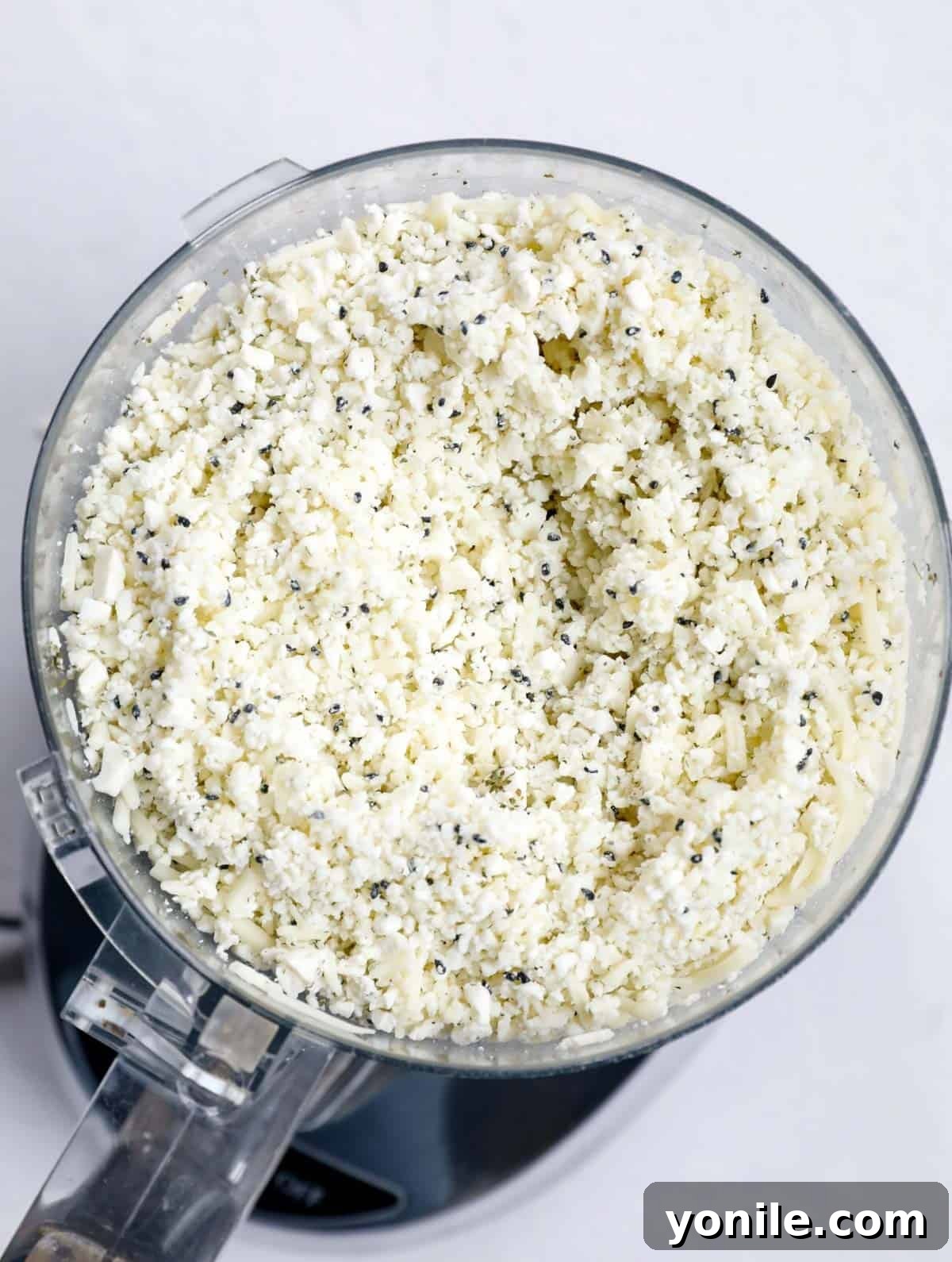
- Prepare the Filling: In a bowl, mix the shredded Akkawi cheese, mozzarella cheese, feta cheese, dry mint, and nigella seeds until well combined.
- Assemble, Fill and Roll: Lay spring roll sheet on a flat surface. Place a tablespoon of the cheese mixture at the bottom of each strip. Fold the sides inward and roll tightly like a spring roll. Seal the edge with a bit of beaten egg or flour paste mixture.
- Deep Fry: Heat oil to 400°F (200°C). Fry the rolls until golden brown (about 1-2 minutes per side).
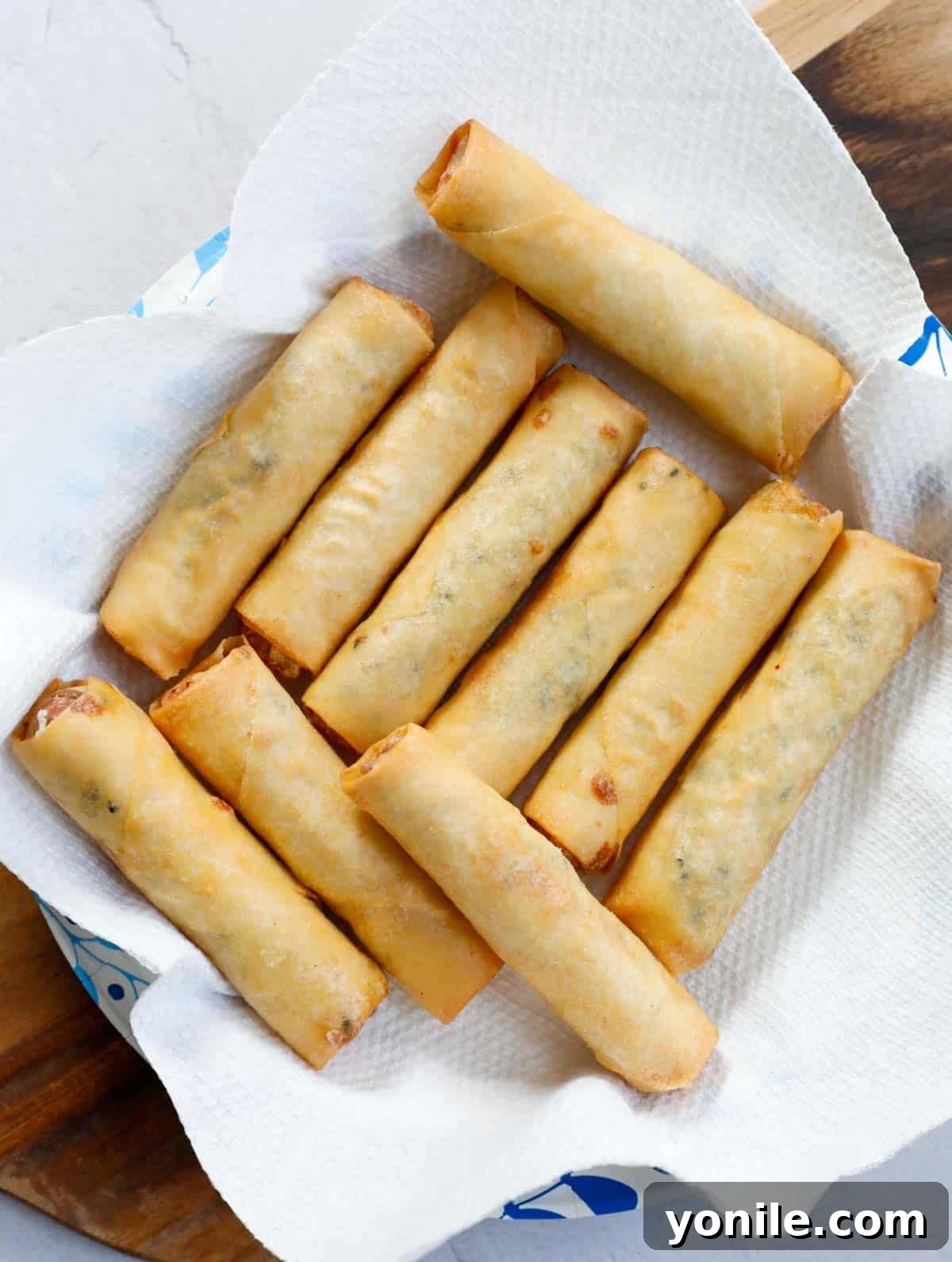
- Serve: Drain on paper towel for a few seconds while they slightly cool down and serve warm.
Video
Notes
- Freeze: If possible freeze the rolls before cooking for better shape retention and crispiness.
- Roll Tightly: Loose rolls may open while frying. Seal them well with egg white or flour paste.
- Use the Right Oil Temperature: If the oil is too hot, the rolls will burn; if too cold, they absorb excess oil and leak cheese. Aim for 350-375°F (175-190°C).
- Avoid Overstuffing: Too much cheese can cause leaks during cooking. Use about a tablespoon of filling.
- Serve Immediately: Lebanese cheese rolls are best enjoyed fresh while crispy and warm.